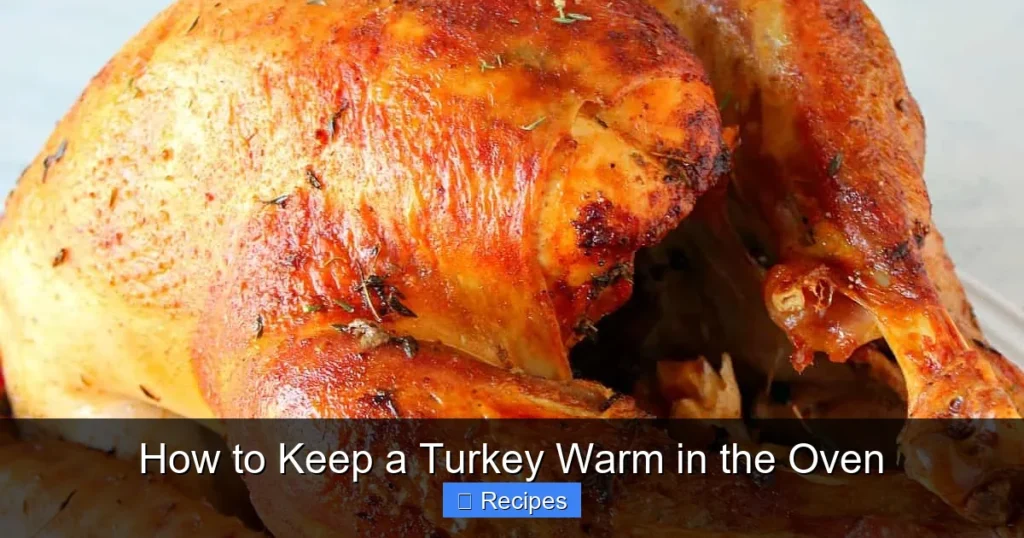
How To Keep A Turkey Warm In The Oven is an essential topic that provides valuable insights and practical knowledge for anyone interested in learning more about this subject.
How to Keep a Turkey Warm in the Oven
There’s nothing more stressful than pulling a perfectly roasted turkey out of the oven only to watch it cool down while you finish the side dishes. I’ve been there—juggling gravy, stuffing, and a parade of hungry relatives—only to realize the bird is losing its juicy heat. The good news? You don’t need fancy equipment or a culinary degree to keep a turkey warm in the oven. With a few simple tricks, you can maintain that succulent temperature without overcooking or drying it out.
In this post I’ll walk you through everything you need to know about how to keep a turkey warm in the oven, from the right temperature settings to the best cookware choices. Think of it as a friendly chat over the kitchen counter, complete with practical examples, handy tips, and even a quick data table to help you plan ahead. Let’s make sure your turkey stays as inviting as the moment it first left the oven.
Key Takeaways
- Understanding How To Keep A Turkey Warm In The Oven: Provides essential knowledge for making informed decisions
- Practical applications: Can be applied in various real-world scenarios
- Key benefits: Offers significant advantages when properly implemented
- Important considerations: Requires attention to specific details and best practices
- Future implications: Continues to evolve and impact related fields
📑 Table of Contents
Why Keeping a Turkey Warm Matters
Preserving Moisture and Flavor
When a turkey sits at room temperature, the juices redistribute unevenly, and the meat can become dry. Keeping it warm in the oven creates a gentle, controlled environment that locks in moisture. This is especially important if you’re carving the bird a little later while the rest of the meal is still finishing.
Timing the Meal Without Panic
Family gatherings rarely run on a perfect schedule. By knowing how to keep a turkey warm in the oven, you gain flexibility. You can finish the gravy, set the table, or even take a quick bathroom break without the fear of serving a cold bird.
Safety First
Food‑safe temperatures are crucial. The USDA recommends keeping cooked poultry above 140°F (60°C) to prevent bacterial growth. Using the oven as a warming drawer helps you stay within this safe zone while keeping the meat tasty.
Choosing the Right Temperature
Low‑and‑Slow Warmth
Set your oven to a low temperature—typically between 150°F and 170°F (65°C‑77°C). This range is warm enough to keep the turkey safe but low enough to avoid further cooking. Most ovens have a “warm” setting that falls right in this sweet spot.
Visual guide about turkey warm oven
Image source: guideoftheworld.com
Using the Oven’s “Keep Warm” Feature
If your oven has a dedicated “keep warm” mode, use it. The feature is designed to maintain a steady temperature without the risk of overheating. Just place the turkey on a rack and let the oven do the work.
Thermometer Check
Invest in a simple oven‑safe meat thermometer. Insert it into the thickest part of the breast; you’ll want to see a steady reading around 150°F. If the temperature climbs above 175°F, lower the oven or remove the turkey to prevent drying.
Best Cookware for Keeping a Turkey Warm
Roasting Pan with a Rack
A sturdy roasting pan paired with a rack is the classic choice. The rack lifts the bird, allowing air to circulate evenly. If you’re wondering about the ideal pan, check out our guide on the best pan to cook turkey in oven for detailed recommendations.
Visual guide about turkey warm oven
Image source: imgcdn.flamingotravels.co.in
Aluminum Foil Tent
Cover the turkey loosely with a sheet of heavy‑duty aluminum foil. This creates a mini‑oven effect, trapping heat while letting steam escape so the skin stays crisp.
How to Make the Tent
- Pull a large sheet of foil over the bird, leaving a small opening at the top.
- Seal the edges around the pan, but don’t press the foil directly onto the skin.
- Check every 20‑30 minutes and adjust if needed.
Insulated Roasting Bags
For larger birds, an insulated roasting bag can be a lifesaver. It holds heat like a blanket and reduces the need for constant oven monitoring.
Step‑by‑Step Guide: How to Keep a Turkey Warm in the Oven
1. Finish Cooking the Turkey
Once your turkey reaches an internal temperature of 165°F (74°C), remove it from the oven. Let it rest for 15‑20 minutes; this allows the juices to settle.
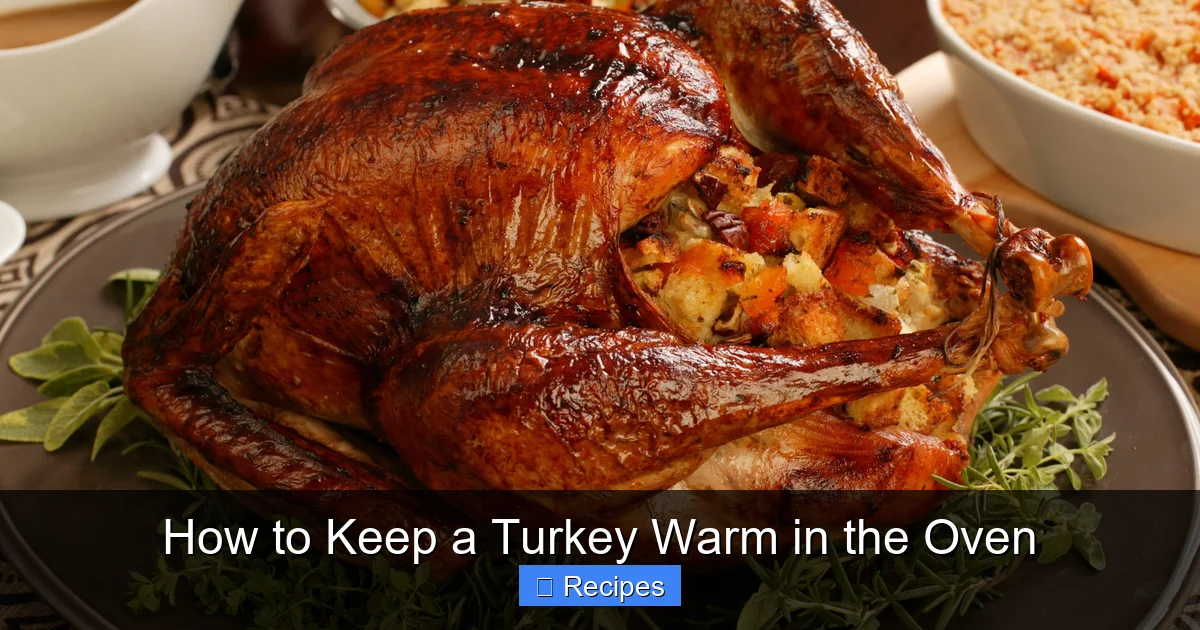
Visual guide about turkey warm oven
Image source: assets.epicurious.com
2. Prepare the Warming Setup
While the turkey rests, lower the oven temperature to 150°F. Place a clean roasting rack inside the pan and set the turkey back on the rack. If you’re using a foil tent, now’s the time to drape it over the bird.
3. Monitor the Temperature
Insert an oven‑safe thermometer into the breast. Keep an eye on the reading; you want it to stay between 140°F and 160°F. If it climbs higher, either lower the oven temperature or remove the turkey and let it sit covered on the counter for a few minutes.
4. Timing the Warm Hold
A turkey can stay warm safely for up to two hours. Use this window to finish side dishes, make gravy, or set the table. If you need more time, consider transferring the bird to a pre‑heated insulated cooler (like a best insulated lunch box to keep food warm) for an extra 30‑45 minutes.
5. Carve and Serve
When you’re ready, carve the turkey directly from the pan or transfer it to a cutting board. The meat should be warm, juicy, and ready to impress.
Common Mistakes and How to Avoid Them
Over‑Heating the Oven
Setting the oven above 170°F can start cooking the turkey again, leading to dry meat. Always double‑check the temperature before placing the bird back inside.
Leaving the Foil Too Tight
If the foil seals the bird completely, steam will build up and soften the crispy skin. Keep the tent loose or poke a few small holes to allow steam to escape.
Not Using a Rack
Placing the turkey directly on the pan can cause the bottom to become soggy. A rack promotes even heat distribution and keeps the bottom crisp.
Quick Reference Table
| Oven Setting | Target Internal Temp | Maximum Hold Time | Tips |
|---|---|---|---|
| 150°F (65°C) | 140‑160°F (60‑71°C) | 2 hours | Use a meat thermometer; keep foil tent loose. |
| 160°F (71°C) | 150‑165°F (65‑74°C) | 1.5 hours | Check every 20 minutes; adjust foil if skin darkens. |
| Keep Warm Mode | 140‑155°F (60‑68°C) | 2 hours | Ideal for ovens with automatic temperature control. |
Bonus Tips: Extending Warmth Without the Oven
Use a Warm Holding Drawer
If your oven has a built‑in warming drawer, set it to low and slide the turkey in. This is a great alternative when the main oven is needed for other dishes.
Portable Food Warmers
For large gatherings, a commercial food warmer can keep the turkey at a safe temperature for hours. Just be sure to stir occasionally to prevent the skin from becoming soggy.
Cover with a Clean Kitchen Towel
After removing the turkey from the oven, you can loosely drape a thick kitchen towel over the foil tent. This adds an extra layer of insulation, especially useful if the room is cool.
Conclusion
Knowing how to keep a turkey warm in the oven takes the anxiety out of holiday cooking and lets you focus on enjoying the company around the table. By setting the right low temperature, using the proper cookware, and monitoring the internal heat, you can hold that beautiful bird at the perfect serving temperature for up to two hours. Remember the simple tricks—loose foil tent, a sturdy rack, and a reliable thermometer—and you’ll never have to worry about a cold or dry turkey again.
Now go ahead, carve that golden bird, and watch the smiles appear as the first warm slice hits the plate. Happy feasting!
Frequently Asked Questions
What is How To Keep A Turkey Warm In The Oven?
How To Keep A Turkey Warm In The Oven is an important topic with many practical applications and benefits.
How can How To Keep A Turkey Warm In The Oven help me?
Understanding How To Keep A Turkey Warm In The Oven can improve your knowledge and provide practical solutions.