Storing strawberries in a mason jar is a simple, shelf‑life‑boosting trick that keeps your berries juicy and ready to eat. This guide walks you through the best cleaning, layering, and sealing techniques so you can enjoy fresh fruit for days. Plus, we share creative ways to use jar‑stored strawberries in smoothies, desserts, and salads.
Key Takeaways
- Clean & dry: Wash strawberries gently, pat dry, and remove stems before jarning to prevent mold.
- Layer with parchment: Use parchment or paper towels between berry layers to absorb excess moisture.
- Use a vacuum seal: Removing air with a vacuum or by pressing down reduces spoilage.
- Store in the fridge: Mason jars keep berries cool and protected, extending freshness up to 5–7 days.
- Freeze for long‑term: After jarning, seal the jar in a freezer bag for up to 6 months.
- Creative uses: Jarred strawberries are perfect for smoothies, parfaits, sauces, and even bread toppings.
📑 Table of Contents
- Why Mason Jars Are the Ultimate Strawberry Storage Solution
- Step‑by‑Step: How Do You Store Strawberries in a Mason Jar?
- Common Mistakes to Avoid When Storing Strawberries in a Mason Jar
- Extending Shelf Life: Freezing Mason Jar Strawberries
- Creative Ways to Use Jar‑Stored Strawberries
- Maintaining Kitchen Hygiene While Jar‑Storing Strawberries
- When to Throw Out Strawberries
- Connecting to Other Kitchen Tips
- Conclusion
Why Mason Jars Are the Ultimate Strawberry Storage Solution
When it comes to keeping strawberries fresh, a mason jar offers several advantages over plastic bags or conventional containers. First, the glass is non‑porous, so it won’t absorb odors or stains. Second, the airtight seal keeps out air, which is the main culprit behind mold and staleness. Finally, mason jars look great on the counter or in the pantry, making them a stylish, reusable option for any kitchen.
The Science Behind Strawberry Spoilage
Strawberries are high in moisture and delicate skin, making them prone to mold and bacteria. Air exposure encourages oxidation, while excess moisture creates a perfect environment for fungi. By reducing both air and moisture, a mason jar can slow down the spoilage process significantly.
Step‑by‑Step: How Do You Store Strawberries in a Mason Jar?
1. Gather the Right Materials
- Clean mason jar (12 oz or 16 oz works best)
- Sharp knife and cutting board
- Parchment paper or paper towels
- Vacuum sealer or a straw for air removal (optional)
- Refrigerator or freezer
2. Wash and Dry the Strawberries Properly
Rinse strawberries under cold running water. Gently rub them to remove dirt, but avoid washing them too early, as this can introduce water that speeds spoilage. Pat each berry dry with a clean towel.
Visual guide about strawberry mason jar storage
Image source: static.vecteezy.com
3. Remove Stems and Inspect for Damage
Remove the green tops with a knife or a strawberry huller. Check each berry for bruises or mold; discard any that are soft or spotted.
4. Layer With Parchment for Moisture Control
Place a thin strip of parchment paper at the bottom of the jar. Add a layer of strawberries, then another strip of parchment. Repeat until the jar is filled. The parchment absorbs excess liquid, keeping berries dry.
5. Seal the Jar – The Key to Longevity
Close the jar with its lid. If you have a vacuum sealer, run it over the jar’s lid to remove as much air as possible. Alternatively, press down on the berries with a spoon or use a clean straw to suck out air before tightening the lid.
6. Refrigerate Immediately
Place the jar in the refrigerator. The cool temperature slows down bacterial growth, while the airtight seal prevents mold spores from entering.
7. Check Daily and Re‑Seal If Needed
Every day, open the jar briefly, check for any wetness or mold, and re‑seal. If the jar feels soggy, add a fresh parchment strip before resealing.
Common Mistakes to Avoid When Storing Strawberries in a Mason Jar
Not Removing Excess Water
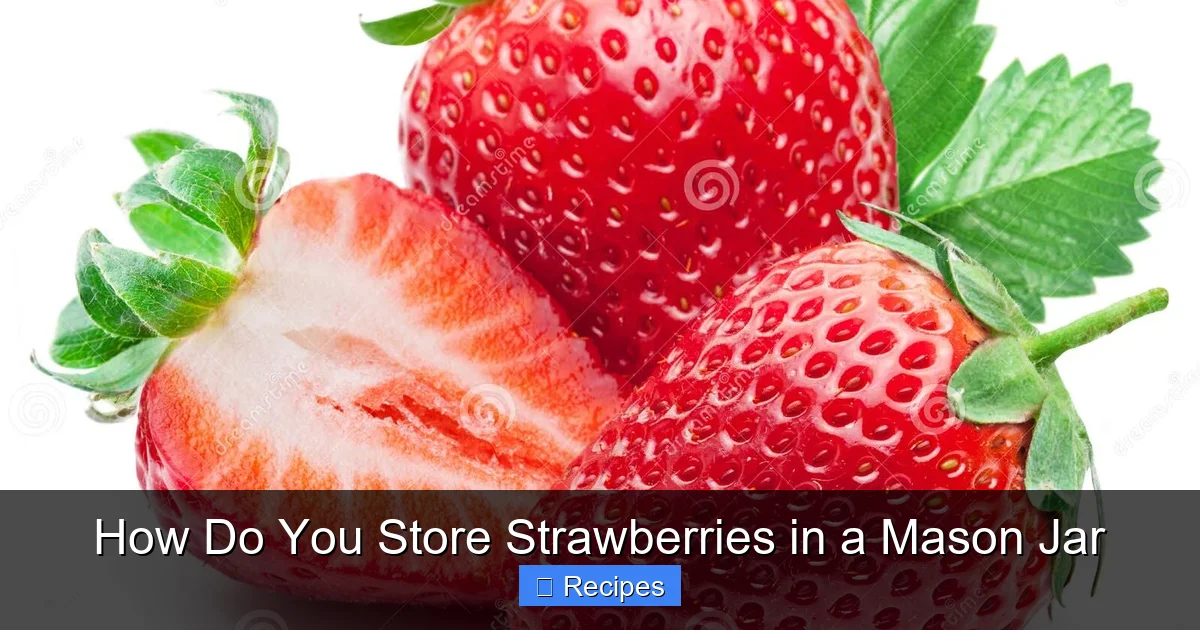
Even a small amount of surface water can trigger mold. Always dry strawberries thoroughly before jarning.
Visual guide about strawberry mason jar storage
Image source: thumbs.dreamstime.com
Overfilling the Jar
If the jar is too full, berries crush and release juice. Leave a little headspace for expansion and easier sealing.
Leaving the Strawberries at Room Temperature
Room temperature encourages rapid spoilage. Keep the jar in the fridge at all times.
Extending Shelf Life: Freezing Mason Jar Strawberries
Why Freeze?
Freezing preserves the flavor and texture of strawberries for months. After following the jarning steps, place the sealed jar in a freezer bag, press out air, and seal.
Visual guide about strawberry mason jar storage
Image source: gardeningknowhow.com
Thawing Tips
When ready to use, thaw the jar in the fridge overnight. The berries will be slightly softer but still great for smoothies, sauces, or baking.
Creative Ways to Use Jar‑Stored Strawberries
1. Strawberry Smoothie Packs
Fill a jar with strawberries, add a handful of spinach, a banana, and a splash of almond milk. When you’re ready, blend straight from the jar.
2. Strawberry Sauce for Dessert
Simmer jarred strawberries with a bit of sugar and lemon juice until thickened. Use as a topping for pancakes, ice cream, or cheesecake.
3. Strawberry Yogurt Parfait
Layer Greek yogurt, granola, and jarred strawberries for a quick breakfast.
4. Strawberry Bread Crumb Topping
Crush jarred strawberries and mix with breadcrumbs, cinnamon, and a drizzle of honey. Sprinkle over banana bread for a sweet twist.
5. Homemade Strawberry Jam
Cook jarred strawberries with sugar and pectin until jam consistency. Pour into clean jars for a lasting preserve.
Maintaining Kitchen Hygiene While Jar‑Storing Strawberries
Clean your mason jars before use with hot, soapy water. Rinse thoroughly to remove any soap residue, as this can affect flavor and safety. If you’re storing other foods in the same jar, label it clearly to avoid cross‑contamination.
When to Throw Out Strawberries
Even with careful storage, strawberries will eventually spoil. Look for signs such as:
- Soft, brown spots
- Unpleasant odor
- Mold growth or fuzzy patches
If any of these appear, discard the berries to prevent foodborne illness.
Connecting to Other Kitchen Tips
When you’re planning a meal, consider how long your ingredients can stay fresh. For example, if you’re using a rice cooker for a side dish, the same principles of air control and moisture management apply. Also, if you’re craving a quick dessert, check out how to make smoothies in a blender for a fresh, berry‑rich treat.
Conclusion
Storing strawberries in a mason jar is a game‑changer for any berry lover. By cleaning, layering, and sealing properly, you keep your strawberries fresher, sweeter, and longer‑lasting. Whether you plan to use them in smoothies, sauces, or baked goods, the mason jar method offers convenience and style. Try it today and taste the difference!
Frequently Asked Questions
Can I store strawberries in a mason jar at room temperature?
No. Strawberries need a cool environment to stay fresh. Keep the jar in the refrigerator to prevent mold and spoilage.
How long do strawberries last in a mason jar in the fridge?
With proper preparation, strawberries can stay good for up to 5–7 days. Check daily for any signs of spoilage.
Is it safe to freeze strawberries after jarning?
Yes. Freezing preserves the berries for up to 6 months. Just seal the jar in a freezer bag and remove air before freezing.
Can I use a plastic jar instead of a mason jar?
Plastic jars may absorb odors and are less durable. Mason jars are non‑porous, making them safer and more effective for long‑term storage.
What if I have too many strawberries for one jar?
Divide them among multiple jars or use a larger jar. Always leave some headspace so the lid seals properly.
Do I need a vacuum sealer to store strawberries in a mason jar?
No. Simply press down on the berries to expel air or use a straw to suction air out. A vacuum sealer is optional but can improve shelf life.