
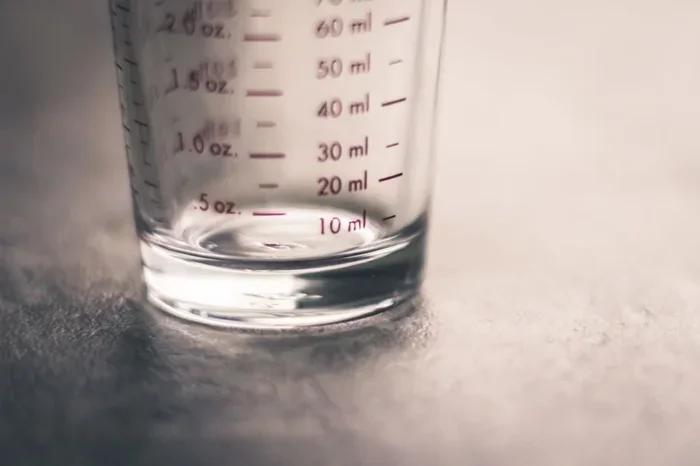
Knowing how many ounces are in a cup is one of the most important skills for any home cook. A standard US cup equals 8 fluid ounces, but dry ingredients vary by weight. This guide breaks down every conversion you need for accurate measuring in cooking and baking.
Cooking and baking are all about precision. Whether you are following a family recipe or trying something new, getting the measurements right makes all the difference. One question comes up more than any other in the kitchen: how many ounces are in a cup?
The answer might seem simple, but there is more to it than you might think. A standard cup holds 8 fluid ounces in the US measurement system. But when it comes to dry ingredients, the number changes completely. This guide will walk you through everything you need to know about ounces in a cup, from basic conversions to pro tips that will level up your cooking.
We will cover fluid ounces versus dry ounces, ingredient-specific measurements, and common mistakes to avoid. By the end, you will feel confident measuring anything in your kitchen. Let us get started.
Key Takeaways
- A standard US cup holds 8 fluid ounces: This is the baseline for most liquid ingredients in American recipes.
- Dry ounces and fluid ounces are not the same: Weight and volume are different measurements, and confusing them can ruin a recipe.
- Use the right measuring tool: Liquid measuring cups for fluids and dry measuring cups for solids give the best results.
- Conversion charts simplify cooking: Keep a quick reference chart handy to save time and avoid mistakes.
- Measuring accuracy affects outcomes: Even small errors in measuring ingredients can change the texture and taste of your dish.
- Metric and imperial systems differ: Understanding both systems helps when following international recipes.
📑 Table of Contents
- Understanding Ounces and Cups in Cooking
- Fluid Ounces vs Dry Ounces: What Is the Difference?
- How Many Ounces in a Cup for Common Ingredients
- Conversion Chart and Quick Reference
- Tips for Accurate Measuring in the Kitchen
- Common Mistakes When Measuring Cups and Ounces
- How to Convert Between Measurement Systems
- Frequently Asked Questions
- Final Thoughts
Understanding Ounces and Cups in Cooking
Before we dive into numbers, let us clarify what we mean by “ounces” and “cups.” These two terms show up everywhere in recipes, but they refer to very different things.
What Is a Cup?
A cup is a unit of volume measurement. In the US, one cup equals 240 milliliters or 8 fluid ounces. You use cups to measure both liquids and dry ingredients. When you grab a standard measuring cup from your kitchen drawer, it is designed to hold exactly one cup of volume.
Keep in mind that cup sizes differ by country. A metric cup used in Australia and some other countries holds 250 milliliters. A Japanese cup is 200 milliliters. If you are following a recipe from another country, this difference matters.
What Is an Ounce?
An ounce can mean two completely different things in cooking. Fluid ounces measure volume, which is how much space a liquid takes up. Dry ounces measure weight, which is how heavy something is.
This distinction is crucial. One cup of water weighs about 8 fluid ounces. But one cup of flour weighs around 4.5 ounces by weight. That is a huge difference. When you understand this, you will never second-guess your measurements again.
Fluid Ounces vs Dry Ounces: What Is the Difference?
This is where most home cooks get confused. Let us break it down clearly so you never mix them up again.
Fluid Ounces (Volume)
Fluid ounces measure how much space a liquid takes up. When a recipe calls for 8 fluid ounces of milk, it means one cup of liquid. The same goes for water, broth, oil, and other liquids.
Here are some common liquid conversions you will use often:
- 1 cup = 8 fluid ounces
- 1/2 cup = 4 fluid ounces
- 1/4 cup = 2 fluid ounces
- 1/3 cup = about 2.7 fluid ounces
- 1 tablespoon = 0.5 fluid ounces
For liquid ingredients, always use a liquid measuring cup. These have a spout and clear markings on the side. You place them on a flat surface and bend down to read the measurement at eye level. This simple habit makes a big difference in accuracy.
Dry Ounces (Weight)
Dry ounces measure the weight of solid ingredients. Flour, sugar, oats, rice, and nuts are all measured by weight in ounces. Because these ingredients have different densities, the same cup can weigh different amounts depending on what you are measuring.
Here is a quick look at common dry ingredients and their weights per cup:
- All-purpose flour: about 4.5 ounces per cup
- Granulated sugar: about 7 ounces per cup
- Brown sugar (packed): about 7.5 ounces per cup
- Rolled oats: about 3 ounces per cup
- Almonds (sliced): about 4 ounces per cup
See the pattern? The weight changes based on the ingredient. This is why baking measurements matter so much. Baking is a science, and even small variations can change the final product.
How Many Ounces in a Cup for Common Ingredients
Now let us get practical. Here is a breakdown of how many ounces are in a cup for some of the most common ingredients you will encounter in recipes.
Liquids
Most liquids follow the 8-fluid-ounce-per-cup rule. This includes water, milk, cream, broth, and cooking oils. When you are measuring ingredients for soups, sauces, or beverages, this conversion is your go-to reference.
One exception worth noting is honey and syrup. These are thicker and denser than water, but they still follow the volume-based cup measurement. A cup of honey weighs about 12 ounces by weight, but it still fills one cup in volume.
Dry Ingredients
Dry ingredients vary widely in weight per cup. This is why professional bakers always use a kitchen scale. But if you do not have one, here are some general guidelines:
- Bread flour: about 4.5 ounces per cup
- Cake flour: about 3.5 ounces per cup
- Cornstarch: about 3 ounces per cup
- Cocoa powder: about 3 ounces per cup
- Greek yogurt: about 6 ounces per cup
Notice how much these numbers differ? That is exactly why volume and weight are not interchangeable. When you are cooking conversions for a new recipe, always check whether the recipe uses volume or weight measurements.
Fats and Oils
Fats like butter, shortening, and cooking oils have their own weight-to-volume ratios. One cup of butter weighs about 8 ounces. One cup of vegetable oil weighs about 7.5 ounces. These small differences add up, especially in baking where precision matters most.
Conversion Chart and Quick Reference
Having a quick reference chart on hand makes cooking so much easier. Print it out or save it to your phone. You will find yourself reaching for it every time you cook.
Liquid Volume Conversions
Here is a simple chart for liquid measurements:
- 1 cup = 8 fluid ounces = 240 ml
- 3/4 cup = 6 fluid ounces = 180 ml
- 2/3 cup = about 5.3 fluid ounces = 160 ml
- 1/2 cup = 4 fluid ounces = 120 ml
- 1/3 cup = about 2.7 fluid ounces = 80 ml
- 1/4 cup = 2 fluid ounces = 60 ml
- 1 tablespoon = 0.5 fluid ounces = 15 ml
- 1 teaspoon = about 0.17 fluid ounces = 5 ml
Dry Ingredient Weight Per Cup
For dry ingredients, keep these weights in mind. They are approximate values and can vary based on how tightly you pack the ingredient into the cup.
- All-purpose flour: 4.5 oz
- Whole wheat flour: 4.5 oz
- Granulated sugar: 7 oz
- Powdered sugar: 4 oz
- Brown sugar (packed): 7.5 oz
- Rolled oats: 3 oz
- Almonds: 4 oz
- Chopped walnuts: 4.5 oz
If you ever need to convert milliliters to cups, remember that 240 ml equals one US cup. For quick mental math, 100 ml is roughly 1/3 cup, and 50 ml is about 1/4 cup.
Tips for Accurate Measuring in the Kitchen
Accurate measuring is the secret to consistent results in the kitchen. Here are some tips that experienced cooks and bakers swear by.
Use the Right Tool for the Job
Never use a dry measuring cup for liquids. The shape is different, and you will not get an accurate reading. Liquid measuring cups are clear and have a pour spout. Dry measuring cups come in nested sets and are designed to be filled and leveled off.
When measuring dry ingredients like flour, do not pack them down. Spoon the flour into the cup and level it off with a straight edge. Packing flour creates compacted measurements that throw off your recipe measurements significantly.
Invest in a Kitchen Scale
If you bake often, a kitchen scale is a game-changer. Measuring by weight is far more accurate than measuring by volume. A simple digital scale costs very little and eliminates guesswork entirely. Many professional bakers never use cups at all.
You can also use your scale to check conversions. Weigh a cup of flour and compare it to the standard weight. You will quickly see how much variation there can be when measuring by volume alone.
Check Your Oven Temperature
While this might seem unrelated to measuring, oven temperature affects how your ingredients behave. An oven that runs hot or cold can change the outcome of your baked goods, even if your measurements are perfect. Use an oven thermometer to make sure your temperature is accurate.
Practice the Spoon-and-Level Method
For flour and other fine dry ingredients, use the spoon-and-level method. Spoon the ingredient into your measuring cup. Do not tap it or shake it. Then use the back of a knife to sweep across the top and remove any excess. This method gives you the most consistent results.
Common Mistakes When Measuring Cups and Ounces
Even experienced cooks make measuring mistakes. Here are the most common ones and how to avoid them.
Confusing Fluid Ounces with Dry Ounces
This is the number one mistake. Fluid ounces measure volume. Dry ounces measure weight. They are not the same thing. When a recipe says “8 ounces of flour,” it means weight, not volume. Eight ounces of flour is about 1.6 cups, not one cup.
Not Leveling Off Dry Ingredients
When you scoop flour directly from the bag with your measuring cup, you end up packing too much in. This can add an extra tablespoon or more of flour to your recipe, making baked goods dense and dry. Always spoon and level for the best results.
Using the Wrong Size Cup
Not all cups are created equal. A coffee mug is not a measuring cup. A disposable paper cup is not a measuring cup. Use proper measuring cups designed for cooking. They are inexpensive and make a huge difference in accuracy.
Ignoring Temperature Effects
Ingredients like butter, eggs, and milk behave differently at different temperatures. Cold butter does not cream the same way as room-temperature butter. Cold eggs do not mix into batter as evenly. Let your ingredients come to room temperature before measuring and mixing them.
How to Convert Between Measurement Systems
Cooking often involves working with different measurement systems. Here is how to navigate them with confidence.
US to Metric Conversions
The US uses the imperial system, while most of the rest of the world uses the metric system. Here are some key conversions to keep in mind:
- 1 US cup = 240 ml (metric)
- 1 US fluid ounce = 29.6 ml
- 1 US dry ounce = 28.35 grams
- 1 US cup = 16 tablespoons
- 1 US cup = 48 teaspoons
When you are following a recipe from a different country, these conversions help you adapt quickly. Many recipe websites now include both imperial and metric measurements, which makes things even easier.
Why Metric Is Often Easier for Baking
The metric system is based on factors of 10, which makes conversions much simpler. One liter equals 1000 milliliters. One kilogram equals 1000 grams. This simplicity reduces the chance of errors, especially when you are scaling recipes up or down.
If you are serious about baking, consider switching to metric measurements in your own kitchen. A simple digital scale that measures in grams makes the process much cleaner and more precise.
Frequently Asked Questions
Is 8 ounces the same as 1 cup?
Yes, but only for liquids. One cup of any liquid equals 8 fluid ounces. For dry ingredients, 8 ounces by weight is a different volume depending on the ingredient. Always check whether your recipe is asking for fluid ounces or dry ounces before you start measuring.
How many ounces are in a cup of flour?
A cup of all-purpose flour weighs about 4.5 ounces. This is a weight measurement, not a volume measurement. The difference matters because 8 ounces of flour by weight is actually about 1.6 cups by volume. Using a kitchen scale gives you the most accurate results for flour.
Does the type of cup matter in cooking?
Absolutely. A standard US measuring cup holds 8 fluid ounces or 240 ml. A metric cup holds 250 ml. A Japanese cup holds 200 ml. Using the wrong size cup can throw off your recipe, especially in baking where precision is key. Always use proper measuring cups designed for cooking.
Can I use a liquid measuring cup for dry ingredients?
You can, but the results will not be as accurate. Liquid measuring cups are designed to be read from the side at eye level, and they are not meant to be filled to the brim with dry ingredients. Dry measuring cups are designed to be filled, leveled off, and poured. For the best results, use the right tool for each type of ingredient.
How do I convert ounces to cups for dry ingredients?
You cannot directly convert ounces to cups for dry ingredients because ounces measure weight and cups measure volume. You need to know the specific weight of the ingredient per cup. For example, 1 cup of sugar weighs about 7 ounces, while 1 cup of flour weighs about 4.5 ounces. A kitchen scale makes these conversions much easier.
Why do my recipes turn out different even when I follow the measurements?
Small measuring errors can compound over time. If you are packing flour too tightly, using the wrong size cup, or not leveling off your ingredients, the differences add up. Other factors like ingredient temperature, altitude, and oven calibration also play a role. Focus on measuring accurately and consistently, and your results will improve significantly.
Final Thoughts
Understanding how many ounces are in a cup is one of the simplest yet most valuable skills you can develop in the kitchen. Whether you are measuring water for a soup or flour for a cake, the right measurement makes all the difference.
Remember that fluid ounces and dry ounces are not the same thing. A standard US cup holds 8 fluid ounces, but dry ingredients vary by weight. Keep a conversion chart handy, use the right measuring tools, and always level off your dry ingredients.
The next time you are in the kitchen, take a moment to measure carefully. Your taste buds will thank you. With these tips and conversions in your back pocket, you are ready to tackle any recipe with confidence. Happy cooking!



