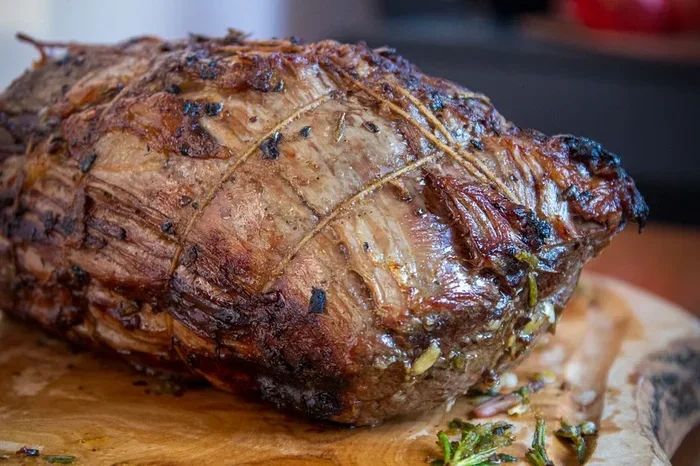
Cooking a chateaubriand roast is easier than you think, and the results are absolutely show-stopping. This guide walks you through every step, from choosing the right cut to serving a juicy, perfectly cooked roast. You will learn the best temperature, timing, and seasoning tips to make this classic beef dish a success every time.
A chateaubriand roast is one of the most elegant and impressive dishes you can serve at a dinner party. It is a thick, center-cut piece of beef tenderloin that cooks evenly and stays incredibly juicy. Whether you are a beginner or a seasoned home cook, learning how to prepare this roast will level up your kitchen skills.
The beauty of a chateaubriand roast lies in its simplicity. You need a good cut of meat, a few seasonings, and an oven. That is it. No fancy equipment. No hard-to-find ingredients. Just a straightforward method that delivers restaurant-quality results right in your own kitchen.
In this guide, we will cover everything you need to know. From picking the perfect cut at the butcher counter to nailing the internal temperature every single time. You will also find tips on seasoning, resting, and serving. By the end, you will feel confident enough to make this dish your go-to for special occasions.
Key Takeaways
- Choose the right cut: A center-cut beef tenderloin is the best choice for an authentic chateaubriand roast.
- Sear first, then roast: Searing locks in juices and creates a beautiful crust on the outside.
- Use a meat thermometer: Aim for 135°F for medium-rare to get the perfect level of doneness.
- Rest the roast: Letting the meat rest for 10-15 minutes keeps it juicy and tender.
- Pair with classic sides: Roasted vegetables, mashed potatoes, and a rich sauce complement the dish beautifully.
- Store leftovers properly: Follow proper storage tips to enjoy your chateaubriand roast for days after.
📑 Table of Contents
- What Is a Chateaubriand Roast?
- How to Choose the Best Chateaubriand Roast
- Essential Tools for Cooking Chateaubriand Roast
- Step-by-Step Recipe for Cooking Chateaubriand Roast
- Best Sauces and Side Dishes to Serve
- Common Mistakes to Avoid When Cooking Chateaubriand Roast
- How to Store Leftover Chateaubriand Roast
- Expert Tips for the Perfect Chateaubriand Roast
- Final Thoughts
What Is a Chateaubriand Roast?
A chateaubriand roast is a classic French dish made from a thick center-cut piece of beef tenderloin. Traditionally, it was served for two people and accompanied by a rich sauce, often made with shallots and herbs. The name comes from the French writer François-René de Chateaubriand, who popularized this method of cooking beef.
What makes this cut special is its tenderness. The beef tenderloin is the most tender part of the animal, and the center cut ensures even cooking throughout. Unlike other beef roasts that can be tricky to prepare, a chateaubriand roast is forgiving and hard to mess up.
The roast is typically trimmed of fat and silver skin before cooking. This gives it a clean, uniform shape that sears beautifully. Most chateaubriand roasts weigh between 1.5 and 2.5 pounds, making them perfect for a dinner party or a special family meal.
How to Choose the Best Chateaubriand Roast
Look for Quality Beef
Start at your local butcher or well-stocked grocery store. Ask for a center-cut beef tenderloin, which is the traditional cut for chateaubriand. The meat should have a bright red color and fine, even marbling throughout. Avoid any cuts that look dull or have brown spots, as these are signs of older meat.
Thickness matters a lot. You want a roast that is at least 3 inches thick. Thinner cuts will overcook easily, while a thicker roast gives you more room for error. A good butcher can trim and tie the roast for you, saving you time and effort.
Budget-Friendly Tips
Beef tenderloin can be pricey, but there are ways to save. Buy the whole tenderloin and ask your butcher to cut the center portion for you. This is often cheaper per pound than buying a pre-cut chateaubriand. You can also freeze what you do not use for another meal.
Another option is to look for sales or buy in bulk when the price drops. Chateaubriand roast ingredients do not need to be expensive to deliver great results. A little planning goes a long way.
Essential Tools for Cooking Chateaubriand Roast
You do not need a lot of equipment to cook a chateaubriand roast. A few basic kitchen tools will get the job done perfectly.
- Cast iron skillet or oven-safe pan: This is essential for searing the roast. Cast iron holds heat well and creates a gorgeous crust.
- Meat thermometer: This is the single most important tool. It removes all the guesswork and ensures your roast is cooked exactly how you like it.
- Aluminum foil: You will need this to rest the roast and keep it warm after cooking.
- Sharp knife and cutting board: For trimming, seasoning, and slicing the roast before serving.
- Oven-safe tongs: These make it easy to handle the hot roast without burning your hands.
If you do not have a meat thermometer, grab one. It is a small investment that changes everything. Cooking beef roast without a thermometer is like driving without a map. You might get there, but it is a lot easier with one.
Step-by-Step Recipe for Cooking Chateaubriand Roast
Step 1: Prep the Meat
Take the roast out of the refrigerator about 30 minutes before cooking. Letting it come to room temperature helps it cook more evenly. Pat the roast dry with paper towels. Moisture on the surface prevents a good sear, so this step is crucial.
Season the roast generously with salt and freshly ground black pepper. You can also add garlic powder, smoked paprika, or dried herbs like thyme and rosemary. Keep it simple. The quality of the beef should shine through.
Step 2: Sear the Roast
Heat a cast iron skillet over medium-high heat. Add a high smoke-point oil like avocado or canola oil. Once the oil is shimmering, place the roast in the pan. Sear each side for about 2 minutes until you get a deep golden-brown crust.
Searing does not cook the roast all the way through. Instead, it locks in juices and builds incredible flavor. Do not skip this step. A good sear makes a noticeable difference in the final result.
If you want to add aromatics, toss in crushed garlic cloves, fresh rosemary sprigs, and butter during the last minute of searing. Baste the roast with the melted butter for extra richness and flavor.
Step 3: Roast in the Oven
Transfer the skillet to a preheated oven set to 425°F. The cooking time depends on the thickness of your roast and your desired level of doneness. Here is a helpful guide:
- Rare (120°F): About 15-18 minutes
- Medium-Rare (130-135°F): About 20-25 minutes
- Medium (140°F): About 25-30 minutes
- Well Done (155°F+): About 30-35 minutes
Medium-rare is the sweet spot for a chateaubriand roast. It keeps the meat pink, juicy, and full of flavor. Use your meat thermometer to check the internal temperature. Insert it into the thickest part of the roast, away from the bone or any fat pockets.
For a perfect chateaubriand roast, pull the meat out of the oven when it is 5 degrees below your target temperature. The roast will continue to cook as it rests, a process called carryover cooking. This is what separates a good roast from a great one.
Step 4: Rest the Roast
This step is non-negotiable. Transfer the roast to a cutting board and tent it loosely with aluminum foil. Let it rest for at least 10 to 15 minutes. During this time, the juices redistribute throughout the meat, making every slice moist and tender.
If you cut into the roast too soon, all those beautiful juices will run out onto the cutting board instead of staying in the meat. Patience here pays off big time.
Best Sauces and Side Dishes to Serve
A chateaubriand roast pairs wonderfully with a variety of sauces and sides. The classic French sauce is made with shallots, Dijon mustard, and heavy cream. It is rich, tangy, and complements the beef perfectly.
Here are some other great options:
- Red wine reduction: Simmer red wine with beef broth, shallots, and a bay leaf until thick and syrupy.
- Béarnaise sauce: A French classic made with butter, egg yolks, tarragon, and white wine vinegar.
- Mushroom sauce: Sauté mushrooms with garlic, then add beef broth and cream for a rich, earthy sauce.
For sides, roasted vegetables, garlic mashed potatoes, and a fresh green salad all work beautifully. The key is to keep the sides simple so they do not overpower the roast. A chateaubriand roast is the star of the plate, and your sides should support it, not compete with it.
Common Mistakes to Avoid When Cooking Chateaubriand Roast
Even experienced cooks make mistakes with this dish. Here are the most common ones and how to avoid them.
Skipping the sear. Some people go straight from seasoning to the oven. This is a missed opportunity. Searing adds a layer of flavor that you simply cannot get any other way. Take the extra five minutes to do it right.
Not using a meat thermometer. Guessing the doneness of a roast leads to overcooked or undercooked meat. A thermometer takes the guesswork out and gives you consistent results every time.
Cutting too soon. We mentioned this in the resting section, but it bears repeating. Resting the roast is just as important as cooking it. Give it the time it needs.
Over-seasoning. A chateaubriand roast is all about the quality of the beef. Keep the seasoning light and let the meat speak for itself. A little salt, pepper, and fresh herbs are all you need.
Cooking from cold. Always let the roast come to room temperature before cooking. A cold roast going into a hot oven cooks unevenly, with the outside overdone and the center still cold.
How to Store Leftover Chateaubriand Roast
If you have leftovers, you are in luck. A chateaubriand roast reheats well and makes excellent sandwiches and salads the next day. Let the roast cool to room temperature, then wrap it tightly in plastic wrap or aluminum foil. Store it in the refrigerator for up to 3 to 4 days.
When you are ready to eat the leftovers, slice the roast and reheat gently in a skillet with a little bit of broth or butter. Low and slow is the way to go. High heat will dry out the meat. For longer storage, you can also freeze sliced roast in an airtight container for up to 3 months.
Proper beef storage is key to enjoying your roast for days after the initial cooking. Wrap it well and always check for signs of spoilage before reheating and eating.
Another great way to use leftover roast is to slice it thin and serve it cold in a French-style beef salad with a simple vinaigrette. It makes a fantastic lunch the next day and reduces food waste at the same time.
Expert Tips for the Perfect Chateaubriand Roast
Here are some pro tips that will take your chateaubriand roast from good to unforgettable:
- Dry brine overnight: Salt the roast the night before and leave it uncovered in the fridge. This draws out moisture, which gets reabsorbed, seasoning the meat deeply and creating a better crust.
- Use compound butter: A garlic and herb butter basted during searing adds incredible richness and flavor.
- Let the pan do the work: Do not move the roast while it sears. Let it sit undisturbed so a proper crust can form.
- Bring the skillet to the oven: Since cast iron holds heat so well, the oven-ready skillet ensures an even transition from stovetop to oven.
- Slice against the grain: When serving, always cut across the muscle fibers. This makes each slice more tender and easier to chew.
If you are new to cooking beef roasts, start with a medium-rare temperature. It is the safest bet for a juicy and flavorful result. As you gain confidence, you can experiment with different levels of doneness and seasoning combinations.
The best chateaubriand roast comes from a combination of good technique and quality ingredients. Do not be afraid to invest in a great piece of beef. It makes all the difference in the world.
Final Thoughts
A chateaubriand roast is a dish that impresses every time. It is elegant, delicious, and surprisingly easy to make. With the right cut, proper seasoning, and a reliable meat thermometer, you can serve a roast that rivals anything from a fine dining restaurant.
Remember to sear, roast, and rest. These three simple steps are the foundation of a perfect roast. Pair it with a great sauce and simple sides, and you have a dinner that your guests will talk about for weeks.
So go ahead and give it a try. A chateaubriand roast might just become your new favorite way to cook beef. It is a dish that rewards patience and attention to detail, and the results are absolutely worth the effort.
Whether you are cooking for a anniversary, a holiday dinner, or just because you deserve something special, this roast delivers. You have got everything you need to make it a success. Now it is time to head to the kitchen and get cooking.
Frequently Asked Questions
What is the best temperature for a chateaubriand roast?
The ideal internal temperature for a chateaubriand roast is 135°F for medium-rare. This gives you a pink, juicy center with a beautifully seared crust. Always use a meat thermometer to check the temperature accurately.
How long does it take to cook a chateaubriand roast?
Cooking time depends on the thickness of the roast and your desired doneness. A 2-pound roast at 425°F typically takes about 20 to 25 minutes for medium-rare. Always rely on the internal temperature rather than time alone.
Can I cook chateaubriand roast in a different pan?
Yes, you can use any oven-safe pan. However, a cast iron skillet is the best choice because it retains heat well and creates an excellent sear. If you do not have cast iron, a stainless steel oven-safe pan works well too.
What is the difference between chateaubriand and beef tenderloin?
A chateaubriand is a specific center-cut portion of the beef tenderloin. The tenderloin is the whole muscle, while the chateaubriand is the thick, center section that is trimmed and tied for even cooking. Both cuts are incredibly tender and flavorful.
How do I reheat leftover chateaubriand roast?
The best way to reheat a chateaubriand roast is to slice it and warm it gently in a skillet over low heat with a little butter or broth. Avoid using high heat, as it will dry out the meat. Reheat slowly and carefully for the best results.
What sauce pairs best with chateaubriand roast?
The classic choice is a sauce made with shallots, Dijon mustard, and heavy cream. Red wine reduction and béarnaise sauce are also excellent options. Choose a sauce that complements the rich, tender flavor of the beef without overpowering it.