
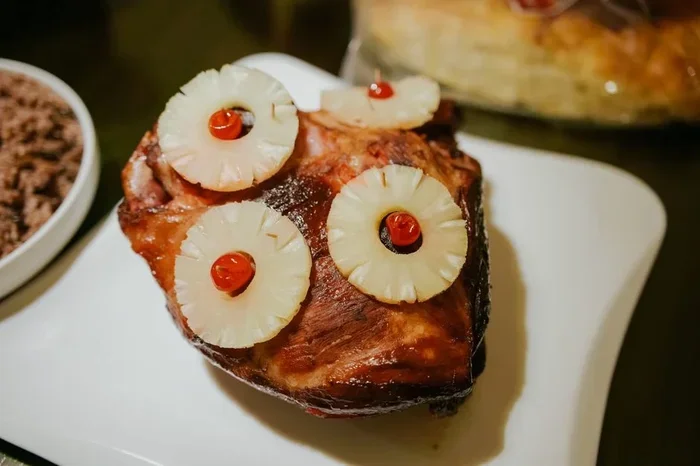
Learning how long to cook a ham is the key to a perfect holiday feast. Whether you have a bone-in ham, a spiral ham, or a whole ham, the right cooking time ensures juicy meat and a beautiful golden crust. This guide covers cooking times, temperatures, and pro tips so your ham turns out delicious every single time.
Cooking a ham for a holiday meal can feel like a big task. You want it to look impressive. You want it to taste amazing. And you want to serve it on time. The most important thing you need to know is how long to cook a ham. Get the time right, and your whole feast comes together perfectly.
A holiday ham is the star of many family dinners. It brings people together. It fills the kitchen with a warm, savory smell. But cooking it the wrong way can lead to dry meat or an undercooked center. That is why understanding cooking times for ham matters so much. This guide walks you through everything step by step.
Key Takeaways
- Plan for 15-20 minutes per pound: This is the general rule for baking a ham at 325°F.
- Use a meat thermometer: The internal temperature should reach 145°F for safety and best flavor.
- Glaze in the last 30 minutes: This prevents burning and gives you a beautiful caramelized finish.
- Rest your ham for 15 minutes: This lets the juices redistribute for a moist, tender result.
- Bone-in hams take longer: They have more flavor but require extra cooking time compared to boneless cuts.
- Cover with foil partway through: This keeps the ham moist and prevents the exterior from drying out.
📑 Table of Contents
- Why Cooking Time Matters for Ham
- Different Types of Ham and Their Cooking Times
- How to Prepare Your Ham Before Cooking
- The Best Oven Temperature for Cooking Ham
- How to Tell When Your Ham Is Done
- Tips for a Perfect Holiday Ham
- Common Mistakes to Avoid When Cooking Ham
- Serving and Storing Your Holiday Ham
- Final Thoughts on How Long to Cook a Ham
Why Cooking Time Matters for Ham
The time you spend cooking your ham directly affects the texture and flavor. Too little time, and the center may not be safe to eat. Too much time, and the meat turns dry and tough. Ham cooking time depends on several factors. These include the type of ham, the size, and the method you use.
When you know how long to cook a ham, you can plan your whole meal. You can time your sides. You can keep everything warm. It takes the stress out of holiday cooking. And it gives you confidence in the kitchen.
The General Rule for Baking Ham
For most hams, the standard rule is 15 to 20 minutes per pound at 325°F. This applies to both bone-in and boneless varieties. A 10-pound ham would need about 2.5 to 3.5 hours. A smaller 5-pound ham might only need 75 minutes to 1.5 hours.
These numbers are starting points. Always check the internal temperature with a meat thermometer. The USDA recommends heating pork to 145°F at the thickest part. Letting the ham rest for 15 minutes after cooking also helps the juices settle in.
Different Types of Ham and Their Cooking Times
Not all hams are the same. The type of ham you buy changes the cooking time and method. Here is a closer look at the most common kinds.
Bone-In Ham
A bone-in ham is often considered the best choice for holiday meals. The bone adds flavor during cooking. It also helps keep the meat moist. Bone-in hams usually take a bit longer to cook because the bone slows heat transfer.
Plan for about 18 to 20 minutes per pound when cooking a bone-in ham. These hams come whole or half. A half ham can serve 8 to 12 people easily. A whole ham feeds a larger crowd and takes more time.
Boneless Ham
A boneless ham cooks faster because heat moves through it more evenly. You can expect about 15 to 18 minutes per pound at 325°F. Boneless hams are easier to slice and serve. They also fit better in smaller ovens.
Some boneless hams come pre-cooked. These only need reheating, not full cooking. Check the label on your ham to see if it is ready-to-eat or needs cooking.
Spiral Ham
A spiral ham is pre-sliced and ready to go. It is very popular for holidays. Most spiral hams are already cooked. You mainly need to heat them through and add a glaze.
For a spiral ham, heat it at 325°F for about 10 to 12 minutes per pound. Do not let it dry out. Cover it with foil and add the glaze in the final 20 minutes of cooking.
How to Prepare Your Ham Before Cooking
Preparation makes a big difference in the final result. Taking a few simple steps before you start cooking saves time and improves flavor.
Score the Ham
Use a sharp knife to cut shallow diamond shapes into the surface of the ham. This helps the glaze soak in. It also creates a beautiful presentation. Score about a quarter inch deep. Do not cut too deep or you will lose juices.
Add Your Glaze Early
Most people add the glaze too late. For the best flavor, apply the first layer of glaze at the start of cooking. Then add more in the last 30 minutes. This gives you layers of sweetness and color. Popular glaze ingredients include brown sugar, honey, mustard, and pineapple juice.
Bring the Ham to Room Temperature
Take your ham out of the fridge about 30 minutes before cooking. This helps it cook more evenly. Cold meat in a hot oven creates uneven results. The outside might overcook while the center stays cold.
The Best Oven Temperature for Cooking Ham
The temperature you use affects both the cooking time and the texture of your ham. 325°F is the recommended temperature for most hams. This lower heat allows the meat to cook slowly and stay juicy.
Some recipes call for a higher temperature at the end to create a crispy glaze. You can increase the heat to 400°F for the last 15 minutes. This gives you a beautiful caramelized top without overcooking the meat.
For comparison, other meats have different temperature needs. For example, how long to cook sausage in oven 400 is much shorter because sausage is thinner and cooks faster. Similarly, how long to cook chicken wings in oven 400 takes about 40 to 45 minutes at that temperature. Ham needs a lower and slower approach for the best results.
If you are cooking other meats alongside your ham, keep in mind that different proteins need different temperatures and times. Understanding each cut’s needs helps you manage a full holiday spread without any stress.
Temperature Guide for Different Ham Sizes
Here is a quick reference for common ham sizes. These times assume a 325°F oven and a bone-in, pre-cooked ham that needs reheating.
- 5-pound ham: About 1 hour 15 minutes to 1 hour 40 minutes
- 7-pound ham: About 1 hour 45 minutes to 2 hours 20 minutes
- 10-pound ham: About 2 hours 30 minutes to 3 hours 20 minutes
- 12-pound ham: About 3 hours to 4 hours
These times include the resting period. Always use a meat thermometer to confirm doneness. The internal temperature should read 145°F in the thickest part.
How to Tell When Your Ham Is Done
Knowing when your ham is ready is just as important as the cooking time. There are several ways to check.
Use a Meat Thermometer
This is the most reliable method. Insert the thermometer into the thickest part of the ham. Avoid touching the bone. The reading should be 145°F for cooked pork. If you prefer your ham well-done, wait until it reaches 160°F.
Check the Juices
Pierce the ham with a fork. The juices should run clear. If they look pink or cloudy, the ham needs more time. This is a simple test that has been used for generations.
Look for a Golden Brown Exterior
A properly cooked ham has a rich, golden-brown color on the outside. The glaze should be bubbly and slightly caramelized. If the outside is still pale, give it more time under the broiler or at a higher heat.
Remember that the ham continues to cook after you take it out of the oven. This is called carryover cooking. The temperature can rise 5 to 10 degrees during resting. Factor this in when you pull the ham out.
Tips for a Perfect Holiday Ham
A few extra tips can take your ham from good to great. These are the small details that make a big difference.
Wrap It in Foil Partway Through
Cover the ham with aluminum foil after the first hour of cooking. This traps moisture and keeps the meat tender. Remove the foil for the last 30 minutes to let the glaze set and the outside crisp up.
Do Not Skip the Resting Time
Let your ham rest for at least 15 minutes before slicing. This allows the juices to redistribute throughout the meat. If you cut too early, the juices run out and the ham dries out faster.
Save the Ham Juice
The pan drippings are liquid gold. Use them to make a simple sauce or gravy. Mix them with a bit of broth and cornstarch for a rich, savory topping that pairs perfectly with the ham.
Consider Your Cooking Method
While baking is the most common method, you can also cook ham in a slow cooker or pressure cooker. Each method changes the time and texture. For oven-baked ham, the tips above work best. But if you are short on oven space, a slow cooker is a great alternative.
When planning your holiday menu, think about how long each dish takes. For instance, how long to cook chicken thighs in pressure cooker is much faster than oven-baked ham. Balancing quick and slow-cooked dishes helps you serve everything at the right time.
Common Mistakes to Avoid When Cooking Ham
Even experienced cooks make mistakes with ham. Here are the most common ones and how to avoid them.
- Not checking the label: Some hams are fully cooked and only need reheating. Others need to be cooked from raw. This changes the time significantly.
- Using too high a temperature: High heat dries out ham fast. Stick to 325°F for most of the cooking process.
- Adding the glaze too early: Sugar burns easily. Add your glaze in the final 20 to 30 minutes only.
- Skipping the thermometer: Eyeing it is not enough. A meat thermometer takes the guesswork out completely.
- Cutting too soon: Resting is essential. Skip it and you lose juicy, flavorful meat.
Avoiding these mistakes puts you ahead of most cooks. Your ham will turn out moist, flavorful, and beautifully glazed every time.
Serving and Storing Your Holiday Ham
Once your ham is cooked and rested, it is time to serve. Slice against the grain for the most tender pieces. Arrange the slices on a platter and spoon any extra glaze on top.
Leftover ham keeps well in the fridge for up to 5 days. You can also freeze it for longer storage. Wrap slices tightly in plastic wrap and foil. Reheat individual slices in the oven or microwave when you are ready to enjoy them again.
Ham also works great in sandwiches, soups, and casseroles the next day. Do not let any leftovers go to waste. A holiday ham gives you delicious meals for days after the big dinner.
Final Thoughts on How Long to Cook a Ham
Cooking a ham for a holiday feast does not have to be stressful. Once you understand how long to cook a ham, you can plan with confidence. Remember the general rule of 15 to 20 minutes per pound at 325°F. Use a meat thermometer to check for 145°F. Let the ham rest before slicing. And add your glaze in the final 30 minutes for the best flavor.
The right preparation and a little patience go a long way. Your ham will be the highlight of the holiday table. Family and friends will ask for seconds. And you will feel proud of the delicious meal you created. So take your time, follow these tips, and enjoy the process of cooking a beautiful holiday ham.
Frequently Asked Questions
How long does it take to cook a 10-pound ham?
A 10-pound ham typically takes about 2.5 to 3.5 hours at 325°F. This estimate is based on 15 to 20 minutes per pound. Always use a meat thermometer to confirm the internal temperature reaches 145°F before serving.
Can you cook a ham at 400°F instead of 325°F?
You can increase the temperature to 400°F for the last 15 minutes to crisp the glaze. However, cooking the entire ham at 400°F risks drying out the meat. Stick to 325°F for the main cooking phase for the best results.
Do you need to cook a fully cooked ham?
A fully cooked ham only needs to be reheated, not cooked from scratch. Reheat it at 325°F for about 10 minutes per pound. The goal is to bring it to 145°F without overcooking and drying out the meat.
How do you keep a ham moist while cooking?
Cover the ham with aluminum foil for most of the cooking time. This traps moisture and prevents the exterior from drying out. Remove the foil for the last 30 minutes to allow the glaze to caramelize properly.
What is the best glaze for a holiday ham?
A classic glaze combines brown sugar, honey, Dijon mustard, and a splash of pineapple juice. You can also add cloves or cinnamon for a warm holiday flavor. Apply the first layer at the start and the second layer in the final 20 minutes of cooking.
How long should you let a ham rest before slicing?
Let your ham rest for at least 15 minutes before slicing. This resting period allows the juices to redistribute throughout the meat. Cutting too soon causes the juices to run out, resulting in drier slices. Cover the ham loosely with foil while it rests to keep it warm.



