
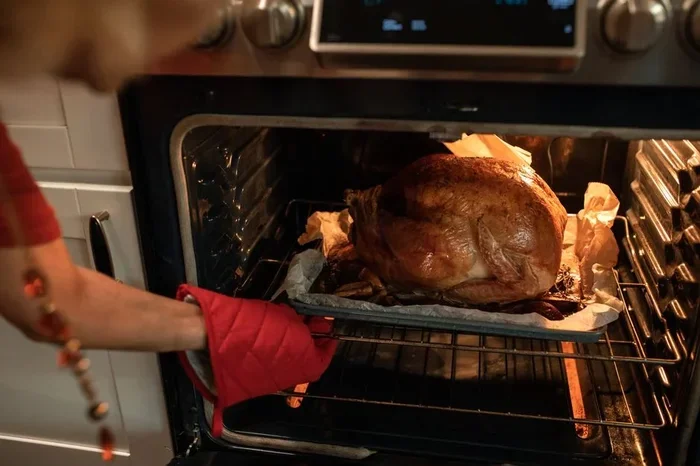
Turkey cooking times and temperatures depend on the cut, size, and method you use. A whole turkey typically roasts at 325°F and takes about 13 to 15 minutes per pound. Using a food thermometer is the best way to ensure your turkey reaches a safe internal temperature of 165°F without drying out.
Cooking a turkey can feel intimidating. Whether you are preparing a holiday centerpiece or a weeknight family dinner, understanding turkey cooking times and temperatures makes all the difference. The good news is that once you know the basics, roasting a turkey becomes simple and even enjoyable.
This guide covers everything you need to know about turkey cooking times and temperatures for every cut and method. You will learn how long to roast a whole bird, what temperature turkey breast and thighs should reach, and how different cooking methods change your timeline. By the end, you will feel confident enough to roast a juicy, golden turkey every single time.
Key Takeaways
- Whole Turkey Roasting: Plan for about 13 to 15 minutes per pound at 325°F for a perfectly cooked bird.
- Safe Internal Temperature: Always cook turkey to 165°F in the thickest part of the breast and thigh.
- Use a Food Thermometer: This is the only reliable way to check doneness and avoid overcooking.
- Resting Matters: Let your turkey rest for 20 to 30 minutes before carving to lock in juices.
- Method Affects Time: Roasting, air frying, and grilling all have different cooking times and temperature needs.
- Stuffed vs. Unstuffed: Stuffed turkeys need extra cooking time and careful temperature monitoring.
📑 Table of Contents
Understanding Turkey Cooking Times and Temperatures
The foundation of a great turkey is knowing your turkey cooking times and temperatures. These two factors work together to ensure the meat is safe to eat, juicy, and full of flavor. Getting either one wrong can lead to dry meat or, worse, undercooked poultry that poses a health risk.
Here are the key numbers to remember. A whole unstuffed turkey roasts at 325°F and needs about 13 to 15 minutes per pound. A stuffed whole turkey needs a bit more time, closer to 15 to 20 minutes per pound. Turkey breast cooks best at 325°F to 350°F and takes about 20 minutes per pound. Turkey thighs and drumsticks are a bit more forgiving and can handle slightly higher heat for crispier skin.
Why Temperature Matters So Much
Turkey is a lean protein, which means it dries out quickly if you overcook it. The ideal turkey cooking times and temperatures balance food safety with moisture retention. The USDA recommends cooking all poultry to an internal temperature of 165°F. However, many chefs pull the turkey off the heat at 160°F to 162°F because carryover cooking will raise the temperature a few more degrees during resting.
Carryover cooking is a simple but powerful concept. When you remove the turkey from the oven, the residual heat continues to cook the meat. This resting period also allows the juices to redistribute, making every slice moist and tender. Skipping the rest is one of the most common mistakes home cooks make.
The Role of Turkey Size
Not all turkeys are created equal. A small turkey under 12 pounds cooks much faster than a large bird over 20 pounds. The shape of the turkey also matters. A Butterball-style Butterball turkey with a uniform shape cooks more evenly than an oddly shaped bird. When buying, check the package weight and adjust your cooking plan accordingly.
If you are unsure about your specific bird, always rely on a meat thermometer rather than the clock. The clock gives you a rough estimate, but the thermometer gives you certainty. This is especially important for turkey cooking times and temperatures because every oven runs slightly differently.
How Long to Cook a Whole Turkey
A whole turkey is the most classic preparation, and getting the turkey cooking times and temperatures right for a full bird requires some planning. Here is a general guide based on weight:
- 8 to 12 pounds: About 2.5 to 3 hours at 325°F
- 12 to 16 pounds: About 3 to 4 hours at 325°F
- 16 to 20 pounds: About 4 to 5 hours at 325°F
- 20 to 24 pounds: About 5 to 6 hours at 325°F
These times assume an unstuffed turkey at room temperature. Always remove the turkey from the refrigerator at least one hour before cooking. A cold bird going into a hot oven will take longer to cook and may cook unevenly.
Stuffed vs. Unstuffed Turkey Cooking Times
Stuffing a turkey adds extra cooking time because the filling needs to reach 165°F as well. If you choose to stuff your bird, add about 30 to 45 minutes to the total cooking time. The stuffing should be hot and steaming when you serve it. Use a thermometer to check the internal temperature of the stuffing in the center of the cavity.
Some cooks prefer to cook the stuffing separately. This approach gives you more control over turkey cooking times and temperatures and reduces the risk of undercooked stuffing. It also frees up oven space and lets the turkey cook more evenly.
Basting and Covering Tips
Basting your turkey every 45 minutes to one hour helps keep the skin moist and promotes even browning. Some cooks cover the turkey with foil for the first part of cooking and then remove it for the last 30 to 45 minutes to crisp up the skin. This method works well for larger birds that need longer roast times.
If you want crispy skin all over, skip the foil entirely. Rub the skin with a thin layer of butter or olive oil before roasting. This simple step makes a big difference in the final texture and flavor of your turkey cooking times and temperatures results.
Turkey Breast vs. Turkey Thighs: Cooking Differences
Not every turkey dish starts with a whole bird. Many cooks prefer to separate the breast from the thighs or cook individual parts. Each cut has its own ideal turkey cooking times and temperatures, and understanding these differences helps you get the best results.
Roasting Turkey Breast
The turkey breast is the leanest part of the bird and the most prone to drying out. A boneless turkey breast typically roasts at 325°F to 350°F and takes about 20 minutes per pound. A bone-in breast takes a bit longer, around 25 minutes per pound.
The target internal temperature for turkey breast is 165°F. Because the breast is so lean, many experienced cooks pull it at 160°F and let carryover cooking finish the job. This prevents the meat from becoming dry and chalky. Always let a turkey breast rest for at least 15 minutes before slicing.
Cooking Turkey Thighs and Drumsticks
Dark meat from the thighs and drumsticks is more forgiving. These cuts have more fat and connective tissue, which keeps them juicy even if you cook them a little longer. Turkey thighs roast well at 375°F to 400°F and take about 35 to 45 minutes depending on size.
The skin on thighs and drumsticks crisps up beautifully at higher temperatures. If you love crispy skin, this is the cut to focus on. The turkey cooking times and temperatures for thighs are more flexible than for breast, making them a great choice for beginner cooks who want less stress.
Comparing Internal Temperatures by Cut
Here is a quick comparison of target temperatures for different turkey cuts:
- Whole turkey (unstuffed): 165°F in the thickest part of the breast and thigh
- Turkey breast: 165°F, pull at 160°F for juicier results
- Turkey thighs: 165°F, can go up to 170°F for fall-off-the-bone tenderness
- Ground turkey: 165°F throughout, no pink remaining
Best Cooking Methods for Turkey
Roasting in the oven is the most traditional method, but it is not the only way to cook a turkey. Different methods change your turkey cooking times and temperatures significantly. Here is a look at the most popular approaches.
Oven Roasting
The oven is the go-to method for most cooks. Set your oven to 325°F and roast the turkey on a rack in a roasting pan. This allows hot air to circulate around the bird evenly. Place the turkey breast-side up and add liquid such as broth or water to the bottom of the pan to keep the drippings from burning.
Oven roasting works well for whole birds and is the most hands-off method. You do not need to flip or rotate the turkey during cooking. Just check the temperature with a probe thermometer after the estimated cooking time is up.
Air Frying
If you have an air fryer or a countertop rotisserie multi cooker, you can roast a smaller turkey in a fraction of the time. Air fryers cook at higher temperatures, usually 350°F to 375°F, and they circulate hot air rapidly around the food.
A 10 to 12 pound turkey in an air fryer takes about 2.5 to 3 hours. The skin gets incredibly crispy, and the meat stays surprisingly juicy. Just make sure your air fryer is large enough to accommodate the bird with some space around it for proper air circulation.
Grilling Turkey
Grilling a turkey is a great option for warm-weather cooking. Indirect heat is the key. Set up your grill with a heat diffuser and maintain a temperature of 325°F to 350°F. A whole turkey on a grill takes about the same time as oven roasting, but you need to monitor the temperature more closely because grills can have hot spots.
Grilling gives the turkey a subtle smoky flavor that is hard to beat. Use a drip pan to catch the juices and prevent flare-ups. This method works especially well for turkey breast halves and smaller cuts.
Slow Cooking and Stovetop Methods
For pulled turkey or turkey curry, a slow cooker or Dutch oven on the stovetop works wonderfully. These methods use lower temperatures and longer cooking times. A slow cooker on low takes about 6 to 8 hours for a whole turkey, while a Dutch oven braise takes about 2.5 to 3 hours at 325°F.
These wet-heat methods are ideal for turkey thighs and drumsticks. The long, slow cooking breaks down the connective tissue and creates incredibly tender meat. When using a large non stick pot on the stovetop, you get easy cleanup and even browning on the sear before braising.
How to Check Turkey Doneness Safely
The number one rule of cooking turkey is to use a food thermometer. Visual cues like golden skin or clear juices are helpful, but they are not 100% reliable. A thermometer takes the guesswork out of turkey cooking times and temperatures and ensures your bird is both safe and delicious.
Where to Insert the Thermometer
Insert the probe into the thickest part of the breast, avoiding bone and fat. For the thigh, push the probe into the innermost part of the thigh, again staying away from bone. The wing joint is another good spot to check.
Take readings from at least two or three spots on the bird. Ovens have hot and cold zones, so the temperature can vary from one side of the turkey to the other. If one spot reads 165°F but another reads 158°F, keep cooking until the lowest reading reaches 165°F.
Using a Timer as a Backup
A timer helps you track the estimated cooking time, but it should never replace a thermometer. Set a timer for the minimum expected time and then begin checking the temperature. This way, you avoid opening the oven too often, which can lower the internal temperature and slow cooking.
Remember that turkey cooking times and temperatures are estimates. Your oven may run 10 to 15 degrees hotter or cooler than what the dial says. An oven thermometer placed inside the oven can help you understand your actual cooking environment and adjust your plan accordingly.
Resting the Turkey
Once the turkey reaches the target temperature, remove it from the oven and let it rest. Tent the bird loosely with foil and wait at least 20 minutes before carving. During this time, the internal temperature will rise by 5 to 10 degrees, and the juices will settle back into the meat.
If you are serving a large crowd and need to keep the turkey warm, you can place it in a low oven set to 200°F. Just make sure the temperature does not rise above 200°F, or you risk drying out the meat. For more tips on keeping your turkey warm, check out our guide on how to keep a turkey warm in the oven.
Tips for Juicy and Flavorful Turkey
Now that you understand turkey cooking times and temperatures, here are some extra tips to take your turkey from good to great. These small details make a big difference in flavor, texture, and overall presentation.
- Brine overnight: A simple saltwater brine keeps the meat moist during cooking. Soak the turkey for 12 to 24 hours before roasting.
- Dry the skin: Pat the turkey completely dry before seasoning. Dry skin browns better and gets crispier in the oven.
- Season generously: Use salt, pepper, garlic, herbs, and butter under the skin and on top. The more flavor you add, the more impressive the result.
- Let it come to room temperature: Taking the turkey out of the fridge 1 to 2 hours before cooking promotes even roasting and reduces overall cook time.
- Use a roasting rack: Elevating the turkey allows air to flow underneath and prevents the bottom from getting soggy.
- Save the drippings: The flavorful drippings at the bottom of the pan make an incredible gravy. Simply deglaze with broth and whisk until smooth.
When it comes to turkey cooking times and temperatures, the best approach combines planning with attention. Know your target numbers, use a thermometer, and trust the process. A little preparation goes a long way toward a stress-free and delicious meal.
Whether you are a first-time turkey cook or a seasoned pro, these guidelines will help you achieve consistent results. Experiment with different methods, find what works best for your kitchen, and enjoy the process. A perfectly cooked turkey is one of the most rewarding things you can make at home.
Conclusion
Mastering turkey cooking times and temperatures is easier than you think. The key is understanding the relationship between time, temperature, and the specific cut you are cooking. A whole unstuffed turkey roasts at 325°F for about 13 to 15 minutes per pound, while breast and thighs have their own ideal timelines and heat settings.
Always use a food thermometer to check that the internal temperature reaches 165°F. Let the turkey rest before carving, and remember that carryover cooking will raise the temperature a few degrees after you pull the bird from the oven. These simple steps ensure a safe, juicy, and flavorful turkey every time.
With the right knowledge and a little practice, you can roast a turkey that impresses everyone at the table. Trust your thermometer, follow the guidelines, and enjoy the process. Great turkey cooking times and temperatures are the foundation of a memorable meal, and now you have everything you need to get it right.
Frequently Asked Questions
What is the safe internal temperature for cooked turkey?
The USDA recommends cooking all parts of the turkey to an internal temperature of 165°F. Use a food thermometer inserted into the thickest part of the breast and thigh to confirm the temperature is safe. Remember that carryover cooking will raise the temperature a few degrees after you remove the turkey from the oven.
How long does it take to cook a 12-pound turkey at 325°F?
A 12-pound unstuffed turkey takes approximately 3 to 4 hours at 325°F. This estimate assumes the turkey is at room temperature before going into the oven. Always check the internal temperature with a thermometer rather than relying solely on the clock.
Should I cook a stuffed or unstuffed turkey for better results?
Unstuffed turkeys cook more evenly and are easier to monitor for food safety. Stuffed turkeys require extra cooking time and careful temperature checks to ensure the filling reaches 165°F. Many cooks prefer to prepare the stuffing separately for more control over turkey cooking times and temperatures and better food safety.
Can I use an air fryer to cook a whole turkey?
Yes, but the turkey must fit inside the air fryer basket with space for air circulation. Air fryers cook at higher temperatures, usually 350°F to 375°F, and reduce cooking time compared to an oven. A 10 to 12 pound turkey in an air fryer takes about 2.5 to 3 hours. For more air fryer options, check out our guide on the best rotisserie multi cookers.
Why is my turkey dry even when I followed the cooking time?
Dry turkey usually results from overcooking or cooking at too high a temperature. The lean breast meat is especially prone to drying out. Using a meat thermometer and pulling the turkey at 160°F to 162°F helps prevent this. Also, always let the turkey rest for at least 20 minutes before carving to retain its juices.
How long should I rest a turkey before carving?
Let the turkey rest for at least 20 to 30 minutes after removing it from the oven. Tent it loosely with foil to keep it warm. This resting period allows the juices to redistribute throughout the meat, making every slice more moist and flavorful. It also gives the internal temperature time to equalize and rise slightly through carryover cooking.
=== INTERNAL LINKS ===
Note: The following internal links are integrated naturally within the article content above.
- how-to-keep-a-turkey-warm-in-the-oven
- best-air-fryer-and-rotisserie-multi-cooker
- best-big-pots-for-cooking-non-stick



