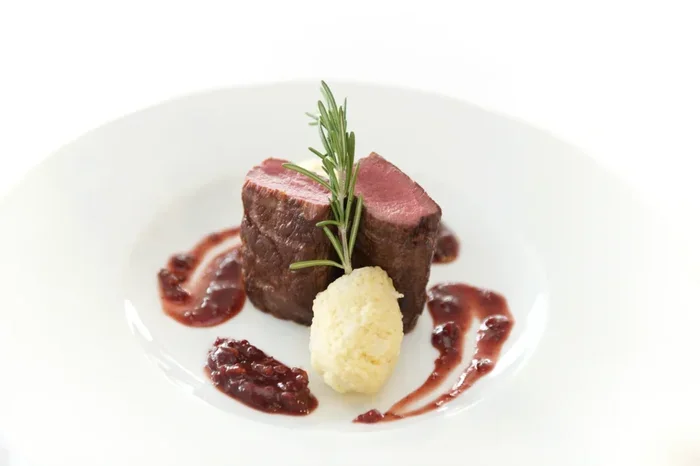
Cooking a perfect filet mignon in oven is easier than you think. This guide walks you through every step, from selecting the best cut to nailing the ideal internal temperature. You will learn how to create a golden crust, a juicy pink center, and restaurant-quality results at home.
There is nothing quite like a perfectly cooked filet mignon. It is tender, juicy, and full of flavor. Yet many home cooks feel intimidated by this premium cut of beef. The good news is that achieving a stunning filet mignon in oven is well within your reach. You do not need a fancy restaurant kitchen or years of experience. With the right approach, you can pull off a juicy steak that rivals any high-end steakhouse.
This guide covers everything you need to know. We will walk you through selecting the perfect cut, seasoning it simply, and cooking it to the exact steak doneness you prefer. Whether you are a beginner or a seasoned home cook, these beef cooking tips will transform your results. Let us get started.
Key Takeaways
- Choose the right cut: Look for well-marbled beef tenderloin that is at least 1.5 inches thick for the best results.
- Sear before baking: A hot skillet creates a flavorful crust that locks in juices and boosts the taste of your oven-baked steak.
- Use a meat thermometer: This is the single most important tool for achieving the perfect steak doneness every single time.
- Rest your steak: Letting the filet mignon rest for 5 to 8 minutes after cooking keeps it juicy and tender.
- Oven temperature matters: A preheated oven at 400°F delivers consistent, even cooking for a perfect pink center.
- Butter basting adds richness: This simple technique elevates the flavor and creates a beautiful finish on your seared filet.
📑 Table of Contents
Why the Oven Method Works for Filet Mignon
You might wonder why we use an oven at all. After all, a cast iron skillet can sear a steak beautifully. The answer lies in even cooking. A thick cut of prime beef needs gentle, consistent heat to cook through without burning the outside. The oven provides that steady warmth.
When you combine a hot sear with oven finishing, you get the best of both worlds. The skillet creates a gorgeous steak crust full of flavor. Then the oven gently brings the center up to your desired steak doneness. This oven-baked steak method is simple, reliable, and almost foolproof.
Compared to grilling, the oven gives you more control. You do not have to worry about flare-ups or uneven heat zones. It is a fantastic dinner recipe for any night of the week. Even on busy evenings, you can have a restaurant-quality meal on the table in under 30 minutes.
Selecting the Best Filet Mignon
The journey to a perfect oven-baked beef dish starts at the butcher counter. Not all filet mignon cuts are created equal. Choosing the right piece makes a huge difference in flavor and texture.
Look for Thickness
Always choose cuts that are at least 1.5 inches thick. Thinner steaks overcook easily in the oven. A thicker cut gives you a wider margin for error. It also allows for a better sear without drying out the center.
Check the Marbling
Marbling refers to the thin streaks of fat running through the meat. More marbling means more flavor and juiciness. Look for a beef tenderloin with fine, even marbling throughout. Avoid cuts that look too lean or dry.
Color and Freshness
A fresh filet mignon should have a bright cherry-red color. Avoid any cuts that appear brown or gray. The meat should feel firm but slightly moist. If buying from a counter, ask your butcher for a fresh cut. They can often recommend the best pieces available.
Seasoning Your Filet Mignon for Maximum Flavor
Great seasoning does not have to be complicated. In fact, simplicity is the key here. The quality of the beef speaks for itself. You just need a few well-chosen ingredients to enhance its natural flavor.
The Simple Seasoning Blend
Start with kosher salt and freshly cracked black pepper. These two staples form the foundation of any great steak seasoning blend. Apply the salt generously at least 40 minutes before cooking. This draws out moisture, which then gets reabsorbed, creating a deeper flavor.
Here is a quick rundown of what to use:
- Kosher salt — about 1 teaspoon per side
- Freshly cracked black pepper — a generous pinch
- Garlic powder — a light dusting for extra depth
- Fresh thyme or rosemary — optional, for an herbaceous touch
Butter Basting for Extra Richness
Once your steak comes out of the oven, a quick butter baste takes it to the next level. Melt a tablespoon of butter in the skillet and spoon it over the steak while it rests. This adds a rich, silky finish that makes every bite incredibly satisfying.
Step-by-Step Guide to Cooking Filet Mignon in Oven
Now for the fun part. Follow these steps closely, and you will nail it every time. This oven-roasted beef method is straightforward and gives you consistent, beautiful results.
Step 1: Bring the Steak to Room Temperature
Take your filet mignon out of the fridge about 30 to 45 minutes before cooking. This lets the meat warm up evenly. A cold steak hitting a hot pan will cook unevenly. The edges might be overdone while the center stays too cold. Pat the steak dry with a paper towel before seasoning.
Step 2: Preheat Your Oven
Set your oven to 400°F. This is the sweet spot for oven temperature for steak. It is hot enough to cook the meat efficiently but not so hot that it dries things out. While the oven heats up, place an oven-safe pan on the stove. A cast iron skillet works best because it retains heat beautifully.
Step 3: Sear the Steak
Add a high-smoke-point oil to the hot skillet. Once the oil shimmers, place the filet mignon in the pan. Do not move it for about 2 to 3 minutes. You want a deep, golden-brown steak crust to form. Then flip and repeat on the other side.
For extra flavor, add crushed garlic cloves and fresh herbs to the pan during the sear. Tilt the skillet slightly and spoon the hot oil over the steak. This simple butter baste technique adds incredible richness.
Step 4: Transfer to the Oven
Once both sides are seared, move the entire skillet into the preheated oven. The cooking time depends on the thickness of your cut and your preferred steak doneness. Here is a helpful reference:
- Rare: 6 to 8 minutes (internal temp 120°F)
- Medium-Rare: 8 to 10 minutes (internal temp 130°F)
- Medium: 10 to 12 minutes (internal temp 140°F)
- Well-Done: 12 to 14 minutes (internal temp 155°F)
Always use a meat thermometer inserted into the thickest part of the steak. This removes all guesswork and ensures perfect results every time.
Step 5: Rest the Steak
This step is non-negotiable. Remove the filet mignon from the oven and let it rest on a warm plate for at least 5 to 8 minutes. During cooking, the juices get pushed toward the center. Resting allows them to redistribute throughout the meat. Skip this step, and your juicy steak will lose its moisture the moment you cut into it.
Common Mistakes to Avoid
Even experienced cooks make mistakes when preparing a filet mignon in oven. Knowing what to avoid saves you from disappointment.
Skipping the sear. Some people go straight from seasoning to the oven. This produces a bland, pale steak without that satisfying crust. Always sear first.
Using a cold pan. Placing your steak in a cold or lukewarm skillet means no proper sear. Your pan must be ripping hot before the meat touches it.
Overcooking the steak. The oven continues to cook the meat slightly even after you pull it out. Remove the filet mignon just a few degrees below your target temperature. The carryover heat will bring it up to perfection.
Cutting too early. We know it is tempting to slice right away. Resist that urge. The resting period is just as important as the cooking itself.
Using the wrong pan. Not every pan is suitable for oven use. Check that your skillet or roasting pan is oven-safe before transferring it from stove to oven. A warped or plastic-handled pan can ruin your dinner and even become a safety hazard.
Serving Suggestions and Pairings
A great filet mignon in oven deserves the right accompaniments. Keep it simple and let the steak shine. Here are a few ideas that pair beautifully with a perfectly cooked cut of oven-baked beef.
A classic red wine reduction sauce adds elegance without fuss. Roasted garlic mashed potatoes make a comforting side that soaks up every drop of juice. For something lighter, try a fresh arugula salad with lemon vinaigrette. The peppery bite of the greens balances the richness of the steak perfectly.
If you enjoy exploring different cooking methods, you might also enjoy learning how to broil a hamburger in oven for another delicious beef dish. For side dishes, check out how to dehydrate vegetables in the oven for crispy, healthy snacks that complement any steak dinner.
The beauty of a great steak dinner is its simplicity. You do not need a dozen side dishes to impress. A perfectly cooked filet mignon with a glass of red wine and a simple green salad is a dinner to remember.
Final Thoughts
Cooking a perfect filet mignon in oven is a skill anyone can learn. It all comes down to choosing a great cut, seasoning it well, and following a few simple steps. Sear it hot, bake it at the right temperature, and give it time to rest. Use a meat thermometer and trust the process.
The next time you crave a restaurant-quality meal, skip the drive. Fire up your oven and create something extraordinary in your own kitchen. With practice, you will nail the perfect juicy steak every single time. Your family and guests will never know it was homemade.
Frequently Asked Questions
What is the best oven temperature for cooking filet mignon?
The ideal oven temperature for steak is 400°F. This temperature cooks the meat evenly and efficiently without drying it out. It works perfectly for achieving a medium-rare steak or any other level of steak doneness you prefer.
How long should I cook a 2-inch filet mignon in the oven?
A 2-inch thick filet mignon typically needs about 8 to 12 minutes in a 400°F oven. The exact time depends on your preferred level of doneness. Always use a meat thermometer to check the internal temperature for the most accurate results.
Do I need to sear filet mignon before putting it in the oven?
Yes, searing is highly recommended. A hot sear creates a flavorful steak crust that enhances the overall taste and appearance. This two-step method of searing and then oven-finishing is the best way to achieve a perfect oven-baked steak at home.
How long should I rest my filet mignon after cooking?
Let your steak rest for at least 5 to 8 minutes after removing it from the oven. This allows the juices to redistribute throughout the meat, resulting in a more juicy steak with better texture and flavor. Cutting too early releases those precious juices onto the plate instead of keeping them in the meat.
Can I use a regular baking pan instead of a cast iron skillet?
Yes, you can use any oven-safe pan for this method. However, a cast iron skillet is preferred because it retains heat better and creates a superior sear. If you do not have cast iron, a stainless steel or heavy-duty metal pan works well too.
What is the best way to season filet mignon for oven cooking?
Keep it simple with kosher salt, black pepper, and optional garlic powder. A light dusting of dried herbs like thyme or rosemary also works well. The key is to let the quality of the beef tenderloin shine through without overwhelming it with too many spices.