
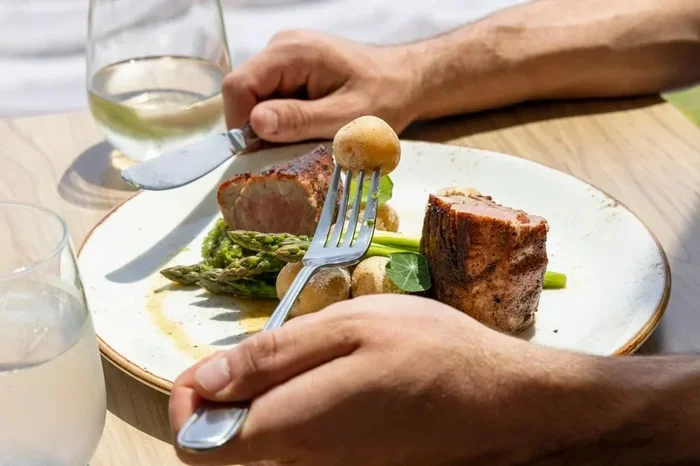
This best pork tenderloin recipe gives you a juicy, perfectly cooked center with a golden crispy crust. It uses simple ingredients, a quick marinade, and a foolproof oven method that anyone can master. Whether you are a weeknight cook or hosting guests, this pork tenderloin recipe will become your go-to dinner staple. You will learn pro tips for searing, resting, and slicing to keep every bite moist and tender.
There is something magical about a perfectly cooked pork tenderloin. It is lean, elegant, and surprisingly forgiving once you know a few simple tricks. Many home cooks avoid pork tenderloin because they fear it will turn out dry or bland. That worry ends here. This best pork tenderloin recipe walks you through every step with clarity and confidence.
Pork tenderloin is one of the most versatile cuts you can keep in your freezer. It cooks fast, absorbs marinades beautifully, and pairs with nearly any flavor profile. Whether you prefer garlic and herb, spicy smoked paprika, or a sweet maple glaze, this cut adapts to your style. I have made this pork tenderloin recipe dozens of times, and it has never once let me down.
If you love pork but want to try something different, check out our 17 Fast Fry Pork Chop Recipe for more quick and delicious pork ideas.
## Why This Pork Tenderloin Recipe Works
### The Science Behind a Perfect Pork Tenderloin
Understanding why this pork tenderloin recipe works helps you troubleshoot if anything goes sideways. Pork tenderloin is a long, thin muscle from the pig’s back. It stays tender because it does very little work during the animal’s life. Unlike shoulder or butt cuts, tenderloin has almost no connective tissue.
This means it cooks quickly and can dry out fast if you are not careful. The key is balancing heat. A hot sear locks in moisture, while a gentle oven finish cooks the center evenly. Resting the meat after cooking is non-negotiable. It lets the juices redistribute throughout the fillet.
### What Makes This Recipe Stand Out
Most pork tenderloin recipes rely on complicated techniques or hard-to-find ingredients. This one keeps things simple. You need a handful of seasonings, a hot pan, and about 25 minutes of total time. The marinade adds depth without requiring hours of prep.
The flavor profile is bold but balanced. Garlic, fresh rosemary, and a touch of lemon zest create a fragrant crust. The inside stays moist and delicate. It is the kind of dish that makes people ask, “Wait, you made this?”
## Ingredients You Will Need
### Core Ingredients for the Best Results
Using quality ingredients makes a real difference in this pork tenderloin recipe. You do not need anything fancy, but freshness matters. Here is what you need:
- Pork tenderloin: One whole tenderloin, about 1 to 1.5 pounds, trimmed of silver skin.
- Garlic: Fresh cloves, minced. Garlic powder works in a pinch but fresh is far better.
- Fresh rosemary: One sprig, finely chopped. Dried rosemary works but use less.
- Olive oil: Good quality extra virgin for the marinade and searing.
- Lemon zest: Adds brightness and cuts through the richness of the pork.
- Salt and black pepper: Generous amounts for proper seasoning.
- Smoked paprika: A half teaspoon adds warmth and a subtle smoky depth.
### Optional Flavor Boosters
Feel free to customize your pork tenderloin with these extras. They take the dish from great to unforgettable.
- Honey or maple syrup: A drizzle in the marinade creates a subtle caramelized glaze.
- Dijon mustard: Whisked into the marinade for a tangy, creamy kick.
- Cracked fennel seeds: Adds an aromatic, slightly sweet note that pairs beautifully with pork.
- Crushed red pepper flakes: For those who like a gentle heat in their pork tenderloin dinner.
## Step-by-Step Instructions
### Step 1: Prep the Tenderloin
Start by removing the silver skin from the pork tenderloin. This thin, silvery membrane can make the meat chewy if left on. Use a sharp knife to slide under it and pull it off in one piece. Pat the tenderloin completely dry with paper towels. Dry meat sears better, which is the first secret to a great crust.
### Step 2: Make the Marinade
In a small bowl, whisk together olive oil, minced garlic, chopped rosemary, lemon zest, smoked paprika, salt, and pepper. Mix until you have a fragrant paste. Place the tenderloin in a zip-lock bag or shallow dish and pour the marinade over it. Massage it gently into all sides. Let it rest for at least 15 minutes at room temperature, or up to overnight in the fridge.
### Step 3: Sear for a Golden Crust
Heat a cast iron skillet or carbon steel skillet over medium-high heat. Add a tablespoon of olive oil and let it shimmer. Place the tenderloin in the pan and do not touch it for 2 to 3 minutes. You want a deep golden-brown crust to form. Flip and sear the other side for another 2 minutes.
### Step 4: Finish in the Oven
Transfer the skillet to a preheated oven at 400°F. Roast for 12 to 15 minutes, or until a meat thermometer reads 145°F in the thickest part. This is the USDA recommended safe temperature for pork. Every oven runs a little differently, so start checking at 12 minutes.
### Step 5: Rest and Slice
Remove the pork from the oven and let it rest on a cutting board for 5 to 7 minutes. This step is critical. Cutting too soon releases all those juices onto the board instead of keeping them in the meat. After resting, slice into 1-inch medallions and serve immediately.
## Cooking Tips for Perfect Pork Tenderloin Every Time
### Get the Temperature Right
Temperature control is the single most important factor in this pork tenderloin recipe. A meat thermometer is your best friend. Without one, you are guessing, and guessing leads to dry pork. The target internal temperature is 145°F followed by a 3-minute rest. This gives you safe, juicy pork with a slight pink center that is perfectly fine to eat.
### Do Not Skip the Sear
Searing is not just about looks. The Maillard reaction creates hundreds of complex flavor compounds on the surface of the meat. A good sear gives your pork tenderloin that deep, savory crust that makes every bite satisfying. Make sure your pan is truly hot before adding the meat.
### Resting Is Not Optional
Many home cooks skip the resting step because they are hungry. Resist that urge. Resting allows the muscle fibers to relax and reabsorb moisture. If you cut into the pork right out of the oven, the juices run freely and the meat dries out faster. Five to seven minutes makes a noticeable difference.
### Slice Against the Grain
Pork tenderloin has a subtle grain direction. Look for the lines of muscle fiber and cut perpendicular to them. This shortens the fibers and makes each slice more tender and easier to chew. Even a perfectly cooked tenderloin can feel tough if you slice with the grain.
## Serving Suggestions and Pairings
### Best Side Dishes for Pork Tenderloin
This pork tenderloin recipe pairs wonderfully with a variety of sides. Here are some of my favorite combinations:
- Roasted garlic mashed potatoes: Creamy and rich, they balance the lean pork beautifully.
- Sautéed green beans with lemon: A bright, light side that keeps the meal fresh and balanced.
- Crispy roasted potatoes: Toss baby potatoes in olive oil, salt, and rosemary, then roast alongside the pork.
- Simple mixed green salad: Arugula with a lemon vinaigrette cuts through the richness perfectly.
- Grilled asparagus: Quick, easy, and full of flavor that complements the pork.
### Wine Pairings That Shine
A good wine elevates any pork dish. For this pork tenderloin recipe, look for medium-bodied reds or crisp whites.
- Pinot Noir: A classic pairing with pork. Its light body and bright acidity complement the herbs without overpowering.
- Chardonnay: A lightly oaked Chardonnay adds buttery richness that mirrors the seared crust.
- Sauvignon Blanc: For a white wine option, its herbal notes echo the rosemary in the dish.
## Meal Prep and Leftovers
### Make Ahead Marinade
One of the best things about this pork tenderloin recipe is that you can prep the marinade days in advance. Mix all the marinade ingredients in a jar and store it in the fridge. When you are ready to cook, just pull out the tenderloin, coat it, and go. This makes weeknight dinners effortless.
### What to Do with Leftovers
Leftover pork tenderloin is incredibly versatile. Slice it cold for sandwiches or chop it into a salad. Reheat slices gently in a skillet with a splash of broth to keep them moist. You can also dice leftover pork and toss it into pasta, stir-fry, or a breakfast hash. For more creative ideas, check out our 20 Leftover Pork Chop Recipe Ideas for inspiration on repurposing leftover pork.
### Freezing Tips
Cooked pork tenderloin freezes well for up to 3 months. Slice it before freezing so you can thaw only what you need. Wrap individual portions tightly in plastic wrap and place them in a freezer-safe bag. Thaw overnight in the refrigerator and reheat gently in a covered skillet over low heat.
## Common Mistakes to Avoid
### Overcooking the Tenderloin
The most common mistake with pork tenderloin is cooking it too long. Because it is lean, it goes from perfectly juicy to dry and stringy in a matter of minutes. Always use a meat thermometer. Pull the pork at 140°F and let carryover cooking bring it up to 145°F during resting.
### Skipping the Dry-Pat Step
Wet meat steams instead of sears. If you skip patting the tenderloin dry, you will get a pale, soft exterior instead of that beautiful golden crust. Take the extra 30 seconds to blot the meat thoroughly before seasoning and searing.
### Cutting Too Thick or Too Thin
If your tenderloin is very thick, you may need to adjust your oven time. Conversely, a very thin tenderloin can overcook quickly. Look for one that is relatively uniform in thickness for the most even cooking. You can also butterfly a thick tenderloin to create an even profile.
### Not Letting the Meat Come to Room Temperature
Cold meat from the fridge cooks unevenly. The outside overcooks while the center stays raw. Let your seasoned tenderloin sit at room temperature for 15 to 20 minutes before searing. This small step leads to much more consistent results.
## Expert Insights: Elevate Your Pork Tenderloin Game
### Try a Dry Brine for Extra Juiciness
Professional cooks often use a dry brine technique. Simply salt the tenderloin generously and let it rest uncovered in the fridge for a few hours or overnight. The salt draws out moisture, dissolves into it, and then gets reabsorbed. This seasons the meat deeply and improves its ability to retain moisture during cooking.
### Use a Cast Iron Skillet for the Best Sear
Not all pans are created equal when it comes to searing. Cast iron and carbon steel retain heat exceptionally well, which means they deliver a more intense sear. If you do not have one yet, consider investing in a quality skillet. It will transform your pork tenderloin and countless other dishes.
### Finish with a Compound Butter
For an extra touch of luxury, make a compound butter to melt over your sliced pork. Mix softened butter with minced herbs, a squeeze of lemon, and a pinch of garlic. Place a small dollop on each hot slice and watch it melt into a glossy, flavorful sauce.
## Frequently Asked Questions
How long does it take to cook pork tenderloin in the oven?
At 400°F, a 1 to 1.5 pound pork tenderloin takes about 12 to 15 minutes in the oven after searing. Total cook time including the sear is around 20 to 25 minutes. Always use a meat thermometer to check for doneness at 145°F internal temperature.
Can I cook pork tenderloin on the stovetop only?
Yes, you can cook it entirely on the stovetop over medium heat. Just keep it covered and cook gently, turning occasionally. It will take longer, around 20 to 25 minutes, but the results are still delicious. Just monitor the internal temperature closely.
What is the best way to tenderize pork tenderloin?
Pork tenderloin is already naturally tender. The best way to keep it that way is to avoid overcooking and to let it rest properly after cooking. A simple marinade with acid like lemon juice or vinegar can also help break down surface fibers for extra tenderness.
How do I know when pork tenderloin is done?
The only reliable way is with a meat thermometer. Insert it into the thickest part of the tenderloin. When it reads 145°F, it is done and safe to eat. The meat should still be slightly pink in the center, which is perfectly fine and actually preferred for juiciness.
Can I use frozen pork tenderloin for this recipe?
It is best to thaw the tenderloin completely before cooking. Thaw it overnight in the refrigerator for the safest results. Cooking from frozen leads to uneven cooking, with the outside overcooking before the center thaws. If you must cook from frozen, add extra time and use a thermometer carefully.
What spices work best with pork tenderloin?
Garlic, rosemary, smoked paprika, thyme, and fennel seeds all pair wonderfully with pork. For a sweeter profile, try cumin and cinnamon. For something bold, go with chili powder and cumin. The pork tenderloin recipe above uses a classic herb-garlic combination that works for almost any occasion.
Key Takeaways
- Simple Ingredients: A few pantry staples create big flavor in this pork tenderloin recipe.
- Perfect Temperature: Cooking to the right internal temp ensures juicy results every single time.
- Versatile Marinade: Customize herbs and spices to match your taste or the season.
- Easy to Scale: This recipe works beautifully for two or for a crowd with minimal extra effort.
- Meal Prep Friendly: Cook once and repurpose leftovers into delicious next-day meals.
- Restaurant-Quality at Home: The searing and resting technique rivals any fine dining experience.
Frequently Asked Questions
What is best pork tenderloin recipe?
best pork tenderloin recipe is an important topic with many practical applications.



