
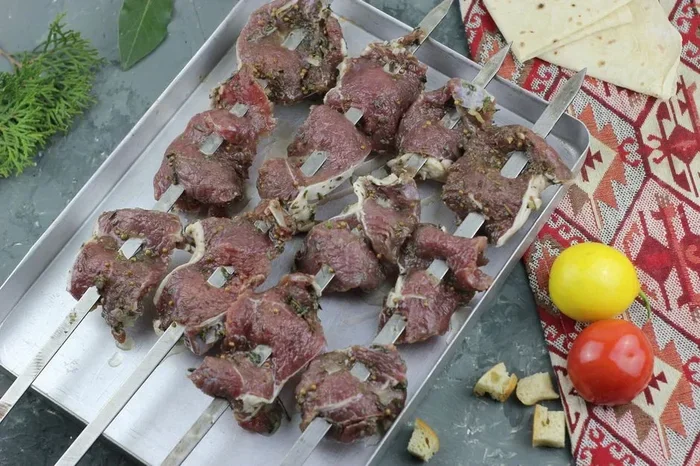
Yes, you can marinate beef overnight, and it is one of the best ways to get deeply flavored, tender meat. Marinating beef for 8 to 12 hours allows the acids, enzymes, and seasonings to penetrate the fibers and break down tough muscle tissue. However, there are a few important rules to follow, especially around food safety and the type of marinade you use. This guide covers everything you need to know about marinating beef overnight the right way.
There is something magical about pulling a piece of beef out of the fridge in the morning and finding it tender, juicy, and packed with flavor. Marinating beef overnight is one of the simplest tricks you can learn in the kitchen. Whether you are planning to grill, roast, or slow cook, a good marinade transforms ordinary beef into something extraordinary.
But can you really leave beef in a marinade all night? Is it safe? Does longer always mean better? These are questions many home cooks ask, and the answers are not always obvious. In this guide, we will walk you through everything you need to know about overnight marination, from food safety rules to the best beef marinade recipes you can try tonight.
The goal here is simple. You want to walk away with confidence and a clear plan. No guesswork. No stress. Just great-tasting beef that your family will love.
Key Takeaways
- Overnight marination works well: 8 to 12 hours is the sweet spot for most beef cuts, delivering deep flavor and improved tenderness.
- Always marinate in the refrigerator: Room temperature marination creates a serious food safety risk and should never be done.
- Acid content matters: Too much acid for too long can make the surface mushy, so balance citrus, vinegar, and yogurt carefully.
- Not all beef cuts need overnight marination: Tender cuts like filet mignon only need 30 minutes to 2 hours, while tougher cuts benefit most from long soak times.
- You can freeze beef in marinade: Freezing with marinade actually enhances flavor penetration when you thaw and cook it later.
- Discard used marinade: Never reuse marinade that touched raw beef unless you boil it first for at least 5 minutes.
- Pat dry before cooking: Removing excess marinade helps achieve a better sear and caramelization on the surface.
📑 Table of Contents
- What Happens When You Marinate Beef Overnight
- Is It Safe to Marinate Beef Overnight?
- Best Cuts of Beef for Overnight Marination
- How Long Should You Marinate Beef Overnight?
- Quick Tips for the Best Overnight Marinade
- How to Cook Beef After Overnight Marination
- Expert Insights on Overnight Marination
- How to Store Marinated Beef Safely
- Conclusion
What Happens When You Marinate Beef Overnight
Understanding the science behind marination helps you make better choices. When you soak beef in a mixture of acid, oil, salt, and seasonings, several things happen at the molecular level.
The Role of Acid in Your Marinade
Acids like lemon juice, vinegar, and wine are the workhorses of most beef marinade recipes. They break down the proteins on the surface of the meat. This loosens the muscle fibers and allows flavors to sink deeper into the beef. Over a period of 8 to 12 hours, this process softens tough cuts and makes them much more enjoyable to eat.
However, there is a tipping point. If you leave beef in a highly acidic marinade for too long, the surface can become mushy and mealy. This is why timing matters so much, even when you are marinating beef in the fridge overnight.
How Salt and Enzymes Help
Salt plays a dual role. It seasons the meat and also helps break down muscle proteins. This is the same reason why a dry brine works so well. When you combine salt with an acidic liquid, you get a powerful tenderizing effect that works throughout the night.
Some marinades also use natural enzymes from fruits like pineapple, papaya, and kiwi. These enzymes are aggressive tenderizers. They work fast, which means you should limit their contact time. Even a few hours can be enough for a pineapple-based beef tenderizer marinade.
Oil and Flavor Carriers
Oil does not tenderize beef, but it plays a vital role. It carries fat-soluble flavor compounds deep into the meat. Olive oil, sesame oil, and butter-based marinades all rely on this principle. The oil also helps prevent the beef from sticking during cooking and promotes even browning.
Is It Safe to Marinate Beef Overnight?
This is the most important question, and the answer is yes, with one critical condition. You must marinate beef in the refrigerator at all times. The danger zone for bacterial growth is between 40°F and 140°F. Leaving beef on the counter to marinate overnight is never a good idea.
Food Safety Rules for Overnight Marination
Follow these simple rules every time you marinate beef overnight:
- Always use the refrigerator. Set your fridge to 40°F or below and keep the beef there the entire time.
- Use a sealed container. A zip-lock bag, a lidded bowl, or a vacuum-sealed bag works best. This prevents cross-contamination with other foods.
- Place the container on the bottom shelf. This stops any juices from dripping onto other items in your fridge.
- Do not reuse raw marinade. If you plan to use the liquid as a sauce, set some aside before adding the raw beef. Any marinade that has touched raw meat must be boiled for at least 5 minutes before reuse.
- Check the cut size. Thinner cuts absorb marinade faster and can become over-tenderized. Thick roasts handle overnight soaking much better.
When you follow these guidelines, overnight marination is perfectly safe and highly effective. The refrigerator keeps the beef at a steady, cool temperature while the flavors develop slowly and evenly.
Best Cuts of Beef for Overnight Marination
Not every cut of beef needs an overnight soak. Understanding which cuts benefit most helps you save time and get better results.
Tough Cuts That Love Long Marinades
Tough cuts with lots of connective tissue are the best candidates for overnight marination. These include:
- Chuck roast: Great for braising and slow cooking. An overnight marinade breaks down the collagen and makes the meat fall apart tender.
- Brisket: A long soak in a soy sauce and spice blend creates incredible depth of flavor before you smoke or braise it.
- Flank steak: This lean cut benefits enormously from an overnight marinade. It becomes more tender and takes on a rich, smoky flavor.
- Round steak: Often overlooked, but an overnight soak transforms this budget cut into something delicious.
- Short ribs: The fat and connective tissue in short ribs absorb marinades beautifully over 8 to 12 hours.
Tender Cuts That Need Less Time
Premium tender cuts do not need a long marinade. In fact, too much time in an acidic marinade can damage their delicate texture. For these cuts, 30 minutes to 2 hours is usually plenty:
- Filet mignon: A light herb and oil marinade for just one hour is enough.
- Ribeye: The marbling does the work. A short seasoning rest is all you need.
- Strip steak: Simple salt and pepper before cooking often outperforms a long marinade.
If you want to make your marinating beef in the fridge work for a specific cut, match the time to the toughness of the meat. Tough cuts get the full night. Tender cuts get a quick dip.
How Long Should You Marinate Beef Overnight?
The ideal window for marinate beef overnight is between 8 and 12 hours. This gives the marinade enough time to penetrate deeply without breaking down the meat’s structure too much.
Here is a quick reference guide:
| Beef Cut | Minimum Time | Ideal Overnight Time | Maximum Safe Time |
|---|---|---|---|
| Tough cuts (chuck, brisket, round) | 4 hours | 8-12 hours | 24 hours |
| Flank steak | 2 hours | 8 hours | 12 hours |
| Tender cuts (filet, ribeye, strip) | 30 minutes | 1-2 hours | 4 hours |
| Ground beef patties | 15 minutes | 30 minutes | 2 hours |
If you accidentally leave the beef in the marinade for more than 24 hours, it is still safe to cook as long as it stayed refrigerated. However, the texture may suffer. The acid will have broken down too much of the protein structure, leaving the surface soft and unpleasant.
Quick Tips for the Best Overnight Marinade
Getting great results every time comes down to a few simple habits. Here are tips that experienced cooks swear by:
- Score the meat before marinating. Use a sharp knife to make shallow cuts across the surface. This creates channels for the marinade to seep deeper into the beef.
- Use room temperature marinade. Cold marinade from the fridge takes longer to penetrate the meat. Let it sit out for 10 minutes before pouring it over the beef, then return everything to the fridge.
- Add a small amount of sugar. Sugar helps with caramelization during cooking. A tablespoon of brown sugar or honey in your beef marinade recipe can make a noticeable difference.
- Turn the bag or rotate the container once. This ensures even coating and prevents one side from absorbing too much acid.
- Pat the beef dry before cooking. Excess surface moisture creates steam instead of a sear. A quick pat with paper towels gives you a beautiful brown crust.
- Reserve some fresh marinade for basting. If you want to use the marinade as a cooking liquid or glaze, set a portion aside before the beef goes in.
Common Mistakes to Avoid
Even experienced cooks sometimes make these errors. Avoid them and your overnight marination results will improve dramatically:
- Using too much acid. A marinade that is half vinegar or lemon juice will break down the meat too aggressively. Keep acid to about one-third of your total marinade volume.
- Marinating at room temperature. This is a food safety hazard. Always marinate in the refrigerator, no exceptions.
- Over-marinating tender cuts. A filet mignon does not need 12 hours in a citrus marinade. Keep it short and gentle.
- Reusing marinade without boiling. Raw beef juices in the marinade contain harmful bacteria. Boil it thoroughly if you want to use it as a sauce.
- Skipping the salt. Salt is essential for flavor penetration. A marinade without salt is just a flavored liquid sitting on top of the meat.
How to Cook Beef After Overnight Marination
Once your beef has soaked in the marinade all night, the next step is cooking. The method you choose affects the final result significantly.
Grilling Marinated Beef
Grilling is one of the most popular ways to cook marinated beef. Preheat your grill to high heat. Remove the beef from the marinade, pat it dry, and place it on the hot grate. The sugars in the marinade will caramelize quickly, creating a flavorful crust. Cook to your preferred doneness and let the meat rest for 5 minutes before slicing.
Slow Cooking and Crockpot Methods
Slow cookers are perfect for beef that has been marinated overnight. The long, gentle heat allows the flavors to deepen even further. You can pour the leftover marinade into the slow cooker as a base for the cooking liquid. For best results with a crockpot beef roast, brown the marinated beef first on the stovetop, then transfer it to the slow cooker with the remaining marinade and aromatics.
If you want to make your marinating beef overnight effort really pay off, try a slow-cooked roast that comes out juicy and tender every single time. The overnight soak gives you a head start on flavor that no short cook can match.
Pan-Searing and Oven Roasting
For a thicker cut like a chuck roast or short ribs, sear the marinated beef in a hot skillet first. This builds fond on the bottom of the pan. Then transfer the skillet to a 300°F oven and let it cook low and slow until the meat is fork-tender.
Making beef stew meat tender on the stove follows a similar principle. After an overnight marinade, a long, gentle simmer on the stovetop breaks down the remaining connective tissue and produces rich, flavorful results.
Expert Insights on Overnight Marination
Professional chefs and food scientists agree on a few key points about marinate beef overnight techniques:
Chef Maria Santos, a culinary instructor with over 15 years of experience, says: “The overnight soak is your secret weapon. It does the work while you sleep. I always tell my students to plan their marinades the night before, not the morning of. That small change in timing makes a huge difference in flavor.”
Food scientist Dr. James Chen adds that the refrigerator temperature is non-negotiable. “The cold environment slows bacterial growth while still allowing enzymatic and acid-driven tenderization to proceed at a controlled rate. It is the safest and most effective approach.”
Both experts emphasize that quality ingredients in the marinade matter as much as the timing. Use fresh herbs, good-quality oils, and real acids like citrus juice or vinegar. Avoid bottled marinades with artificial preservatives if you want the best flavor profile.
How to Store Marinated Beef Safely
If you marinate beef overnight but do not plan to cook it right away, proper storage is essential. Raw marinated beef can stay in the refrigerator safely for up to 2 days. Beyond that, you should either cook it or freeze it.
For longer storage, freezing marinated beef is an excellent option. Place the sealed bag or container in the freezer. The marinade actually helps protect the meat from freezer burn. When you are ready to cook, thaw the beef in the refrigerator overnight and proceed with your recipe.
For more detailed guidance on keeping your beef fresh, check out our guide on how to store beef properly. It covers refrigeration and freezing timelines for all types of beef cuts.
Conclusion
Marinating beef overnight is one of the easiest and most rewarding techniques you can add to your cooking routine. It takes just a few minutes of prep the night before, and the results are worth every second. The beef comes out more tender, more flavorful, and more impressive than anything you could achieve with a quick 30-minute soak.
Remember the key rules. Always marinate in the refrigerator. Match the marination time to the toughness of the cut. Use a balanced marinade with acid, oil, salt, and seasonings. And never reuse raw marinade without boiling it first.
With these tips in hand, you can confidently walk into your kitchen tonight and start a marinade that will pay off tomorrow. Whether you are grilling a flank steak, slow-cooking a chuck roast, or making a rich beef stew, overnight marination gives you a head start on flavor that makes every bite better.
Try it this week. Pick your favorite beef marinade recipe, let it work its magic overnight, and taste the difference. Once you make it a habit, you will never go back to short marination times again.
Frequently Asked Questions
Can you marinate beef overnight in soy sauce?
Yes, soy sauce is one of the most popular bases for overnight beef marinades. It provides salt, umami, and deep savory flavor. Combine soy sauce with garlic, ginger, and a small amount of acid like rice vinegar for the best results. Just make sure the beef stays in the refrigerator the entire time.
Is 12 hours too long to marinate beef?
For most tough cuts, 12 hours is actually the sweet spot. Tender cuts like filet or ribeye can become mushy if left in an acidic marinade for that long. Always match the marination time to the cut of beef you are using.
Can you marinate beef overnight in buttermilk?
Buttermilk is a fantastic option for overnight marination. The lactic acid in buttermilk tenderizes beef gently without making it mushy. This method works especially well for tougher cuts and is a favorite for Southern-style beef dishes.
What is the best beef marinade for overnight soaking?
A good overnight marinade combines an acid (like lemon juice or vinegar), an oil, salt, and bold seasonings like garlic, onion powder, and herbs. For Asian-style flavor, try soy sauce, sesame oil, ginger, and a touch of honey. The best marinade is one that balances all these elements to complement the beef.
Can you cook beef straight from the marinade?
Yes, you can cook beef directly from the marinade. Just pat it dry with paper towels before cooking to remove excess surface liquid. This helps you achieve a better sear and prevents steaming. If you want to use the marinade as a sauce, boil it for at least 5 minutes first to kill any bacteria from the raw beef.
Does marinating beef overnight make it more tender?
Yes, overnight marination does make beef more tender, especially for tougher cuts. The acids, salt, and enzymes in the marinade break down muscle fibers and connective tissue over time. For the best tenderness, pair overnight marination with proper cooking methods like slow roasting or braising.



