
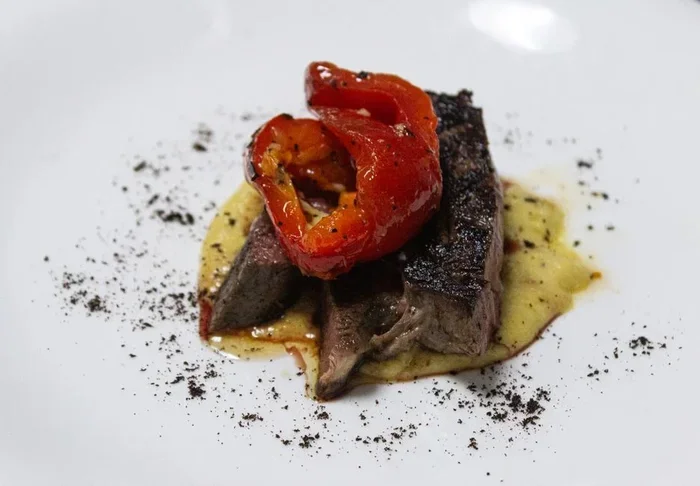
A filet mignon temperature chart PDF is the easiest way to cook the perfect steak every single time. Whether you like your steak rare, medium, or well done, knowing the exact internal temperature makes all the difference. This guide breaks down the chart, explains each doneness level, and gives you practical tips you can use right away. You will learn how to use a steak thermometer, when to pull your steak off the heat, and how to rest it properly. Grab your free PDF and start cooking restaurant-quality filet mignon at home today.
Key Takeaways
- Use a meat thermometer: The only reliable way to hit your target internal steak temperature is with a good instant-read thermometer.
- Know your doneness levels: Each level has a specific temperature range, from rare at 120°F to well done at 160°F.
- Rest your steak: Letting your filet mignon rest for 5 to 8 minutes keeps the juices locked in.
- Download the PDF: A printable filet mignon temperature chart PDF makes it easy to keep the guide handy in your kitchen.
- Avoid common mistakes: Cutting into the steak too early or skipping the rest step are the top errors home cooks make.
- Pair with the right tools: A sharp knife and proper kitchen setup elevate your steak game significantly.
📑 Table of Contents
Why Temperature Matters So Much for Filet Mignon
Filet mignon is one of the most tender cuts of beef you can buy. But tenderness alone does not make a great steak. The real magic happens when you hit the right internal steak temperature. Too hot, and the meat turns dry and tough. Too cool, and it may not be safe or enjoyable to eat.
Understanding steak doneness levels is the foundation of great cooking. A medium rare filet mignon has a beautiful pink center with a buttery texture. A well done steak looks gray all the way through and often lacks juiciness. The difference between these two outcomes comes down to one thing: temperature control.
When you use a filet mignon temperature chart PDF, you remove the guesswork entirely. You know exactly what temperature to aim for. This simple tool turns even a beginner into a confident home chef. You will never second-guess yourself again when that timer goes off.
There is also a food safety angle to consider. The USDA steak guidelines recommend cooking beef to at least 145°F for whole cuts. But many steak lovers prefer their steak below that threshold for better flavor and texture. Knowing your risk tolerance and preferred level of doneness helps you make informed decisions every time you cook.
The Science Behind Steak Temperatures
Heat changes the proteins in beef. At lower temperatures, the muscle fibers stay soft and juicy. As the temperature rises, the proteins tighten and squeeze out moisture. This is why a rare steak feels moist and a well done steak feels dry. The meat temperature guide you use should reflect this science.
A good steak thermometer gives you a precise reading in seconds. Digital instant-read thermometers are affordable and accurate. They take the uncertainty out of cooking and let you focus on the fun parts, like choosing a great cast iron steak method or perfecting your reverse sear method.
Filet Mignon Temperature Chart PDF Explained
A filet mignon temperature chart PDF is a simple reference guide that shows the recommended internal temperatures for each level of doneness. Most charts list temperatures in Fahrenheit and sometimes Celsius. They also include visual cues, like the color of the center and the feel of the meat when pressed.
These charts are incredibly useful because they give you a clear target. Instead of guessing or cutting into the steak to check, you simply insert a thermometer and compare the reading to the chart. It is fast, reliable, and foolproof.
What a Typical Temperature Chart Includes
Most meat temperature guides cover the following levels of doneness:
- Rare: 120°F to 125°F. The center is bright red and very soft.
- Medium Rare: 130°F to 135°F. The center is warm and pink. This is the most popular choice for filet mignon.
- Medium: 140°F to 145°F. The center is pink with a hint of gray.
- Medium Well: 150°F to 155°F. Very little pink remains. The steak feels firm.
- Well Done: 160°F and above. No pink at all. The steak is cooked through completely.
Each level has a distinct flavor and texture profile. Many steak enthusiasts swear by medium rare filet mignon because it balances juiciness with a rich beef flavor. But personal preference always wins. The chart simply gives you the options.
How to Print and Use Your PDF Chart
Once you download the filet mignon temperature chart PDF, print it on cardstock or laminate it. This way, it survives splatters and spills in a busy kitchen. Place it near your grill or stovetop so you can check it quickly while cooking.
You can also save the PDF on your phone or tablet. This is handy when you are cooking outdoors or in a kitchen without much counter space. Having the chart accessible at all times means you always have your perfect steak temperature targets right at your fingertips.
Best Methods for Cooking Filet Mignon
Now that you understand the temperature chart, let us talk about how to actually cook the steak. There are several methods that work beautifully for filet mignon. Each one gives you slightly different results, and you may find that you prefer one over the others.
Pan-Searing on the Stovetop
Pan-searing is the most popular method for cooking filet mignon at home. You need a hot skillet, preferably cast iron, and a little oil with a high smoke point. Heat the pan until it is smoking hot, then add the steak. Sear each side for about 2 to 3 minutes until you form a beautiful brown crust.
After searing, you can finish the steak in a 400°F oven for a few minutes to reach your target internal steak temperature. This method gives you a great sear filet mignon crust while keeping the inside perfectly pink.
The Reverse Sear Method
The reverse sear method is a favorite among steak lovers who want precise temperature control. You start by cooking the steak low and slow in the oven at around 250°F. You cook it until the internal temperature is about 10 to 15 degrees below your target. Then you sear it on a hot skillet or grill for about 1 minute per side.
This method produces an incredibly even doneness from edge to center. It is especially great for thicker cuts of filet mignon. The filet mignon temperature chart PDF becomes even more useful here because you are monitoring the temperature closely throughout the process.
Grilling Your Filet Mignon
Grilling adds a smoky flavor that is hard to beat. Preheat your grill to high heat. Sear the steak over direct flame for 2 to 3 minutes per side. Then move it to a cooler part of the grill to finish cooking. Use your thermometer to check the steak doneness levels as you go.
Grilling works well when you pair it with a reliable thermometer. The open flame and varying heat zones make temperature control tricky without one. A quick read from a steak thermometer takes all the stress out of grilling.
Tools You Need for Perfect Steak Every Time
Cooking a great filet mignon does not require a fancy kitchen. But a few key tools make a big difference. Here is what you should have ready before you start:
- Instant-read meat thermometer: This is the single most important tool. It takes the guesswork out of cooking and ensures your steak hits the exact perfect steak temperature you want.
- Cast iron skillet: Cast iron holds heat beautifully and creates an even, deep sear on the outside of the steak.
- Sharp carving knife: A dull knife tears the meat instead of slicing it cleanly. If your blade needs attention, consider learning how to sharpen a filet knife to keep your cuts precise and smooth.
- Tongs: Use tongs to flip the steak. Forks pierce the meat and let juices escape.
- Cutting board: A sturdy board protects your counters and gives you a stable surface for resting and slicing.
Having the right setup in your kitchen sets you up for success. Even something as simple as having a reliable best cold and room temperature water dispenser nearby helps with cleaning up and keeping your workspace tidy while you cook.
Quick Tips for Using Your Thermometer
- Insert the thermometer into the thickest part of the steak.
- Avoid touching the bone or the pan surface with the probe.
- Wait for the reading to stabilize before recording the temperature.
- Check the temperature from multiple spots for the most accurate reading.
- Calibrate your thermometer regularly to ensure accuracy.
Common Mistakes That Ruin Filet Mignon
Even experienced cooks sometimes make mistakes when preparing filet mignon. Knowing what to avoid saves you from serving a disappointing steak. Here are the most common errors and how to fix them.
Skipping the Rest Time
One of the biggest mistakes is cutting into the steak immediately after cooking. When you do this, all those delicious juices run out onto the cutting board instead of staying in the meat. Let your filet mignon rest for at least 5 to 8 minutes after cooking. This allows the juices to redistribute evenly throughout the steak.
During resting, the internal temperature continues to rise slightly. This is called carryover cooking. If you pull the steak at 130°F for medium rare, it may reach 135°F while resting. Factor this into your steak cooking times and temperature planning.
Not Bringing the Steak to Room Temperature
Cooking a cold steak straight from the fridge leads to uneven cooking. The outside overcooks while the center stays too cold. Take your filet mignon out of the refrigerator about 30 minutes before cooking. This small step makes a surprisingly big difference in the final result.
Using Too Much Heat
While high heat is great for searing, keeping it on full blast the entire time will burn the outside and leave the inside undercooked. Start hot, then reduce the heat or move the steak to a cooler zone to finish cooking gently.
Ignoring the Thickness of the Cut
Not all filet mignon steaks are the same thickness. A thin cut cooks much faster than a thick one. Adjust your cooking time based on how thick the steak is. Thicker cuts benefit greatly from the reverse sear method because it gives you more control over the gradual temperature rise.
Storing and Reheating Leftover Steak
Sometimes you cook more steak than you can eat in one sitting. That is perfectly fine. Leftover filet mignon tastes great the next day when stored and reheated properly.
Let the steak cool to room temperature first. Then wrap it tightly in best high temperature plastic wrap for cooking or store it in an airtight container. Refrigerate within two hours of cooking. Properly stored leftover steak keeps well for up to 3 days in the fridge.
To reheat, use a low oven temperature around 250°F. Place the steak on a wire rack and warm it gently until it reaches about 110°F to 115°F internally. Then give it a quick sear in a hot skillet for 30 seconds per side to restore the crust. This method keeps the steak moist and flavorful instead of drying it out in the microwave.
Conclusion
A filet mignon temperature chart PDF is one of the simplest and most effective tools you can add to your kitchen. It takes the mystery out of cooking steak and gives you the confidence to try new methods and explore different steak doneness levels. Whether you prefer a juicy rare steak or a more cooked well done steak, the chart puts you in control.
Pair your temperature chart with a reliable thermometer, a hot skillet, and a little patience. Avoid the common mistakes that trip up most home cooks. Rest your steak properly, slice against the grain, and serve it with your favorite sides. With practice, you will cook filet mignon that rivals any restaurant steak on the market.
Start by downloading your filet mignon temperature chart PDF today. Print it, save it to your phone, and keep it where you cook. You will wonder how you ever cooked steak without it. Your next filet mignon will be the best one yet.
Frequently Asked Questions
What is the best temperature for filet mignon?
The best temperature depends on your preference. Most steak lovers choose medium rare, which is 130°F to 135°F. This gives you a warm pink center with a tender, juicy texture. If you prefer your steak more cooked, medium at 140°F to 145°F is the next most popular choice.
How do I know when my filet mignon is done without cutting into it?
The best way is to use an instant-read steak thermometer. Insert it into the thickest part of the steak and compare the reading to your filet mignon temperature chart PDF. This method is far more accurate than pressing the meat or cutting into it, both of which release valuable juices.
Can I use the temperature chart for other types of steak?
Yes, absolutely. While the chart is designed for filet mignon, the temperature ranges apply to most beef steaks. Ribeye, strip steak, and sirloin all follow similar steak doneness levels. The only difference is cooking time, which varies based on thickness and cut.
How long should I rest my filet mignon after cooking?
Rest your steak for at least 5 to 8 minutes after cooking. For thicker cuts, you may want to rest it for up to 10 minutes. During this time, the juices redistribute throughout the meat, making each bite more flavorful and moist. Use this time to prepare your sides.
Is it safe to eat steak that is pink in the middle?
For whole cuts of beef like filet mignon, a pink center is generally safe when the external surface has been properly seared. The USDA steak guidelines recommend 145°F for whole cuts, but many chefs consider 130°F to 135°F safe for fresh, properly handled beef. Use a thermometer to ensure accuracy and always source quality meat from trusted suppliers.
Where can I find a free filet mignon temperature chart PDF?
Many cooking websites and steak enthusiast blogs offer free downloadable filet mignon temperature chart PDF files. Look for charts from reputable sources that include both temperature ranges and visual cues. Save the PDF to your phone or print it out so you always have it handy when you are cooking steak.
=== CONCLUSION ===
Cooking the perfect filet mignon is easier than you think when you have the right tools and knowledge. A filet mignon temperature chart PDF gives you a clear roadmap to steak success every time you step into the kitchen. Combine it with a good thermometer, proper resting time, and one of the cooking methods we covered, and you will serve steaks that impress everyone at the table.
Do not let uncertainty hold you back from cooking restaurant-quality steak at home. Download your chart, bookmark this guide, and start experimenting with different steak doneness levels and cooking techniques. The more you practice, the more intuitive it becomes. Before long, you will not even need the chart because the perfect temperature will feel second nature to you.



