

Does coffee cause diarrhea? For many people, the answer is yes, especially when consumed on an empty stomach or in large amounts. Caffeine and natural acids in coffee can speed up bowel movements and irritate the digestive tract. Understanding how your body reacts helps you enjoy coffee without uncomfortable side effects.
This is a comprehensive guide about Does Coffee Cause Diarrhea.

Visual guide about coffee cup on table
Image source: static.vecteezy.com

Visual guide about coffee cup on table
Image source: c8.alamy.com
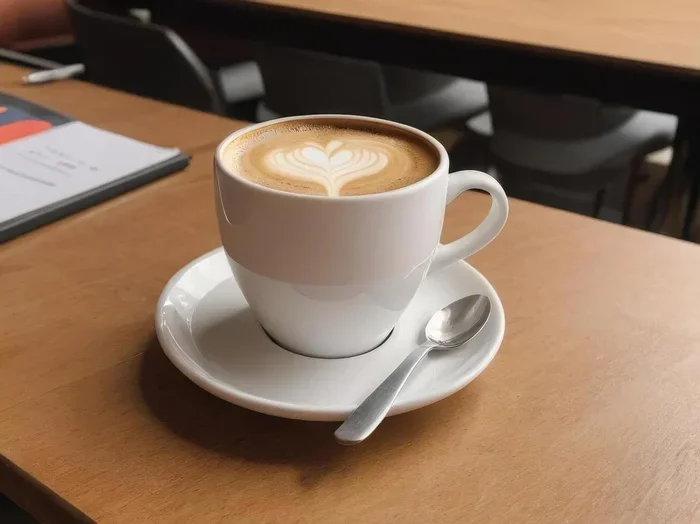
Visual guide about coffee cup on table
Image source: static.vecteezy.com
Key Takeaways
- Caffeine stimulates digestion: Coffee triggers colonic contractions that can lead to loose stools or diarrhea in sensitive individuals.
- Acidity plays a role: Natural acids in coffee may irritate the stomach lining and speed up digestion.
- Empty stomach worsens effects: Drinking coffee first thing in the morning often triggers a stronger bowel response.
- Additives matter: Milk, cream, sweeteners, and artificial ingredients can cause digestive upset independently of coffee itself.
- Brew method changes results: Cold brew and low-acid roasts tend to be gentler on the stomach than hot, dark, or highly extracted brews.
- Moderation helps: Reducing portion size, switching beans, or timing your intake can prevent coffee-related diarrhea.
- Underlying conditions count: IBS, lactose intolerance, and caffeine sensitivity make some people more prone to digestive reactions.
[FEATURED_IMAGE_PLACEHOLDER]
Many people start their day with a hot cup of coffee. It wakes up the mind and gets the body moving. But for some, that morning ritual comes with an unpleasant surprise. Does coffee cause diarrhea? The short answer is that it can, especially if you drink it fast, on an empty stomach, or in large amounts. Coffee affects the digestive system in several ways, and those effects are not the same for everyone.
If you have ever rushed to the bathroom after a cup of joe, you are not alone. Coffee can stimulate the colon, increase stomach acid, and speed up digestion. Add milk, sweeteners, or a sensitive gut, and the reaction can become even stronger. The good news is that small changes often make a big difference. This guide explains why coffee can trigger loose stools, who is most likely to notice the effect, and what you can do about it.
Does Coffee Cause Diarrhea? Understanding the Connection
Coffee is more than just a tasty drink. It contains caffeine, acids, oils, and compounds that interact with your digestive tract. When you drink it, several things can happen at once. Caffeine can stimulate muscle contractions in the colon. Acids can increase stomach activity. Warm liquid can also encourage movement through the gut. Together, these effects may push food through too quickly for some people.
The question does coffee cause diarrhea usually depends on three factors: your body, your brew, and your habits. Some people tolerate coffee without any trouble. Others notice loose stools, cramping, or urgency after even a small cup. If you already have a sensitive stomach or a condition like irritable bowel syndrome, coffee may be a stronger trigger. The same is true if you drink coffee with dairy or certain sweeteners.
How Caffeine Affects the Digestive Tract
Caffeine is a natural stimulant. It wakes up the brain, but it also wakes up the gut. Research suggests caffeine can increase colonic motor activity, which means the colon may contract more often or more strongly after a cup of coffee. For some people, that extra activity is helpful. For others, it moves stool through too quickly and leads to diarrhea.
Caffeine can also relax the lower esophageal sphincter, which may allow stomach acid to move upward. That does not directly cause diarrhea, but it can create overall digestive discomfort. If your stomach already feels irritated, the added stimulation may make things worse. People who are sensitive to caffeine often notice a stronger effect from the same amount of coffee that others drink comfortably.
Acidity and Stomach Irritation
Coffee contains natural acids, including chlorogenic acids and other compounds formed during roasting and brewing. These acids give coffee its bright flavor, but they can also irritate the stomach lining in sensitive people. When the stomach feels irritated, it may empty faster or produce more acid, which can change how food moves through the digestive system.
Dark roasts are often thought of as harsher, but the relationship between roast and acidity is not simple. Some people find darker roasts easier to digest because certain compounds change during longer roasting. Others do better with low-acid beans or gentler brewing methods. If coffee seems to upset your stomach, the acid content may be part of the reason.
Why Coffee Can Trigger Loose Stools
There is no single reason why coffee causes diarrhea for some people. More often, it is a combination of effects. Caffeine stimulates movement. Acids can irritate. Warm liquid can encourage motility. Additives can create extra trouble. When these factors stack up, the result may be urgent, loose, or frequent bowel movements.
Another factor is habit. If you drink coffee at the same time every morning, your body may begin to expect it. The gastrocolic reflex, which is the natural signal that helps the colon respond after eating or drinking, can become conditioned. That means the smell, taste, or routine of coffee alone may prompt a bowel movement. For some people, this reflex is mild. For others, it feels sudden and strong.
The Role of Additives and Sweeteners
Sometimes the problem is not the coffee itself. Milk, cream, flavored syrups, sugar, and sugar-free sweeteners can all affect digestion. If you are lactose intolerant, regular milk or cream can cause gas, bloating, and diarrhea. Some artificial sweeteners, especially sugar alcohols, can have a laxative effect when consumed in larger amounts. Even a small amount may matter if your gut is sensitive.
If you notice trouble after flavored lattes or sweetened cold brews, consider simplifying your drink. Black coffee, or coffee with a small amount of a tolerated milk alternative, may be easier on the stomach. If you suspect an additive is the culprit, try changing one ingredient at a time so you can spot the cause.
Empty Stomach vs. After Food
Drinking coffee on an empty stomach often creates a stronger reaction. Without food to buffer the drink, acids and caffeine come into direct contact with the stomach lining. That can lead to faster gastric emptying and a more noticeable urge to use the bathroom. Many people who experience coffee-related diarrhea notice it most in the morning before breakfast.
Eating something first can help. Even a small snack may slow absorption and reduce irritation. If you prefer coffee before food, try smaller sips, a lower-caffeine brew, or a gentler roast. The goal is not to give up coffee entirely. It is to find a routine that your digestive system can handle more comfortably.
Who Is Most Likely to Experience Coffee-Related Diarrhea
Not everyone reacts the same way. Some people can drink several cups a day with no issue. Others feel the effect after one cup. A few common factors make coffee-related diarrhea more likely.
- Caffeine sensitivity: If you feel jittery or anxious after caffeine, your gut may also react more strongly.
- Irritable bowel syndrome: People with IBS often have a more sensitive gut and may notice coffee as a clear trigger.
- Lactose intolerance: If dairy bothers you, coffee drinks with milk or cream can cause diarrhea unrelated to caffeine.
- Acid sensitivity: Some people tolerate acidic foods and drinks poorly and may react to coffee more strongly.
- High intake: Larger servings and multiple cups increase the total caffeine and acid load your body must handle.
- Morning routine: Drinking coffee immediately upon waking, especially before food, may intensify the bowel response.
If you fall into one or more of these groups, coffee may still be fine in smaller amounts or in a different form. The key is to notice patterns. A simple food and symptom log can help you see whether coffee, additives, timing, or portion size is causing the problem.
How to Enjoy Coffee Without Digestive Upset
If you love coffee but dislike the aftermath, there are several practical steps you can try. Small adjustments often help a lot. You do not need to stop drinking coffee unless your doctor recommends it for a specific condition.
Choose a Gentler Brew
Brew method matters. Cold brew is often smoother and may be less irritating for some people because it extracts differently than hot brewing. Lower-temperature brewing can reduce certain compounds that feel harsh on the stomach. A coarser grind and a slower extraction can also produce a softer cup.
If you prefer hot coffee, try adjusting the strength. A very strong brew may deliver more caffeine and more extracted compounds in a single cup. Diluting the coffee slightly or using a smaller serving can reduce the impact. If you enjoy espresso, remember that small volumes can still be concentrated. A shorter shot or a smaller drink may help.
Adjust the Roast and Bean
Different beans and roasts can taste and feel different in the body. Some people find low-acid coffee easier to tolerate. Others do better with a medium roast rather than a very dark or very light one. There is no universal best choice, because each gut is different. If you suspect roast or bean type matters, try a few small changes and compare how you feel.
Freshness can matter too. Stale coffee may taste flat, but the bigger issue is usually flavor rather than digestion. Still, good-quality beans brewed properly often produce a cleaner cup that is easier to enjoy without discomfort.
Watch the Add-Ins
If dairy bothers you, try lactose-free milk, a plant-based alternative, or black coffee. If sweeteners seem to trigger symptoms, cut back on sugar or try a different option. Be especially careful with sugar alcohols and large amounts of artificial sweeteners, since they can draw water into the gut and cause loose stools in some people.
You can also try reducing flavored syrups and heavy creamers. A simpler drink gives you a better chance to identify what your body tolerates. If you discover that black coffee is fine but a latte causes trouble, the issue may be the milk rather than the coffee itself.
Time It Better
Timing can make a surprising difference. Drinking coffee after a meal or with a small snack may reduce stomach irritation. If you usually drink coffee the moment you wake up, try waiting a bit. Even ten to fifteen minutes can change how your body responds. Some people also do better when they hydrate first, since water helps the digestive system wake up more gradually.
If morning coffee is a problem, you might also experiment with a smaller cup. A modest serving may give you the energy and flavor you want without the strong bowel response. The goal is to find a balance that works for your routine and your stomach.
Manage Caffeine Intake
Caffeine is a major factor for many people. If you drink a lot of coffee, consider reducing the total amount gradually. You can also alternate regular coffee with decaf. Decaf still contains some caffeine, but far less than regular coffee. For some people, that lower amount is enough to reduce digestive stimulation while preserving the ritual and flavor they enjoy.
If you are very sensitive, you may want to track your total caffeine from all sources, including tea, soda, energy drinks, and chocolate. The combined effect can matter more than the coffee alone.
Common Mistakes That Make Coffee Gut Issues Worse
When people struggle with coffee and diarrhea, they often make a few repeated mistakes. Avoiding these can help you figure out the real cause faster.
- Drinking too much too fast: Large servings deliver more caffeine and more irritation at once.
- Ignoring additives: Milk, cream, syrups, and sweeteners can be the real trigger.
- Assuming all coffee is the same: Brew method, bean type, roast, and strength can all change the effect.
- Relying on coffee on an empty stomach: This can increase irritation for sensitive people.
- Changing too many things at once: If you switch beans, milk, brew method, and timing all in one day, it becomes hard to know what helped.
- Overlooking other triggers: Stress, hydration, other foods, and underlying digestive issues can also cause diarrhea.
A better approach is to change one thing at a time. That way, you can see what actually improves your symptoms. If coffee still causes problems after reasonable adjustments, it may be worth speaking with a healthcare professional, especially if the issue is frequent or severe.
Expert Insights: When Coffee Is a Problem and When It Is Not
Coffee is not automatically bad for digestion. For many people, it is simply a pleasant drink that does not cause trouble. The issue usually appears when several factors line up: caffeine sensitivity, acid irritation, large servings, additives, or an already sensitive gut. If your reaction is mild and occasional, simple changes may solve it. If the reaction is strong, repeated, or accompanied by pain, weight loss, or other concerning symptoms, it is wise to get medical advice.
It also helps to remember that bowel habits vary widely. Some people naturally have more active digestion in the morning. Coffee may simply be one part of a routine that includes waking, hydration, food, and movement. If you remove coffee and still have diarrhea, the cause may be something else. That is why a careful look at your full routine can be more useful than blaming coffee alone.
If you want a gentler morning routine, think about the whole picture. Hydration, food timing, stress, sleep, and beverage choice all matter. A smaller, simpler, and less irritating coffee habit may be enough to keep the joy of coffee without the rush to the bathroom.
Key Takeaways for Coffee Lovers
If you are wondering does coffee cause diarrhea, the answer is that it can, but it does not have to. Coffee affects the gut through caffeine, acids, warmth, and routine. Additives and timing can make the effect stronger. The good news is that most people can make a few changes and still enjoy their drink.
- Start with a smaller cup and see how your body responds.
- Try black coffee or a tolerated milk alternative if dairy or sweeteners seem to cause trouble.
- Experiment with cold brew, low-acid beans, or a different roast if acidity feels like the issue.
- Avoid drinking large amounts on an empty stomach if that pattern causes symptoms.
- Track what you drink, what you add, and when you drink it so you can spot the real trigger.
- Reduce total caffeine gradually if sensitivity seems to be the main problem.
- Seek medical guidance if diarrhea is persistent, severe, or comes with other worrying symptoms.
Coffee should be enjoyable, not stressful. With a little experimentation, you can often find a version and routine that fits your body better. That may mean a smaller morning cup, a different brew, or a simple change in what you add. Once you understand what triggers your symptoms, you can make coffee work for you instead of against you.
What can I do if coffee gives me diarrhea every morning?
Does decaf coffee still cause diarrhea?
Is cold brew easier on the stomach than hot coffee?
Can milk or sweeteners in coffee cause diarrhea instead of the coffee itself?
Why does coffee make me need to use the bathroom so quickly?
When should I see a doctor about coffee-related diarrhea?
What can I do if coffee gives me diarrhea every morning?
Try drinking a smaller cup, waiting until after a small snack, and cutting back on milk or sweeteners. If the problem continues, experiment with cold brew or a lower-acid bean.
Does decaf coffee still cause diarrhea?
It can, but usually less often than regular coffee because decaf contains far less caffeine. Some people still react to the acids or the routine of drinking coffee, so it is worth testing in small amounts.
Is cold brew easier on the stomach than hot coffee?
Many people find cold brew smoother because it is extracted at a lower temperature and can taste less sharp. That does not guarantee it will suit everyone, but it is a useful option to try if hot coffee feels harsh.
Can milk or sweeteners in coffee cause diarrhea instead of the coffee itself?
Yes. Lactose intolerance, sugar alcohols, and certain artificial sweeteners can cause loose stools or bloating. If black coffee feels fine but a latte does not, the add-ins may be the real issue.
Why does coffee make me need to use the bathroom so quickly?
Coffee can stimulate colonic activity and trigger the gastrocolic reflex, which encourages the colon to move after drinking. Warm liquid, caffeine, and morning timing can all make that response feel fast and strong.
When should I see a doctor about coffee-related diarrhea?
If diarrhea is frequent, severe, lasts a long time, or comes with pain, weight loss, blood, or dehydration, it is smart to get medical advice. A doctor can help rule out other causes and suggest a plan that fits your health needs.
Frequently Asked Questions
What is Does Coffee Cause Diarrhea?
Does Coffee Cause Diarrhea is an important topic with many practical applications.



