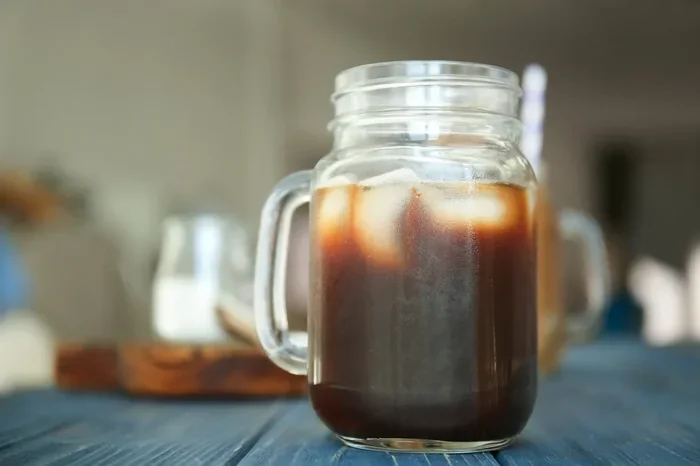
Brewed coffee lasts 3 to 4 days in the fridge, but whole beans and ground coffee stay fresh for months when stored properly. Cold temperatures slow down flavor loss and keep your morning cup tasting smooth. Always use airtight containers and avoid moisture to prevent stale or off flavors. You will learn exactly what to expect, how to spot spoilage, and the best ways to store every type of coffee at home.
You just poured a big pot of coffee. You know you will not finish it all. You want to save it for later. The fridge seems like the obvious choice. But does it actually work? The short answer is yes, but only for a short window. How long will coffee last in the fridge depends on what you are storing. Brewed coffee behaves very differently from beans or grounds. Temperature, moisture, and air all play a role. In this guide, you will learn the exact timelines, the best storage methods, and how to keep your coffee tasting fresh.
Most people think the fridge is a magic vault for food. It slows down spoilage. That is true. But coffee is sensitive. It picks up smells. It loses flavor fast. It can turn sour or flat if you are not careful. You do not need fancy equipment. You just need the right container and a few simple habits. Once you understand the basics, you can save money, reduce waste, and still enjoy a great cup tomorrow.
Key Takeaways
- Brewed coffee lasts 3 to 4 days in the fridge. Keep it in a sealed container and reheat gently for the best taste.
- Whole bean coffee stays fresh for 1 to 2 months in the fridge. Store it in an opaque, airtight container away from moisture and strong odors.
- Ground coffee lasts about 1 to 2 weeks in the fridge. The increased surface area speeds up flavor loss and odor absorption.
- Cold brew concentrate lasts up to 2 weeks in the fridge. Dilute it before drinking and keep it tightly sealed to maintain flavor.
- Coffee absorbs fridge odors quickly. Use glass or heavy plastic containers with tight lids to protect the flavor.
- Freezing beats refrigerating for long-term storage. Portion beans or grounds into freezer bags and thaw only what you need.
- Watch for stale smell, mold, or off flavors. When in doubt, toss it out and brew a fresh batch for the best experience.
📑 Table of Contents
How Long Will Coffee Last in the Fridge?
This is the big question. The answer changes based on the form of coffee. Brewed coffee lasts 3 to 4 days in the fridge. After that, the flavor drops fast. The aroma fades. The acidity can shift. You can still drink it, but it will not taste like fresh coffee. Whole bean coffee lasts 1 to 2 months in the fridge if you seal it well. Ground coffee lasts about 1 to 2 weeks because it has more surface area. More surface area means faster oxidation. Faster oxidation means quicker flavor loss. Cold brew concentrate lasts up to 2 weeks when kept cold and sealed.
These numbers assume you follow basic storage rules. You use a clean container. You keep the lid tight. You place it in the back of the fridge where the temperature stays steady. You avoid the door shelf. The door swings open often. Temperature swings hurt coffee. They speed up staling. They also encourage condensation. Moisture is the enemy. It ruins texture and flavor. It can even invite mold if you leave brewed coffee too long.
Brewed Coffee
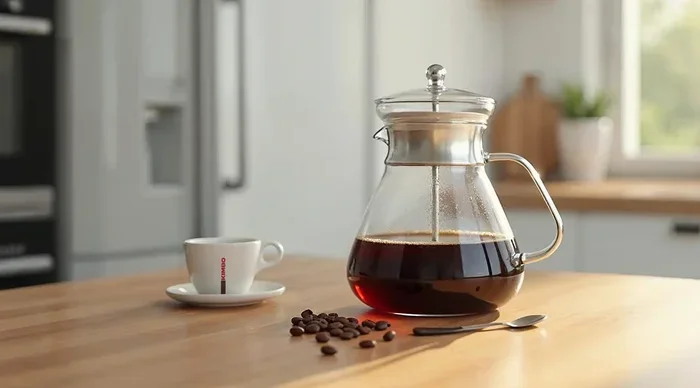
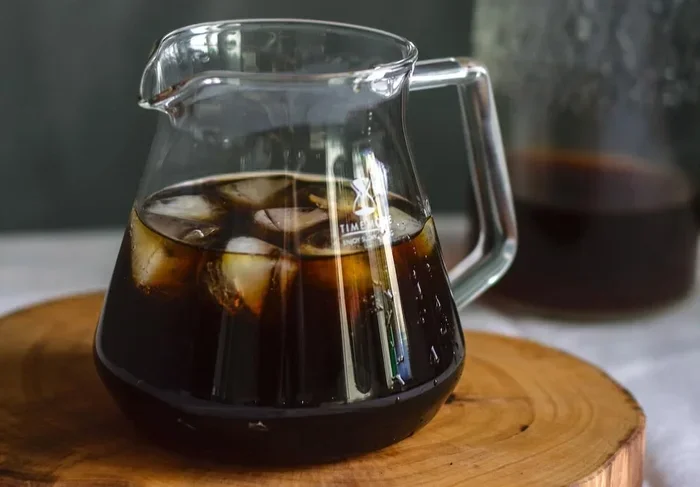
Brewed coffee is the most common fridge item. People make a full pot. They drink a cup or two. They save the rest. That is smart. But you need to act fast. Let the coffee cool to room temperature first. Do not put hot coffee straight into the fridge. Hot liquid raises the fridge temperature. It can warm nearby food. It also creates steam inside the container. That steam turns into water droplets. Those droplets drip back into your coffee. The result is a watery, dull cup.
Once the coffee cools, pour it into a glass jar or a hard plastic container with a tight lid. Glass works best. It does not hold odors. It cleans easily. Plastic can work if it is food grade and sealed well. Leave a little headspace. Do not fill it to the brim. You want to close the lid without forcing it. A tight seal keeps air out. Less air means slower flavor loss. When you are ready to drink, pour only what you need. Reheat it gently on the stove or in the microwave. Do not boil it. Boiling burns the flavor. It makes the coffee taste harsh and flat.
Whole Beans and Ground Coffee
Beans and grounds do not spoil quickly in the fridge. They lose quality instead. Whole bean coffee stays good for 1 to 2 months in the fridge. The beans keep their oils longer when they stay cool and dry. But the fridge is not the best long-term home. The real risk is moisture and odor. Coffee is like a sponge. It soaks up smells from onions, cheese, leftovers, and spices. Those smells change the taste. You might notice a strange note in your morning brew. That is why the container matters so much.
Ground coffee loses flavor faster. The grind exposes more surface area. Oxygen hits more of the coffee at once. The oils dry out. The aroma fades. You get a weaker cup. If you must store grounds in the fridge, use a truly airtight container. Vacuum bags work well too. Write the date on the bag or jar. Use the coffee within a week or two for the best results. After that, it is still safe, but the taste will be dull. You can still use it for baking or recipes where coffee is a background flavor. It just will not shine in a plain cup of joe.
Cold Brew and Ready-to-Drink Coffee
Cold brew is different. You steep coffee in cold water for hours. The result is smooth and low in acid. Cold brew concentrate lasts up to 2 weeks in the fridge. Dilution changes the clock. Once you add water or milk, the clock speeds up. Drink diluted cold brew within 2 to 3 days. Keep it sealed. Keep it cold. Shake the bottle gently before pouring. Separation is normal. The oils and fine particles settle. A quick stir brings the flavor back together.
Ready-to-drink bottled coffee follows similar rules. Once you open it, finish it within a few days. The seal protects the flavor before opening. After opening, air gets in. Flavor drops. If you see cloudiness, strange sediment, or a sour smell, toss it. These are clear signs that the coffee has turned. Better safe than sorry.
The Best Way to Store Coffee in the Fridge
Storage makes all the difference. You can stretch freshness by following a few simple steps. The goal is simple. Keep air out. Keep moisture out. Keep smells away. Do these three things and your coffee will taste much better for longer.
Visual guide about Fresh brewed coffee in fridge
Image source: coffeereviewhq.com
Pick the Right Container
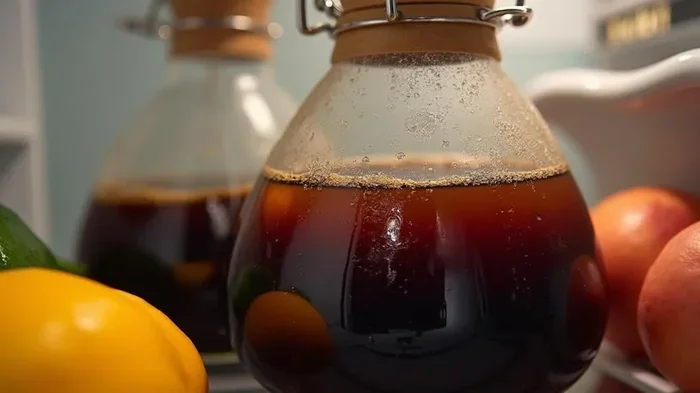
Choose glass or heavy food-grade plastic. Glass is ideal. It does not absorb odors. It wipes clean. It shows you exactly how much coffee you have left. Plastic works if it has a strong seal. Look for a snap lid or a screw top that closes tightly. Avoid thin bags. They leak air. They also tear easily. If you use a bag, double bag it and squeeze out the air before sealing.
For beans and grounds, a dark container helps too. Light speeds up staling. You do not need fancy gear. A simple mason jar with a solid lid works great. Keep the jar in the back of the fridge. The back stays colder and more stable. The door changes temperature every time you open it. That constant shift hurts coffee.
Keep It Away From Odors
The fridge is full of strong smells. Leftovers, produce, dairy, and spices all release odors. Coffee absorbs them. You do not want your morning cup to taste like old onions or garlic. Store coffee in a sealed container. Place it on a shelf where it will not touch open containers of strong food. If you store a lot of produce, keep coffee in a separate zone. A small bin or basket can help group your coffee items together. This simple habit keeps flavors clean and bright.
Cool It Down Before Storing
Never put hot brewed coffee straight into the fridge. Let it cool first. You can speed this up by pouring it into a wide bowl for a few minutes. Stir it gently. The surface area helps heat escape. Once it feels warm, not hot, move it to the container. Close the lid. Place it in the fridge. This small step protects your fridge, your food, and your coffee flavor. It also reduces condensation inside the jar. Less water means better taste later.
Signs Your Coffee Has Gone Bad
Coffee rarely becomes unsafe in the fridge. It usually just tastes bad. Safety and quality are different things. You can drink old coffee and feel fine. But you will not enjoy it. Knowing the signs helps you decide when to keep it and when to toss it.
Visual guide about Fresh brewed coffee in fridge
Image source: kimbocoffee.com
Smell and Taste Changes
Fresh coffee has a rich, inviting aroma. Old coffee smells flat, sour, or stale. You might notice a cardboard-like note. That is oxidation at work. If the smell is off, the taste will be too. Take a small sip. If it tastes sharp, bitter, or dull, it is past its best window. You can still use it for recipes, but do not expect a great cup. Your palate is the best test. Trust it.
Visual Clues
Look for mold, cloudiness, or strange film. Brewed coffee can grow mold if it sits too long or if water gets in. A thin film on top is a warning sign. Dark spots or fuzzy growth mean toss it. Do not try to skim it off. The roots go deeper than you see. For beans and grounds, look for clumping or damp spots. Moisture ruins texture and invites spoilage. If the coffee feels soft or sticky, it has picked up too much water. Throw it out.
When in Doubt, Toss It Out
This rule saves a lot of trouble. If you are unsure, do not risk it. Coffee is cheap compared to a stomach ache or a ruined recipe. Write dates on your containers. A simple piece of tape and a marker works. You will know exactly how long the coffee has been sitting. That small habit removes the guesswork. It also helps you plan your brewing better. You will waste less and enjoy more.
Fridge vs Freezer: Which Storage Method Wins?
The fridge is great for short-term storage. The freezer wins for long-term storage. Knowing the difference helps you pick the right method for your needs. If you drink coffee daily, the fridge makes sense for brewed coffee. If you buy beans in bulk, the freezer is better. Each method has pros and cons. Let us break them down.
Visual guide about Fresh brewed coffee in fridge
Image source: storables.com
Quick Comparison
Here is a simple look at how the two options compare for common coffee types.
- Brewed coffee: Fridge wins for 3 to 4 days. Freezer works for longer, but texture and flavor drop after thawing.
- Whole beans: Freezer wins for 3 to 6 months. Fridge works for 1 to 2 months if sealed well.
- Ground coffee: Freezer wins for 1 to 3 months. Fridge works for 1 to 2 weeks.
- Cold brew concentrate: Fridge wins for up to 2 weeks. Freezer works for longer, but thawing can change the texture.
The freezer keeps coffee stable for longer. Cold temperatures slow oxidation. They also slow oil degradation. But the freezer brings its own risks. Moisture is the main one. Every time you take the container out, warm air hits the cold coffee. That causes condensation. Condensation brings water into the bag or jar. Water ruins flavor. It can also cause freezer burn. To avoid this, portion your coffee before freezing. Use small bags or jars. Thaw only what you need. Keep the rest sealed and frozen. This method gives you the best of both worlds.
How to Freeze Coffee the Right Way
Portion first. Divide beans or grounds into weekly amounts. Use resealable bags. Squeeze out the air. Seal them tight. Label each bag with the date. For brewed coffee, freeze it in ice cube trays. Once frozen, move the cubes to a bag. You can drop a few cubes into a mug and melt them later. This trick gives you quick coffee for iced drinks or a fast reheating boost. Just remember that frozen brewed coffee loses some aroma. It works well, but it will not match a fresh pot.
Thaw slowly. Move the bag or jar from the freezer to the fridge. Let it sit overnight. Slow thawing reduces condensation. It also keeps the flavor steadier. If you need it fast, let it sit on the counter for a short time. Do not microwave frozen coffee directly. Uneven heating damages the flavor. Patience pays off here. A slow thaw gives you a smoother, cleaner cup.
Quick Tips for Keeping Coffee Fresh Longer
Small habits add up. You do not need a perfect system. You just need a consistent one. Try these quick tips to stretch freshness and keep your coffee tasting great.
- Write the date on every container. A simple label tells you exactly how long the coffee has been stored.
- Use airtight lids. Glass jars with solid seals work best for brewed coffee and grounds.
- Store in the back of the fridge. The back stays colder and more stable than the door.
- Keep coffee away from strong smells. Onions, garlic, cheese, and spices can change the flavor fast.
- Cool brewed coffee before sealing. Less steam means less condensation and better taste later.
- Reheat gently. Warm it on the stove or in short microwave bursts. Avoid boiling.
- Portion before freezing. Small bags or cubes reduce thaw cycles and keep flavor steady.
- Trust your senses. If the smell or taste is off, toss it and brew a fresh batch.
Common Mistakes to Avoid
Even simple storage can go wrong. Avoid these common mistakes and your coffee will stay better for longer. Most of them come down to air, moisture, and heat. Control those three and you are in great shape.
Using the Fridge Door
The door is the worst spot for coffee. It gets opened often. The temperature swings up and down. That cycle speeds up staling. It also creates condensation inside containers. Move your coffee to a shelf in the back. The temperature stays more stable there. Your coffee will age slower and taste cleaner.
Leaving the Lid Loose
A loose lid lets air in. Air brings oxygen. Oxygen oxidizes coffee. Oxidation kills flavor. Check your lids often. Make sure they click or screw on tight. If a lid is warped or cracked, replace it. A bad seal is worse than no lid at all. It gives you a false sense of security while air slowly gets in.
Storing Hot Coffee
Hot coffee creates steam. Steam turns into water. Water dilutes flavor and invites spoilage. Always cool brewed coffee first. A few minutes in a wide bowl helps. Once it is warm, not hot, seal it and chill it. This one habit improves taste a lot. It also protects the fridge temperature and your other food.
Mixing Coffee With Strong Odors
Coffee absorbs smells. That is just how it works. If you store it next to open leftovers or strong spices, your cup will pick up those notes. Use a sealed container. Give coffee its own space. A small bin helps. So does a dedicated shelf. Clean storage keeps the flavor pure and bright.
Expert Insights on Coffee Storage
Baristas and roasters agree on a few core principles. Coffee is a fresh agricultural product. It has oils, acids, and aromatic compounds. Those compounds fade with time and heat. Cool, dry, and sealed storage slows that process. That is why the fridge can help for a short window. It is also why the freezer works better for long-term storage. The goal is not to stop time. The goal is to slow it down without adding moisture or odors.
Experts also stress consistency. Pick one method and stick with it. Do not move coffee from fridge to counter to freezer again and again. Each move adds condensation and temperature stress. Pick the right spot for the timeframe you need. Use brewed coffee within a few days. Use beans and grounds within weeks or months, depending on the form. Label everything. Track what you have. This simple system reduces waste and keeps your daily cup tasting sharp.
One more tip from the pros: grind just before brewing when possible. Pre-ground coffee loses aroma faster. If you must store grounds, keep them sealed and cold. But the best flavor comes from beans ground right before the brew. If you love a great cup, a simple burr grinder is a worthy upgrade. It pairs perfectly with good storage habits. Together, they give you a cleaner, richer cup every morning.
Key Takeaways
- Brewed coffee lasts 3 to 4 days in the fridge. Cool it first, seal it tight, and reheat gently.
- Whole beans last 1 to 2 months in the fridge. Use an airtight, opaque container and keep it away from odors.
- Ground coffee lasts 1 to 2 weeks in the fridge. The extra surface area speeds up flavor loss.
- Cold brew concentrate lasts up to 2 weeks. Dilute it before drinking and keep it sealed.
- The freezer beats the fridge for long-term storage. Portion first, seal well, and thaw slowly.
- Watch for stale smell, mold, or off flavors. When in doubt, toss it out and brew fresh.
- Small habits make a big difference. Label dates, use tight lids, and store in the back of the fridge.
Now you know exactly how long will coffee last in the fridge and what to do about it. Brewed coffee stays good for a few days. Beans and grounds last longer. Cold brew holds up well too. The secret is simple. Keep air out. Keep moisture out. Keep smells away. Use the right container. Label your coffee. Reheat gently. Follow these steps and your saved coffee will still taste like a treat, not a compromise. Enjoy your fridge-stored coffee with confidence, and waste less along the way.
Frequently Asked Questions
Can I put hot coffee straight in the fridge?
No, you should let brewed coffee cool to warm first. Hot coffee creates steam and condensation inside the container, which waters down the flavor and can raise the fridge temperature. Cooling it first helps keep the taste cleaner and protects the food around it.
Does coffee go bad in the fridge or just lose flavor?
Coffee usually loses flavor before it becomes unsafe. Brewed coffee can taste flat or sour after a few days, and mold can grow if moisture gets in. Beans and grounds mostly lose aroma and freshness. Always check for off smells, cloudiness, or strange texture before drinking.
Can I freeze brewed coffee instead of refrigerating it?
Yes, you can freeze brewed coffee for longer storage. Pour it into ice cube trays or small containers, then seal and freeze. Thaw it slowly in the fridge for the best results. Frozen coffee works well, but it will not match the aroma of a fresh pot.
Why does fridge-stored coffee taste different when I reheat it?
Reheating can push out delicate aromas and make the coffee taste sharper or flatter. Gentle warming on the stove or in short microwave bursts helps preserve more flavor. Avoid boiling, since high heat burns the taste and leaves a harsh, dull cup.
Is the freezer better than the fridge for coffee beans?
Yes, the freezer is better for long-term storage of beans and grounds. Cold temperatures slow oxidation and help preserve the oils and aroma. Portion the coffee into small bags, remove the air, and thaw only what you need to avoid moisture and flavor loss.
How do I know if my cold brew has gone bad?
Check for a sour smell, unusual cloudiness, or any fuzzy growth on the surface. Fresh cold brew should smell smooth and taste clean. If the flavor turns sharp or the texture looks off, toss it out. Diluted cold brew should be finished within a few days for the best taste.