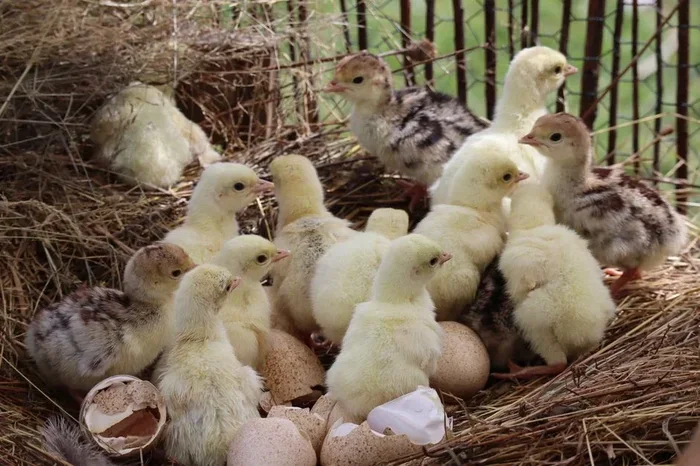
Raising a young turkey can be a rewarding experience for any beginner. This guide covers everything you need to know, from brooding and feeding to health care and growth milestones. You will learn practical steps to keep your young turkey healthy and thriving at every stage. By the end, you will feel confident enough to start or improve your turkey raising journey.
Raising a young turkey is one of the most satisfying things you can do on a farm or even in a backyard setup. Whether you are a complete beginner or someone looking to expand your flock, understanding the basics of turkey rearing makes all the difference. A young turkey, often called a poult, needs specific care that differs quite a bit from raising chickens or other poultry.
This guide walks you through every step of the process. You will learn how to set up a proper brooder, what to feed your bird, how to spot health issues early, and what to expect as your turkey grows. By the time you finish reading, you will have a clear roadmap for successful turkey raising.
The journey of raising a young turkey starts with preparation. You need the right setup, the right feed, and the right knowledge before your bird even arrives. Taking these steps seriously sets the foundation for a healthy, happy flock.
Key Takeaways
- Proper brooding setup is essential: A warm, safe brooder keeps your young turkey comfortable during the first weeks of life.
- Nutrition matters from day one: Feeding the right turkey feed at the correct protein levels supports healthy growth.
- Watch for common health issues: Early detection of problems like pasty butt or respiratory infections can save your young turkey’s life.
- Space and safety go hand in hand: Adequate housing and predator-proof fencing protect your flock as it grows.
- Know the growth stages: Understanding milestones helps you adjust care routines as your turkey matures.
- Avoid common beginner mistakes: Overcrowding, wrong feed, and poor ventilation cause most problems in young turkey flocks.
📑 Table of Contents
- Understanding What a Young Turkey Is
- Setting Up the Right Home for Your Young Turkey
- Feeding and Nutrition for a Young Turkey
- Health Care and Common Issues in Young Turkeys
- Raising a Young Turkey Through the Growth Stages
- When Your Young Turkey Is Ready: What Comes Next
- Common Mistakes Beginners Make When Raising a Young Turkey
- Expert Tips for Successful Turkey Raising
- Key Takeaways
Understanding What a Young Turkey Is
A young turkey refers to a bird that is still in its early stages of life. Most people call baby turkeys “poults” during the first few weeks. These tiny birds are fragile and need extra attention compared to adult turkeys. Knowing what to expect at each stage helps you provide the best care possible.
Turkeys go through several growth phases. The first stage is the brooding period, which lasts about four to six weeks. During this time, the young turkey relies completely on you for warmth, food, and water. After the brooding phase, the bird moves into the growing stage, where it becomes more independent but still needs careful management.
Why Raising a Young Turkey Is Different from Raising Chickens
Many beginners assume that raising turkeys is the same as raising chickens. That is not entirely true. Young turkeys have different needs when it comes to temperature, feed, and space. They also grow faster and can be more prone to certain health issues. Understanding these differences helps you avoid common pitfalls.
For example, young turkeys need higher protein levels in their feed compared to baby chickens. They also require more careful temperature control during the brooding stage. These small differences may seem minor, but they have a big impact on the health of your flock.
Setting Up the Right Home for Your Young Turkey
Creating a safe and comfortable environment is the first big step in turkey rearing. Your young turkey needs a space that keeps it warm, dry, and protected from predators. The setup you choose in the early weeks will shape how well your bird grows.
Brooding Essentials for a Young Turkey
A brooder is basically a small, enclosed area where your young turkey stays during the first weeks of life. You can use a large plastic tub, a wooden box, or a specially designed brooder kit. The key is to make sure it is big enough for the bird to move around but small enough to keep the heat contained.
Here are the essentials you need for a proper brooder setup:
- Heat source: A heat lamp or brooder plate keeps the temperature around 95°F during the first week. You can lower the temperature by 5°F each week after that.
- Bedding: Use clean straw, wood shavings, or paper towels. Avoid cedar shavings, as they can harm young birds.
- Waterer: A shallow waterer prevents drowning. Baby turkeys can drown easily in deep water.
- Feeder: A small, stable feeder keeps the feed clean and accessible at all times.
- Ventilation: Good airflow prevents moisture buildup, which can lead to respiratory problems.
Space and Housing Requirements as Your Turkey Grows
As your young turkey grows, it needs more space. A cramped environment leads to stress, aggression, and disease. Plan for at least 10 square feet per bird inside the coop and access to an outdoor run when the weather allows.
Turkey housing should also be predator-proof. Foxes, raccoons, and even neighborhood dogs can pose serious threats. Strong fencing and a secure coop at night are non-negotiable parts of any turkey raising setup.
Feeding and Nutrition for a Young Turkey
Feeding is one of the most important parts of raising a young turkey. The right diet supports fast, healthy growth and builds a strong immune system. Getting the nutrition wrong can lead to stunted growth or serious health problems down the road.
What to Feed Baby Turkeys During the First Weeks
During the first six weeks, your young turkey needs a starter feed with at least 28% protein. This high protein level supports the rapid growth that happens in the early weeks. You can find commercial turkey starter feed at most farm supply stores.
In addition to the starter feed, you can offer small amounts of greens and grit. Grit helps turkeys digest their food, just like it does for chickens. Fresh water should always be available, and you should check it multiple times a day to make sure it stays clean.
Feeding Schedule and Tips for Optimal Growth
Young turkeys eat frequently, especially during the first few weeks. Offer feed multiple times a day rather than leaving it all out at once. This prevents waste and encourages healthy eating habits.
Here are some practical feeding tips for raising a healthy young turkey:
- Start with a high-quality turkey starter feed for the first six weeks.
- Gradually transition to a grower feed with slightly lower protein levels.
- Offer fresh greens like lettuce or spinach as treats two to three times a week.
- Always provide clean, fresh water in a shallow container.
- Avoid feeding bread or processed human food, which offers little nutritional value.
Health Care and Common Issues in Young Turkeys
Keeping your young turkey healthy requires regular observation and quick action when problems arise. Turkeys can be hardy birds, but they are also susceptible to specific illnesses that affect young poultry. Knowing what to watch for makes a huge difference.
Signs of a Healthy Young Turkey
A healthy young turkey is active, alert, and curious. It should have bright eyes, clean nostrils, and smooth feathers. The bird should eat and drink regularly and produce normal droppings. If you notice any sudden changes in behavior, it is worth investigating further.
Common Health Problems to Watch For
Several health issues are common in young turkeys. Being able to recognize the early signs can save your bird’s life. Here are the most frequent problems you may encounter:
- Pasty butt: This happens when droppings stick to the vent area, blocking the bird. It is common in very young poults and can be fatal if not treated quickly.
- Respiratory infections: Coughing, sneezing, and nasal discharge signal a possible respiratory issue. Poor ventilation in the brooder often causes this.
- Blackhead disease: A parasitic infection that affects the liver and cecum. It can be prevented with good hygiene and avoiding mixing turkeys with chickens.
- Nutritional deficiencies: Lack of proper protein or vitamins leads to weak growth and susceptibility to illness.
Regular cleaning of the brooder and coop goes a long way in preventing these issues. Keep the bedding dry, change the water daily, and remove uneaten feed promptly.
Raising a Young Turkey Through the Growth Stages
Understanding the growth stages of a young turkey helps you adjust care routines as the bird matures. Each stage comes with its own set of needs and challenges. Let us walk through what to expect.
Week 1 to Week 4: The Brooding Stage
The first four weeks are the most critical. Your young turkey needs consistent warmth, clean water, and high-protein feed. During this stage, the bird is very vulnerable and relies entirely on you for survival. Keep the brooder clean and monitor the temperature daily.
Week 4 to Week 12: The Growing Stage
By week four, your young turkey is becoming more active and independent. You can start transitioning to a grower feed and gradually reduce the heat source. The bird will also start spending more time outdoors if the weather permits. This is a good time to introduce enrichment activities like perches and treats.
Week 12 and Beyond: The Adolescent Stage
After about 12 weeks, your turkey is entering the adolescent stage. The bird will look more like an adult but is still growing. Continue providing a balanced diet and adequate space. You should also start thinking about long-term housing and whether you plan to keep the bird for eggs, meat, or as a pet.
When Your Young Turkey Is Ready: What Comes Next
After months of careful care, your young turkey will reach a point where it is ready for the next phase. Whether you plan to keep it for breeding, eggs, or meat, the transition needs to be smooth. A sudden change in environment or diet can stress the bird and cause health problems.
If you are planning to prepare your turkey for cooking, you want to make sure you use the right tools and methods. Having the right equipment makes a big difference in the final result. For instance, choosing the best pan can impact how evenly your turkey cooks and how crispy the skin turns out. You can explore options with a guide on the best pan to cook turkey in oven to find the right fit for your kitchen.
Once the turkey is cooked, keeping it warm until serving time is equally important. Nothing ruins a meal faster than a turkey that cools down too quickly. A helpful resource on how to keep a turkey warm in the oven can walk you through simple techniques to maintain the perfect serving temperature. These final steps complete the journey from raising a young turkey to enjoying a delicious meal.
Raising a young turkey is a process that rewards patience and attention to detail. Each stage builds on the last, and the care you put in early on pays off in the long run. Whether your goal is self-sufficiency, fresh eggs, or a holiday meal, every step matters.
Common Mistakes Beginners Make When Raising a Young Turkey
Even with the best intentions, beginners often make mistakes that can harm their young turkey. Knowing what to avoid saves time, money, and heartache. Here are the most common errors new turkey raisers make.
- Overcrowding the brooder: Too many birds in a small space leads to stress, pecking, and disease spread. Give each bird enough room to move freely.
- Using the wrong feed: Chicken feed does not provide the right nutrition for turkeys. Always use feed specifically formulated for turkeys.
- Neglecting temperature control: A brooder that is too cold or too hot can kill a young turkey. Monitor the temperature closely, especially during the first two weeks.
- Ignoring water quality: Dirty water spreads bacteria and causes illness. Change the water at least twice a day.
- Skipping predator protection: Even a secure coop can have gaps. Regularly inspect the fencing and coop for weak spots.
Avoiding these simple mistakes puts you ahead of most beginner turkey raisers. A little prevention goes a very long way in keeping your flock healthy and thriving.
Expert Tips for Successful Turkey Raising
Experienced turkey raisers share a few tips that can make your journey smoother. These insights come from years of hands-on practice and can help you avoid common pitfalls.
First, start with healthy birds. Purchase your poults from a reputable hatchery or farm supplier. Healthy stock is far easier to raise than birds that start with underlying health issues. Look for active, alert birds with clean feathers and bright eyes when you select your young turkey.
Second, keep a routine. Turkeys thrive on consistency. Feed them at the same times each day, clean the brooder on a regular schedule, and check the temperature at least twice daily. A predictable routine reduces stress and promotes steady growth.
Third, do not be afraid to ask for help. Join online forums, visit local farm supply stores, or connect with experienced turkey raisers in your area. The turkey raising community is generally very welcoming and happy to share advice.
Key Takeaways
Raising a young turkey is a journey that requires patience, knowledge, and dedication. From the very first day in the brooder to the final stages of growth, every decision you make affects the outcome. Focus on providing proper nutrition, a safe environment, and attentive health care, and your turkey will thrive.
Remember that every bird is different. Some young turkeys grow faster, while others take their time. The key is to stay consistent and respond to your bird’s needs as they arise. With the right approach, you will enjoy the rewards of raising a healthy, happy turkey.
The skills you build through this experience carry over to other aspects of farm life or backyard poultry keeping. Whether you raise one bird or a whole flock, the lessons you learn from raising a young turkey will serve you well for years to come. Start small, stay consistent, and enjoy the process.
Frequently Asked Questions
How long does it take to raise a young turkey to maturity?
A young turkey typically reaches maturity between 16 and 24 weeks, depending on the breed. Broad-breasted white turkeys, commonly raised for meat, mature faster than heritage breeds. During this time, you will go through several care stages from brooding to growing.
Can you raise a young turkey with chickens?
It is possible but not always recommended. Young turkeys and chickens have different feed requirements, and turkeys can carry blackhead disease, which is harmless to chickens but deadly to turkeys. If you must raise them together, keep them separated and monitor both flocks closely.
What is the best feed for a young turkey?
A high-protein turkey starter feed with at least 28% protein is best for the first six weeks. After that, you can transition to a grower feed with around 20% protein. Always choose feed specifically formulated for turkeys rather than generic poultry feed.
How do you keep a young turkey warm in the brooder?
Use a heat lamp or brooder plate to maintain a temperature of about 95°F during the first week. Reduce the temperature by 5°F each week until the bird is fully feathered. Watch for signs of discomfort like puffing up or huddling, which indicate the temperature needs adjustment.
What are the biggest threats to a young turkey’s health?
The biggest threats include pasty butt, respiratory infections, predators, and nutritional deficiencies. Regular cleaning, proper ventilation, quality feed, and predator-proof housing go a long way in preventing these issues. Early detection and quick action are your best tools for keeping a young turkey healthy.
Do young turkeys need grit in their diet?
Yes, young turkeys need grit to help them digest food properly. Offer a small amount of fine grit starting at about two weeks of age. Grit is especially important if your young turkey has access to outdoor areas where it may eat grass or insects.
=== CONCLUSION ===
Raising a young turkey is a fulfilling experience that anyone can enjoy with the right knowledge and preparation. From setting up the perfect brooder to choosing the right feed and watching for health issues, every step matters. The journey from a tiny poult to a healthy, mature bird takes patience, but the rewards are well worth the effort.
Remember that every young turkey you raise teaches you something new. Each bird has its own personality and needs, and learning to read those cues is part of the joy of turkey rearing. Stay consistent, stay observant, and do not be afraid to adjust your approach as you go.
Whether your goal is fresh eggs, a backyard flock, or preparing a turkey for a special meal, the foundation you build now will serve you well. Start with confidence, follow the tips in this guide, and enjoy every step of the journey of raising a young turkey. Your hard work will pay off in more ways than one.