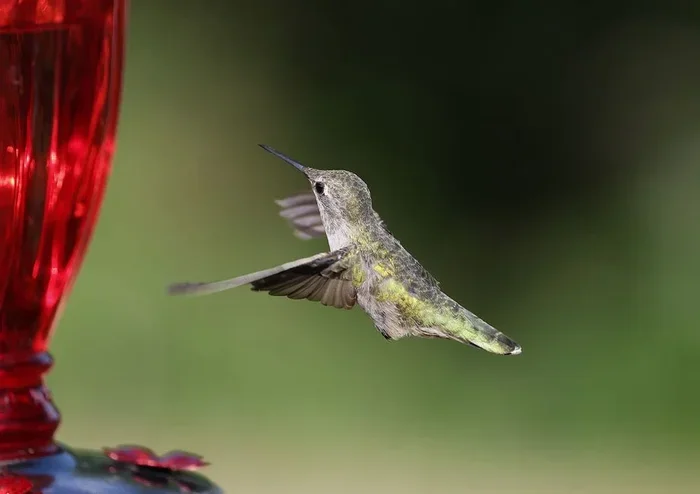
The homemade hummingbird food recipe sugar water ratio is simple: use four parts water to one part white sugar. This classic nectar mimics the natural sweetness of flower nectar and provides hummingbirds with the energy they need to thrive. Making your own hummingbird nectar at home is affordable, easy, and far healthier than store-bought options loaded with artificial dyes and preservatives.
Key Takeaways
- Perfect Ratio: Always use a 4:1 ratio of water to white sugar for safe, natural hummingbird nectar.
- No Additives Needed: Skip red dye, honey, and artificial sweeteners — they can harm hummingbirds.
- Fresh is Best: Change the nectar every 2 to 3 days in warm weather to prevent mold and fermentation.
- Easy Cleanup Matters: Regularly clean your feeder to keep hummingbirds healthy and coming back.
- Timing is Key: Start feeding hummingbirds in early spring and keep feeders up through migration season.
- Boiling Is Optional: Boiling helps dissolve sugar faster and extends freshness, but it is not strictly required.
- Storage Tips Exist: Leftover nectar can be stored in the fridge for up to a week if kept properly.
📑 Table of Contents
- Why the Sugar Water Ratio Matters for Hummingbirds
- The Perfect Sugar Water Ratio Explained
- Step-by-Step: How to Make Homemade Hummingbird Nectar
- Common Mistakes to Avoid When Making Hummingbird Food
- Storing Leftover Nectar Safely
- When and Where to Place Your Hummingbird Feeder
- How to Attract More Hummingbirds Naturally
- Final Thoughts on the Perfect Sugar Water Ratio
Why the Sugar Water Ratio Matters for Hummingbirds
Hummingbirds are some of the most fascinating creatures in any backyard. Their tiny wings beat up to 80 times per second, and they need enormous amounts of energy to fuel their fast metabolism. That is exactly why the homemade hummingbird food recipe sugar water ratio matters so much.
The right mixture gives these little birds the fuel they need without causing harm. Too much sugar can damage their kidneys. Too little sugar means they burn more energy visiting the feeder than they gain. Getting the balance right is the single most important thing you can do as a hummingbird feeder.
A proper hummingbird nectar recipe uses just two ingredients: plain white sugar and water. That is it. No food coloring, no honey, no artificial sweeteners. The simplicity of this hummingbird food recipe is what makes it so effective and safe. When you nail the sugar water ratio for hummingbirds, you are giving them the closest thing to natural flower nectar.
Many people wonder about the hummingbird sugar concentration and whether it really makes a difference. It absolutely does. Wild hummingbirds feed on nectar with a natural sugar concentration of about 20 to 25 percent. The 4:1 ratio produces a solution close to 20 percent, which is perfectly matched to what hummingbirds expect from nature.
Let us break down everything you need to know about making the best homemade nectar, from the exact measurements to common mistakes that even experienced bird lovers make.
The Perfect Sugar Water Ratio Explained
What Is the 4:1 Ratio?
The hummingbird sugar water ratio that experts and ornithologists recommend is four parts water to one part sugar. This is sometimes written as 4:1 or expressed as a nectar solution ratio. Here is how it works in practice:
- 1 cup of sugar to 4 cups of water
- 2 cups of sugar to 8 cups of water
- ½ cup of sugar to 2 cups of water
The beauty of this ratio is that it scales easily. Whether you are filling a small feeder for your apartment balcony or a large feeder for a big backyard, the same proportions apply. Simply multiply or divide the amounts while keeping the 4:1 relationship intact.
Why Only White Granulated Sugar?
Not all sugar is created equal when it comes to hummingbird food ingredients. White granulated sugar is the only type recommended by wildlife experts. Here is why:
- It dissolves easily in warm water, creating a clean solution.
- It contains no additives like molasses, iron, or preservatives that could harm hummingbirds.
- Its sucrose content closely matches the natural sugars found in flower nectar.
- It is affordable and available at any grocery store.
Some people wonder if brown sugar or organic cane sugar works. The answer is no. Brown sugar contains molasses, which has iron. Hummingbirds are extremely sensitive to iron, and too much can be toxic. Similarly, hummingbird food substitute options like honey or artificial sweeteners should always be avoided. Honey promotes fungal growth, and artificial sweeteners provide zero nutritional value.
Can You Use a Different Ratio?
You might see recipes online suggesting a 3:1 ratio for sweeter nectar or a 5:1 ratio for weaker nectar. While these variations exist, the 4:1 ratio remains the gold standard. During extremely hot weather, some experts suggest a slightly weaker 5:1 ratio to prevent dehydration. However, for most situations, sticking with the classic 4:1 hummingbird nectar recipe is your safest bet.
Step-by-Step: How to Make Homemade Hummingbird Nectar
Making your own homemade hummingbird nectar takes less than five minutes. Here is exactly how to do it every time.
Step 1: Gather Your Ingredients
You only need two things: white granulated sugar and clean water. If you are concerned about the quality of your tap water, consider using filtered water or letting your tap water sit out overnight to allow chlorine to dissipate. You can also check your best water filter pitcher for well water if you want extra peace of mind about your water quality before mixing the nectar.
Step 2: Measure the Sugar and Water
Measure your sugar and water using the 4:1 ratio. For example, use one cup of sugar and four cups of water. Use a standard measuring cup for accuracy. Precision matters more than you might think — even small deviations can alter the sweetness and nutritional balance of the nectar.
Step 3: Boil the Water (Optional but Recommended)
Bring the water to a boil in a clean saucepan. Adding the sugar and stirring until it fully dissolves is much easier with hot water. Boiling also helps sterilize the water, which extends the shelf life of your hummingbird feeding solution. If you prefer to skip boiling, you can use room temperature water and stir vigorously until the sugar dissolves completely.
One thing to watch for: if the sugar boils over, it can create a sticky mess on your stovetop. If this happens, you can learn how to remove burnt sugar from a pan easily with warm water and a bit of patience.
Step 4: Let It Cool Completely
Never put hot nectar into a hummingbird feeder. The heat can crack plastic feeders and potentially harm the birds. Let the solution cool to room temperature before filling your feeder. You can speed up the cooling process by placing the saucepan in a bowl of ice water.
Step 5: Fill the Feeder and Serve
Once the nectar is cool, pour it into your clean hummingbird feeder. Hang the feeder in a shaded area to slow down spoilage. Brightly colored feeders naturally attract hummingbirds, so you do not need to add any dye to the nectar.
Common Mistakes to Avoid When Making Hummingbird Food
Even with the best intentions, mistakes happen. Here are the most common errors people make when preparing hummingbird food recipe solutions and how to avoid them.
Using the Wrong Type of Sugar
This is the number one mistake. Never use brown sugar, powdered sugar, raw sugar, honey, or artificial sweeteners. Each of these can cause serious health problems for hummingbirds. Powdered sugar contains cornstarch, which offers no nutritional benefit and can clump inside the feeder. Brown sugar has molasses with excess iron. Honey can ferment and grow dangerous bacteria.
Making the Nectar Too Concentrated
Some people think sweeter nectar will attract more hummingbirds faster. This is a misconception. Overly concentrated nectar can cause kidney damage and dehydration. Always stick to the 4:1 sugar water ratio for hummingbirds. If you live in a very hot climate, you can go as high as 5:1 during extreme heat waves, but 4:1 is ideal for most conditions.
Forgetting to Change the Nectar Regularly
Fresh nectar is essential for hummingbird health. In hot weather above 80°F, change the nectar every two days. In moderate temperatures, every three to four days is fine. In cooler weather, you can stretch it to five or six days. Old nectar ferments, grows mold, and can make hummingbirds sick.
Skipping Feeder Cleaning
A dirty feeder is just as dangerous as old nectar. Clean your feeder every time you refill it. Use hot water and a bottle brush. For tough residue, soak the feeder in a solution of one part white vinegar to four parts water, then rinse thoroughly. Never use soap, as residue can be harmful to hummingbirds.
Adding Red Dye
This myth persists, but red dye is completely unnecessary and potentially harmful. The feeder itself is already red or orange, which is enough to attract hummingbirds. The dye serves no purpose and introduces chemicals into a solution that hummingbirds consume directly. Skip it every time.
Storing Leftover Nectar Safely
Sometimes you make more nectar than your feeder can hold. That is perfectly fine, but you need to store it correctly. Excess hummingbird feeding solution can be kept in the refrigerator for up to seven days. Use a clean glass jar with a tight-fitting lid. Many people find that storing water in mason jars works wonderfully for this purpose since glass does not leach chemicals and keeps the solution pure.
Before filling the feeder with refrigerated nectar, let it warm up to room temperature. Cold nectar can slow down hummingbirds and make them less likely to visit your feeder regularly. A quick warm-water bath for the jar solves this problem in just a minute or two.
When it comes to storing your sugar supply, keep it in an airtight container in a cool, dry place. Proper sugar storage prevents clumping and keeps it fresh for your next batch of nectar. Humidity is the enemy of granulated sugar, so a sealed container is essential.
When and Where to Place Your Hummingbird Feeder
Best Time to Start Feeding
Timing plays a big role in attracting hummingbirds. In most regions, put your feeders out in early spring, about two weeks before the first hummingbirds typically arrive. This gives early migrants a reliable food source when natural flowers are still blooming sparsely. In warmer southern climates, you can keep feeders up year-round.
During fall migration, keep your feeders out until you no longer see any visitors for at least two weeks. This ensures passing migrants have a place to refuel on their long journey. Hummingbird migration food sources like feeders can be a lifesaver for tired travelers.
Ideal Placement Tips
- Hang the feeder in partial shade to slow spoilage.
- Place it near flowers or bushes for perching spots.
- Keep it away from windows to prevent collisions (or use window-mounted feeders with suction cups).
- Position it where you can easily see it for monitoring and cleaning.
- Avoid placing it near areas with heavy foot traffic or predator hiding spots.
How to Attract More Hummingbirds Naturally
While a well-made hummingbird nectar recipe is powerful, combining it with a few natural strategies brings even better results. Planting native tubular flowers like trumpet vine, bee balm, and cardinal flower creates a natural nectar source alongside your feeder. Hummingbirds are territorial, so having multiple feeders spread around your yard can attract more visitors.
Adding a shallow water feature or mister also helps. Hummingbirds love moving water and will visit yards with gentle sprays and drippers. Keeping your yard pesticide-free is another smart move, since hummingbirds feed on small insects and spiders as a protein source.
One final tip: be patient. It can take a few days or even a couple of weeks for hummingbirds to discover a new feeder. Once they do, however, they will remember the location and return regularly, sometimes even defending it from other birds.
Final Thoughts on the Perfect Sugar Water Ratio
The homemade hummingbird food recipe sugar water ratio is one of the simplest and most rewarding things you can do for backyard wildlife. With just four parts water and one part white sugar, you create a safe, healthy, and irresistible nectar that hummingbirds absolutely love. Skip the dyes, skip the honey, and skip the complicated store-bought alternatives. A simple homemade solution is always the best solution.
Remember to change your nectar frequently, keep your feeder clean, and enjoy the magic of watching these tiny, jewel-like birds up close. Once you start feeding hummingbirds, it becomes a wonderful daily ritual that connects you to nature in the most delightful way. Grab your sugar, your water, and a clean feeder — your first hummingbird visitor could be just a day away.
Frequently Asked Questions
What is the best sugar water ratio for hummingbirds?
The best and most widely recommended ratio is four parts water to one part white granulated sugar. This 4:1 hummingbird sugar water ratio closely mimics the natural nectar found in flowers and provides hummingbirds with the right balance of energy and hydration.
Can I use brown sugar or honey instead of white sugar?
No, you should never use brown sugar, honey, or any sugar substitute for hummingbird nectar. Brown sugar contains molasses with excess iron that is harmful to hummingbirds, and honey can promote dangerous bacterial and fungal growth. Stick with plain white granulated sugar only.
Do I need to boil the water when making hummingbird nectar?
Boiling is optional but recommended. It helps dissolve the sugar faster, sterilizes the water, and extends the freshness of the nectar. If you skip boiling, make sure the sugar dissolves completely in the warm water before filling your feeder.
How often should I change the hummingbird nectar?
In hot weather above 80°F, change the nectar every two days. In moderate temperatures, every three to four days is fine. In cooler weather, you can go up to five or six days. Fresh nectar prevents mold, fermentation, and keeps hummingbirds healthy and coming back.
Is red dye necessary in hummingbird nectar?
Absolutely not. Red dye is unnecessary and potentially harmful. The hummingbird feeder itself is usually red or orange, which is more than enough to attract hummingbirds. The nectar should always be clear, with no artificial coloring of any kind.
Can I store leftover hummingbird nectar?
Yes, you can store leftover nectar in the refrigerator for up to seven days. Use a clean glass jar with a tight lid, and let the nectar warm to room temperature before pouring it into the feeder. This prevents waste and saves you time when refilling.