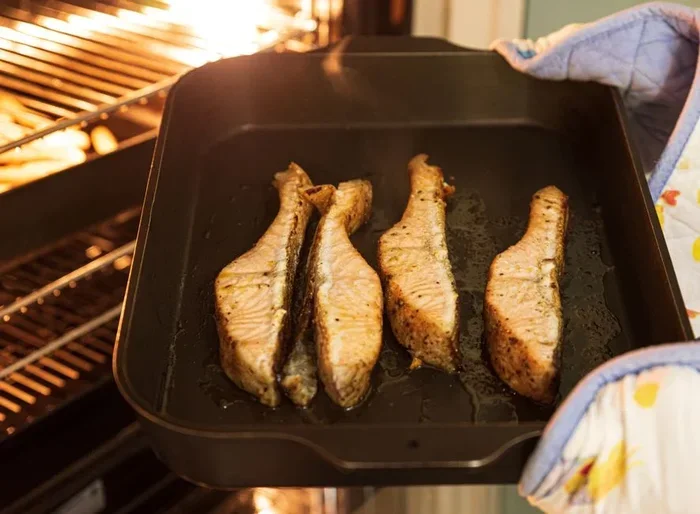
Baking salmon in the oven is one of the simplest ways to get a delicious, healthy meal on the table. This guide covers everything you need to know about bake salmon in the oven, from choosing the right fillet to nailing the perfect internal temperature. You will learn proven tips for juicy, flaky salmon every single time.
Few things are as rewarding as pulling a beautiful piece of oven-baked salmon out of the oven. The skin is crispy, the flesh is pink and flaky, and the whole kitchen smells amazing. Whether you are a beginner cook or a seasoned home chef, learning to bake salmon in the oven is a skill that will serve you well for years to come.
Salmon is packed with omega-3 fatty acids, protein, and essential nutrients. It is also incredibly versatile. You can keep it simple with salt and lemon, or go bold with garlic butter and herbs. The best part? A basic baked salmon recipe comes together in under 20 minutes from start to finish. No marinating overnight. No fancy equipment. Just a hot oven and a great piece of fish.
In this guide, we walk you through every step of the process. You will learn how to pick the right fillet, what temperature to use, how long to cook it, and how to avoid the mistakes that ruin salmon. By the end, you will feel confident enough to make juicy oven-baked salmon like a pro. Let us dive in.
Key Takeaways
- Right Temperature: Bake salmon at 400°F for the best balance of crispy skin and moist flesh.
- Timing Matters: Most fillets need only 12-15 minutes depending on thickness.
- Pat Dry First: Removing moisture from the surface ensures crispy skin.
- Use Parchment Paper: It prevents sticking and makes cleanup a breeze.
- Check Internal Temp: 145°F is the safe doneness point for perfectly cooked salmon.
- Season Simply: Salt, pepper, olive oil, and lemon go a long way.
- Rest the Fish: Letting salmon rest for 3 minutes keeps juices locked in.
📑 Table of Contents
- Why Oven-Baked Salmon Is the Best Choice
- What You Will Need: Ingredients and Tools
- Step-by-Step Guide to Bake Salmon in the Oven
- Temperature and Timing Guide
- Flavor Variations and Seasoning Ideas
- Common Mistakes to Avoid
- Storing and Reheating Leftover Salmon
- Health Benefits of Baked Salmon
- Final Thoughts
Why Oven-Baked Salmon Is the Best Choice
There are many ways to cook salmon. You can grill it, pan-sear it, or even smoke it. But baking it in the oven has some real advantages that make it a go-to method for so many home cooks.
It Is Hands-Off and Easy
When you bake salmon in the oven, you mostly just set it and forget it. Unlike pan-searing, where you need to flip the fish and watch it closely, oven baking lets the heat do all the work. You place the fillet on a sheet pan, pop it in the oven, and wait. This makes it perfect for busy weeknights when you want something healthy and fast.
Consistent Results Every Time
Ovens provide even, surround heat. This means the salmon cooks uniformly from all sides. You do not get hot spots that burn one part while leaving another raw. Once you figure out your preferred salmon temperature and timing, you can repeat the results over and over again. That consistency builds confidence in the kitchen.
It Scales Easily
Cooking salmon on the stovetop usually means working with one fillet at a time. But in the oven, you can fit multiple pieces on a single sheet pan. This makes oven-baked salmon ideal for feeding a family or meal prepping for the week. You can batch-cook several portions and store them for easy lunches or dinners.
What You Will Need: Ingredients and Tools
Before you start, make sure you have everything ready. Having your ingredients and tools laid out makes the whole process smoother and more enjoyable.
Ingredients for Basic Baked Salmon
- Fresh salmon fillets — skin-on works best for crispy results. Look for bright pink flesh with no fishy smell.
- Olive oil — a light coating keeps the fish moist and helps seasonings stick.
- Salt and black pepper — the foundation of great flavor. Do not skip this step.
- Lemon — fresh lemon slices or a squeeze of juice adds brightness.
- Garlic — minced fresh garlic or garlic powder works great.
- Fresh herbs — dill, parsley, or thyme all pair beautifully with salmon.
Tools You Will Need
- A rimmed sheet pan — this is your baking surface.
- Parchment paper or a silicone baking mat — prevents sticking and simplifies cleanup.
- An instant-read thermometer — this is the single most important tool for perfect salmon.
- A sharp knife and cutting board — for prepping the fillets.
- A small bowl — for mixing your seasoning blend.
Pro tip: If you want to keep things simple, just use salt, pepper, olive oil, and a lemon wedge. That classic combination produces stunning oven-baked salmon every time. You can always add more flavors once you master the basics.
Step-by-Step Guide to Bake Salmon in the Oven
Now let us get into the heart of the matter. Here is a clear, step-by-step process for baking salmon in the oven that guarantees juicy, flavorful results.
Step 1: Prep the Salmon
Take your salmon fillets out of the refrigerator about 10-15 minutes before cooking. Letting them come to room temperature helps them cook more evenly. Pat the fillets completely dry with paper towels. This step is crucial for getting crispy salmon skin. Moisture on the surface creates steam, which leads to soggy skin instead of that satisfying crunch.
Step 2: Season Generously
Brush the fillets lightly with olive oil on both sides. Then season with salt and pepper. If you are using garlic, herbs, or a squeeze of lemon, apply those now. Season salmon on both the top and bottom. Do not be shy with the seasoning — the salmon needs enough flavor to stand out.
Step 3: Set Up Your Baking Sheet
Line a sheet pan with parchment paper. Place the salmon fillets skin-side down if you want crispy skin on the bottom, or skin-side up if you prefer to keep the skin soft. Leave a little space between each fillet so the hot air circulates freely.
Step 4: Bake and Monitor
Place the sheet pan in the oven on the center rack. Set a timer and resist the urge to open the oven door too often. Every time you open the door, heat escapes and your cooking time increases. Check the salmon internal temperature after about 10 minutes using your instant-read thermometer.
Step 5: Rest and Serve
Once the salmon reaches the right temperature, pull it out and let it rest for 3-5 minutes. This resting period allows the juices to redistribute throughout the fillet. When you cut into it, the salmon will be moist and tender instead of dry and bland. Serve with lemon wedges, roasted vegetables, or a fresh salad.
Temperature and Timing Guide
Getting the right salmon temperature and cooking time is the difference between perfect and disappointing results. Here is everything you need to know.
Best Oven Temperature for Salmon
The sweet spot for bake salmon in the oven is 400°F. This temperature is hot enough to crisp the skin and create a nice sear on the top, but not so hot that it dries out the fish. If you prefer a slower, more gentle cook, you can drop the temperature to 375°F and add a few extra minutes.
For those who also use an air fryer oven, the cooking process is similar but slightly faster. Check out our guide on how long to cook salmon in an air fryer oven for more details on that method.
How Long to Cook Salmon at 400°F
At 400°F, a standard salmon fillet that is about 1 inch thick will need roughly 12-15 minutes. Thicker fillets may need up to 18-20 minutes. Thinner pieces could be done in as little as 8-10 minutes.
Here is a quick reference for timing based on thickness:
- Thin fillets (half inch): 8-10 minutes
- Standard fillets (1 inch): 12-15 minutes
- Thick fillets (1.5 inches): 16-20 minutes
- Skin-on vs. skinless: Skin-on may need 1-2 extra minutes
Target Internal Temperature
The USDA recommends cooking fish to an internal temperature of 145°F. However, many chefs prefer to pull salmon at 135-140°F for a slightly translucent, medium-rare center. The fish will continue to cook a bit as it rests. This is called carryover cooking, and it is an important concept for oven-baked salmon perfection.
| Doneness | Internal Temp | Texture |
|---|---|---|
| Rare | 110-120°F | Very translucent, raw center |
| Medium-Rare | 125-135°F | Slightly translucent, silky center |
| Medium | 140-145°F | Opaque, slightly pink center |
| Well Done | 150°F+ | Fully opaque, firm |
Most people prefer medium to medium-rare salmon. That is where you get the best balance of moisture and flavor. Overcooked salmon turns dry and chalky very quickly, so keeping an eye on that thermometer is essential.
Flavor Variations and Seasoning Ideas
One of the best things about baking salmon in the oven is how easy it is to experiment with flavors. Here are some delicious variations to try.
Lemon Herb Salmon
Combine fresh dill, parsley, minced garlic, lemon zest, and olive oil. Spread this mixture over the top of the fillet before baking. The citrus and herbs create a bright, fresh flavor that pairs perfectly with the richness of the fish.
Garlic Butter Salmon
Melt butter with minced garlic and a pinch of red pepper flakes. Brush it over the salmon during the last 5 minutes of baking. This creates a rich, savory glaze that makes the salmon feel indulgent without being complicated.
Asian-Inspired Salmon
Mix soy sauce, sesame oil, honey, and grated ginger for an umami-packed glaze. Sprinkle sesame seeds on top before baking. This variation adds an exciting twist to the classic baked salmon recipe and pairs wonderfully with steamed rice and stir-fried vegetables.
Mediterranean Salmon
Top the fillet with kalamata olives, sun-dried tomatoes, capers, and a drizzle of olive oil. Add a sprinkle of oregano and bake as usual. The Mediterranean flavors give the salmon a vibrant, savory character that is hard to beat.
Common Mistakes to Avoid
Even experienced cooks can make mistakes when baking salmon in the oven. Here are the most common pitfalls and how to avoid them.
Starting with Cold Salmon
Never place a cold fillet straight into a hot oven. The cold center means the outside will overcook while the inside is still raw. Always let your salmon come to room temperature for about 10-15 minutes before baking. This small step makes a huge difference in even cooking.
Overcooking the Fish
Salmon continues cooking after you remove it from the oven. If you wait until it looks fully cooked inside the oven, it will be dry by the time it hits the plate. Pull it off when it is just slightly underdone and let the carryover heat finish the job.
Skipping the Dry Step
We mentioned this earlier, but it deserves repeating. If you do not pat the salmon dry, you will get steamed skin instead of crispy skin. Take the extra 30 seconds to blot the fillet with paper towels. Your taste buds will thank you.
Using the Wrong Pan
Avoid thin, dark baking sheets. They can cause the bottom of the salmon to overcook and stick. Use a light-colored rimmed sheet pan lined with parchment paper for the best results.
Storing and Reheating Leftover Salmon
If you have leftover oven-baked salmon, do not throw it away. Properly stored, cooked salmon keeps in the refrigerator for up to 3 days. Place it in an airtight container and store it on the bottom shelf of your fridge.
To reheat, the oven is your best friend. Wrap the salmon loosely in foil and warm it at 275°F for about 10-15 minutes. This gentle reheating method keeps the fish moist. Avoid microwaving leftover salmon if possible — it tends to make the texture rubbery and unpleasant.
For more tips on reheating seafood in the oven, check out our guide on how to reheat crab legs in the oven, which covers similar gentle reheating techniques that work well for fish too.
Health Benefits of Baked Salmon
Beyond its incredible taste, salmon is one of the healthiest proteins you can eat. A single serving of baked salmon provides a rich dose of omega-3 fatty acids, which support heart health, brain function, and reduced inflammation.
Baking is one of the healthiest cooking methods because it requires little to no added fat. Unlike frying, which adds unnecessary calories and unhealthy oils, oven baking lets the natural flavors shine through with minimal intervention. A simple healthy salmon recipe with olive oil, lemon, and herbs makes for a nutrient-dense meal that fits perfectly into any balanced diet.
Salmon is also an excellent source of high-quality protein, B vitamins, potassium, and selenium. Whether you are focused on muscle recovery, weight management, or overall wellness, including salmon in your weekly meal rotation is a smart choice.
Final Thoughts
Baking salmon in the oven is one of the easiest and most rewarding cooking skills you can develop. With the right temperature, proper timing, and a little attention to detail, you can create restaurant-quality salmon in your own kitchen. Remember to pat the fillet dry, season generously, use a thermometer, and pull the fish just before it looks fully done.
Start with the basic method outlined in this guide. Once you feel comfortable, experiment with different seasonings and flavor combinations. The beauty of oven-baked salmon is that it adapts to whatever ingredients you have on hand. Keep it simple or get creative — either way, you will end up with a meal that is healthy, delicious, and satisfying.
Now that you have all the tools and knowledge you need, it is time to fire up your oven and make some salmon. Your kitchen (and your taste buds) will thank you.
Frequently Asked Questions
Can I bake salmon without skin?
Yes, you absolutely can. Skinless salmon fillets work just as well in the oven. They may cook slightly faster since there is no skin to act as a barrier, so keep a close eye on the temperature. Use parchment paper to prevent sticking, and the results will still be delicious and moist.
How do I know if my salmon is done?
The most reliable way is to use an instant-read thermometer. Insert it into the thickest part of the fillet. For medium doneness, aim for 135-140°F. For well-done, cook until it reaches 145°F. The flesh should also be opaque and flake easily with a fork when it is fully cooked.
Can I use frozen salmon for baking?
Yes, but thaw it first for the best results. Place the frozen salmon in the refrigerator overnight to thaw slowly. If you are in a hurry, you can use the cold water method — seal the fish in a plastic bag and submerge it in cold water for about 30 minutes. Always pat the fillet dry before seasoning and baking.
What is the best temperature to bake salmon at?
400°F is the most popular and recommended temperature for baking salmon. It cooks the fish evenly while creating a nice sear on the outside. If you prefer a gentler cook, 375°F works well too but will require a few extra minutes. Avoid temperatures above 425°F, as they can dry out the fish quickly.
How long can I store cooked salmon in the fridge?
Cooked salmon stays fresh in the refrigerator for up to 3 days when stored in an airtight container. Make sure it has cooled down to room temperature before sealing it. For longer storage, you can freeze cooked salmon for up to 3 months, though the texture may be slightly softer after thawing.
Do I need to flip the salmon while baking?
No, you do not need to flip salmon while baking. The even heat of the oven cooks the fillet from all sides. Place it skin-side down if you want crispy skin on the bottom, or skin-side up if you prefer softer skin. Just let it cook undisturbed for the full baking time for the best results.