
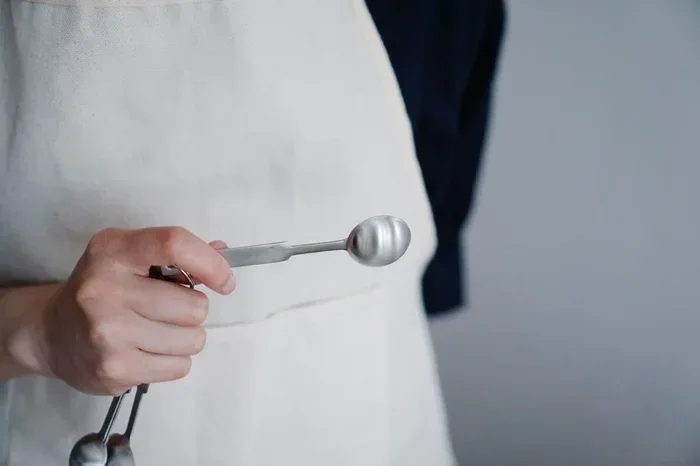
1/4 cup equals 4 tablespoons, a simple kitchen conversion that can make or break your recipes. Understanding this tablespoon measurement helps you scale recipes, substitute ingredients, and achieve consistent results every time you cook or bake. Master this conversion and your cooking accuracy will improve instantly.
Whether you are scaling a family recipe up or down, substituting ingredients on the fly, or just trying to follow a new recipe, knowing your kitchen conversions is essential. One of the most common questions home cooks ask is how many tablespoons are in a 1/4 cup. The answer is simple: 1/4 cup equals 4 tablespoons. But understanding why this matters and how to apply it can truly transform your cooking experience.
This guide breaks down the tablespoon measurement in a way that is easy to understand and apply right away. You will learn the exact conversion, why it matters, common mistakes to avoid, and practical tips for measuring like a pro. By the end, you will never second-guess your cooking measurements again.
Key Takeaways
- 1/4 cup equals 4 tablespoons — this is the standard conversion you need to know for all your recipes
- Accurate measurements ensure your recipes turn out perfectly every time, especially in baking
- Liquid and dry measurements require different techniques for the best results
- Kitchen conversions like this one help you scale recipes up or down with confidence
- Using the right tools such as measuring spoons and cups dramatically improves accuracy
- Common mistakes in measuring can lead to ruined dishes and wasted ingredients
📑 Table of Contents
What Does 1/4 Cup Mean in Tablespoons?
A cup is a standard unit of volume measurement used in cooking and baking. In the United States, one cup equals 16 tablespoons. This means that a quarter of a cup, or 1/4 cup, equals exactly 4 tablespoons. This tablespoon to cup ratio is one of the most fundamental kitchen conversions every home cook should know.
Here is how the math works:
- 1 cup = 16 tablespoons
- 1/2 cup = 8 tablespoons
- 1/4 cup = 4 tablespoons
- 1/8 cup = 2 tablespoons
These measurement equivalents form the backbone of volume measurement in most American recipes. Once you memorize this simple ratio, you can quickly convert any fraction of a cup into tablespoons. This is especially helpful when your measuring cup set is missing a specific size or when you are working with a recipe from a different country that uses different units.
Does the Type of Ingredient Change the Conversion?
Here is something important to understand. The conversion from cups to tablespoons stays the same whether you are measuring liquid ingredients or dry ingredients. Four tablespoons of water equals 1/4 cup. Four tablespoons of flour also equals 1/4 cup. The volume does not change. However, the weight of those four tablespoons can vary greatly depending on the ingredient.
For example, four tablespoons of flour weighs about 30 grams, while four tablespoons of sugar weighs about 50 grams. This is why baking measurements often require a kitchen scale for the most accurate results. When a recipe calls for liquid measurements like water, milk, or oil, using a liquid measuring cup with tablespoon markings makes the process even easier.
How to Measure 1/4 Cup Accurately
Measuring 1/4 cup correctly is more important than most people realize. Even small errors in recipe accuracy can lead to noticeably different results, especially in baking where precision matters the most. Here are the best ways to get an accurate 1/4 cup measurement every time.
Using Measuring Cups
The most straightforward method is to use a standard measuring cup set. Look for the 1/4 cup marking and fill it to the top. Level off dry ingredients like flour or sugar with the back of a knife. For liquids, pour to the 1/4 cup line and check it at eye level to make sure you are reading it correctly.
If you do not have a 1/4 cup measure, you can use your tablespoon set instead. Simply scoop four level tablespoons of your ingredient and combine them. This works perfectly for both dry and wet ingredients and is a great cooking tip to keep in mind when you are short on tools.
Using Measuring Spoons
Measuring spoons are your best friend when you need small, precise amounts. Since 1/4 cup equals 4 tablespoons, you can simply use your tablespoon measuring spoon four times. For even smaller measurements, remember that one tablespoon equals 3 teaspoons. So 1/4 cup also equals 12 teaspoons if you ever need that conversion.
When measuring with spoons, always fill the spoon heaping slightly and then level it off. This gives you the most accurate tablespoon measurement possible. Packed ingredients like brown sugar should be pressed into the spoon firmly, while lighter ingredients like flour should be spooned in gently and then leveled.
Alternative Methods for Measuring
Not everyone has a full set of measuring cups and spoons. In those cases, you can use everyday items as references. A standard ice cream scoop holds about 1/4 cup. A typical egg yolk is roughly 1 tablespoon, so four egg yolks would equal about 1/4 cup. These kitchen math tricks come in handy when you are cooking without your full toolkit.
Some people also use their hands as a rough guide. A quarter-cup is about the size of a large egg. While this is not precise enough for baking, it works well for soups, stews, and other dishes where exact measurements are less critical. When in doubt, always reach for your measuring tools.
Why Accurate Measurements Matter in Cooking
You might wonder why anyone would care so much about getting the exact 1/4 cup measurement right. The truth is that cooking and baking are both science and art. The art part is creativity and flavor. The science part is the precise ratio of ingredients that makes a cake rise, bread dough develop structure, or a sauce thicken properly.
Baking Depends on Precision
Baking is a chemical process. When you mix flour, leavening agents, fats, and liquids together, specific reactions take place that depend on exact ratios. Too much flour and your cake will be dense. Too little liquid and your bread will not rise properly. This is why recipe scaling and portion control are so important in the kitchen.
Using the right measuring spoons and cups ensures that each ingredient plays its intended role. A difference of just one tablespoon can change the texture, taste, and appearance of your final dish. This is especially true for delicate baked goods like souffles, meringues, and pastries where every gram counts.
Cooking Savory Dishes
While savory cooking is more forgiving than baking, accurate measurements still matter. When you are making a sauce, a marinade, or a soup, the balance of flavors depends on getting the right proportions. Too much salt, too little acid, or an incorrect amount of thickener can throw off an entire dish.
Knowing your standard measurements also helps when you are adapting recipes. Maybe you want to double a soup recipe for a dinner party or cut a dessert recipe in half for a smaller gathering. Understanding that 1/4 cup equals 4 tablespoons makes recipe scaling quick and painless. You can confidently adjust any recipe to fit your needs.
Similarly, when you are brewing coffee at home and need to measure water or grounds, understanding these basic conversions helps you get the ratio just right. Many coffee enthusiasts rely on precise measurements to extract the perfect flavor from their beans, whether they are using a drip machine or a best 1 cup stainless steel stovetop espresso maker. The same principle applies when you are using a best 4 cup coffee maker with thermal carafe and need to measure water accurately for a full batch.
Common Mistakes When Measuring 1/4 Cup
Even experienced cooks make measurement mistakes from time to time. Being aware of these common errors helps you avoid them and improve your cooking accuracy right away.
Packing Ingredients Too Tightly
One of the biggest mistakes is packing flour or other dry ingredients too tightly into the measuring cup. When you scoop flour directly from the bag with your measuring cup, you compress it and end up with more flour than the recipe intended. This can make baked goods dry and dense.
The correct method is to spoon the flour into the measuring cup lightly and then level it off. This is sometimes called the “spoon and level” method. It is a simple change that makes a huge difference in your recipe accuracy and prevents wasted ingredients.
Not Leveling Off the Top
Another common error is not leveling off dry ingredients. A heaping tablespoon or cup contains more ingredient than a level one. Over the course of a recipe, these small differences add up and can significantly alter the final result. Always use a straight edge, like the back of a knife, to sweep away excess and create a level measurement.
Confusing Liquid and Dry Measuring Tools
Liquid measuring cups and dry measuring cups are designed differently for a reason. Liquid cups have a pour spout and are meant to be read at eye level. Dry measuring cups are meant to be filled to the brim and leveled off. Using the wrong tool leads to inaccurate liquid measurements and dry ingredient amounts.
Also, never use a dry measuring cup to measure liquids over the sink or stove. Spilling even a small amount changes your ratio and affects the dish. Always measure liquids on a flat surface and check the measurement at eye level.
Using the Wrong Size Spoon
Not all tablespoons are created equal. A tablespoon in the US is about 15 milliliters, but in other countries it can be different. If you are using a foreign recipe or a set of measuring spoons from another region, make sure you know the standard your spoons follow. Using a tablespoon that is too large or too small throws off your entire measurement equivalents and can ruin a dish.
Quick Conversion Chart for Common Fractions
Having a reference chart handy makes kitchen conversions fast and easy. Here is a quick guide for common cup fractions and their tablespoon equivalents:
- 1 cup = 16 tablespoons
- 3/4 cup = 12 tablespoons
- 2/3 cup = 10 tablespoons plus 2 teaspoons
- 1/2 cup = 8 tablespoons
- 1/3 cup = 5 tablespoons plus 1 teaspoon
- 1/4 cup = 4 tablespoons
- 1/8 cup = 2 tablespoons
- 1 tablespoon = 3 teaspoons
Print this out and keep it on your refrigerator or tape it inside a kitchen cabinet. You will find yourself reaching for it more often than you think. This simple chart turns kitchen math from a guessing game into a quick reference that saves time and prevents mistakes.
For those who want to go even deeper, remember that 1/4 cup also equals 2 fluid ounces or about 59 milliliters. These additional conversions are helpful when you are working with international recipes or when your measuring tools use metric units. Knowing that 1/4 cup is 4 tablespoons also helps when you are preparing quick meals like cup noodles in microwave, where precise water measurements ensure the perfect texture.
Tips for Perfect Measurements Every Time
Becoming a better measurer is one of the easiest ways to improve your cooking and baking. Here are some practical tips that will help you get consistent, accurate results every single time.
Invest in Quality Measuring Tools
A good set of measuring cups and spoons makes a world of difference. Look for sets that are clearly marked, durable, and easy to read. Having a dedicated set of measuring spoons just for baking keeps them accurate and separate from your everyday spoons. Digital kitchen scales are another excellent investment. They remove the guesswork from dry ingredients entirely and give you weight-based measurements that are far more precise than volume-based ones. Many professional bakers prefer weighing ingredients over measuring by volume for this reason.
Read the Recipe Before You Start
This sounds obvious, but many people jump into cooking without fully reading the recipe first. Take a moment to identify all the measurements you will need and gather your tools before you start. This prevents rushing, which leads to measurement errors. If a recipe calls for 1/4 cup and you only have a tablespoon set, you know you need four scoops before you begin.
Also, pay attention to how the recipe describes the measurement. “1/4 cup of flour, spooned and leveled” is very different from “1/4 cup of flour, scooped.” The preparation method affects how much flour ends up in your bowl and ultimately impacts your recipe accuracy. When you are making something as simple as boiling water for pasta or rice, knowing your conversions helps too, much like understanding how to boil in instant pot requires knowing the right water-to-ingredient ratio.
Practice Makes Perfect
The more you cook and bake, the more natural these measurements become. Start by practicing with simple recipes where you can see the direct impact of your measurements. Once you internalize that 1/4 cup equals 4 tablespoons, you will find yourself doing conversions in your head without thinking twice. This kind of cooking confidence comes from repetition and attention to detail.
When to Use the 1/4 Cup Measurement
The 1/4 cup measurement comes up frequently in everyday cooking. It is a common amount for salad dressings, marinades, sauces, and batters. When you are preparing a quick side dish or portioning out ingredients for meal prep, you often work with quarter-cup portions. Knowing this conversion cold means you can focus on the fun parts of cooking instead of stopping to do math. It also helps with portion control when you are cooking for one or two people instead of a full family.
Understanding these basic cooking equivalents also helps when you are adjusting recipes for dietary needs. If you need to reduce sodium, knowing exactly how much 1/4 cup of a salty ingredient weighs gives you the power to make smart substitutions. The more comfortable you become with these conversions, the more creative and confident you will be in the kitchen.
Conclusion
The answer to “1/4 cup equals how many tablespoons” is straightforward: 4 tablespoons. This simple cup conversion is one of the most useful pieces of kitchen math you will ever learn. Whether you are baking a cake, making a sauce, or scaling a family recipe, knowing this ratio gives you confidence and precision in the kitchen.
Take a moment to memorize this conversion and the others in the chart above. Keep a set of quality measuring tools on hand and always level off your dry ingredients. Avoid the common mistakes that can throw off your measurements. With these habits in place, you will notice an immediate improvement in your cooking results. Accurate cooking measurements are the foundation of great food, and now you have the knowledge to get them right every time.
Frequently Asked Questions
Does 4 tablespoons equal 1/4 cup?
Yes, 4 tablespoons equals exactly 1/4 cup. This is a standard kitchen conversion that applies to both liquid and dry ingredients. Remember to level off your measurements for the most accurate results every time you cook or bake.
How many teaspoons are in 1/4 cup?
There are 12 teaspoons in 1/4 cup. Since one tablespoon equals 3 teaspoons and 1/4 cup equals 4 tablespoons, you simply multiply 4 by 3 to get 12 teaspoons. This conversion is helpful when a recipe calls for smaller amounts than a tablespoon.
Can I use a regular spoon to measure 1/4 cup?
A regular dining spoon is not the same size as a standardized tablespoon. Using a regular spoon can lead to inaccurate measurements and inconsistent results. Always use proper measuring spoons for cooking and baking to ensure your recipe accuracy and reliable outcomes.
Is 1/4 cup the same in metric measurements?
In volume terms, 1/4 cup equals approximately 59 milliliters or 2 fluid ounces. However, the weight of 1/4 cup varies depending on the ingredient. For the most precise results, especially in baking, use a kitchen scale to measure by weight rather than relying solely on volume-based cooking measurements.
Why is my 1/4 cup measurement different from the recipe?
Small differences in how you measure can add up quickly. Packing ingredients too tightly, not leveling off the top, or using the wrong measuring tool can all cause variations. Use the spoon and level method, invest in quality measuring tools, and always read the recipe instructions carefully for the best cooking accuracy and consistent dishes.
How do I convert 1/4 cup to other measurements?
1/4 cup equals 4 tablespoons, 12 teaspoons, or 2 fluid ounces. For metric conversions, 1/4 cup is approximately 59 milliliters. These measurement equivalents are essential to memorize for everyday cooking and baking tasks, and they make recipe scaling quick and effortless.



