
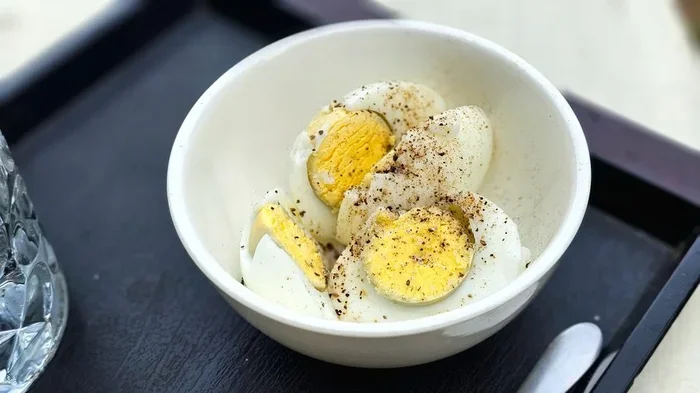
Knowing how long do you boil eggs is the key to getting soft, jammy yolks or fully set hard boiled eggs every single time. This guide walks you through exact boiling times for each level of doneness, plus pro tips for peeling, storing, and troubleshooting common egg problems. Whether you want a quick breakfast or a meal-prep staple, these simple steps make it easy to cook eggs perfectly on the stovetop.
There are few kitchen tasks as simple and satisfying as boiling eggs. Yet so many people get frustrated with them. You end up with green yolks, rubbery whites, or shells that refuse to come off. The truth is, how long do you boil eggs depends entirely on what kind of result you want.
Maybe you love a soft boiled egg with a warm, runny yolk for breakfast. Or perhaps you need a batch of hard boiled eggs for meal prep on Sunday. Whatever your goal, this guide has you covered. We will walk you through every step, from timing to peeling, so you get perfectly cooked eggs every single time.
Let us be honest. Boiling eggs sounds easy, right? You toss them in a pot of water, wait a few minutes, and done. But anyone who has ended up with overcooked eggs knows there is a bit more to it. The good news is that once you understand the basics, it becomes second nature. You will never have a bad boiled egg again.
Key Takeaways
- Soft boiled eggs take 4-6 minutes: Perfect for dipping toast into a runny yolk.
- Medium boiled eggs take 7-9 minutes: Creamy, partially set yolks that are great for salads.
- Hard boiled eggs take 10-12 minutes: Fully set whites and yolks ideal for snacking and meal prep.
- Start with cold water and a pinch of salt: This helps the shells peel off easily every time.
- An ice bath is essential: It stops the cooking process and prevents that green ring around the yolk.
- Fresh eggs are harder to peel: Use eggs that are 7-10 days old for the best results.
- You can also cook eggs in an instant pot: Check out how to boil in instant pot for a hands-off method.
📑 Table of Contents
Why Boiling Time Matters So Much
The difference between a great boiled egg and a bad one comes down to seconds. A soft boiled egg with a liquid yolk needs far less time than a hard boiled egg with a fully set center. Understanding these boiling egg times helps you control the texture and look of every egg you cook.
Here is a quick overview of what you can expect at each stage:
- Soft boiled eggs (4-6 minutes): The white is set but the yolk stays liquid and warm. Perfect for toast soldiers.
- Medium boiled eggs (7-9 minutes): The yolk is creamy and partially set. Great for slicing over salads.
- Hard boiled eggs (10-12 minutes): The yolk is fully cooked and firm. Ideal for snacking, chopping, and meal prep.
These times assume you are starting with room temperature eggs and boiling them in enough water to cover them completely. Altitude, egg size, and whether the eggs are fresh can all change the timing slightly. We will cover all of that below.
How to Boil Eggs on the Stovetop
Stovetop boiling is the most common method, and for good reason. It is simple, fast, and gives you great control. Here is how to do it right every time.
Step 1: Choose Your Eggs
Not all eggs are the same. Fresh eggs are wonderful for baking, but they can be tricky to peel when boiled. Eggs that are 7 to 10 days old peel much more easily. If you can, buy your eggs a week or two before you plan to boil them. This small tip saves a lot of frustration.
Step 2: Place Eggs in the Pot
Gently lower your eggs into a single layer at the bottom of a saucepan. Do not stack them. You want each egg to have room so the water circulates evenly around it. Use a pot that is large enough to give the eggs space to move around.
Step 3: Add Cold Water
Fill the pot with enough cold water to cover the eggs by about one inch. Cold water is important because it helps the eggs heat up gradually. This reduces the chance of cracking and leads to a more even cook.
Step 4: Add Salt and Bring to a Boil
Add a teaspoon of salt to the water. The salt does two things. It helps the shells come off easier, and it can prevent eggs from leaking if a crack does form. Bring the water to a rolling boil over medium-high heat.
Once the water reaches a full boil, you can reduce the heat slightly to maintain a gentle boil. A violent, rolling boil can bounce the eggs around and cause them to crack.
Step 5: Set Your Timer
This is the most important step. How long do you boil eggs depends on your preferred doneness. Use the times we shared above. Start the timer the moment the water reaches a boil. Consistency is everything here.
Step 6: Transfer to an Ice Bath
As soon as the timer goes off, move the eggs to a bowl of ice water. Let them sit for at least 10 minutes. The ice bath does two critical things. It stops the cooking immediately, and it contracts the egg inside the shell, making peeling a breeze. Skipping this step is the number one mistake people make.
Boiling Times for Every Egg Preference
Everyone has a different idea of what a perfect boiled egg looks like. Some people want a completely liquid center. Others like a jammy, slightly thick yolk. And of course, many people want a fully hard boiled egg. Let us break it down by the minute.
Soft Boiled Eggs: 4-5 Minutes
A 4-minute egg gives you a barely set white with a completely runny yolk. This is the classic breakfast egg served in an egg cup with a tiny spoon. A 5-minute egg starts to set the yolk slightly but still has a lovely liquid center.
These eggs are best eaten right away. You cut off the top of the shell and scoop out the egg directly. They pair beautifully with buttered toast for dipping.
Medium Boiled Eggs: 6-7 Minutes
At 6 minutes, the yolk is thick and custard-like but still creamy. At 7 minutes, it starts to set more firmly but remains slightly soft in the center. Medium boiled eggs are fantastic sliced over a green salad or ramen bowl.
This is often called the sweet spot for boiled eggs. The yolk has enough body to hold its shape but is still rich and creamy.
Hard Boiled Eggs: 10-12 Minutes
A 10-minute egg gives you a fully cooked yolk that is dry but not chalky. At 12 minutes, the yolk is completely firm and pale yellow. These are the eggs you slice for sandwiches, chop for egg salad, or grab as a quick protein snack.
Hard boiled eggs keep well in the fridge for up to 5 days. They are a fantastic make-ahead food for busy mornings. If you are interested in other ways to cook eggs, you might enjoy how to cook eggs in the microwave for a faster alternative.
Common Mistakes That Ruin Boiled Eggs
Even experienced cooks make mistakes with boiled eggs. Here are the most common errors and how to avoid them.
Starting with Hot Water
Some recipes tell you to drop eggs into already boiling water. While this works for poaching, it is not ideal for boiling whole eggs. Starting with cold water gives you more control. The eggs heat up slowly and evenly, which reduces cracking and improves the final texture.
Overcooking the Eggs
This is the biggest culprit behind that dreaded green ring around the yolk. The green color happens when the yolk reacts with sulfur in the white due to too much heat. It does not taste bad, but it looks unappetizing and the texture becomes dry and chalky. Always use a timer and do not walk away from the stove.
Skipping the Ice Bath
If you do nothing else, please do not skip the ice bath. Without it, the residual heat keeps cooking the egg even after you take it off the stove. The yolk can turn green, and the white becomes rubbery. Ten minutes in ice water makes a world of difference.
Using Fresh Eggs
Fresh eggs are delicious, but they are harder to peel. The pH of the egg white changes over time, making the membrane stick less to the shell. If you are boiling eggs for a crowd or for meal prep, use eggs that have been in the fridge for at least a week.
Crowding the Pot
Do not try to boil a dozen eggs in a tiny saucepan. They bump into each other, crack, and cook unevenly. Give each egg room. If you need to boil a large batch, use a bigger pot or cook in two rounds.
How to Peel Boiled Eggs Easily
Peeling boiled eggs can feel like a battle sometimes. But there are tricks that make it almost effortless.
First, always use eggs that are a few days old. As we mentioned, they peel better. Second, the ice bath is your best friend. Third, crack the egg all over on the counter before peeling. Roll it gently to create tiny cracks all around the shell.
Start peeling from the wide end, where the air pocket is. Slip your thumb under the membrane and work the shell off in large pieces. Running the egg under a little warm water while peeling can also help lift the shell away cleanly.
If you are still struggling, try this method. Place the peeled egg in a jar with a little water. Seal it and shake gently. The shell comes right off. It sounds crazy, but it works like a charm.
Storing and Reheating Boiled Eggs
Boiled eggs keep well in the refrigerator. Store them in a covered container to prevent them from absorbing other food odors. They stay fresh for up to 5 days. If you want to know more about storing eggs for longer periods, check out how to store eggs for long term for additional tips.
You can also freeze eggs, but the texture changes. Frozen eggs work best in baked goods and scrambled dishes, not for eating on their own.
To reheat a boiled egg, you can place it in hot water for a few minutes. Do not microwave a whole boiled egg. The pressure builds up inside and the egg can explode. Always peel first if you want to warm it up quickly.
Alternative Egg Cooking Methods
Boiling is not the only way to cook eggs. If you want to mix things up, there are several other great methods worth trying.
Poaching is a gentle method that cooks the egg in simmering water without the shell. Steaming is another option that gives you results similar to boiling but with even easier peeling. And if you want a quick weeknight meal, you can try how to fry an egg without oil for a healthier stovetop option.
Each method has its own charm and purpose. But for simplicity, reliability, and meal prep, boiling eggs remains the go-to choice for most people. Once you nail the timing, you can make perfect eggs any day of the week.
Final Thoughts on How Long You Should Boil Eggs
There you have it. The answer to how long do you boil eggs is simpler than you think. Soft boiled eggs need 4 to 6 minutes. Medium boiled eggs need 7 to 9 minutes. And hard boiled eggs need 10 to 12 minutes. Start with cold water, add salt, use a timer, and always give your eggs an ice bath.
These small steps make a huge difference. You will notice better texture, easier peeling, and more consistent results every time you cook a batch. Boiled eggs are one of the most versatile foods you can make. They work for breakfast, lunch, dinner, and snacks. Once you get comfortable with the process, you will wonder how you ever lived without them.
So go ahead. Grab some eggs, fill a pot with water, and give it a try. Your perfect boiled egg is just a few minutes away. Happy cooking!
Frequently Asked Questions
How long do you boil eggs for a soft yolk?
For a soft boiled egg with a runny yolk, boil the eggs for 4 to 5 minutes. Start timing once the water reaches a full rolling boil. Transfer the eggs to an ice bath right away to stop the cooking and keep the yolk perfectly liquid.
Can you boil eggs straight from the fridge?
Yes, you can boil eggs straight from the fridge, but there is a tradeoff. Cold eggs are more likely to crack when placed in hot water. To avoid this, let them sit at room temperature for 5 minutes first, or start them in cold water and bring everything up to a boil together.
Why does my hard boiled egg have a green ring around the yolk?
The green ring is caused by overcooking. When eggs boil too long, the yolk reacts with sulfur in the white and forms iron sulfide. It is harmless but not pretty. Prevent it by using a timer and transferring eggs to an ice bath immediately after cooking.
How long do hard boiled eggs last in the fridge?
Hard boiled eggs stay fresh in the fridge for up to 5 days. Keep them in a covered container so they do not absorb odors from other foods. Always peel or re-peel before eating if they have been stored for several days.
Is it better to boil eggs with the lid on or off?
It is best to boil eggs with the lid on. The lid traps heat and helps the water reach a boil faster. Once the water is boiling, you can remove the lid slightly to prevent overflow and maintain a steady, gentle boil throughout the cooking time.
Can I use an instant pot instead of a stovetop?
Absolutely. An instant pot is a great alternative for boiling eggs. If you want to learn more about this hands-off method, check out how to boil in instant pot for detailed instructions and timing adjustments.



