
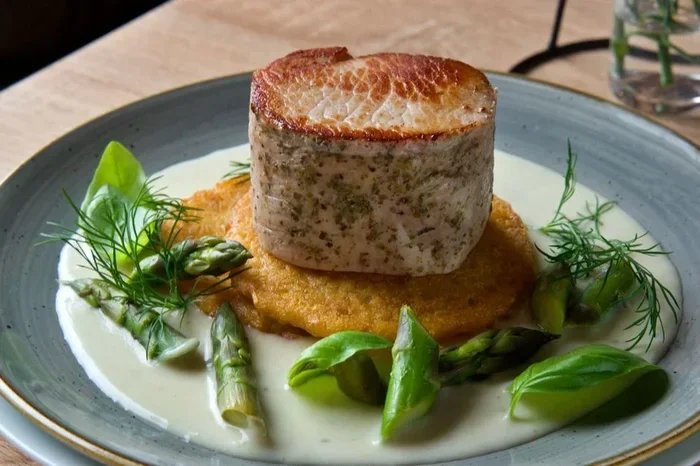
Finding the right internal temperature for well cooked moist pork loin is the single most important step to juicy, tender pork every time. The USDA recommends cooking pork loin to 145°F with a 3-minute rest for safe, moist results. In this guide, you will learn exact temperatures, cooking times, and simple tips that take the guesswork out of cooking pork loin perfectly.
Cooking pork loin can feel tricky. You want it done, but not dried out. The secret lies in one simple thing: internal temperature for well cooked moist pork loin. Get this right, and you will have juicy, tender pork every single time. Miss it, and you end up with a dry, tough piece of meat that nobody wants to eat.
Whether you are grilling, roasting, or pan-searing, knowing your target temperature makes all the difference. This guide walks you through everything you need to know. From the safe USDA guidelines to practical tips that keep your pork loin moist and flavorful. Let us dive in.
Key Takeaways
- Target 145°F: The USDA safe internal temperature for pork loin is 145°F, followed by a 3-minute rest for juicy results.
- Use a meat thermometer: A digital instant-read thermometer removes all guesswork and prevents overcooking.
- Rest your pork: Letting pork loin rest for 3 to 5 minutes keeps the juices locked inside the meat.
- Brine for extra moisture: A simple salt brine before cooking keeps pork loin tender and flavorful.
- Avoid overcooking: Cooking past 160°F dries out pork loin quickly and ruins its texture.
- Sear first, then finish: A hot sear on the outside creates a flavorful crust while keeping the inside moist.
📑 Table of Contents
Why Internal Temperature Matters So Much
Pork loin is a lean cut. That means it has very little fat to keep it moist during cooking. Unlike fatty cuts like pork belly or ribs, pork loin dries out fast if you cook it too long or too hot. The internal temperature for well cooked moist pork loin is the line between perfectly tender and sadly tough.
When heat hits the meat, the proteins start to tighten. At lower temperatures, the muscle fibers stay soft and hold onto moisture. But push the temperature too high, and those fibers squeeze out all the juice. That is why pulling your pork loin off the heat at the right moment is so critical.
Think of it this way. You are not just cooking pork. You are protecting the moisture inside it. A good meat thermometer is your best friend here. It takes the guesswork out completely. You will know exactly when your pork loin is ready to come off the heat.
The Science Behind Juicy Pork Loin
Here is a quick look at what happens inside the meat as it cooks:
- Below 130°F: The meat is still raw in the center. Proteins have not started to tighten yet.
- 130°F to 145°F: This is the sweet spot. The pork is safe to eat and still juicy. Muscle fibers are just beginning to firm up.
- 150°F to 160°F: The meat is well done but starting to lose moisture. It is still edible but less tender.
- Above 160°F: The pork loin is dry and tough. Too much moisture has been squeezed out of the muscle fibers.
This is why so many home cooks overcook their pork loin. They keep cooking until they are sure it is done. But by then, the damage is already done. The internal temperature for well cooked moist pork loin is narrow, and you need to pull it off the heat at just the right time.
The USDA Guidelines for Pork Loin Temperature
The United States Department of Agriculture set the safe cooking temperature for whole cuts of pork at 145°F, measured with a food thermometer placed in the thickest part of the meat. This is followed by a mandatory 3-minute rest before cutting. During that rest, the temperature continues to rise by about 5 to 10 degrees. This process is called carryover cooking.
For years, people were told to cook pork all the way to 160°F or even higher. That advice came from concerns about trichinosis, a foodborne illness. Modern pork production practices have made trichinosis extremely rare. The USDA updated its guidelines in 2011, and 145°F became the new standard.
So what does this mean for you? It means you can enjoy pork loin that is slightly pink in the center and still perfectly safe. That slight pinkness is actually a sign that you did not overcook it. The meat stays moist and tender because you did not push the temperature too far.
Carryover Cooking Explained
Carryover cooking is one of the most important things to understand about internal temperature for well cooked moist pork loin. After you remove the pork from the heat source, the residual heat continues to cook the meat. The internal temperature can rise by 5 to 10 degrees during the resting period.
This means if you pull your pork loin off the heat at 140°F, it will reach about 145°F to 150°F by the time you are ready to slice it. That is why you should always pull the meat a few degrees early. If you wait until the thermometer reads 145°F while it is still on the heat, the final temperature after resting will be too high, and the pork will be dry.
A good rule of thumb is to pull the pork loin off the heat when it is 5 degrees below your target temperature. Then let it rest for at least 3 minutes. This simple habit will transform your pork cooking results.
Best Tools for Measuring Pork Loin Temperature
Not all thermometers are created equal. If you want perfect internal temperature for well cooked moist pork loin every time, you need the right tool. Here are the best options available.
| Thermometer Type | Pros | Cons |
|---|---|---|
| Instant-Read Digital | Fast readings, affordable, accurate | Must be inserted each time, cannot leave in during cooking |
| Leave-In Probe | Stays in meat during cooking, alerts when done | More expensive, can be bulky |
| Wireless Bluetooth | Monitor from your phone, very convenient | Pricey, requires batteries and app |
| Dial Oven-Safe | Stays in the oven, no batteries needed | Less accurate, slower readings |
For most home cooks, an instant-read digital thermometer is the best choice. They are affordable, fast, and highly accurate. You simply insert the probe into the thickest part of the pork loin, wait a few seconds, and read the temperature. No guesswork, no cutting into the meat to check color.
If you cook pork loin often, consider investing in a leave-in probe thermometer. You can insert it before the cook starts and monitor the temperature from start to finish. Some models even send alerts to your phone when the pork reaches the target temperature. This takes the stress out of cooking and helps you nail the internal temperature for well cooked moist pork loin every single time.
No matter which type you choose, make sure to calibrate it regularly. Test it in ice water (it should read 32°F) and in boiling water (it should read 212°F). A thermometer that is off by even a few degrees can mean the difference between juicy pork and dry pork.
How to Cook Pork Loin to Perfection
Now that you know the target temperature, let us talk about how to actually cook the pork loin. There are several methods, and each one works well when you pay attention to temperature.
Oven Roasting Pork Loin
Oven roasting is one of the most popular ways to cook pork loin. Here is a simple approach:
- Preheat your oven to 400°F.
- Season the pork loin with salt, pepper, garlic powder, and any herbs you like.
- Sear it in a hot oven-safe pan with a little oil for 2 to 3 minutes on each side.
- Transfer the pan to the oven and roast until the internal temperature reaches 140°F.
- Remove the pork and let it rest for at least 3 minutes. The temperature will rise to 145°F.
This method gives you a beautiful golden crust on the outside while keeping the inside moist and tender. The initial sear locks in flavor, and the even heat of the oven cooks the pork gently without drying it out.
Grilling Pork Loin
Grilling adds a wonderful smoky flavor to pork loin. Use these tips for the best results:
- Preheat your grill to medium-high heat, around 375°F to 400°F.
- Sear the pork loin over direct heat for 2 to 3 minutes per side.
- Move it to indirect heat and close the lid.
- Cook until the internal temperature for well cooked moist pork loin reaches 140°F.
- Remove and rest for 3 to 5 minutes before slicing.
Grilling works great for pork loin because the indirect heat cooks it slowly and evenly. You avoid the flare-ups and charring that can dry out the meat. The smoke from the grill adds depth of flavor that you simply cannot get from the oven.
Pan-Searing and Finishing in the Oven
This is my favorite method for cooking pork loin. It gives you a crispy, flavorful crust and a perfectly juicy interior:
- Heat a cast-iron skillet over medium-high heat with a thin layer of oil.
- Sear the pork loin for 3 to 4 minutes on each side until golden brown.
- Transfer the skillet to a 400°F oven.
- Cook for 15 to 20 minutes, or until the thermometer reads 140°F.
- Rest the pork for 3 minutes before serving.
The cast-iron skillet holds heat beautifully, which helps create an even sear. And finishing in the oven ensures the pork cooks through gently without burning the outside. This method is simple, fast, and produces restaurant-quality results every time.
Slow Cooking Pork Loin
If you prefer set-it-and-forget-it cooking, a slow cooker works well for pork loin too. The low, steady heat keeps the meat moist over a longer cooking time. Just make sure not to overcook it. A slow cooker pork loin typically takes 4 to 6 hours on low and should reach an internal temperature of 145°F before serving.
Some great slow cooker pork chop recipes for families can also be adapted for pork loin. The principles are the same: low heat, enough liquid to create steam, and careful temperature monitoring.
Tips for Keeping Pork Loin Moist
Temperature control is the biggest factor, but it is not the only one. Here are some practical tips that help keep your pork loin juicy and delicious.
Brine Before Cooking
A simple brine works wonders for pork loin. Soak the meat in a solution of 1/4 cup salt per 4 cups of water for 1 to 4 hours before cooking. The salt helps the muscle fibers absorb and hold onto more moisture during cooking. Even a quick 30-minute brine makes a noticeable difference in the final result.
Do Not Skip the Rest
Resting the pork loin after cooking is non-negotiable. When you cut into hot meat right away, all the juices run out onto the cutting board. If you let it rest for 3 to 5 minutes, the juices redistribute throughout the meat. When you finally slice it, every piece stays moist and flavorful.
Slice Against the Grain
When it is time to serve, always slice the pork loin against the grain. The grain is the direction of the muscle fibers. Cutting across them shortens those fibers, making each bite more tender. If you slice with the grain, the meat can feel chewy even when cooked perfectly.
Use a Marinade for Extra Flavor
A good marinade adds flavor and moisture. Acidic ingredients like lemon juice, vinegar, or yogurt help tenderize the meat. Just do not marinate for too long, or the acid can break down the proteins and make the texture mushy. 2 to 4 hours is the sweet spot for most marinades.
Let the Meat Come to Room Temperature
Take the pork loin out of the refrigerator about 20 to 30 minutes before cooking. Letting it warm up slightly helps it cook more evenly. Cold meat in a hot pan or oven creates temperature gradients, where the outside overcooks while the inside stays underdone.
Common Mistakes That Dry Out Pork Loin
Even experienced cooks make mistakes with pork loin. Here are the most common ones and how to avoid them.
Overcooking by Just a Few Degrees
This is the number one mistake. Pork loin goes from perfectly juicy to dry and tough in just a few degrees. The difference between 145°F and 155°F is huge in terms of texture. Always use a thermometer and pull the meat early to account for carryover cooking.
Cooking Without a Thermometer
Relying on cooking time alone is unreliable. Every oven, grill, and pan is different. The size and shape of the pork loin also vary. Without a thermometer, you are guessing. And guessing leads to overcooked or undercooked pork. A good thermometer is the only way to know for sure.
Cutting Into the Meat to Check
Some people cut into the pork loin to see if the juices run clear. This releases all the moisture right out of the meat. Instead, use a thermometer inserted into the thickest part. You keep all the juices inside where they belong.
Not Letting the Meat Rest
Skipping the rest period is like opening a oven door every 5 minutes. You lose heat, and you lose moisture. Give the pork loin its 3 to 5 minutes of rest. It makes a real difference in the final result.
Using Too High Heat
High heat is great for searing, but terrible for cooking through. If you cook the entire pork loin on high heat, the outside burns while the inside stays raw. Start with a hot sear, then lower the heat to cook through gently and evenly.
Serving Ideas for Perfect Pork Loin
Once you have mastered the internal temperature for well cooked moist pork loin, it is time to think about serving. A perfectly cooked pork loin pairs beautifully with many sides and flavors.
Some great serving ideas include roasted vegetables, mashed potatoes, or a fresh salad. For something more adventurous, try a apple cider pan sauce or a mustard cream sauce. Both complement pork loin wonderfully and add moisture to every bite.
If you love pork chop recipes, you will be happy to know that many center cut pork chop recipes for weeknights work wonderfully with pork loin too. The seasoning blends and cooking techniques are very similar. You can use the same spice rubs and sauces that work for pork chops on your pork loin.
For a more dramatic presentation, try slicing the pork loin into medallions and serving them with a fruit compote or a tangy chutney. The sweetness of the fruit pairs beautifully with the savory pork and adds a bright contrast to each bite.
Bone-in pork loin also makes for a stunning centerpiece at a dinner party. The bone adds extra flavor during cooking, and the presentation looks impressive on any table. Check out some bone in pork chop recipes for flavorful meals if you want inspiration for seasoning and serving a bone-in cut.
Final Thoughts
Cooking well done moist pork loin is not complicated. It just requires attention to one key detail: the internal temperature. Target 145°F, pull the meat a few degrees early, and let it rest for at least 3 minutes. These three simple steps will give you juicy, tender pork loin every single time.
Use a good thermometer, avoid the common mistakes we talked about, and do not be afraid to experiment with different cooking methods. Whether you roast it in the oven, grill it outside, or slow cook it for a crowd, the principles remain the same. Monitor the temperature, respect the rest period, and serve it right.
The next time you cook pork loin, focus on the temperature. You will notice an immediate difference in the quality of the meat. Your family and guests will taste it too. And once you master this technique, you will never go back to dry, overcooked pork again.
Remember, great cooking is not about fancy techniques or expensive equipment. It is about understanding the basics and applying them consistently. The internal temperature for well cooked moist pork loin is the foundation of everything. Get that right, and the rest falls into place naturally.
Frequently Asked Questions
What is the safe internal temperature for pork loin?
The USDA recommends cooking pork loin to an internal temperature of 145°F, measured in the thickest part of the meat. This is followed by a 3-minute rest period. At this temperature, the pork is safe to eat and still juicy and slightly pink in the center.
Can you eat pork loin at 145°F?
Yes, 145°F is the current USDA safe temperature for whole cuts of pork. The meat may be slightly pink in the center, but that is perfectly normal and safe. The 3-minute rest after removing the meat from heat ensures it reaches a safe final temperature.
Why is my pork loin dry even when I cooked it to 145°F?
If your pork loin is dry, you may have skipped the resting period or cooked it too long at a high temperature. Always pull the meat off the heat when it reaches 140°F and let it rest for 3 to 5 minutes. This allows the juices to redistribute and keeps the meat moist.
How long should I rest pork loin before cutting?
Rest pork loin for at least 3 minutes after removing it from the heat. For larger roasts, 5 minutes is better. During this time, the internal temperature continues to rise slightly, and the juices settle back into the meat for a more moist result.
What thermometer is best for checking pork loin temperature?
An instant-read digital thermometer is the best choice for most cooks. It is fast, accurate, and affordable. For frequent cooks, a leave-in probe thermometer or a wireless Bluetooth thermometer adds convenience and helps you monitor the temperature without opening the oven or grill.
Can pork loin be slightly pink inside when cooked to 145°F?
Yes, it is completely normal for pork loin to be slightly pink at 145°F. The color does not indicate doneness or safety. Only a food thermometer can tell you the true internal temperature. The slight pink color actually means you did not overcook the meat, which helps keep it moist and tender.
=== CONCLUSION ===
Mastering the internal temperature for well cooked moist pork loin is the key to pork that is juicy, tender, and full of flavor. The target is 145°F, pulled a few degrees early to account for carryover cooking, followed by a proper rest. Use a reliable thermometer, avoid overcooking, and always let the meat rest before slicing. These simple habits will elevate your pork cooking to the next level. Try them the next time you cook pork loin, and you will taste the difference right away.



