
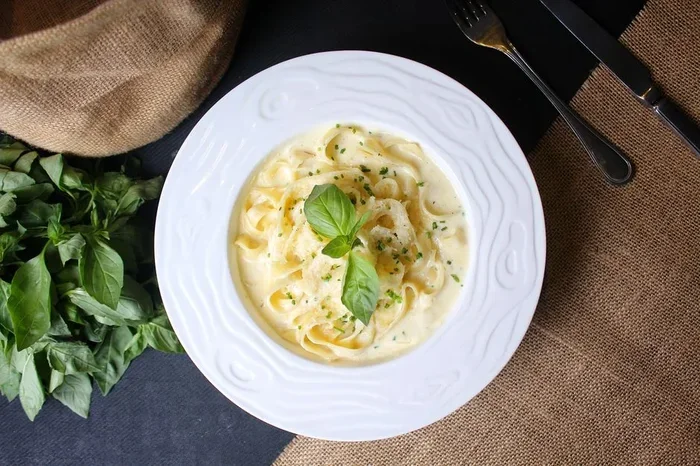
The original Italian Alfredo sauce recipe is a timeless classic made with just butter, Parmesan cheese, and pasta water. This rich and creamy sauce is easier to make than you think, and it delivers restaurant-quality results every time. You will learn the authentic technique, helpful tips, and variations to elevate your pasta nights.
There is something magical about a warm bowl of pasta coated in a silky, rich sauce. The original Italian Alfredo sauce recipe has been winning hearts for over a century, and for good reason. It is simple, elegant, and incredibly satisfying.
Many people think making authentic Alfredo sauce is complicated. They picture fancy restaurants with secret ingredients and complicated techniques. The truth is far different. The real Italian Alfredo sauce comes from Rome, and it relies on just a few quality ingredients working together in perfect harmony. No heavy creams. No long ingredient lists. Just pure, honest flavor.
Whether you are a beginner cook or a seasoned home chef, this recipe will change the way you think about pasta sauce. Once you taste the difference between homemade authentic Alfredo and the bottled stuff, there is no going back. Let us dive into everything you need to know about making this classic Italian recipe right in your own kitchen.
Key Takeaways
- Authentic Simplicity: The real Italian Alfredo sauce uses only a few humble ingredients — butter, Parmesan, and pasta water — no cream needed.
- Easy to Master: With basic stovetop technique, anyone can whip up this creamy pasta sauce in under 15 minutes.
- Versatile Base: This sauce pairs beautifully with fettuccine, chicken, vegetables, and more, making it a kitchen staple.
- Pro Tips Included: Learn the secrets chefs use to get perfectly silky, lump-free sauce every single time.
- Family-Friendly: Kids and adults alike love this comforting Italian comfort food, making it perfect for weeknight dinners.
- Healthier Options: Discover smart swaps to lighten the sauce without sacrificing that rich, creamy flavor.
📑 Table of Contents
- What Makes the Original Italian Alfredo Sauce So Special
- Ingredients You Will Need
- Step-by-Step Instructions for Perfect Alfredo Sauce
- Common Mistakes to Avoid
- Expert Tips for Restaurant-Quality Results
- Variations to Try at Home
- Why Homemade Alfredo Beats Store-Bought
- Storing and Reheating Your Alfredo Sauce
- Conclusion
What Makes the Original Italian Alfredo Sauce So Special
The story of Alfredo sauce begins in Rome, Italy, in the early 1900s. A restaurant owner named Alfredo di Lelio created a simple butter and cheese sauce to tempt his wife, who was recovering from childbirth. The dish was an instant hit. It became known as Fettuccine Alfredo, and it eventually spread around the world.
What makes the original Italian version different from what you find in most American restaurants is the technique and the ingredients. American versions often load up on heavy cream and garlic. The authentic Roman recipe stays true to its roots with a few key components:
- Unsalted butter — preferably high quality and real butter, not margarine
- Fresh Parmigiano-Reggiano — the real deal, not pre-shredded cheese
- Pasta cooking water — the starchy water that helps create a silky emulsion
- Fresh fettuccine — the traditional pasta shape for this dish
The magic happens when you emulsify the butter and cheese with the starchy pasta water. The result is a creamy pasta sauce that coats every strand perfectly. It is rich but not heavy, and it lets the quality of each ingredient shine through.
Why Fresh Ingredients Matter
The quality of your ingredients makes a huge difference in this recipe. Pre-shredded cheese contains anti-caking agents that prevent smooth melting. Freshly grated Parmigiano-Reggiano melts beautifully and creates that signature silky texture. Similarly, real butter gives a depth of flavor that margarine or low-fat spreads simply cannot match.
If you want to explore other creamy pasta dishes, check out this creamy cheese pasta recipe that uses a similar approach with Boursin cheese for an extra flavor kick.
Ingredients You Will Need
Keeping the ingredient list short is the secret to authentic Italian Alfredo sauce. Here is everything you need:
- 4 tablespoons unsalted butter
- 2 cups freshly grated Parmigiano-Reggiano cheese
- 1 pound fresh fettuccine
- 1 cup pasta cooking water (starchy)
- Salt and freshly ground black pepper to taste
- Optional: a pinch of nutmeg for warmth
That is it. No garlic. No parsley. No cream. The beauty of this original Italian alfredo sauce recipe lies in its simplicity. Each ingredient plays a vital role in creating the final dish.
Substitutions and Alternatives
While the traditional recipe calls for specific ingredients, you can make smart swaps without losing the spirit of the dish. If you cannot find fresh fettuccine, dried fettuccine works fine — just cook it a minute or two less than the package says. For a lighter version, you can reduce the butter slightly and add a splash of heavy cream, though purists might raise an eyebrow.
If you love adding protein to your pasta, try pairing this sauce with grilled chicken for a chicken alfredo dinner the whole family will enjoy. The rich cream sauce recipe pairs wonderfully with tender chicken breast or shrimp.
Step-by-Step Instructions for Perfect Alfredo Sauce
Making authentic Alfredo sauce is straightforward, but the technique matters. Follow these steps closely, and you will nail it every time.
Step 1: Cook the Pasta
Bring a large pot of generously salted water to a boil. Add your fettuccine and cook until al dente — tender but still with a slight bite. Before draining, scoop out at least one cup of the starchy pasta water. This liquid is gold. The starch in it helps bind the butter and cheese into a smooth, glossy sauce.
Step 2: Melt the Butter
While your pasta cooks, place a large skillet or saucepan over low heat. Add the butter and let it melt slowly. Do not let it brown or sizzle. Low and slow is the key here. You want the butter warm and liquid but not hot enough to scorch the cheese later.
Step 3: Add the Cheese
Remove the pan from the heat. Add the freshly grated Parmigiano-Reggiano gradually, stirring constantly. Adding the cheese off the heat prevents it from clumping or becoming greasy. Keep stirring in smooth, circular motions until the cheese melts completely into the butter.
Step 4: Emulsify with Pasta Water
This is the step that separates a good Alfredo from a great one. Add the starchy pasta water a little at a time, stirring continuously. The starch and fat come together to create a rich pasta sauce that is silky and glossy. Add more water as needed until you reach your desired consistency.
Step 5: Combine and Serve
Add the drained pasta directly into the sauce. Toss everything together over low heat for about one minute, making sure every strand is coated. Serve immediately. Alfredo sauce waits for no one, and it thickens quickly as it sits.
For a heartier meal, this Italian Alfredo sauce works beautifully over grilled chicken or with steamed broccoli. You can also explore marry me chicken pasta for a flavorful twist that combines creamy sauce with savory chicken.
Common Mistakes to Avoid
Even though this recipe is simple, there are a few pitfalls that can ruin your sauce. Here is what to watch out for:
- Using pre-shredded cheese: It contains cellulose powder that prevents smooth melting. Always grate your cheese fresh.
- Overheating the butter: Browned butter changes the flavor and can cause the cheese to seize up.
- Adding cheese on high heat: This causes the proteins to clump. Always add cheese off the heat.
- Skipping the pasta water: Without the starch, you cannot achieve that creamy emulsion.
- Letting the sauce sit too long: Alfredo thickens as it cools. Serve it right away while it is hot and fluid.
Expert Tips for Restaurant-Quality Results
Once you master the basics, these pro tips will take your homemade Alfredo sauce to the next level:
- Use a pasta pot with a strainer lid: This makes scooping pasta water effortless and mess-free.
- Reserve extra pasta water: You can always add more, but you cannot take it away. Start with less and build up.
- Warm your plates: A cold plate will cool your sauce quickly. Run them under hot water before serving.
- Grate cheese finely: The smaller the shreds, the faster they melt into the sauce for a smoother finish.
- Season at the end: The cheese and butter are already salty. Taste before adding extra salt.
If you want to see how this Italian white sauce compares to other creamy pasta dishes, explore these classic Alfredo pasta recipes for inspiration and creative variations.
Variations to Try at Home
The beauty of the original Italian Alfredo sauce recipe is that it serves as a perfect foundation for creativity. Here are some delicious variations to try:
Chicken Alfredo
Grill or pan-sear seasoned chicken breasts and lay them over your fettuccine Alfredo. This turns a simple pasta into a complete, protein-packed meal that works for dinner any night of the week.
Shrimp Alfredo
Sauté garlic in olive oil, add peeled shrimp, and cook until pink. Toss with your Alfredo sauce and fresh fettuccine. The seafood adds a luxurious touch that feels special without being difficult.
Vegetable Alfredo
Roasted asparagus, cherry tomatoes, and wilted spinach make beautiful additions to this creamy dish. The rich pasta sauce complements vegetables wonderfully and is a great way to get kids to eat their greens.
Spicy Alfredo
Add a pinch of red pepper flakes or a dash of white pepper to give your Italian comfort food a gentle kick. The heat balances beautifully with the creamy cheese.
If you are looking for more pasta inspiration, this chicken pasta recipe variation offers creative ways to mix up your weeknight meals with bold flavors and creamy sauces.
Why Homemade Alfredo Beats Store-Bought
Let us be honest. Jarred Alfredo sauce is convenient, but it cannot compare to what you make at home. Here is why making your own authentic Alfredo sauce is worth the effort:
| Homemade Alfredo | Store-Bought Alfredo |
|---|---|
| Fresh, recognizable ingredients | Preservatives and artificial additives |
| Customizable to your taste | Fixed flavor and salt levels |
| Creamy, silky texture | Often thin or grainy |
| Rich, real cheese flavor | Weak, processed cheese taste |
| Takes only 15 minutes | Convenient but inferior quality |
The difference in taste is night and day. When you make your own original Italian Alfredo sauce recipe, you control every element. You know exactly what goes into your food. And the flavor? It is incomparably better than anything from a jar.
Storing and Reheating Your Alfredo Sauce
If you have leftovers — and let us be honest, that rarely happens — here is how to handle them properly:
- Refrigerate: Store the sauce in an airtight container for up to three days. Keep the pasta and sauce separate if possible to prevent the pasta from absorbing too much sauce and becoming mushy.
- Reheat gently: Warm the sauce in a skillet over low heat. Add a splash of pasta water or milk to restore the creamy consistency. Stir frequently to prevent the sauce from breaking.
- Freeze with caution: Cheese-based sauces can separate when frozen. If you must freeze, do so for no more than one month, and plan to use it in a baked pasta dish where texture matters less.
The creamy pasta sauce is best enjoyed fresh, so try to make only what you will eat in one sitting. That is the Italian way — cook what you need, and savor every bite.
Conclusion
The original Italian Alfredo sauce recipe is proof that the best things in life are often the simplest. With just butter, Parmesan cheese, and pasta water, you can create a rich pasta sauce that rivals anything served in a fancy restaurant. It is fast, it is satisfying, and it is genuinely authentic.
Now that you know the technique and the tips, there is no reason not to try it tonight. Grab some good butter, grate fresh Parmigiano-Reggiano, and cook your fettuccine. In less than fifteen minutes, you will have a classic Italian dish on your table that will impress everyone at the table — including yourself.
Once you make this Italian Alfredo sauce at home, you will never look at store-bought sauce the same way again. It is a game changer for weeknight dinners, special occasions, and everything in between. So go ahead, give it a try, and taste the difference that real ingredients and real technique make.
For more delicious pasta inspiration, check out this marry me chicken pasta recipe that pairs beautifully with creamy sauces for a complete Italian feast at home.
Frequently Asked Questions
Can I use heavy cream instead of butter in Alfredo sauce?
The original Italian Alfredo sauce does not use cream at all. The traditional recipe relies on butter, Parmesan, and pasta water to create a creamy texture. Adding cream is an American adaptation, not the authentic Roman version.
Why is my Alfredo sauce grainy instead of smooth?
Grainy sauce usually happens when the cheese is added at too high a temperature or when using pre-shredded cheese. Always add grated cheese off the heat and use freshly grated Parmigiano-Reggiano for the smoothest results.
Can I make Alfredo sauce ahead of time?
You can make the sauce ahead, but it thickens significantly as it cools. Reheat it gently with a splash of pasta water or milk, and toss it with freshly cooked pasta just before serving for the best texture.
What pasta shapes work best with Alfredo sauce?
Fettuccine is the traditional choice because its flat ribbons hold the sauce perfectly. Other宽 pasta shapes like tagliatelle or pappardelle also work well. Avoid small shapes like penne, which do not coat as evenly.
Is Alfredo sauce healthy?
Authentic Alfredo sauce is rich in calcium and protein from the Parmesan cheese, but it is also high in calories and saturated fat due to the butter. Enjoy it as an occasional treat, and consider adding vegetables or lean protein to balance your meal.
Can I freeze Alfredo sauce for later use?
You can freeze Alfredo sauce, but the texture may change slightly due to the cheese separating. It works best in baked pasta dishes or casseroles after thawing. Add a little milk or pasta water when reheating to restore creaminess.



