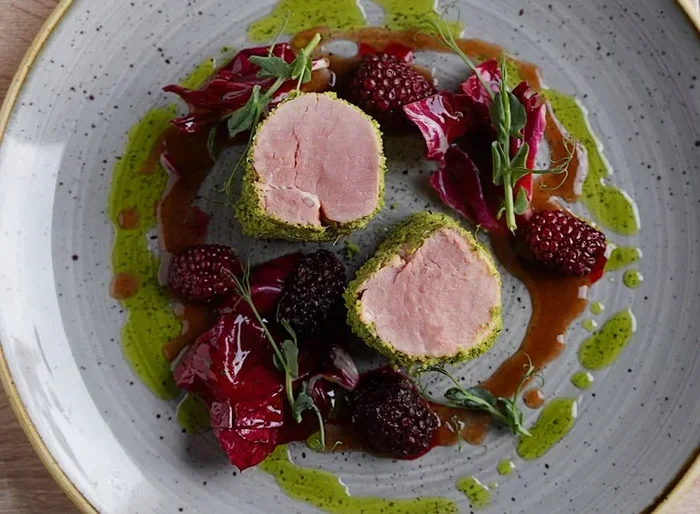
Pork tenderloin temp is the single most important factor in cooking a perfect, juicy pork tenderloin. The USDA recommends an internal temperature of 145°F followed by a 3-minute rest for safe and tender results. Whether you roast it in the oven, grill it, or pan-sear it, nailing the right pork tenderloin temp ensures moist, flavorful meat every single time.
Cooking pork tenderloin can feel intimidating. One minute it looks perfect, and the next, it’s dry and tough. The secret to pork tenderloin temp control is simpler than most people think. With the right tools and a basic understanding of how heat works, you can serve restaurant-quality pork tenderloin at home every week.
This guide walks you through everything you need to know about pork tenderloin temp. We cover safe temperatures, cooking methods, common mistakes, and pro tips that make a huge difference. Whether you are a beginner or a seasoned home cook, you will find practical advice here to level up your pork game.
Let us start with the basics. Understanding pork tenderloin internal temp is the foundation of every great cook. Once you know the target number, everything else falls into place.
Key Takeaways
- Target 145°F: The USDA safe internal temperature for pork tenderloin is 145°F with a 3-minute rest period.
- Use a meat thermometer: A digital instant-read thermometer is the only reliable way to check doneness.
- Rest your meat: Letting pork tenderloin rest for 5-8 minutes keeps juices locked inside.
- Adjust by cooking method: Oven, grill, and pan each require slightly different approaches to reach the right pork tenderloin temp.
- Avoid overcooking: Pork tenderloin dries out fast, so pulling it off heat at the right moment is critical.
📑 Table of Contents
- What Is the Ideal Pork Tenderloin Internal Temperature
- Why Pork Tenderloin Temp Matters So Much
- How to Check Pork Tenderloin Temperature Correctly
- Pork Tenderloin Temp by Cooking Method
- Common Mistakes When Cooking Pork Tenderloin
- Resting Your Pork Tenderloin: Why It Is Essential
- Pro Tips for Perfect Pork Tenderloin Every Time
- Frequently Asked Questions
- Conclusion
What Is the Ideal Pork Tenderloin Internal Temperature
The USDA food safety guidelines set the standard for pork tenderloin temp. According to current recommendations, pork should be cooked to an internal temperature of 145°F (63°C). This is followed by a mandatory 3-minute rest time before slicing or serving.
Why 145°F? This temperature strikes the perfect balance. It is hot enough to kill harmful bacteria, yet cool enough to keep the meat juicy and slightly pink in the center. Many people still follow the old rule of cooking pork to 160°F, but that outdated advice leads to dry, overcooked meat.
Understanding Pork Doneness Levels
Here is a quick breakdown of what different temperatures mean for your pork tenderloin:
- 145°F: The USDA-recommended safe temperature. Meat is slightly pink in the middle and very juicy.
- 150°F: A touch more done. Still moist but less pink. Good for those who prefer well-done pork.
- 155°F: Approaching medium-well. The meat starts losing moisture at this point.
- 160°F and above: Overcooked. The pork tenderloin will be dry and tough.
The sweet spot is 145°F to 150°F. Pulling your pork tenderloin off the heat at the right moment makes all the difference. Remember, the temperature will rise a few degrees during the rest period. This is called carryover cooking, and it matters a lot for pork.
Why Pork Tenderloin Temp Matters So Much
Pork tenderloin is a lean cut of meat. Unlike pork shoulder or ribs, which have lots of fat and connective tissue, tenderloin has almost no fat marbling. This means it has very little margin for error. Cook it too long, and it dries out fast.
Getting the pork tenderloin temp right affects three things:
- Safety: Cooking to 145°F ensures harmful bacteria are destroyed.
- Juiciness: Staying within the 145°F to 150°F range keeps the meat tender and moist.
- Texture: Proper temperature prevents the meat from becoming tough and chalky.
Think of pork tenderloin temp like a Goldilocks zone. Too low and it is not safe. Too high and it is dry. Just right and you get perfectly cooked, juicy pork every time.
If you love experimenting with different pork recipes, check out these boneless pork chop recipes for inspiration on keeping pork moist and flavorful.
How to Check Pork Tenderloin Temperature Correctly
The most important tool in your kitchen for monitoring pork tenderloin temp is a meat thermometer. Without one, you are guessing. And guessing leads to overcooked or undercooked meat.
Choosing the Right Thermometer
Not all thermometers are created equal. Here are the best options for checking pork tenderloin temperature:
- Instant-read digital thermometers: These give you a reading in about 10 seconds. They are affordable, accurate, and essential for every kitchen.
- Probe thermometers: These stay in the meat while it cooks. Great for oven roasting or smoking pork tenderloin.
- Wireless thermometers: These connect to your phone and alert you when the meat reaches target temp. A game-changer for busy cooks.
Where to Insert the Thermometer
Where you place the thermometer matters just as much as the tool itself. Follow these steps for an accurate reading:
- Insert the probe into the thickest part of the tenderloin.
- Avoid touching bone, fat, or the pan.
- Place the tip in the center of the meat.
- Wait for the reading to stabilize before deciding.
Taking the temp in multiple spots is a good habit. Pork tenderloin can cook unevenly, especially in thicker cuts. A quick check at both ends ensures even doneness throughout.
Pork Tenderloin Temp by Cooking Method
Different cooking methods require different approaches to reach the perfect pork tenderloin temp. Here is how to handle the most popular methods.
Oven-Roasted Pork Tenderloin
Oven roasting is the most common way to cook pork tenderloin. Preheat your oven to 400°F. Season the tenderloin with salt, pepper, garlic, and your favorite herbs.
Place the tenderloin in a baking dish or on a lined sheet pan. Roast for about 20 to 25 minutes. Use your thermometer to check the internal temperature. Pull the pork out when it reaches 140°F to 142°F. The carryover heat will bring it up to the safe 145°F during the rest period.
For a complete guide on oven-baked pork recipes, explore these high protein pork chop recipes that use similar roasting techniques.
Grilled Pork Tenderloin
Grilling adds a smoky flavor that pairs beautifully with pork tenderloin. Preheat your grill to medium-high heat (about 400°F to 425°F).
Sear the tenderloin for 2 to 3 minutes per side. Then move it to a cooler part of the grill to finish cooking. Close the lid and cook for another 10 to 15 minutes. Check the pork tenderloin temp frequently. You want to pull it off at 140°F to account for carryover cooking.
Grilling can be unpredictable, so keep a close eye on the thermometer. Wind, grill type, and thickness all affect cooking time.
Pan-Seared Pork Tenderloin
Pan-searing is the fastest method for cooking pork tenderloin. Heat a cast-iron skillet over medium-high heat with a little oil.
Sear the tenderloin for 2 to 3 minutes on each side until a golden crust forms. Then reduce the heat to medium and continue cooking for 5 to 8 more minutes. This method works great for thinner tenderloins. Check the temp often to avoid overcooking.
For a quick weeknight option, try this fast fry pork chop recipe which uses a similar searing technique that works beautifully for tenderloin too.
Blackstone Griddle Pork Tenderloin
Cooking pork tenderloin on a Blackstone griddle gives you an even sear and great flavor. Preheat the griddle to medium-high. Lightly oil the surface and place the seasoned tenderloin on the griddle.
Cook for about 4 to 5 minutes per side. The flat surface of the griddle allows for even contact and consistent cooking. Monitor the pork tenderloin temp closely with your thermometer. For more griddle-cooked pork inspiration, check out this Blackstone griddle boneless pork chop recipe.
Common Mistakes When Cooking Pork Tenderloin
Even experienced cooks make mistakes with pork tenderloin. Here are the most common errors and how to avoid them.
Skipping the Thermometer
This is the number one mistake. The “poke test” or “press test” does not work reliably for pork tenderloin. Only a meat thermometer gives you an accurate pork tenderloin temp. Invest in a good instant-read thermometer. It costs under $15 and will transform your cooking.
Overcooking the Tenderloin
Pork tenderloin is lean and thin. It can go from perfect to dry in just a few minutes. The biggest culprit is leaving it on the heat too long. Pull it off early and let carryover cooking do the rest.
Not Letting the Meat Rest
Resting is not optional. When you cut into hot pork tenderloin right away, the juices run out onto the cutting board. Let it rest for 5 to 8 minutes after cooking. This allows the juices to redistribute, making every bite moist and flavorful.
Cooking from Cold
Take the pork tenderloin out of the fridge 20 to 30 minutes before cooking. A cold center cooks unevenly. Bringing it closer to room temperature helps the meat cook more uniformly and reach the target pork tenderloin temp faster.
Resting Your Pork Tenderloin: Why It Is Essential
Resting is the step most people skip. But it is arguably the most important part of cooking pork tenderloin. When meat comes off the heat, the juices are concentrated in the center. Cutting too early releases all those juices, leaving you with dry meat.
Here is what happens during the rest period:
- The internal temperature rises 3 to 5 degrees from carryover cooking.
- The muscle fibers relax and reabsorb juices.
- The meat becomes more tender and easier to slice.
Wrap the tenderloin loosely in aluminum foil during resting. This keeps it warm without trapping too much steam, which could soften the crust. A 5 to 8 minute rest is ideal for a standard pork tenderloin.
For more tips on making the most of your leftover pork, these leftover pork chop recipe ideas are a great resource for delicious next-day meals.
Pro Tips for Perfect Pork Tenderloin Every Time
Now that you understand pork tenderloin temp and why it matters, here are some expert tips to take your cooking to the next level.
Brine for Extra Juiciness
Brining is a simple trick that adds moisture to lean pork. Soak the tenderloin in a saltwater solution for 1 to 2 hours before cooking. Use 1 tablespoon of salt per cup of water. This helps the meat retain moisture during cooking, even if you accidentally cook it a degree or two too high.
Marinate for Flavor
A good marinade adds depth and complexity. Acidic ingredients like lemon juice, vinegar, or yogurt help tenderize the meat. Marinate for at least 30 minutes, or up to overnight in the fridge. Just remember that acidic marinades can cook the outer layer if left too long, so keep the marinating time reasonable.
Sear Before Roasting
For oven-roasted pork tenderloin, start by searing it in a hot skillet. This creates a flavorful crust that locks in juices. After searing all sides, transfer the tenderloin to the preheated oven and finish cooking to the right pork tenderloin temp.
Slice Against the Grain
When it is time to serve, always slice against the grain. This shortens the muscle fibers and makes each piece more tender. Cutting with the grain results in chewier bites, even if the temperature was perfect.
Frequently Asked Questions
What is the safe internal temperature for pork tenderloin?
The USDA recommends cooking pork tenderloin to an internal temperature of 145°F followed by a 3-minute rest. This is the safe temperature that ensures the meat is both safe to eat and still juicy. Using a meat thermometer is the only way to confirm you have reached this temperature accurately.
Can pork tenderloin be slightly pink inside?
Yes, pork tenderloin can be slightly pink at 145°F. The pink color does not mean the meat is undercooked or unsafe. Modern pork is leaner and safer than it used to be. As long as the internal temperature reaches 145°F, a little pink in the center is perfectly fine and actually indicates a juicy result.
How long does it take to cook pork tenderloin at 400°F?
At 400°F, a pork tenderloin typically takes 20 to 25 minutes to cook, depending on the thickness. The key is to use a thermometer rather than a timer. Pull the tenderloin when it reaches 140°F to 142°F and let carryover cooking bring it up to the safe 145°F during the rest period.
Should I cover pork tenderloin while cooking?
For oven roasting, you can cover the tenderloin with foil for the first half of cooking to promote even heat distribution. Then remove the foil for the last 5 to 10 minutes to allow the outside to brown and form a crust. For grilling or pan-searing, keep the tenderloin uncovered throughout the cook.
What is carryover cooking and how does it affect pork tenderloin?
Carryover cooking is the rise in internal temperature that continues after you remove the meat from the heat source. Pork tenderloin can rise 3 to 5 degrees during resting. This is why you should pull the meat off the heat a few degrees below your target pork tenderloin temp. Failing to account for carryover is one of the most common reasons pork ends up overcooked.
How can I tell if pork tenderloin is done without a thermometer?
While a thermometer is always the best tool, you can use the touch test as a backup. Press the center of the tenderloin with your finger or tongs. If it feels firm but still has a slight give, it is likely around 145°F. If it feels very firm and springy, it is probably over 155°F and heading toward dry territory. However, this method is far less reliable than using a thermometer.
Conclusion
Cooking pork tenderloin does not have to be stressful. The key to success is understanding and monitoring pork tenderloin temp. Aim for 145°F, use a reliable meat thermometer, and always let the meat rest before slicing.
With the tips and techniques in this guide, you have everything you need to cook pork tenderloin perfectly every single time. Whether you prefer it oven-roasted, grilled, or pan-seared, the principles remain the same. Get the temperature right, and the flavor takes care of itself.
Start with a simple recipe, practice your technique, and soon you will be serving juicy, tender pork tenderloin that impresses everyone at the table. The pork tenderloin temp is your best friend in the kitchen. Trust it, use it, and enjoy the results.