
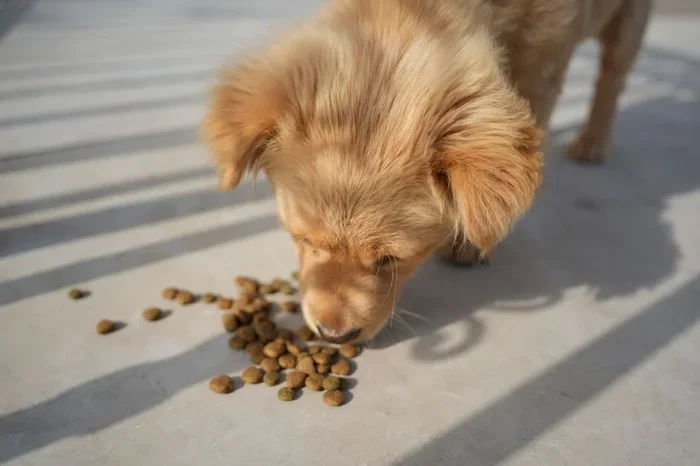
Choosing the best food for large dog breeds means focusing on high-quality ingredients, joint support, and proper calorie balance. Large dogs have unique nutritional needs that differ from smaller breeds, and the right diet can add years to their life. This guide covers top-rated options, key ingredients to look for, and practical feeding tips for happy, healthy big dogs.
Bringing a large dog into your life is one of the most rewarding experiences you can have. Whether you own a Great Dane, a Labrador, or a German Shepherd, you know that big dogs come with big needs. And one of the most important things you can do for your furry companion is to feed them the right way.
Not all dog food is created equal. Large dog breeds have different nutritional requirements than small breeds. They grow faster, carry more weight, and put more stress on their joints. That means the food you choose needs to do more than just fill their bowls. It needs to support their overall health from nose to tail.
In this guide, we will walk you through everything you need to know about choosing the best food for large dog breeds. We will cover what ingredients matter, how much to feed, and which options stand out in the market today. By the end, you will feel confident making the best choice for your four-legged family member.
Key Takeaways
- Large breeds need specialized nutrition: Their food should support joint health, controlled growth, and sustained energy levels.
- Protein and fat ratios matter: Look for foods with balanced protein content to maintain muscle without excess weight gain.
- Avoid fillers and artificial ingredients: Quality ingredients lead to better digestion and long-term health for your big dog.
- Feeding amount and schedule are critical: Overfeeding large breeds can lead to obesity and joint problems.
- Consider life stage: Puppies, adults, and seniors all need different nutritional profiles tailored to their size.
- Storage matters too: Keep your dog food fresh using proper containers like airtight containers for dog food to preserve freshness.
📑 Table of Contents
Why Large Dog Breeds Need Special Food
You might wonder why large dogs cannot just eat the same food as smaller dogs. The answer comes down to biology. Large breeds grow at a much faster rate, especially during their first year. This rapid growth puts extra strain on their bones, joints, and organs. The wrong diet can lead to serious health problems down the road.
Here is what makes large breed nutrition different:
- Calorie control: Large dogs need fewer calories per pound of body weight than small dogs. Too many calories lead to fast weight gain, which stresses their joints.
- Joint support: Ingredients like glucosamine and chondroitin help keep joints healthy. This is especially important for breeds prone to hip dysplasia.
- Controlled calcium levels: Too much calcium during growth can cause skeletal problems in large breed puppies.
- Larger kibble size: Big dogs need bigger pieces of kibble to encourage proper chewing and digestion.
When you choose large breed dog food, you are giving your pet the foundation for a longer, healthier life. It is one of the simplest things you can do as a responsible dog owner.
Key Ingredients to Look For
Not all dog food labels are easy to read. But knowing what to look for can make a huge difference. Here are the ingredients that should be at the top of your list when shopping for the best food for large dog breeds.
High-Quality Protein Sources
Protein is the building block of your dog’s muscles, organs, and immune system. For large breeds, you want a food that lists a real meat source as the first ingredient. Think chicken, beef, lamb, or fish. Avoid foods where meat by-products or vague terms like “animal meal” are listed first.
A good rule of thumb is to aim for food with at least 25% protein content. This supports muscle maintenance without adding unnecessary calories. Active large breeds especially benefit from higher protein levels.
Healthy Fats and Omega Fatty Acids
Fats get a bad reputation, but they are essential for your dog’s health. Omega-3 and omega-6 fatty acids keep your dog’s coat shiny and their skin healthy. They also support brain function and reduce inflammation throughout the body.
Look for foods that include fish oil, flaxseed, or chicken fat as sources of healthy fats. These ingredients are natural and highly digestible for large dogs.
Joint-Support Nutrients
Joint health is a top priority for large breeds. Glucosamine, chondroitin, and MSM are three ingredients that work together to support cartilage and reduce joint wear. Many premium large breed adult dog food options include these nutrients built right into the formula.
If your dog is already showing signs of joint stiffness, consider food that specifically targets joint health. You can also pair their diet with supplements, but always check with your vet first.
Fiber and Digestible Carbohydrates
Your dog needs fiber for healthy digestion and regular bowel movements. Brown rice, sweet potatoes, and peas are excellent sources of digestible carbohydrates. They provide sustained energy without causing blood sugar spikes.
Avoid foods heavy on corn, wheat, or soy. These fillers offer little nutritional value and can cause digestive upset in many dogs.
Top Picks for the Best Food for Large Dog Breeds
With so many options on the market, picking the right food can feel overwhelming. We have done the research to help you narrow down your choices. Here are some of the best options for large breeds, broken down by category.
Best Dry Kibble for Large Breeds
Dry kibble is the most popular choice for large dogs, and for good reason. It is convenient, affordable, and helps keep teeth clean through the chewing action. Look for kibble brands that formulate specifically for large breeds. These recipes balance protein, fat, and joint-support nutrients in every bite.
When choosing dry food, check the feeding guidelines on the bag. Large breeds typically need 3 to 4 cups per day, depending on their weight and activity level. Always measure your portions to avoid overfeeding.
Best Wet Food for Large Breeds
Wet food is a great option if your dog is a picky eater or needs extra hydration. It has a stronger smell and richer taste that most dogs love. Many owners mix wet food with dry kibble for a balanced meal that their dog cannot resist.
The downside of wet food is the cost and shorter shelf life. Once opened, it needs to be refrigerated and used within a day or two. It is also higher in calories, so you may need to adjust portion sizes.
Best Raw and Fresh Food Options
Raw and fresh food diets are gaining popularity among dog owners who want complete control over what their pets eat. These diets typically include raw meat, bones, vegetables, and organ meats. They are highly nutritious and free from preservatives and fillers.
However, raw diets require careful planning to ensure nutritional balance. You need to provide the right vitamins and minerals in the correct ratios. Many owners work with a veterinary nutritionist to design a raw diet plan that meets their large dog’s specific needs.
How Much and How Often to Feed Your Large Dog
Feeding the right amount is just as important as feeding the right food. Overfeeding is one of the most common mistakes large dog owners make, and it can lead to serious health issues.
Here is a general feeding guide for large breeds:
- Puppies (2 to 12 months): Feed three to four times a day with a large breed puppy formula. This supports steady, controlled growth.
- Adults (1 to 6 years): Feed two times a day. Follow the package guidelines and adjust based on your dog’s activity level and body condition.
- Seniors (7 years and older): Feed two times a day with a senior formula that is lower in calories but still rich in nutrients.
Use a measuring cup or a kitchen scale to get portions right. Visual cues like feeling your dog’s ribs can help you tell if they are at a healthy weight. You should be able to feel the ribs without pressing hard, but they should not be visibly sticking out.
Common Mistakes to Avoid When Feeding Large Dogs
Even the most loving dog owners make feeding mistakes. Here are some common pitfalls to watch out for.
Overfeeding
Large dogs love to eat, and it is easy to give in to those big, pleading eyes. But overfeeding leads to obesity, which puts extra stress on joints, hearts, and organs. Stick to the recommended portions and limit treats to no more than 10% of your dog’s daily calorie intake.
Switching Foods Too Quickly
Dogs have sensitive stomachs, and sudden food changes can cause vomiting, diarrhea, and loss of appetite. When switching to a new food, do it gradually over 7 to 10 days. Mix increasing amounts of the new food with decreasing amounts of the old food.
Ignoring Allergies and Sensitivities
Some large breeds are prone to food allergies. Common triggers include chicken, beef, dairy, and grains. If your dog has itchy skin, ear infections, or digestive issues, talk to your vet about an elimination diet to identify the culprit.
Skipping Fresh Water
Large dogs need plenty of fresh water every day. Dehydration can lead to serious health problems. Keep a clean water bowl available at all times, and consider using a large water dispenser for dogs to ensure they always have access to clean water throughout the day.
Storage Tips for Keeping Dog Food Fresh
Once you have invested in the best food for your large dog, you want to keep it fresh and safe. Proper storage makes a big difference in maintaining nutritional value and preventing spoilage.
Store dry dog food in a cool, dry place away from direct sunlight. Use a sealed container that keeps out moisture and pests. Many owners find that investing in a quality storage bin helps keep their dog’s food fresh for longer periods.
For wet food, refrigerate any unused portions immediately and discard food that has been left out for more than two hours. Following these simple steps ensures that every meal you serve is as nutritious and safe as possible.
If you want to keep your dog food fresh for months, consider using large airtight storage containers designed specifically for food preservation. These containers create a seal that locks out air and moisture, keeping your dog’s kibble tasting fresh and maintaining its nutritional value for longer.
Conclusion
Finding the best food for large dog breeds does not have to be complicated. Focus on high-quality ingredients, proper nutrition for your dog’s life stage, and consistent feeding habits. Your large dog deserves food that supports their joints, muscles, and overall well-being.
Take the time to read labels, compare options, and consult your veterinarian if you are ever unsure. The right diet is one of the greatest gifts you can give your large breed companion. A well-fed dog is a happy, healthy, and energetic dog who will be by your side for many years to come.
Start making small improvements to your dog’s diet today. Whether you switch to a better kibble, add some wet food to their routine, or simply measure their portions more carefully, every step counts. Your big furry friend will thank you with wagging tails and sloppy kisses.
Frequently Asked Questions
What is the best food for large dog breeds?
The best food for large dog breeds is one that is specifically formulated for their size and nutritional needs. Look for foods with high-quality protein, controlled fat levels, and joint-support ingredients like glucosamine. Brands that cater to large breeds typically get the calcium and calorie balance right for their growth and maintenance needs.
How much should I feed my large dog each day?
Most large dogs need between 3 to 5 cups of dry food per day, split into two meals. The exact amount depends on your dog’s weight, age, and activity level. Always check the feeding guide on the food package and adjust based on your dog’s body condition. If you are unsure, your vet can help you determine the right portion size.
Can I feed my large dog homemade food?
Yes, you can feed your large dog homemade food, but it must be nutritionally balanced. Homemade diets need to include the right mix of protein, carbohydrates, fats, vitamins, and minerals. Working with a veterinary nutritionist is the best way to ensure your dog gets everything they need without any nutritional gaps.
When should I switch my large breed puppy to adult food?
Large breed puppies should stay on puppy food until they are about 12 to 18 months old. Large breeds grow more slowly than small breeds, so they need the specialized nutrition of puppy food for longer. Switching too early can lead to rapid growth and joint problems. Talk to your vet for the best timing for your specific dog.
What ingredients should I avoid in large dog food?
Avoid dog foods that list corn, wheat, or soy as the primary ingredients. These are fillers with little nutritional value. Also steer clear of artificial colors, flavors, and preservatives. Foods with vague ingredient names like “meat by-products” or “animal digest” are best avoided as well. Stick to foods with real, recognizable ingredients.
How can I tell if my large dog is at a healthy weight?
You should be able to feel your dog’s ribs easily without pressing hard. From above, your dog should have a visible waist. If you cannot feel the ribs or if the waist is not visible, your dog may be overweight. Regular weigh-ins at the vet and adjusting food portions accordingly will help keep your large dog at a healthy weight.



