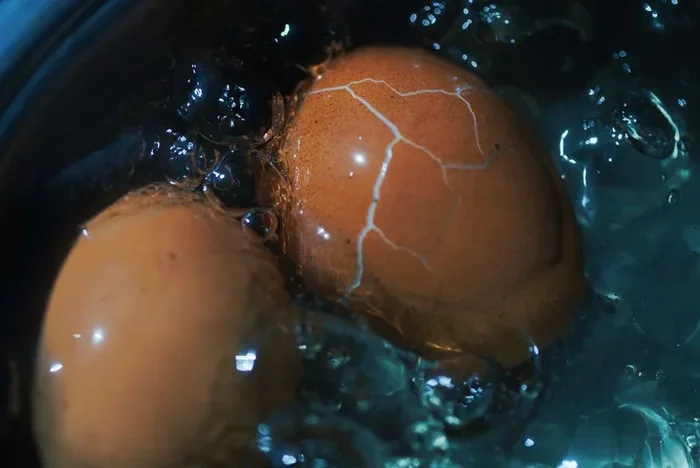
Hard boiled eggs can last up to 7 days in the fridge when stored properly. Keeping them in their shell and using an airtight container are the top tips for maximum freshness. Knowing how to store and spot spoiled eggs keeps your food safe and delicious.
Few kitchen staples are as convenient as hard boiled eggs. They make quick snacks, easy breakfasts, and perfect salad toppings. But here is the question almost everyone asks at some point: how long do hard boiled eggs last in fridge?
The answer might surprise you. Most people either toss their eggs too early or risk eating them too late. Understanding the proper storage window helps you enjoy every egg safely and reduces food waste. This guide covers everything you need to know about storing hard boiled eggs, from shell-on techniques to spoilage signs.
Whether you meal prep on Sundays or grab a quick protein boost during the week, knowing the shelf life of your eggs matters. Let us dive into the details so you never have to guess again.
Key Takeaways
- Hard boiled eggs last up to 7 days in the fridge: Proper storage makes all the difference in freshness and safety.
- Keep the shell on until ready to eat: The shell acts as a natural barrier against bacteria and odor absorption.
- Always use an airtight container: This prevents your eggs from picking up smells from other foods in the fridge.
- Watch for spoilage signs: A bad smell, slimy texture, or unusual color means it is time to toss the egg.
- Freezing is not recommended: The texture changes dramatically, making the whites rubbery and unappetizing.
- The float test works for raw eggs: For hard boiled eggs, rely on smell and visual inspection instead.
- Label your storage container: Writing the date helps you track freshness and avoid eating expired eggs.
📑 Table of Contents
How Long Do Hard Boiled Eggs Last in Fridge?
The short answer is 7 days. The United States Department of Agriculture confirms that cooked eggs, including hard boiled ones, should be consumed within one week of cooking. This applies whether the eggs are peeled or still in their shell.
But the full picture is a little more nuanced. Several factors affect how long your eggs stay fresh. Let us break them down so you get the most out of every batch.
Unpeeled vs Peeled Hard Boiled Eggs
This is the first big decision after cooking your eggs. Should you peel them right away or leave the shell on?
Unpeeled hard boiled eggs last longer. The shell provides a natural protective barrier. It keeps bacteria out and locks in moisture. Unpeeled eggs can comfortably stay fresh for the full 7 days.
Peeled hard boiled eggs are a different story. Once you remove the shell, the egg is exposed to air and bacteria. Peeled eggs are best eaten within 2 to 3 days. After that, the risk of spoilage increases significantly.
Here is a quick comparison to make it crystal clear:
- Unpeeled: Up to 7 days in the fridge
- Peeled: Best within 2 to 3 days
- Cut or sliced: Eat within 1 to 2 days
The takeaway is simple. If you are not planning to eat them right away, leave the shell on. You can always peel an egg right before you eat it.
Why the Shell Matters So Much
The shell is more than just a wrapper. It is a natural defense system. The porous shell membrane helps regulate moisture and blocks most harmful bacteria from entering.
When you remove the shell, you expose the porous surface of the egg white. This surface absorbs odors from the fridge and becomes a breeding ground for bacteria faster. That is why peeled eggs lose their freshness so quickly.
If you must peel your eggs ahead of time, store them in a covered container with a damp paper towel. This adds a layer of moisture protection and slows down spoilage.
Signs Your Hard Boiled Eggs Have Gone Bad
Nobody wants a rotten egg surprise. Fortunately, your senses are the best tools for spotting spoiled hard boiled eggs. Here is what to watch for.
The Smell Test
This is the number one way to check if an egg has gone bad. A fresh hard boiled egg has little to no smell. A spoiled egg gives off a strong, sulfur-like odor. Even a faint rotten smell means you should throw it away immediately.
Do not rely on taste to check. If the smell is off, the egg is no longer safe to eat. Trust your nose.
Visual Clues
Look at the egg carefully. A fresh hard boiled egg has a smooth, firm white and a yellow yolk. Signs of spoilage include:
- A slimy or sticky surface on the white
- A pink, green, or iridescent appearance on the egg white
- A flat or discolored yolk
- Any visible mold growth
If you notice any of these signs, do not take chances. Discard the egg right away. Food safety should always come first.
The Texture Check
Run your fingers over the egg. A fresh hard boiled egg feels slightly moist but not sticky. If the surface feels slippery or tacky, bacteria have likely started to grow. When in doubt, throw it out.
Best Practices for Storing Boiled Eggs
Proper storage is the key to making your hard boiled eggs last the full 7 days. These simple steps make a huge difference.
Use an Airtight Container
Store your eggs in a sealed container. This prevents them from absorbing odors from other foods in the fridge. It also keeps moisture levels stable, which slows down spoilage.
A shallow airtight container works best. It lets you stack eggs without crushing them. You can also use a zip-lock bag if you do not have a container handy.
Refrigerate Promptly
Do not leave cooked eggs sitting out on the counter. Bacteria grow rapidly between 40°F and 140°F. This is known as the danger zone in food safety.
Cool your eggs quickly after cooking. Place them in a bowl of ice water for about 10 minutes. Then transfer them to the fridge right away. The faster they cool, the longer they stay fresh.
Keep Them in the Main Fridge Compartment
Store your eggs in the main body of the fridge, not in the door. The door temperature fluctuates every time you open it. The main compartment maintains a more consistent refrigerator temperature of around 40°F or below.
Consistent cold storage is one of the most overlooked factors in egg freshness. A stable temperature slows bacterial growth and preserves texture.
Can You Freeze Hard Boiled Eggs?
The short answer is no. Freezing hard boiled eggs is not recommended. The texture changes dramatically. The egg whites become rubbery and watery. The yolk can become gummy and crumbly.
You might think freezing is a good way to extend shelf life. But the result is an egg that tastes and feels completely different. It is not worth the trade-off.
If you have too many eggs and cannot eat them in time, consider these alternatives:
- Share them with friends or family
- Use them in egg salad or sandwiches within 3 days
- Cook smaller batches more frequently
For long-term storage of raw eggs, check out our guide on how to store eggs for long term. It covers techniques that actually work for raw eggs in the freezer.
Common Mistakes People Make with Egg Storage
Even the best cooks make mistakes when storing hard boiled eggs. Here are the most common ones and how to avoid them.
Leaving Eggs in the Cooking Water
Some people dump their hot eggs straight into a storage container while still wet. This creates a warm, moist environment where bacteria thrive. Always dry your eggs thoroughly before storing them.
Storing Eggs Without a Cover
Uncovered eggs in the fridge absorb odors quickly. They can also dry out, which affects the texture and taste. Always use a lid or a sealed bag.
Ignoring the Date
It is easy to lose track of when you cooked a batch of eggs. Get into the habit of writing the date on the container with a marker. This simple step takes two seconds and saves you from guessing.
Washing Eggs Before Storing
Do not wash hard boiled eggs before storing them. The shell has a natural protective coating. Washing removes it and can push bacteria through the porous shell. Just store them as they are.
Expert Tips for Maximum Freshness
Want your hard boiled eggs to taste their best and last as long as possible? Follow these pro tips.
Start with Fresh Eggs
Older raw eggs are actually easier to peel after boiling. But very old eggs may not be safe to cook in the first place. Use eggs that are within their raw egg freshness window for the best results.
Cool Them Fast
The rapid cooling method works wonders. After boiling, transfer eggs to an ice bath for 10 to 15 minutes. This stops the cooking process and makes peeling easier too.
Peel Only What You Need
If you are meal prepping, leave eggs in their shell and peel them one at a time. This keeps the remaining eggs fresher for longer. It is a small habit that pays off big.
Use a Dedicated Egg Container
A container designed for eggs keeps them organized and protected. Some containers come with ventilation holes that help regulate moisture. This is especially useful if you store both raw and boiled eggs in the fridge.
If you are looking for tools that make egg prep easier, check out our reviews on the best egg cooker for hard boiled eggs and the best egg cutter for soft boiled eggs. Both tools can save time and improve consistency in your kitchen.
How to Reheat Hard Boiled Eggs Safely
Reheating a hard boiled egg is tricky. The yolk can become rubbery and dry out quickly. But sometimes you need a warm egg, and that is perfectly fine.
The safest method is to place the egg in a heat-safe bowl and pour hot water over it. Let it sit for 5 to 10 minutes. This warms the egg gently without overcooking it.
Avoid microwaving hard boiled eggs. The steam builds up inside the egg and can cause it to explode. This creates a mess and a safety hazard. Always reheat with caution.
Final Thoughts
So, how long do hard boiled eggs last in fridge? The answer is up to 7 days when stored correctly. Keep them in their shell, use an airtight container, and refrigerate them promptly. Watch for spoilage signs like bad smells, slimy textures, or discoloration.
Storing eggs properly is one of the simplest kitchen habits you can build. It saves money, reduces waste, and keeps your meals safe. With these tips in mind, you can confidently prep, store, and enjoy your hard boiled eggs all week long.
The next time you boil a batch, you will know exactly how to get the most out of every single egg. Fresh, safe, and delicious eggs are just good storage away.
Frequently Asked Questions
Can hard boiled eggs last longer than 7 days in the fridge?
The USDA recommends eating them within 7 days for safety. Some people claim they last longer, but the risk of bacterial growth increases after day 7. Always prioritize food safety over saving a few eggs.
Is it safe to eat a hard boiled egg that smells slightly off?
No. A sulfur-like or rotten smell is a clear sign of spoilage. Even if the egg looks normal, the odor means bacteria have started to break it down. When in doubt, throw it out.
How can I tell if a hard boiled egg is still good?
Use the smell test first. A fresh egg has little to no odor. Then check for visual signs like slime, discoloration, or an unusual texture. If both the smell and appearance are normal, the egg is likely safe to eat.
Can I store peeled hard boiled eggs in water in the fridge?
It is not recommended. Storing peeled eggs in water can introduce bacteria and change the texture. Instead, place peeled eggs in an airtight container with a damp paper towel to maintain moisture.
Why do hard boiled eggs develop a green ring around the yolk?
The green ring is caused by a chemical reaction between the iron in the yolk and the sulfur in the white. It happens when eggs are overcooked or cooled too slowly. While it looks unappealing, the egg is still safe to eat.
What is the best container for storing hard boiled eggs?
An airtight container works best. Glass or BPA-free plastic containers with tight-fitting lids are ideal. They keep odors out and moisture levels stable. Avoid storing eggs in their cooking water as well.
=== CONCLUSION ===
Hard boiled eggs are a simple, nutritious, and incredibly convenient food. Knowing how long they last in the fridge helps you eat smarter and waste less. Remember, unpeeled eggs stay fresh for up to 7 days, while peeled eggs are best within 2 to 3 days.
Follow the storage tips in this guide and trust your senses when checking for spoilage. A little attention goes a long way in keeping your eggs safe and delicious. Now you have everything you need to store, enjoy, and never second-guess your hard boiled eggs again.