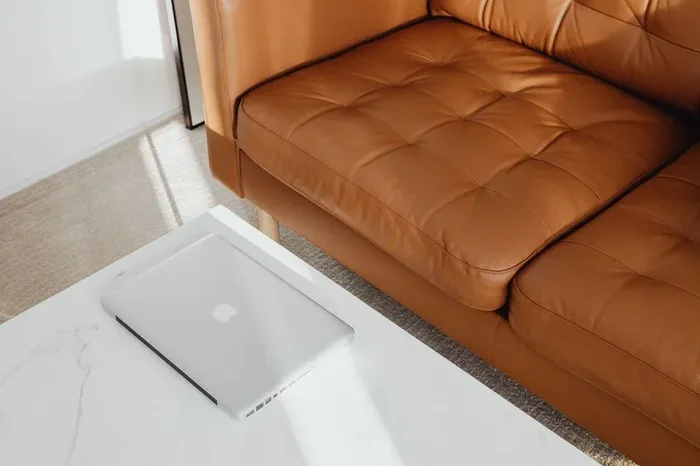
Cleaning your leather couch doesn’t have to be hard. With the right supplies and a few simple steps, you can remove stains, restore shine, and protect your leather sofa from daily wear. This guide covers everything from basic wipe-downs to deep cleaning methods that actually work.
Your leather couch is one of the most expensive and stylish pieces in your home. Over time, daily use, spills, and dust can dull its natural beauty. The good news is that cleaning a leather couch is easier than most people think.
Whether you have a brand-new leather sofa or a vintage piece you love, this guide walks you through every step. You’ll learn how to tackle everyday grime, remove stubborn stains, and keep your leather looking brand new. No expensive professional services required.
Leather couch maintenance is all about consistency. A little care goes a long way. Let’s dive in and explore the best ways to care for your leather furniture.
Key Takeaways
- Regular dusting and wiping prevents buildup and keeps leather looking fresh between deep cleans.
- Homemade cleaning solutions using mild soap and water are safe, affordable, and effective for most leather types.
- Conditioning after cleaning is essential to prevent drying, cracking, and premature aging of your leather couch.
- Acting fast on spills stops stains from setting in and makes the cleaning process much easier.
- Avoiding harsh chemicals like bleach, ammonia, or alcohol-based cleaners protects the leather’s natural oils and finish.
- Testing any cleaner on a hidden spot first ensures you won’t damage or discolor your leather sofa.
📑 Table of Contents
- Why Cleaning Your Leather Couch Matters
- What You Need Before You Start
- Step-by-Step Guide to Cleaning Your Leather Couch
- How to Handle Common Leather Couch Stains
- Protecting Your Leather Couch After Cleaning
- Expert Tips for Long-Term Leather Care
- Common Mistakes to Avoid When Cleaning Leather
- Conclusion
Why Cleaning Your Leather Couch Matters
Leather is a natural material that needs regular care. Unlike fabric couches, leather doesn’t trap dust deep inside fibers. But it does need attention to stay in top shape.
Dirt and oils from your skin build up on the surface over time. Without proper leather upholstery care, this grime can cause discoloration and cracks. The leather loses its soft, supple feel and starts looking aged and worn.
Regular cleaning also helps with leather couch odor removal. Food spills, pet dander, and everyday use can create unpleasant smells. A good cleaning routine eliminates these odors and keeps your living space fresh.
How Often Should You Clean Your Leather Couch?
A quick wipe-down every one to two weeks is a great habit. This removes surface dust and prevents buildup. A deeper clean with conditioning should happen every three to four months.
If you have kids or pets, you may need to clean more frequently. Spills and accidents happen often in busy households. The key is to act fast and handle stains as soon as possible.
What You Need Before You Start
Before you begin cleaning, gather your supplies. Having everything ready makes the process smooth and efficient. You don’t need anything fancy or expensive.
Essential Cleaning Supplies
- Soft microfiber cloths — these won’t scratch the leather surface.
- Mild dish soap — a gentle, pH-balanced soap works best.
- Warm water — not hot, as heat can damage leather.
- A spray bottle — for applying your cleaning solution evenly.
- Leather conditioner — this restores moisture and protects the surface.
- A soft-bristled brush — useful for reaching seams and crevices.
What to Avoid
Some common household cleaners can seriously damage leather. Stay away from the following:
- Bleach and ammonia — these strip the leather of its natural oils.
- Rubbing alcohol — it dries out the leather and causes cracking.
- Vinegar and baking soda — while popular for other surfaces, they can harm leather finishes.
- Abrasive sponges or scrub brushes — these create scratches and dull the surface.
Think of it this way. You wouldn’t use harsh chemicals on your skin. Treat your leather couch with the same gentle care.
Step-by-Step Guide to Cleaning Your Leather Couch
Now that you have your supplies ready, let’s walk through the actual cleaning process. Follow these steps for a thorough and safe leather couch deep clean.
Step 1: Remove Loose Dirt and Dust
Start by wiping down the entire surface with a dry microfiber cloth. Use gentle, circular motions. This removes surface dust, crumbs, and loose particles.
Don’t forget the crevices between cushions and the areas where the back meets the seat. A soft-bristled brush works well for these spots. Removing loose dirt first prevents it from turning into mud during the wet cleaning phase.
Step 2: Prepare Your Cleaning Solution
Mix a few drops of mild dish soap with warm water in your spray bottle. Shake it gently to create a light, soapy solution. You want it mild — too much soap can leave a residue on the leather.
Another great option is a dedicated leather cleaning solution from a store. These are formulated specifically for leather and are very safe. But the soap-and-water method works just as well for most situations.
Step 3: Test on a Hidden Area
Before you spray anything on the main surface, test your solution on a hidden spot. Try underneath a cushion or on the back of the couch. Wait about 15 minutes and check for any discoloration or damage.
This step is crucial. Different leather types react differently to cleaning solutions. Testing first saves you from costly mistakes. If the test spot looks fine, you’re good to go.
Step 4: Wipe Down the Leather
Spray your cleaning solution onto a microfiber cloth — not directly onto the couch. This gives you more control and prevents excess moisture from soaking into the leather.
Wipe the entire surface gently. Use light pressure and circular motions. Work one section at a time. After each section, use a clean, damp cloth to remove any soap residue.
For stubborn spots, let the solution sit for a minute before wiping. Never scrub aggressively. Patience is your best friend when it comes to leather couch stain removal.
Step 5: Dry the Leather Completely
After wiping, use a dry microfiber cloth to absorb any remaining moisture. Let the couch air dry naturally. Avoid placing it near direct sunlight or heat sources.
Heat dries out leather and can cause it to crack. A well-ventilated room is the best place to let your couch dry. Make sure it is completely dry before moving to the next step.
Step 6: Apply Leather Conditioner
This is the step most people skip, but it’s arguably the most important. After cleaning, leather loses its natural oils. Conditioning restores moisture and creates a protective barrier.
Apply a thin layer of leather conditioner with a clean cloth. Rub it in using gentle circular motions. Let it absorb for about 15 to 20 minutes. Then buff the surface with a dry cloth to bring back the natural shine.
Your couch should look and feel soft and supple after conditioning. This is what keeps leather couch maintenance simple over the long term.
How to Handle Common Leather Couch Stains
Stains happen to everyone. The good news is that most can be removed with the right approach. Here’s how to handle the most common types of stains on your leather sofa.
Water Rings and Heat Marks
These white or cloudy marks appear when a hot glass or mug sits on the leather. They’re caused by trapped moisture. The good news is they’re usually easy to fix.
Dampen a cloth with a little bit of distilled water and gently rub the mark in a circular motion. For stubborn rings, apply a small amount of leather conditioner and buff it in. The heat mark should fade within a few minutes.
Ink Stains
Ink can be tricky on leather. Rubbing alcohol is often recommended, but it can dry out the leather. A safer option is to use a leather-specific ink remover.
Dab — don’t rub — the stain with a cloth lightly moistened with the remover. Work from the outside of the stain inward to prevent spreading. Blot with a clean, damp cloth afterward and let it dry naturally.
Food and Drink Stains
Coffee, wine, and food spills are among the most common leather couch spills. The key is to act quickly. Blot the spill immediately with a clean, dry cloth to absorb as much liquid as possible.
Then, use your mild soap solution to clean the area. Avoid rubbing the stain deeper into the leather. Pat it gently and dry thoroughly. A quick response makes all the difference with food and drink stains.
Grease and Oil Stains
Grease stains need a different approach. Sprinkle cornstarch or talcum powder on the stain and let it sit for several hours. The powder absorbs the oil from the leather.
Brush off the powder gently, then clean the area with your mild soap solution. You may need to repeat this process once or twice for deep grease stains. Patience works better than scrubbing here.
Protecting Your Leather Couch After Cleaning
Cleaning is only half the battle. Protecting your leather sofa from future damage is just as important. A few simple habits can dramatically extend the life of your leather furniture.
Use a Leather Protectant
After cleaning and conditioning, consider applying a leather protectant spray. These products create an invisible barrier that repels water and stains. They make future leather couch wipe downs much easier.
Look for a protectant that is specifically designed for leather furniture. Apply it according to the product instructions. Most protectants need to be reapplied every few months for best results.
Keep Your Leather Away from Direct Sunlight
Sunlight is one of the biggest enemies of leather. Prolonged exposure causes fading, drying, and cracking over time. Position your couch away from windows that get direct afternoon sun.
If moving the couch isn’t an option, use curtains or UV-blocking blinds. This simple step preserves the color and texture of your leather sofa for many years.
Use Throw Blankets and Cushion Covers
Protecting your leather couch with throws and covers is an easy and effective strategy. These absorb the wear from daily use and keep spills away from the leather surface.
Washable covers are especially useful if you have kids or pets. They add a layer of protection without sacrificing style. Plus, they come in many colors and patterns to match your decor.
Avoid Sharp Objects and Rough Surfaces
Leather can scratch easily. Keep sharp objects like keys, pens, and pet claws away from the couch surface. If you have pets, consider trimming their nails regularly.
Also, avoid placing your leather sofa near rough surfaces or furniture that could rub against it. These small precautions prevent unsightly scratches and keep your couch looking polished.
Expert Tips for Long-Term Leather Care
Beyond regular cleaning, a few expert habits make a huge difference. These tips come from professional leather care specialists and experienced homeowners.
- Condition your leather every three months — this keeps it supple and prevents cracking.
- Wipe up spills immediately — the longer a liquid sits, the harder it is to remove.
- Rotate your cushions regularly — this ensures even wear across all seating areas.
- Vacuum around the couch weekly — dust and debris that accumulate underneath can scratch the leather when you move the piece.
- Hire a professional for deep cleaning once a year — this is a great complement to your regular DIY routine.
If you ever need to clean other leather items in your home, the same gentle principles apply. For instance, cleaning a leather jacket or leather bag follows similar steps — mild soap, gentle wiping, and conditioning. The same care philosophy works across all leather goods.
Think of your leather couch like a garden. Regular attention and the right conditions help it thrive. Neglect it, and it deteriorates. A little effort each week saves you time and money in the long run.
Common Mistakes to Avoid When Cleaning Leather
Even with the best intentions, people make mistakes that can damage their leather furniture. Here are the most common ones to watch out for.
- Using too much water. Excess moisture can soak through the leather and cause mold or mildew. Always use a damp cloth, not a soaking wet one.
- Skipping the conditioner. Cleaning without conditioning strips the leather of its natural oils. Always condition after every deep clean.
- Using the wrong products. Household cleaners designed for other surfaces can damage leather. Stick to products made specifically for leather.
- Scrubbing too hard. Aggressive scrubbing creates scratches and wears down the leather finish. Gentle, circular motions are always better.
- Ignoring small stains. Small stains become big stains fast. Address them as soon as you notice them.
Avoiding these mistakes keeps your leather couch in excellent condition for years. Prevention is always easier than repair.
Conclusion
Cleaning your leather couch is a simple process that anyone can do at home. With the right supplies, a gentle touch, and a consistent routine, your leather sofa will look amazing for years. Remember to dust regularly, clean stains promptly, and condition your leather every few months.
Protection is just as important as cleaning. Use protectant sprays, keep your couch away from direct sunlight, and use covers to prevent everyday wear. These small habits add up to a big difference.
Your leather couch is an investment. Treat it well, and it will reward you with comfort and beauty for decades. Start your leather couch cleaning routine today and enjoy the results tomorrow.
Frequently Asked Questions
Can I use vinegar to clean my leather couch?
It’s best to avoid vinegar on leather. Vinegar is acidic and can strip the leather of its natural oils, leading to drying and cracking. Stick to a mild soap and water solution or a dedicated leather cleaner for safe results.
How do I remove a coffee stain from my leather sofa?
Blot the spill immediately with a dry cloth to absorb as much liquid as possible. Then, clean the area with a mild soap solution using a soft cloth. Dry it thoroughly and apply leather conditioner to restore moisture.
How often should I condition my leather couch?
Condition your leather couch every three to four months. If you live in a dry climate or use the couch heavily, you may need to condition more frequently. Regular conditioning prevents cracking and keeps the leather soft.
Is it safe to use a steam cleaner on leather?
Most experts advise against using steam cleaners on leather. The high heat and moisture can damage the leather’s finish and cause warping or cracking. Stick to gentle wiping with a damp cloth for the safest cleaning method.
What is the best leather conditioner for a couch?
Look for a conditioner that is specifically formulated for furniture leather. Products with natural ingredients like beeswax or lanolin work well. Avoid conditioners that contain silicone, as they can build up and clog the leather’s pores over time.
Can I prevent my leather couch from fading?
Yes, you can reduce fading by keeping your couch away from direct sunlight. Use curtains or blinds on sunny windows, and rotate your cushions regularly for even exposure. Applying a UV-protectant leather spray also helps preserve the color.