Sharing is caring!
A medium banana contains about 1.3 grams of protein, which is modest but still contributes to your daily protein needs. While a banana is not a high-protein food on its own, it delivers essential amino acids, dietary fiber, and potassium that support muscle recovery and overall health. Pairing a banana with other protein-rich foods is the best way to maximize its nutritional value.
When most people think about protein, they picture chicken breasts, eggs, or protein shakes. But what about fruit? Specifically, how much protein in a banana really exists, and does it even matter? The answer might surprise you. A banana is not a protein powerhouse, but it still plays a role in a balanced diet. In this article, we break down the banana nutrition facts, explore why even small amounts of protein count, and share practical tips to make the most of every bite.
Whether you are a casual snacker or an athlete tracking every macro, understanding what a banana brings to the table helps you make smarter food choices. Let us dig into the details and see why this yellow fruit deserves more respect than it gets.
Key Takeaways
- 1.3 grams of protein: A medium banana provides roughly 1.3 grams of protein per serving.
- Not a standalone protein source: Bananas work best as a complement to higher-protein foods.
- Rich in potassium and fiber: These nutrients support muscle function and digestive health.
- Great for smoothies: Blending bananas with protein-rich ingredients boosts the overall protein content.
- Quick energy: The natural sugars and carbs in bananas make them ideal for pre- or post-workout fuel.
- Affordable and accessible: Bananas are one of the cheapest fruits available year-round.
📑 Table of Contents
Banana Nutrition Facts: What’s Really Inside
Breaking Down the Macros
A medium-sized banana, which is about 118 grams, contains roughly the following nutrition facts:
- Calories: 105
- Protein: 1.3 grams
- Carbohydrates: 27 grams
- Dietary fiber: 3.1 grams
- Sugar: 14 grams
- Potassium: 422 mg
- Vitamin C: 10 mg
- Fat: 0.4 grams
As you can see, the protein content in a banana is low compared to its carbohydrate content. But do not let that fool you. Every macronutrient has a job, and even small amounts of protein add up over the course of a full day. The banana calories are modest too, making it a smart choice for healthy snacks that won’t derail your nutrition goals.
The Role of Amino Acids in Bananas
Bananas contain all nine essential amino acids, though in small amounts. This makes them a source of plant protein. Your body cannot produce essential amino acids on its own, so getting them from food matters. While a single banana will not meet your daily needs, it contributes to the pool of amino acids your body uses for muscle repair, energy production, and immune function.
For those concerned about protein deficiency, bananas can be one piece of a larger puzzle. Eating a variety of fruits, vegetables, grains, and legumes throughout the day ensures you get a complete profile of amino acids.
How Much Protein in a Banana Compared to Other Fruits
Protein Content Across Common Fruits
How does banana protein compare to what you get from other popular fruits? Here is a quick look:
- Banana (medium): 1.3 grams of protein
- Apple (medium): 0.5 grams of protein
- Orange (medium): 1.2 grams of protein
- Avocado (half): 2 grams of protein
- Guava (1 cup): 4.2 grams of protein
Bananas sit in the middle of the pack. They offer more protein than apples and oranges but less than avocados and guava. That said, most people eat bananas more frequently than guava, so the practical protein contribution adds up over time. The real advantage of a banana lies in its combination of potassium, dietary fiber, and quick-digesting carbs.
Why Banana Carbs and Protein Work Together
The banana carbs in a medium banana come in at about 27 grams. These carbs provide fast energy, especially useful before or after a workout. When you pair those carbs with even a small amount of protein, you get a balanced snack that fuels your muscle recovery and keeps your energy levels stable. This is why bananas are so popular among runners, cyclists, and gym-goers.
Why the Protein in a Banana Matters for Your Body
Supporting Muscle Recovery
After a tough workout, your muscles need protein to repair and grow. A banana alone will not do the heavy lifting, but it helps. The small amount of protein in a banana, combined with its high potassium content, supports muscle recovery and reduces the risk of cramps. Potassium helps regulate fluid balance and nerve signals, both of which are critical after intense physical activity.
Steady Energy Without the Crash
Unlike sugary snacks that spike your blood sugar and leave you crashing, a banana provides sustained energy. The natural sugars in a banana are wrapped in fiber, which slows down absorption. This means your blood sugar stays more stable, and you feel fuller longer. For healthy snacks between meals, a banana is hard to beat.
Banana Benefits for Overall Health
Beyond protein, bananas deliver a range of banana health benefits:
- Heart health: Potassium supports healthy blood pressure.
- Digestive health: Dietary fiber promotes regular digestion.
- Mood support: Bananas contain tryptophan, which your body converts to serotonin.
- Bone strength: Potassium helps reduce calcium loss through urine.
These benefits make the banana a valuable part of any diet, even if its protein contribution is small. When you think about daily protein needs, every gram counts, and bananas quietly chip in.
Best Ways to Increase Protein When Eating Bananas
Pair Bananas with High-Protein Foods
The smartest way to boost the protein value of a banana is to pair it with something richer in protein. Here are some easy combinations:
- Peanut butter: Spread on toast with sliced banana for a protein-packed snack.
- Greek yogurt: Mix banana slices into Greek yogurt for a creamy, high-protein treat.
- Eggs: Boil eggs in your instant pot and enjoy alongside a banana for a balanced breakfast.
- Protein powder: Blend a banana into a shake with your favorite protein powder.
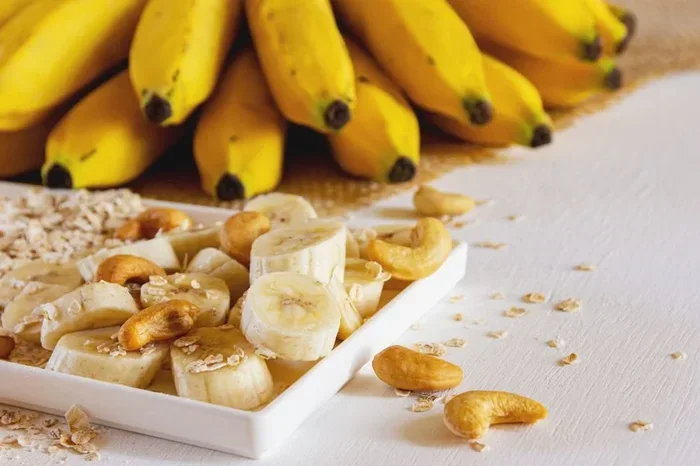
- Nuts and seeds: Add almonds or chia seeds to banana oatmeal for extra protein.
These pairings turn a simple banana into a satisfying meal or snack that actually contributes to your protein intake goals.
Blend It Into a Smoothie
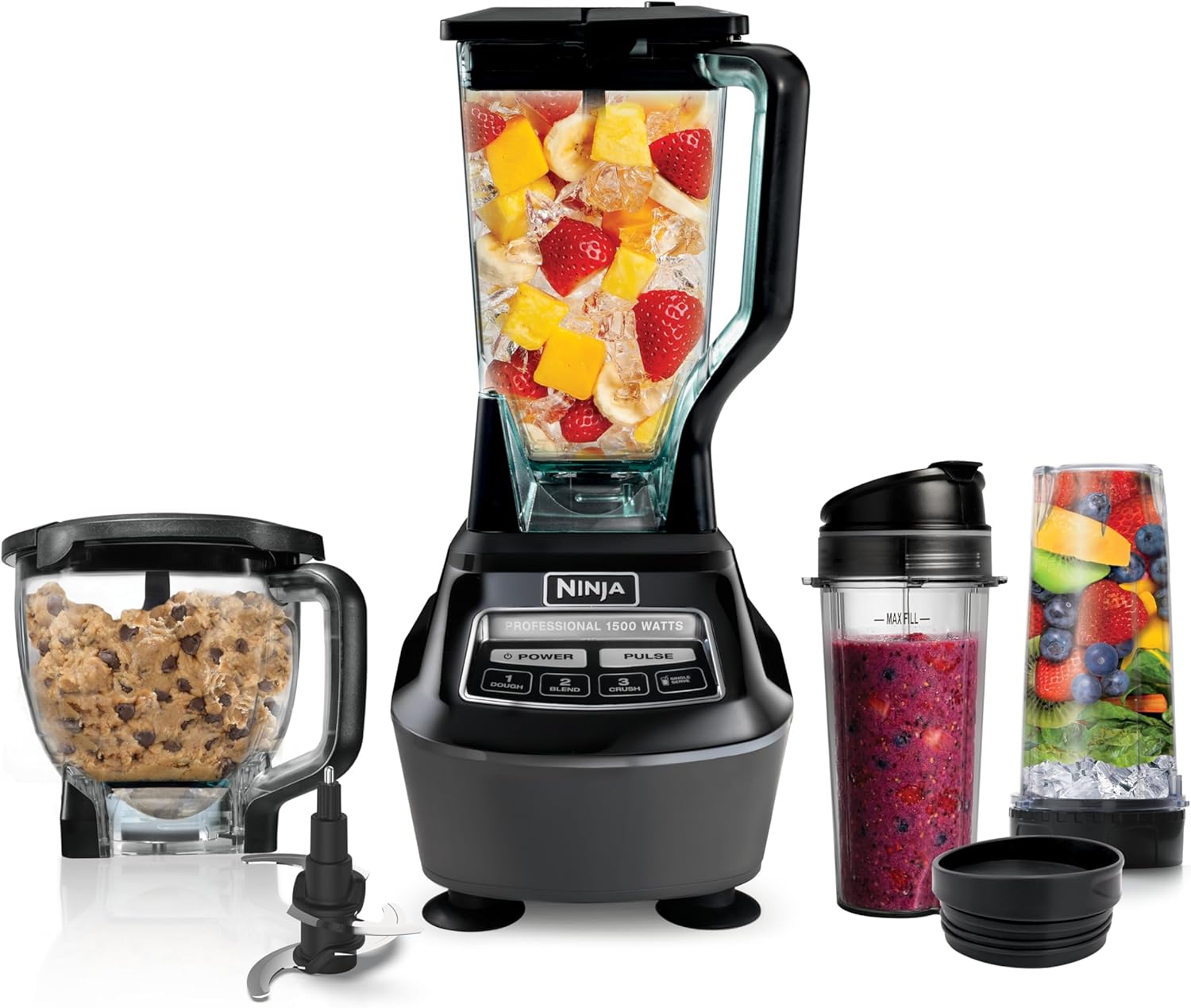
One of the easiest ways to increase how much protein you get from a banana is to blend it into a smoothie. A banana smoothie with milk, Greek yogurt, and a scoop of protein powder can deliver 20 grams of protein or more. The banana adds natural sweetness, creaminess, and potassium. It is a perfect banana smoothie base that makes healthy eating feel indulgent.
For banana for breakfast ideas, try a smoothie with frozen banana, spinach, protein powder, and almond milk. You will fuel your morning with a balanced mix of carbs, protein, and fiber.
Add Dehydrated Banana or Banana Chips
Dehydrated banana chips or dehydrated vegetables mixed into trail blend can boost the protein density of your snack. While the dehydration process does not increase protein, it concentrates the nutrients per serving. Just watch for added sugars in store-bought banana chips.
Common Myths About Banana Protein Content
Myth 1: Bananas Are a Good Source of Protein
This is the most common misconception. A banana is not a good source of protein. At 1.3 grams per medium fruit, it would take about 150 bananas to meet the average daily protein requirement of 56 grams for men. That is obviously not practical. Bananas are a good source of carbohydrates, potassium, and fiber, not protein.
Myth 2: Green Bananas Have More Protein
Some people believe that unripe bananas contain more protein than ripe ones. The truth is that the protein content stays roughly the same regardless of ripeness. What does change is the starch-to-sugar ratio. Green bananas have more resistant starch, which acts like fiber and supports gut health. But the protein per serving remains nearly identical.
Myth 3: You Need Protein Supplements If You Eat Bananas
Bananas are not meant to replace protein supplements or high-protein meals. They complement them. If you eat a balanced diet with meat, dairy, legumes, and grains, the small amount of protein in a banana simply adds to your total. There is no need to stress about banana protein being too low.
Final Thoughts: Should You Rely on Bananas for Protein?
The short answer is no. If your goal is to build muscle or meet high protein intake targets, you need to look beyond bananas. However, that does not mean bananas are unimportant. They are a nutritious, affordable, and convenient food that supports your overall health in many ways.
Think of a banana as a teammate, not the star player. It works alongside other protein-rich foods to keep your body fueled and recovering. Whether you enjoy it before a workout, blended into a morning smoothie, or sliced into your oatmeal, the banana earns its place in a healthy diet.
So the next time you peel one open, remember: you are getting more than just a sweet treat. You are getting potassium, fiber, quick energy, and yes, a small but meaningful contribution of protein. That is worth appreciating.
Frequently Asked Questions
How much protein is in a banana per 100 grams?
A banana contains approximately 1.1 grams of protein per 100 grams. A medium banana, which weighs about 118 grams, provides roughly 1.3 grams of protein. While this is a small amount, it still contributes to your total daily intake.
Is a banana high in protein compared to other fruits?
A banana is moderate compared to most fruits. It has more protein than apples and oranges but less than avocados and guava. The real strength of a banana lies in its potassium, fiber, and carbohydrate content rather than its protein.
Can you get enough protein from bananas alone?
No, you cannot meet your daily protein needs from bananas alone. An average adult needs about 46 to 56 grams of protein per day, and a banana provides only 1.3 grams. You would need to pair bananas with other protein-rich foods like eggs, Greek yogurt, or nuts.
Does ripeness affect the protein content of a banana?
No, the protein content stays the same whether a banana is green, yellow, or spotted. What changes with ripeness is the starch-to-sugar ratio. Green bananas have more resistant starch, which benefits digestion, but the protein remains constant.
What is the best way to add protein to a banana snack?
The best way is to pair a banana with peanut butter, Greek yogurt, or a scoop of protein powder. You can also blend it into a smoothie with milk and protein powder. These combinations turn a simple banana into a balanced, protein-rich snack.
Are banana chips a good source of protein?
Banana chips are not significantly higher in protein than fresh bananas. The dehydration process concentrates nutrients but does not add protein. Some commercial banana chips also contain added sugar and oil, so check the label and enjoy them in moderation.
=== CONCLUSION ===
So, how much protein in a banana really matters? The answer is modest but meaningful. At 1.3 grams per medium fruit, a banana is not a protein source you should rely on. However, it is a nutrient-dense food that supports muscle recovery, steady energy, and overall wellness. The key is to combine bananas with other protein-rich foods to create balanced meals and snacks. Whether you blend it into a smoothie, pair it with peanut butter, or enjoy it as a quick snack, the banana proves that even small contributions count toward a healthy diet.