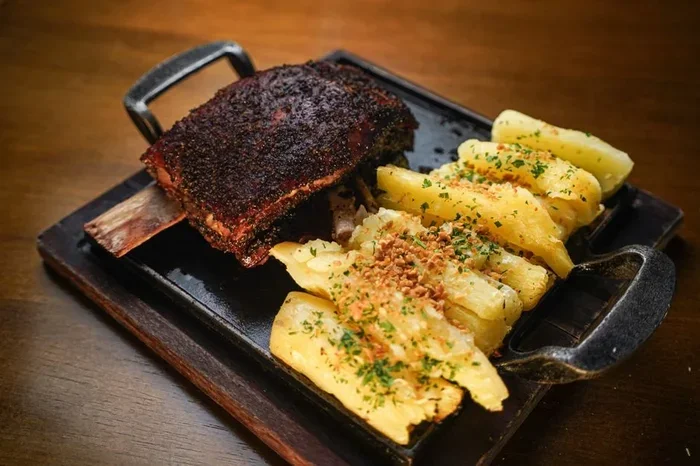
A prime rib cooking time chart helps you roast the perfect cut every time. Knowing the right time and temperature turns a tough roast into a juicy masterpiece. This guide covers times, temperatures, and tips for all prime rib sizes. You will learn how to cook bone-in and boneless prime rib with confidence.
Cooking a prime rib roast can feel intimidating. There are so many variables. Size matters. Temperature matters. Even the shape of the roast changes everything. But here is the good news. A solid prime rib cooking time chart removes most of the guesswork. You simply follow the numbers and trust the process. The result is a juicy, tender roast that impresses everyone at the table.
This guide walks you through everything you need to know. We cover time charts, temperatures, sizes, and step-by-step methods. Whether you are a beginner or a seasoned cook, you will find useful tips here. Let us dive in and make your next prime rib roast a success.
Key Takeaways
- Use a cooking time chart: It takes the guesswork out of roasting prime rib perfectly.
- Temperature matters most: Internal temp determines doneness more than time alone.
- Rest your roast: Letting prime rib rest for 15-30 minutes keeps juices inside.
- Bone-in vs boneless: Both need different approaches for the best results.
- Sear first, then slow roast: This method creates a flavorful crust and tender interior.
- Plan for 15-20 minutes per pound: This is a reliable starting point for most cooks.
📑 Table of Contents
- Prime Rib Cooking Time Chart Overview
- How to Choose the Right Prime Rib Size
- Prime Rib Oven Temperature and Timing
- Step-by-Step Prime Rib Cooking Guide
- Prime Rib Doneness and Internal Temperatures
- Common Mistakes to Avoid When Cooking Prime Rib
- Expert Tips for the Perfect Prime Rib
- Serving and Storing Leftover Prime Rib
- Final Thoughts on Using a Prime Rib Cooking Time Chart
Prime Rib Cooking Time Chart Overview
A prime rib cooking time chart is your best friend in the kitchen. It tells you exactly how long to cook your roast based on weight and desired doneness. The chart below gives you a quick reference for common roast sizes.
Here is a simple breakdown of cooking times for a standard oven set to 325°F:
- 3-4 pounds: About 45-60 minutes for medium-rare
- 5-6 pounds: About 75-90 minutes for medium-rare
- 7-8 pounds: About 105-120 minutes for medium-rare
- 9-10 pounds: About 135-150 minutes for medium-rare
- 11-15 pounds: About 165-200 minutes for medium-rare
These times assume you start at room temperature and use 325°F oven heat. Always use a meat thermometer to confirm doneness. Time is just a guide. Temperature is the real truth teller.
Many cooks also like to use best kitchen timers for accurate cooking to stay on track. Setting multiple timers for searing, roasting, and resting helps you stay organized.
How to Choose the Right Prime Rib Size
Understanding Roast Weight and Servings
Choosing the right size prime rib is the first step. A good rule of thumb is one pound per person. But bone-in roasts yield less meat per pound. So plan for about one pound per person for bone-in and half a pound for boneless.
Think about your guest list. Are you feeding 4 people or 14? The size of your roast changes everything. A smaller roast cooks faster and more evenly. A larger roast needs more time and careful monitoring.
Bone-In vs Boneless Prime Rib
Bone-in prime rib has more flavor. The bone acts as a natural insulator. It slows cooking slightly and keeps the meat juicy. Many BBQ lovers swear by bone-in for its rich taste.
Boneless prime rib is easier to slice and serve. It also cooks a bit faster since there is no bone to heat through. Both options are great. Choose based on your comfort level and how many people you are feeding.
Prime Rib Oven Temperature and Timing
Why Low and Slow Works Best
Cooking prime rib at 325°F is the most popular method. This moderate temperature allows the meat to cook evenly. It prevents the outside from burning before the inside is done. A slow roast also breaks down connective tissue. This makes the meat tender and juicy.
Some cooks prefer a higher temperature of 450°F for the first 15 minutes. This sears the outside and locks in juices. Then they drop the heat to 325°F for the rest of the cook. This two-step method gives you a great crust and a perfectly pink center.
Searing Your Prime Rib Before Roasting
Searing is optional but highly recommended. A hot sear creates a flavorful crust through the Maillard reaction. This is the same chemistry that makes grilled meat taste so good.
To sear your roast, heat a pan or oven-safe pot on high. Add a little oil. Place the prime rib in the pan and sear on all sides. This takes about 3-5 minutes total. Then transfer it to the oven to finish cooking.
Step-by-Step Prime Rib Cooking Guide
Step 1: Prep the Roast
Remove your prime rib from the fridge 2 hours before cooking. Let it sit at room temperature. This helps the roast cook more evenly. Cold meat going into a hot oven creates uneven results.
Pat the roast dry with paper towels. Season generously with salt and pepper. You can also add garlic powder, rosemary, or thyme. The seasoning forms a flavorful crust during cooking.
Step 2: Insert a Meat Thermometer
Place a probe thermometer into the thickest part of the roast. Avoid touching bone or fat. The thermometer gives you real-time data. It is the single most important tool for perfect prime rib.
Step 3: Roast and Monitor
Place the roast on a best metal tray for cooking food on in an oven and put it in the preheated oven. Roast until the internal temperature reaches your target. Use the time chart above as a starting point. But always trust the thermometer over the clock.
Step 4: Rest the Roast
This step is critical. Remove the prime rib from the oven. Cover it loosely with foil. Let it rest for 15 to 30 minutes. During resting, the juices redistribute throughout the meat. Skip this step, and your roast will be dry when you slice it.
Prime Rib Doneness and Internal Temperatures
Knowing your target temperature is essential. Time alone cannot tell you when your prime rib is done. Here is a simple temperature guide:
- Rare: 120-125°F internal temperature
- Medium-Rare: 130-135°F internal temperature
- Medium: 140-145°F internal temperature
- Well-Done: 155°F and above internal temperature
Most people prefer medium-rare for prime rib. This is the sweet spot for juicy, tender meat with a beautiful pink center. The USDA recommends 145°F for beef, but prime rib is a special occasion cut. Medium-rare is the gold standard.
Remember that the temperature rises 5-10 degrees during resting. Pull your roast off the heat a few degrees early. This is called carryover cooking. It makes a big difference in the final result.
Common Mistakes to Avoid When Cooking Prime Rib
Even experienced cooks make mistakes with prime rib. Here are the most common ones to watch out for:
- Cooking from cold: Never put a fridge-cold roast straight into the oven. Let it warm up first.
- Skipping the rest: Cutting too early releases all the juices. Be patient and let it rest.
- Relying only on time: Every oven is different. Always use a thermometer.
- Over-seasoning: Salt is your friend, but too much can overpower the natural beef flavor.
- Opening the oven too often: Each time you open the door, heat escapes. Check less often for better results.
Expert Tips for the Perfect Prime Rib
Want to take your prime rib to the next level? Try these expert tips:
- Dry brine overnight: Salt your roast the night before. Cover it and leave it in the fridge. The salt draws out moisture, then gets reabsorbed. This creates a deeper flavor and better crust.
- Use a wire rack: Elevating the roast on a rack allows hot air to circulate. This promotes even cooking on all sides.
- Add aromatics: Toss onion quarters, garlic cloves, and rosemary around the roast. They infuse the meat with subtle flavor during roasting.
- Consider a slow cooker alternative: Some cooks prefer using a best Dutch ovens compared for premium cooking for a more controlled slow-roast environment. A heavy Dutch oven traps moisture and creates incredible results.
Serving and Storing Leftover Prime Rib
Prime rib is best served fresh. But leftovers are delicious too. Slice the roast against the grain for maximum tenderness. Store slices in an airtight container in the fridge for up to 4 days.
Reheat leftover prime rib gently. Use a low oven temperature of 250°F. Cover with foil to keep moisture in. A quick warm-up in a skillet also works well. Avoid microwaving. It can make the meat tough and rubbery.
Cold prime rib makes great sandwiches the next day. Simply slice thin, add your favorite condiments, and enjoy. Prime rib is a versatile cut that shines in many forms.
Final Thoughts on Using a Prime Rib Cooking Time Chart
A prime rib cooking time chart is one of the simplest tools you can own. It takes the mystery out of roasting this premium cut of beef. Combine the chart with a good thermometer, proper seasoning, and patience. You will consistently produce restaurant-quality prime rib at home.
Remember that practice makes perfect. Your first roast might not be flawless. But each time you cook, you learn more about your oven and your preferences. Soon, you will be able to roast prime rib without even looking at a chart. The numbers will become second nature.
So grab a prime rib roast this weekend. Use your new knowledge and time chart. Invite your friends and family over. Serve up a juicy, tender roast that will have everyone asking for seconds. You have got this.
Frequently Asked Questions
How long does it take to cook a 5-pound prime rib?
At 325°F, a 5-pound prime rib takes about 75-90 minutes for medium-rare. Always use a meat thermometer to check the internal temperature. Pull the roast when it reaches 130-135°F for a perfect medium-rare result.
Should I cook prime rib covered or uncovered?
Cook prime rib uncovered for the best crust. Leaving it uncovered allows the heat to circulate evenly around the roast. This promotes a beautiful brown exterior while keeping the inside moist and tender.
What is the best temperature to cook prime rib?
325°F is the most recommended temperature for cooking prime rib. Some cooks start at 450°F for 15 minutes to sear, then drop to 325°F. The lower temperature ensures even cooking throughout the roast.
How long should prime rib rest before slicing?
Let prime rib rest for 15 to 30 minutes after cooking. Cover it loosely with foil during resting. This allows the juices to redistribute, making every slice moist and flavorful.
Can I use the prime rib cooking time chart for a boneless roast?
Yes, the chart works for both bone-in and boneless prime rib. Boneless roasts cook slightly faster since there is no bone to heat through. Reduce cooking time by about 10-15 minutes for boneless cuts of similar weight.
How do I know when prime rib is done without a thermometer?
Using a thermometer is the most reliable method. However, you can also use the finger test. Press the center of the roast with your finger. Rare feels soft, medium-rare has slight resistance, and well-done feels firm. A thermometer is always more accurate and recommended.