A hand blender is one of the most versatile and convenient kitchen tools you can own. This guide covers everything you need to know about choosing the right hand blender, from key features and power specs to real-world uses like making smoothies, pureeing baby food, and blending hot soups. We share expert tips, common mistakes to avoid, and practical buying advice to help you find the perfect match for your kitchen.
A hand blender might just be the most underrated tool in any kitchen. Whether you are making a quick morning smoothie, blending hot soup right in the pot, or pureeing vegetables for baby food, this handy device saves time and counter space. Unlike a bulky stand blender, a hand blender lets you blend directly in the container you are already using.
But with so many options on the market, how do you pick the right one? That is exactly what this guide is here to help with. We will walk you through everything you need to know about immersion blenders, from the features that matter most to the best uses and common pitfalls. By the end, you will feel confident choosing a hand blender that fits your needs and budget.
Whether you are a busy parent, a health-conscious smoothie lover, or someone who simply wants to make cooking easier, this guide has you covered. Let us dive in.
Key Takeaways
- Hand blenders are compact, easy to use, and perfect for everyday blending tasks.
- Look for variable speed, multiple attachments, and sturdy build quality when shopping.
- Cordless models offer freedom, while corded models deliver more consistent power.
- Hand blenders excel at soups, smoothies, baby food, and sauces.
- Avoid common mistakes like overheating or using the wrong attachment for the task.
- Maintenance is simple — most parts are dishwasher safe and easy to clean.
📑 Table of Contents
What Is a Hand Blender and Why You Need One
A hand blender, also called an immersion blender, is a handheld blending device with a motor at the top and a blending shaft or blade at the bottom. You plunge it directly into your food or liquid and blend right in the pot, cup, or bowl. It is simple, fast, and incredibly convenient.
How a Hand Blender Works
The motor powers a spinning blade or blade assembly at the end of a long shaft. When you submerge the blade into your food and turn it on, it creates a vortex that pulls ingredients toward the blades. This chops, purees, and blends everything smoothly. Most models let you control the speed, so you can go from gentle stirring to high-speed blending in seconds.
Hand Blender vs Stand Blender
A stand blender sits on your counter with a jar attached. A hand blender goes straight into your pot or glass. Here is a quick comparison:
- Portability: A hand blender is lightweight and easy to store. A stand blender takes up counter space.
- Cleanup: Hand blenders usually have fewer parts to wash. Many shafts and blades are dishwasher safe.
- Purpose: Stand blenders handle heavy-duty tasks like crushing ice better. Hand blenders shine at quick, everyday blending jobs.
- Price: Hand blenders are generally more affordable than high-end stand blenders.
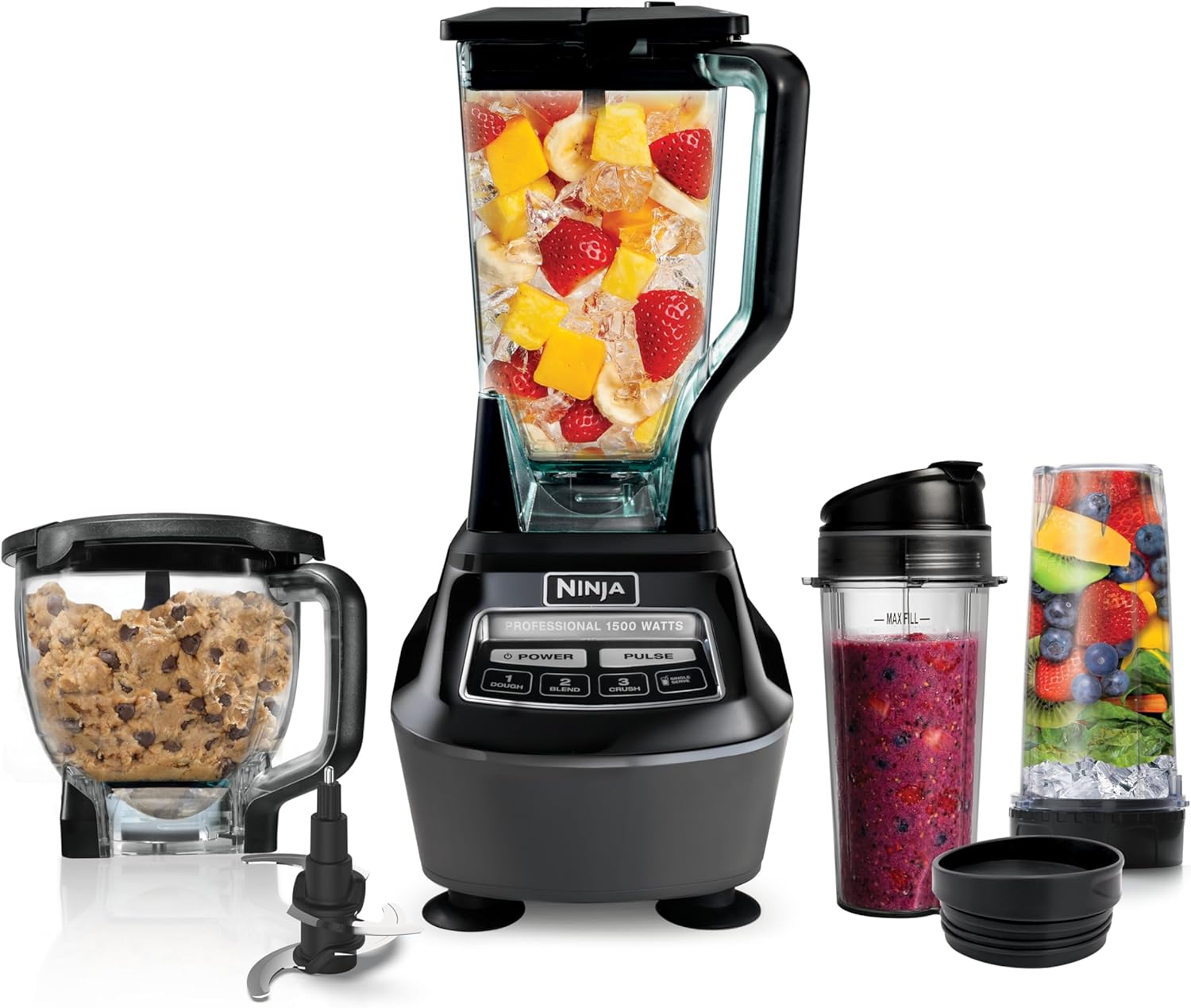
That said, if you need to make large batches or crush ice regularly, a best blender to crush ice and make smoothies might be a better fit. But for most daily tasks, a hand blender does the job perfectly.
Key Features to Look for in a Hand Blender
Not all hand blenders are created equal. Here are the features that really matter when you are shopping.
Power and Speed Settings
Power is measured in watts. A hand blender with 200 to 500 watts handles most kitchen tasks with ease. If you plan to blend tough ingredients like frozen fruit or fibrous vegetables, look for something on the higher end. Variable speed settings give you more control. A variable speed hand blender lets you start slow and ramp up, which prevents splashing and gives you a smoother result.
Attachments and Accessories
The best hand blenders come with more than just a blending shaft. Common attachments include:
- Whisk attachment: Great for whipping cream, beating eggs, or making meringue.
- Chopper bowl: Perfect for chopping onions, herbs, or nuts.
- Mixing beaker: A tall container designed for blending liquids without splashing.
Some models also include a best whisk accessory for cordless variable speed hand blenders, which is a nice bonus if you bake often. Having multiple attachments turns one device into a mini kitchen toolkit.
Corded vs Cordless
Corded hand blenders plug into an outlet and deliver consistent power. They never run out of battery mid-task. Cordless models run on rechargeable batteries and offer more freedom of movement. They are perfect for best portable blender for travel situations or small kitchens where outlet space is limited.
Both types have pros and cons. Cordless models are more convenient, but corded models tend to be more powerful for the price. Think about how and where you will use your hand blender most often before deciding.
Best Uses for a Hand Blender
A hand blender is incredibly versatile. Here are some of the most popular and practical ways to use one in your kitchen.
Smoothies and Frozen Drinks
Making a hand blender for smoothies is quick and easy. Just toss your fruits, yogurt, and liquid into a tall glass or jar, and blend away. A hand blender works great for single-serving smoothies, which makes it ideal for busy mornings. For the best results with frozen fruit, try a best personal blender for ice and frozen fruit that is specifically designed for that purpose.
Quick tip: Add your liquids first, then soft ingredients, and finally frozen items on top. This order helps the blade grab everything smoothly.
Pureeing Baby Food
If you are making baby food at home, a hand blender is a game-changer. You can cook vegetables, then blend them right in the pot. No transferring to a bulky stand blender, no extra cleanup. A best hand blender for pureeing baby food reviews will highlight models with narrow shafts that fit easily into smaller pots and containers.
Make sure to blend until completely smooth for babies. You can also add breast milk, formula, or cooking water to reach the right consistency.
Soups and Sauces
One of the best things about a hand blender is the ability to puree hot soup right in the pot. This is safer and faster than ladling hot soup into a stand blender. For creamy tomato soup, butternut squash soup, or velvety sauces, a hand blender gets the job done in minutes.
Just make sure your pot is deep enough and use a low speed at first to avoid hot liquid splashing up.
How to Choose the Right Hand Blender for You
Choosing the right hand blender comes down to understanding your needs. Ask yourself a few questions before you buy:
- What will I use it for most? If you mostly make smoothies, prioritize power and a tall blending cup. If you puree baby food, look for a narrow shaft and easy cleanup.
- Do I need portability? If you travel often or have a tiny kitchen, a cordless model is the way to go.
- How important are attachments? If you want one device to handle blending, whisking, and chopping, choose a set with multiple accessories.
- What is my budget? Hand blenders range from under $20 to over $150. You do not need to spend a fortune to get a great one.
Reading hand blender reviews from trusted sources can also help you narrow down your options. Look for models with solid build quality, good warranties, and positive user feedback.
Common Hand Blender Mistakes to Avoid
Even the best hand blender can cause problems if you use it the wrong way. Here are some common mistakes and how to avoid them.
Overheating the Motor
Running your hand blender continuously for too long can overheat the motor. Most hand blenders are designed for short bursts of 30 to 60 seconds. If you need to blend for longer, pulse the motor and give it breaks to cool down. Overheating can shorten the lifespan of your device.
Using the Wrong Attachment
Not every attachment works for every task. Using a whisk attachment to blend thick soup will make a mess. Using the blending shaft to whip cream might not work well either. Always match the attachment to the task at hand.
Neglecting Cleaning and Maintenance
Food residue can build up on the blade and shaft after every use. This affects performance and hygiene. Most hand blender parts are dishwasher safe, but always check the manufacturer’s instructions. If your blender starts making strange noises or losing power, you may need to how to fix a blender by checking for blockages or worn blades.
Submerging the Motor Unit
Never submerge the motor housing in water. Only the shaft and blade should go into liquid. This is a simple rule but one that many people overlook, and it can ruin your device.
Final Thoughts
A hand blender is one of the smartest kitchen investments you can make. It is affordable, easy to use, and surprisingly powerful for its size. Whether you are blending smoothies for breakfast, pureeing vegetables for your little one, or making creamy soups for dinner, a good hand blender makes it all effortless.
Take the time to consider your needs, compare features, and read reviews before you buy. A quality hand blender will serve you well for years and make your time in the kitchen faster and more enjoyable.
Start with the basics — variable speed, solid build, and the right attachments — and you will be blending your way to delicious meals in no time.
Frequently Asked Questions
Is a hand blender the same as an immersion blender?
Yes, a hand blender and an immersion blender are the same thing. Both refer to a handheld blending device that you plunge directly into food or liquid. The terms are used interchangeably in the kitchen appliance world.
Can a hand blender replace a stand blender?
For most everyday tasks, a hand blender can replace a stand blender. However, if you regularly make large batches, crush ice, or need very fine textures, a stand blender may still be better. A hand blender works best for single servings and quick tasks.
How do I clean my hand blender?
Most hand blenders are easy to clean. Detach the blade and shaft, rinse them under warm water, and wash in the dishwasher if the parts are dishwasher safe. Wipe down the motor housing with a damp cloth. Never submerge the motor unit in water.
What wattage is best for a hand blender?
A hand blender with 200 to 500 watts covers most kitchen tasks. For tougher jobs like blending frozen fruit or fibrous vegetables, aim for 400 watts or higher. Lower wattage models work fine for lighter tasks like whipping cream or making light soups.
Can I use a hand blender for hot soup?
Yes, blending hot soup directly in the pot is one of the best uses for a hand blender. Just be careful. Use a deep pot, start on low speed, and tilt the blender slightly to let steam escape. Never fill the pot to the brim with hot liquid.
How long does a hand blender last?
A quality hand blender can last anywhere from 3 to 7 years with proper care. Regular cleaning, avoiding overheating, and using the right attachments all help extend its life. Check the warranty and read hand blender reviews to find durable models.
=== CONCLUSION ===
Choosing the right hand blender does not have to be overwhelming. With the right knowledge, you can find a model that fits your kitchen, your budget, and your blending needs. Focus on power, speed settings, attachments, and build quality, and you will end up with a tool that makes cooking faster and more fun.
Remember to avoid common mistakes like overheating and neglecting cleaning. Take care of your hand blender, and it will take care of your meals for years to come. Happy blending!