Molasses is a thick, dark sweetener created as a byproduct of sugar production. The process involves extracting juice from sugar cane, boiling it repeatedly to crystallize sugar, and collecting the remaining syrup. Each boiling cycle produces a different molasses variety, from light and sweet to dark and robust.
Key Takeaways
- Molasses forms during sugar refining: It is the thick syrup left behind after sugar crystals are extracted from boiled cane juice.
- Three main boiling cycles create three varieties: Light, dark, and blackstrap molasses each come from a different stage of the refining process.
- Unsulfured molasses is higher quality: It is made from ripe cane without chemical additives, offering a cleaner, more natural flavor.
- Molasses has many kitchen uses: It adds depth to baked goods, glazes, marinades, and beverages.
- Proper storage matters: Keeping molasses in a cool, sealed container preserves its quality and extends its shelf life.
- Molasses is nutritionally rich: It contains iron, calcium, potassium, and other minerals not found in refined sugar.
📑 Table of Contents
- What Is Molasses and Why Does It Matter?
- The Sugar Cane Journey: From Field to Factory
- The Boiling Process: How Molasses Is Actually Made
- Different Types of Molasses Compared
- Cooking and Baking with Molasses
- Storing Molasses and Sugar Products Properly
- The Nutritional Profile of Molasses
- Common Mistakes People Make with Molasses
- Expert Tips for Choosing the Best Molasses
- Final Thoughts on How Molasses Is Made
What Is Molasses and Why Does It Matter?
Molasses is one of the oldest sweeteners on the planet. People have used it for centuries in baking, cooking, and even as a standalone treat. But most people never stop to think about where it actually comes from. Understanding how molasses is made gives you a whole new appreciation for this rich, complex sweetener.
At its core, molasses is the thick, dark syrup left over after sugar is extracted from sugar cane or sugar beets. The process of creating it is fascinating. It involves harvesting, crushing, boiling, and multiple rounds of crystallization. Each step plays a role in determining the final flavor, color, and texture of the molasses you find on grocery store shelves.
Whether you bake snickerdoodle cookies or use molasses in savory marinades, knowing how it is made helps you choose the right type for your recipe. It also helps you store it properly. If you want to learn more about keeping sweeteners fresh, check out our guide on sugar storage for helpful tips.
The molasses production process is surprisingly simple in concept but requires precision and patience in practice. Let us walk through every step of the journey, from the sugarcane field to your kitchen pantry.
The Sugar Cane Journey: From Field to Factory
Harvesting the Cane
It all starts in the field. Sugar cane grows in tropical and subtropical regions around the world. Countries like Brazil, India, Thailand, and the United States produce large quantities of cane each year. Farmers harvest the cane by cutting it close to the ground. The stalks are then bundled and transported to the sugar mill.
The age of the cane matters a lot. Ripe cane contains more sugar and fewer impurities. This is why unsulfured molasses, which is made from ripe cane, is often considered higher quality. Sulfured molasses, on the other hand, comes from unripe cane and uses sulfur dioxide during processing to preserve it.
Crushing and Extraction
Once the cane arrives at the mill, it is washed and crushed. Large rollers press the stalks to release the sweet juice inside. This juice is called cane juice or cane syrup. It looks like a thin, greenish liquid at this stage. It contains water, sucrose (sugar), and small amounts of vitamins and minerals.
The crushed cane pulp is not wasted. It can be used as fuel to power the boiling process. This makes sugar production surprisingly efficient and sustainable in many operations.
Clarifying the Juice
Raw cane juice contains impurities like dirt, plant fibers, and proteins. Before boiling, the juice must be clarified. Lime and heat are added to the juice. This causes the impurities to coagulate and float to the surface. Workers skim off this foam, leaving behind a clean, golden liquid ready for boiling.
This clarification step is crucial. Without it, the final molasses would have off-flavors and a gritty texture. Clean juice produces smooth, flavorful cane syrup and molasses.
The Boiling Process: How Molasses Is Actually Made
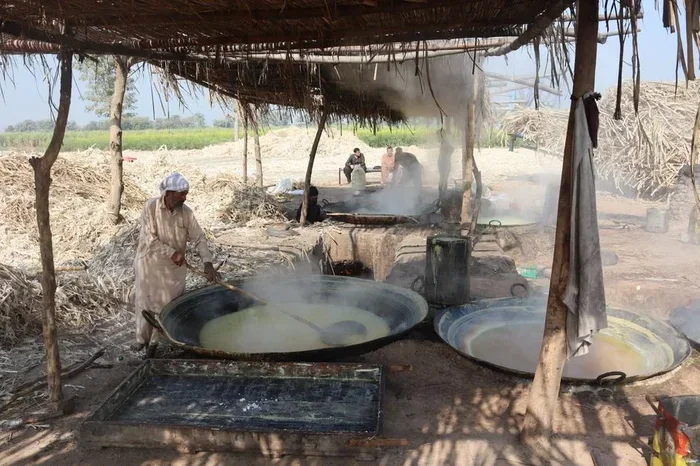
This is the heart of the entire process. The clarified cane juice is heated in large open kettles or vacuum pans. As the juice boils, water evaporates and the sugar concentration increases. Eventually, sugar crystals begin to form. These crystals are separated from the liquid, and the leftover liquid becomes molasses.
But here is the key detail: the juice is boiled multiple times. Each round of boiling removes more sugar, and each round produces a different type of molasses. The number of boilings determines the color, flavor, and mineral content of the final product.
First Boiling: Light Molasses
The first boiling produces light molasses, also called mild molasses or golden syrup. This variety has the highest sugar content of all molasses types. It is lighter in color and has a sweet, mild flavor. Light molasses is the most commonly used type in baking and cooking.
Because it retains less of the original cane minerals, light molasses is sweeter but less nutritious than darker varieties. It is the go-to choice for baking with molasses in recipes like gingerbread, shoofly pie, and snickerdoodle cookies. If you bake snickerdoodles often, you may want to learn about storing snickerdoodles to keep them fresh.
Second Boiling: Dark Molasses
The second boiling produces dark molasses. This variety is thicker, darker, and less sweet than light molasses. It has a more robust, slightly bitter flavor. Dark molasses retains more minerals from the cane because less sugar is extracted during the second round.
Dark molasses is a favorite for recipes that need a deeper, more complex flavor. It works beautifully in BBQ sauces, baked beans, gingerbread, and rum cakes. Many cooks prefer dark molasses for its bold character and rich color.
Third Boiling: Blackstrap Molasses
The third boiling creates blackstrap molasses. This is the darkest, thickest, and least sweet variety. It has a very strong, almost bitter flavor. But it is also the most nutritious. Blackstrap molasses is packed with iron, calcium, magnesium, and potassium.
Many health-conscious people use blackstrap molasses as a mineral supplement. A tablespoon a day can provide a significant amount of daily iron and calcium. It is not typically used in sweet baking recipes because of its intense flavor. Instead, it is often added to smoothies, oatmeal, or taken as a tonic.
Sulfured vs. Unsulfured Molasses
You will often see molasses labeled as either sulfured or unsulfured. The difference comes down to the treatment of the cane before processing.
Unsulfured molasses is made from ripe, mature cane. No sulfur dioxide is added. The result is a cleaner, purer taste that lets the natural flavor of the cane shine through. Most home bakers and cooks prefer unsulfured molasses.
Sulfured molasses is made from younger, unripe cane. Sulfur dioxide is used as a preservative during processing. This gives the molasses a slightly chemical taste and lighter color. Sulfured molasses is less common today and is generally considered lower quality.
Different Types of Molasses Compared
Understanding the differences between molasses types helps you choose the right one for your needs. Here is a quick comparison of the three main varieties.
| Type | Boiling Round | Color | Flavor | Sweetness | Mineral Content |
|---|---|---|---|---|---|
| Light Molasses | First | Golden amber | Mild, sweet | Highest | Low |
| Dark Molasses | Second | Dark brown | Rich, robust | Medium | Medium |
| Blackstrap Molasses | Third | Very dark brown | Bitter, intense | Lowest | Highest |
Each type has its place in the kitchen. Light molasses works well for general baking and sweetening. Dark molasses adds depth to savory and sweet dishes alike. Blackstrap molasses is best for health-focused recipes and mineral supplementation.
It is worth noting that treacle is a British term for molasses. Golden syrup is a specific type of light molasses popular in the UK. If you ever come across a British recipe calling for treacle, you now know what it means.
Cooking and Baking with Molasses
Molasses is a versatile ingredient that goes far beyond cookie recipes. Its complex flavor adds warmth and depth to a wide range of dishes. Here are some popular ways to use molasses in your kitchen.
- Baking: Molasses is essential in gingerbread, molasses cookies, pumpernickel bread, and fruitcake. It provides moisture, color, and that signature rich flavor.
- Glazes and sauces: A molasses-based glaze pairs beautifully with roasted meats, ham, and grilled vegetables. Mix it with mustard, vinegar, or soy sauce for a savory-sweet combo.
- Marinades: Molasses helps tenderize meat and adds a caramelized crust when grilled or roasted. Combine it with spices, garlic, and oil for a flavorful marinade.
- Beverages: Molasses can be stirred into hot water, tea, or milk for a warm, comforting drink. Some people use it as a natural sweetener in cocktails and mocktails.
- Health tonics: Blackstrap molasses is often consumed by the tablespoon for its mineral content. It is a popular natural remedy for iron deficiency and fatigue.
When cooking with molasses, remember that it is sweeter than honey and less sweet than white sugar. You may need to adjust the amount in recipes. Also, molasses is acidic, so it reacts with baking soda to create lift in baked goods. This is why molasses cookies have that characteristic chewy, slightly puffy texture.
For those interested in other natural sweeteners and cooking techniques, you might enjoy our article on how to fry an egg without oil for healthier cooking methods.
Storing Molasses and Sugar Products Properly
Once you bring molasses home, proper storage keeps it fresh and flavorful. Molasses has a long shelf life, but it can degrade if stored incorrectly.
Always store molasses in a cool, dark place. A pantry or cupboard works perfectly. Keep the lid tightly sealed to prevent air from getting in. Exposure to air can cause molasses to thicken and develop off-flavors over time.
Once opened, molasses can last for up to two years if stored properly. Unopened jars may last even longer. If your molasses thickens, you can gently warm the jar in a bowl of hot water to restore its smooth consistency.
For long-term storage, consider refrigerating molasses. The cold temperature slows down any changes in flavor or texture. Just make sure to bring it to room temperature before using it, as cold molasses is very thick and hard to pour.
If you are also storing other sweeteners or baked goods, proper organization makes a big difference. Check out our guide on kitchen pantry organization for practical storage solutions.
The Nutritional Profile of Molasses
Unlike refined white sugar, molasses retains many of the natural nutrients found in sugar cane. This is one of the main reasons people choose molasses over other sweeteners. Here is a look at what a single tablespoon of blackstrap molasses provides.
- Iron: About 20% of the daily recommended value. This makes it a great option for people looking to boost their iron intake naturally.
- Calcium: Around 18% of the daily value. Calcium is essential for bone health, and molasses is a surprising source.
- Magnesium: About 10% of the daily value. Magnesium supports muscle function, nerve health, and energy production.
- Potassium: A good amount of potassium, which helps regulate blood pressure and heart function.
- Vitamin B6: Small amounts of vitamin B6, which plays a role in brain development and immune function.
Of course, molasses is still a sugar and should be consumed in moderation. But compared to white sugar, which offers nothing but empty calories, molasses is a significantly more nutritious choice. Its molasses benefits extend well beyond just sweetening your food.
Common Mistakes People Make with Molasses
Even experienced cooks sometimes make mistakes when using molasses. Here are a few to avoid.
- Using the wrong type: Substituting light molasses for blackstrap (or vice versa) can completely change the flavor and texture of your dish. Always use the type your recipe calls for.
- Not measuring properly: Molasses is thick and sticky. It tends to clump and stick to measuring cups. Grease your measuring cup lightly with oil or spray it with cooking spray for easy, clean measurement.
- Ignoring the acid-base reaction: Molasses is acidic. If a recipe includes baking soda, the two will react and create rise. Skipping the baking soda will result in dense, flat baked goods.
- Storing it improperly: Leaving the lid loose or storing molasses in a warm, sunny spot can cause it to spoil or ferment. Always seal the container tightly and keep it cool.
- Assuming all molasses is the same: Sulfured and unsulfured molasses taste different. Using sulfured molasses in a delicate recipe can introduce an unpleasant chemical note.
These simple mistakes are easy to avoid once you know what to watch for. Taking a few extra minutes to choose the right type and store it correctly makes a big difference in your final results.
Expert Tips for Choosing the Best Molasses
Not all molasses is created equal. Here are some expert tips to help you pick the best product every time.
- Read the label carefully. Look for 100% pure molasses without added sugars or preservatives. The ingredient list should be short and simple.
- Choose organic when possible. Organic molasses is made from cane grown without synthetic pesticides or fertilizers. It tends to have a cleaner, more natural flavor.
- Check the expiration date. Even though molasses lasts a long time, fresher products have better flavor and nutritional value.
- Buy from reputable brands. Well-known producers follow stricter quality control standards. Their molasses is more consistent in flavor and texture.
- Taste before committing. If your grocery store offers samples or small jars, try a taste. Light and dark molasses have noticeably different flavors, and personal preference matters.
Choosing high-quality molasses ensures better results in your cooking and baking. It also means you get more of the nutritional benefits this wonderful sweetener has to offer.
Final Thoughts on How Molasses Is Made
The process of making molasses is a beautiful example of how something wonderful can come from patience and precision. What starts as simple sugar cane juice transforms through multiple rounds of boiling into one of the most flavorful and nutritious sweeteners available. From the first light molasses to the bold, mineral-rich blackstrap, each stage tells a story of tradition and craftsmanship.
Next time you reach for a jar of molasses, you will know exactly what went into making it. You will understand the difference between light and dark varieties. You will appreciate the care that goes into producing every drop. And you will use it with confidence in your favorite recipes.
Molasses is more than just a sweetener. It is a link to centuries of culinary tradition, a source of important minerals, and a versatile kitchen staple. Whether you are baking snickerdoodle cookies, glazing a roast, or simply stirring a spoonful into your morning oatmeal, you are enjoying the sweet result of a carefully crafted process.
Store it properly, use it generously, and enjoy the rich, complex flavor that only real molasses can deliver. Your taste buds and your body will thank you.
Frequently Asked Questions
What is the difference between molasses and corn syrup?
Molasses is a natural byproduct of sugar cane refining, while corn syrup is made from corn starch. Molasses has a richer, more complex flavor and contains minerals like iron and calcium. Corn syrup is milder in taste and is often used for its sweetness and ability to prevent sugar crystallization in recipes.
Can you substitute one type of molasses for another?
You can, but the results will differ. Light molasses is sweeter and milder, while blackstrap molasses is bitter and intense. If you substitute, adjust the amount to taste and be aware that the color and flavor of your final dish will change. Dark molasses is usually the best all-around substitute.
Is molasses vegan and gluten-free?
Yes, molasses is both vegan and gluten-free. It is made entirely from plant-based sugar cane and does not contain any animal products or gluten-containing grains. However, always check the label of flavored or blended molasses products to be sure.
How long does molasses last after opening?
Opened molasses can last up to two years when stored in a cool, dark place with the lid tightly sealed. If you notice changes in color, flavor, or texture, it may be time to replace it. Always use a clean, dry utensil when scooping molasses out of the jar.
Why is my molasses hard and crystallized?
Molasses can thicken or crystallize when exposed to air or temperature changes. This is natural and does not mean it has gone bad. Warm the jar gently in a bowl of hot water to restore its smooth consistency. Storing molasses in the refrigerator can also help prevent this issue.
Can molasses be used as a sugar substitute in baking?
Yes, molasses can replace sugar in baking, but you will need to adjust the recipe. Use about 1 to 1.3 cups of molasses for every cup of sugar and reduce other liquids by a quarter cup. Also, add a half teaspoon of baking soda per cup of molasses to balance its acidity and help with rising.