
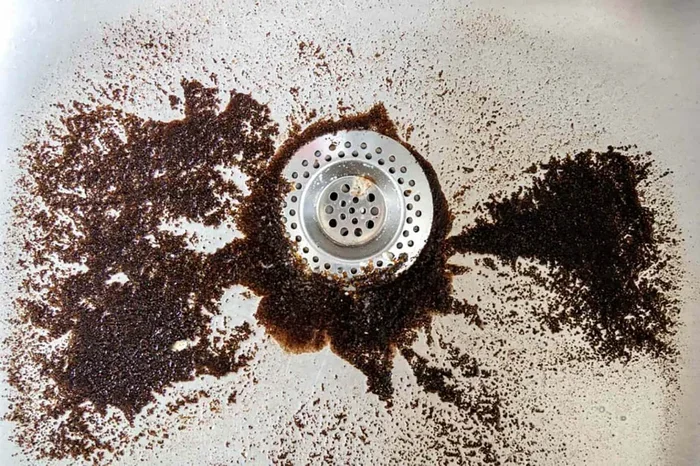
Can coffee grounds go down the garbage disposal? This is a common kitchen question with a surprising answer. While small amounts might seem harmless, used coffee grounds can actually build up and cause serious clogs over time. Many plumbers advise against putting them in your sink because they do not break down easily like other food scraps. Instead, you should consider safer ways to dispose of your morning brew leftovers to keep your pipes flowing freely.
Key Takeaways
- Avoid the disposal: Putting coffee grounds in the garbage disposal can lead to stubborn clogs and pipe buildup.
- Garbage does not dissolve: Unlike soft food waste, coffee grounds remain solid and can accumulate in the plumbing system.
- Composting is best: The most eco-friendly way to handle used grounds is by adding them to a compost bin.
- Trash is safer: Throwing grounds in the regular trash is often safer for your home plumbing than using the sink.
- Watch for smells: Accumulated grounds in the disposal can create unpleasant odors over time.
- Clean regularly: If you accidentally put grounds down, flush with plenty of cold water and clean the unit.
- Know your system: Septic tank owners should be especially careful as grounds can disrupt the bacterial balance.
📑 Table of Contents
Can Coffee Grounds Go Down the Garbage Disposal Safely
Many people start their day with a fresh cup of coffee. It is a beloved ritual for millions of households. But after you brew your pot, you might look at the leftover grounds and wonder what to do with them. A common question arises in many kitchens. Can coffee grounds go down the garbage disposal? It seems like an easy way to clean up, but it is not always the best choice for your home plumbing.
You might think that because the disposal grinds up food scraps, it can handle coffee grounds too. However, the texture and properties of coffee grounds make them different from other waste. They are fine, heavy, and can stick to the sides of your pipes. Over time, this buildup can cause slow drains or even complete blockages. It is important to understand the risks before you push that button on your sink.
In this article, we will explore why plumbers often advise against this practice. We will also look at better ways to dispose of your grounds. You will learn how to keep your kitchen sink running smoothly while still enjoying your daily coffee. Let us dive into the details of kitchen waste management and plumbing safety.
Why Coffee Grounds Are Problematic for Plumbing
When you ask can coffee grounds go down the garbage disposal, you need to understand how disposals work. These machines use blades to chop up food waste into smaller pieces. They rely on water to flush the particles through the drain pipe and into the sewer system. While this works well for soft fruits or vegetable peels, coffee grounds behave differently.
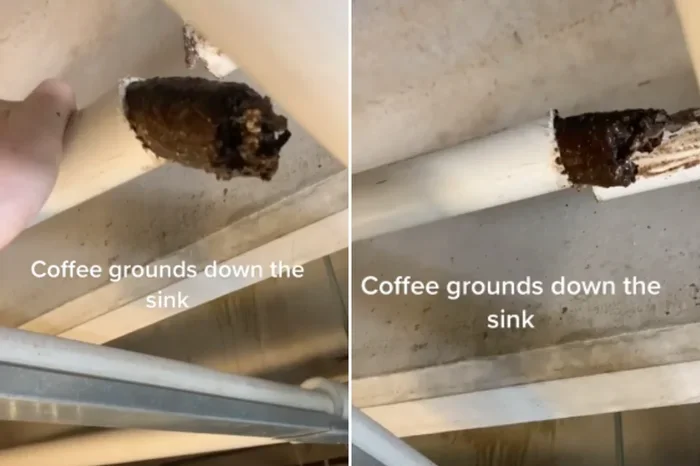
Visual guide about Coffee grounds in sink drain
Image source: d.newsweek.com
Coffee grounds are very fine and dense. When they mix with water, they do not dissolve completely. Instead, they can form a thick paste or sludge. This sludge can stick to the inner walls of your pipes. As more waste accumulates, the pipe diameter narrows. This restricts water flow and can lead to frustrating clogs. It is similar to how grease can solidify and block pipes over time.
Another issue is the weight of the grounds. They are heavier than water. This means they can settle at the bottom of horizontal pipes. If you have a P-trap under your sink, grounds can collect there easily. This creates a trap for other debris, making clogs worse. Even if the disposal grinds them up, the particles are still solid enough to cause issues downstream.
The Risk of Clogs and Blockages
The primary concern with putting grounds in the disposal is the risk of clogging. A clog can stop water from draining properly. You might notice water pooling in the sink after washing dishes. This is a clear sign that something is blocking the flow. In severe cases, you might need a plumber to snake the line or replace a section of pipe. This can be costly and inconvenient.
Small amounts might pass through without immediate trouble. But consistency matters. If you do this every day, the buildup adds up. Think of it like pouring sand down a drain. Eventually, the sand accumulates and blocks the path. Coffee grounds act similarly in your plumbing system. It is better to prevent the problem than to fix it later.
Impact on Septic Systems
If your home uses a septic tank, you need to be extra careful. Septic systems rely on bacteria to break down waste. Coffee grounds can disrupt this balance. They are acidic and can affect the bacterial environment inside the tank. Also, the solids in the grounds do not break down easily in a septic system. This can lead to tank buildup and potential failure.
For septic owners, avoiding grounds in the sink is crucial. You want to minimize solid waste entering the tank. Adding too much solid material can fill the tank faster than expected. This means you will need to pump it out more frequently. It is safer to keep coffee grounds out of the septic system entirely.
Best Ways to Dispose of Used Coffee Grounds
Since putting them in the disposal is risky, you might wonder where they should go. There are several excellent alternatives that are safe for your home and good for the environment. Finding the right method depends on your lifestyle and available resources. You do not have to throw them in the trash if you do not want to.
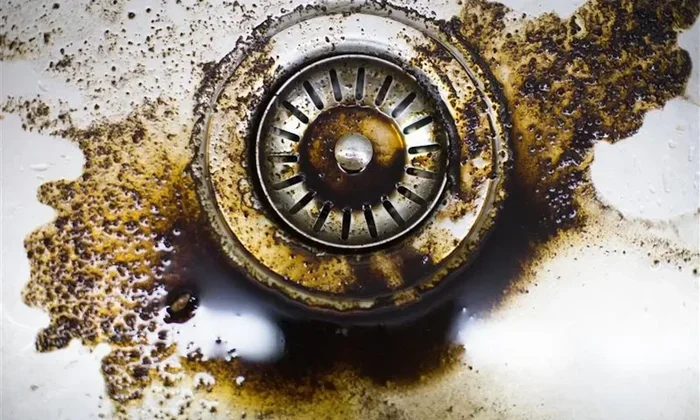
Visual guide about Coffee grounds in sink drain
Image source: themanual.com
One of the best options is composting. Coffee grounds are rich in nitrogen. This makes them a great green material for compost piles. They help balance the carbon-rich brown materials like leaves or paper. If you have a garden or a compost bin, this is a perfect solution. It turns waste into nutrient-rich soil for your plants.
Composting and Gardening Uses
Composting is a fantastic way to recycle coffee grounds. You can add them directly to your compost bin. Just make sure to mix them well with other materials. Too many grounds at once can make the pile too acidic or compacted. A little bit goes a long way. Your plants will love the nutrients when the compost is ready.
You can also use grounds directly in the garden. Some gardeners sprinkle them around acid-loving plants like azaleas or hydrangeas. They can also help deter certain pests. Slugs and snails might avoid the rough texture of the grounds. However, do not pile them too thickly around plant stems. This could create a barrier that water cannot penetrate.
Trash Disposal Options
If you do not compost, throwing grounds in the trash is the next best option. It is much safer for your plumbing than using the disposal. You can scoop the wet grounds into a bag or wrap them in a paper towel before tossing them. This prevents mess and odor in your kitchen bin. It is a simple habit that protects your pipes.
Some people freeze the grounds before throwing them away. This helps reduce the smell in the trash can. You can store them in a small container in the freezer until trash day. This is a handy trick for those who want to keep their kitchen fresh. It is a small effort that makes a big difference in odor control.
Cleaning Your Garbage Disposal Properly
Even if you decide not to put coffee grounds in the disposal, you still need to keep the unit clean. A dirty disposal can smell bad and work less efficiently. Regular cleaning prevents buildup and keeps things running smoothly. There are simple methods you can use with items you likely already have at home.
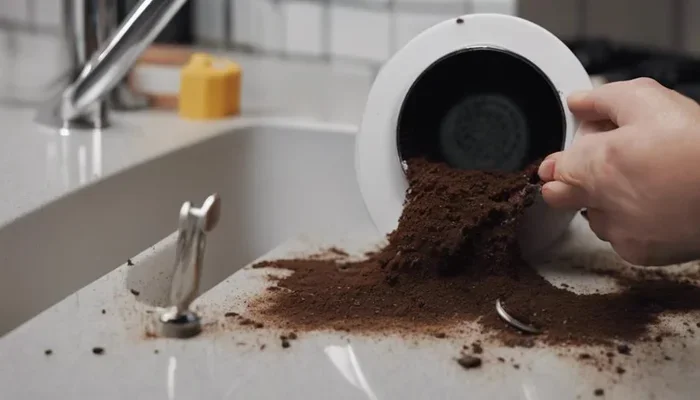
Visual guide about Coffee grounds in sink drain
Image source: coffeelovers101.com
Ice cubes are a great tool for cleaning. You can drop a few ice cubes into the disposal and run it. The ice helps scour the blades and inner walls. It removes stuck-on food particles without damaging the unit. Some people also add lemon or orange peels for a fresh scent. This combination cleans and deodorizes at the same time.
Using Natural Cleaners
Vinegar is another excellent cleaner for disposals. You can pour a cup of white vinegar into the drain and let it sit. Then flush it with cold water. Vinegar helps break down grease and mineral deposits. It also kills bacteria that cause odors. This is a natural way to maintain your sink without harsh chemicals.
Baking soda works well too. You can sprinkle baking soda into the drain before adding vinegar. This creates a fizzing reaction that helps lift debris. It is a simple science experiment that cleans your pipes. Just remember to flush with plenty of water afterward. Regular maintenance keeps your disposal in top shape.
Signs You Have a Clog in Your Drain
Knowing the signs of a clog helps you act quickly. If you hear a why wont my toaster go down type of frustration, you might feel similar stress when your sink drains slowly. Early detection saves you from major plumbing issues. Pay attention to how your sink behaves after use. Small changes can indicate a growing problem.
One common sign is slow drainage. If water takes longer than usual to go down the drain, something is blocking it. You might also hear gurgling sounds coming from the pipes. This happens when air is trapped by a blockage. Another sign is a foul smell coming from the sink. This often indicates trapped food waste decomposing in the pipe.
When to Call a Professional
Sometimes you can fix a clog yourself with a plunger or drain snake. But if the problem persists, you might need help. If water backs up into other fixtures, like the toilet or bathtub, the blockage is deep. This requires professional tools to clear. Do not ignore these warning signs. Waiting can make the damage worse and more expensive to repair.
Also, if you suspect coffee grounds caused the issue, tell the plumber. They can inspect the pipes and confirm the buildup. This helps them choose the right method to clear the line. Being honest about what went down helps them solve the problem faster. It is always better to address plumbing issues early.
Expert Insights on Kitchen Waste Management
Plumbers and kitchen experts agree on one thing. Prevention is key to a healthy plumbing system. Avoiding problematic items like coffee grounds, grease, and fibrous vegetables saves money in the long run. It is about building good habits in the kitchen. Small changes in how you dispose of waste make a big impact.
Experts also recommend running cold water when using the disposal. Cold water helps solidify any fats before they enter the pipes. This prevents them from sticking to the pipe walls. It is a simple tip that many people overlook. Always run the water for a few seconds after turning off the disposal. This ensures everything flushes through completely.
Long Term Plumbing Health
Taking care of your plumbing is like taking care of your health. Regular maintenance prevents big problems later. Avoid putting anything down the drain that does not dissolve easily. This includes coffee grounds, eggshells, and starchy foods like pasta. These items can expand or accumulate and cause blockages. Stick to safe waste disposal methods.
Investing in a good compost bin is a smart move for coffee lovers. It keeps grounds out of the sink and reduces trash volume. It is a win for your plumbing and the environment. Many cities also offer green waste collection. You can check if your local service accepts coffee grounds. This makes disposal even easier for you.
Conclusion
So, can coffee grounds go down the garbage disposal? The short answer is that you should avoid it. While it might seem convenient, the risk of clogs and pipe damage is too high. Coffee grounds do not break down easily and can accumulate in your plumbing. This can lead to costly repairs and unpleasant smells in your kitchen.
Instead, try composting your grounds or throwing them in the trash. These methods are safer for your home and better for the environment. If you do use a disposal, keep it clean with ice and vinegar. Pay attention to signs of clogs and act quickly. By following these tips, you can enjoy your coffee without worrying about your sink. Your plumbing will thank you for the care and attention.
Frequently Asked Questions
Is it okay to put a small amount of coffee grounds in the disposal?
Even a small amount can accumulate over time and cause clogs. It is safer to avoid putting any grounds in the disposal to protect your pipes.
What happens if I accidentally put coffee grounds down the sink?
If you accidentally put grounds down, flush the drain with plenty of cold water immediately. You should also clean the disposal with ice or vinegar to prevent buildup.
Can coffee grounds damage the garbage disposal blades?
Coffee grounds are not hard enough to damage the blades directly. However, they can build up and strain the motor or cause jams over time.
Are coffee grounds good for compost bins?
Yes, coffee grounds are excellent for compost bins. They add nitrogen to the pile and help balance carbon-rich materials like dried leaves.
How do I get rid of the smell of coffee grounds in the trash?
You can freeze the grounds before throwing them away to reduce odor. Wrapping them in a paper towel also helps contain the smell in your bin.
Do coffee grounds attract pests in the garden?
Some pests like slugs may avoid coffee grounds due to the texture. However, large piles can mold, so use them sparingly around your plants.



