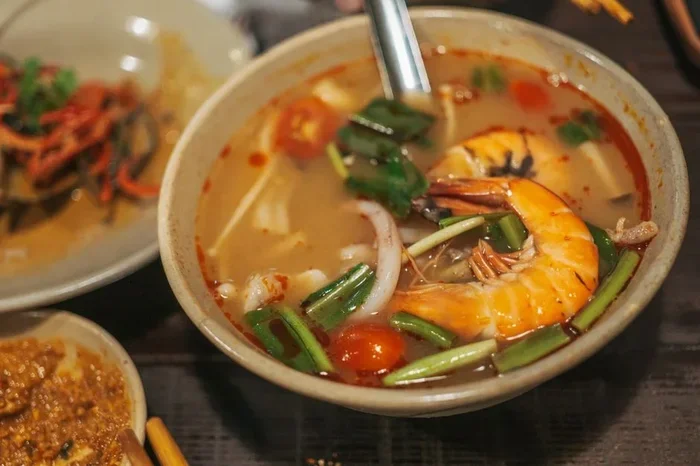
Tom yum soup is a vibrant Thai classic that delivers explosive hot, sour, and savory flavors in every spoonful. This step-by-step guide shows you how to make authentic tom yum soup from scratch in just 30 minutes using simple ingredients like lemongrass, galangal, and fresh chilies. Whether you prefer it with shrimp or mushrooms, this quick soup recipe will become your new weeknight staple.
There is something magical about a bowl of tom yum soup. The moment that fragrant steam hits your face, you know you are in for something special. This iconic Thai dish balances heat, sourness, and umami in a way that just makes you feel alive.
If you have always wanted to make tom yum soup at home but thought it was too complicated, think again. With the right ingredients and a little guidance, you can create a restaurant-quality bowl on your own stovetop. This guide walks you through every single step, from picking out your Thai aromatics to the final garnish.
By the time you finish reading, you will know exactly how to make tom yum soup that tastes just like the real thing. You will also learn handy tips, common mistakes to avoid, and fun variations to keep things exciting. Let us dive right in.
Key Takeaways
- Fast and easy: You can whip up a pot of tom yum soup in under 30 minutes with minimal prep.
- Authentic Thai flavors: The right combination of lemongrass, galangal, and fish sauce creates that signature hot and sour soup taste.
- Highly customizable: Swap proteins, adjust spice levels, or add coconut milk to make it your own.
- Healthy and satisfying: This aromatic soup is low in calories and loaded with immune-boosting ingredients.
- Beginner-friendly: No special equipment or advanced cooking skills are needed.
📑 Table of Contents
What Makes Tom Yum Soup So Special
Tom yum soup stands out because of its bold, layered flavors. Unlike a mild cream of mushroom soup or a slow-cooked ham and bean soup, tom yum hits your taste buds with intensity right away. It is the kind of dish that wakes you up and warms you from the inside out.
The magic comes from the balance of four key taste profiles:
- Hot from fresh chilies and chili paste
- Sour from fresh lime juice
- Savory from fish sauce and shrimp paste
- Fragrant from lemongrass, galangal, and kaffir lime leaves
When these elements come together, they create what Thai cooks call a balanced soup. Each spoonful should make you pucker slightly from the sourness, then feel the warmth of the chili, and finally savor the deep umami from the fish sauce. That is what makes tom yum soup so addictive.
Another reason this dish is so beloved is its versatility. You can make it with shrimp, chicken, mushrooms, or even tofu. You can keep it clear and brothy or add coconut milk for a richer version. Whatever your preference, tom yum soup adapts beautifully.
A Brief History of Tom Yum
Tom yum originates from Thailand and has been a staple of Thai cuisine for centuries. The name itself means “boil and mix,” which perfectly describes how the soup is made. Traditionally, it was a simple soup base made with whatever local herbs and proteins were available.
Over time, tom yum soup spread across the world and became one of the most recognized Thai soup recipes globally. Today, you can find it on menus from Bangkok to New York. But nothing beats the taste of a homemade version made with fresh, quality ingredients.
Essential Ingredients for Authentic Tom Yum
Getting the right ingredients is the single most important step in making great tom yum soup. You do not need anything exotic, but you do need the essentials. Here is what your shopping list should look like.
The Aromatics Foundation
The soul of any great tom yum soup lies in its aromatic base. These ingredients give the soup its unmistakable fragrance and depth.
- Lemongrass: Use 3 to 4 stalks, bruised and cut into pieces. This adds a bright, citrusy note that defines the soup.
- Galangal: This root looks like ginger but tastes completely different. It has a sharp, piney flavor that is essential to authentic Thai aromatics.
- Kaffir lime leaves: These fragrant leaves add a floral citrus aroma. Tear them in half before adding to the pot.
- Fresh chilies: Thai bird’s eye chilies bring the heat. Adjust the amount based on your spice tolerance.
The Liquid Base and Seasonings
Next, you need the ingredients that build the soup broth and provide seasoning.
- Fish sauce: This is the primary seasoning in Thai soup recipes. It adds a deep, salty umami flavor.
- Lime juice: Freshly squeezed, added near the end of cooking to preserve its bright acidity.
- Tom yum paste or chili paste: This concentrated paste simplifies the process and adds a punch of flavor.
- Chicken or vegetable broth: Use about 6 cups as the base for your soup base.
- Sugar: A small amount balances the sour and hot elements.
Your Choice of Protein and Extras
The beauty of tom yum soup is that you can customize the protein and vegetables to suit your taste.
- Shrimp: The classic choice. Use peeled, deveined shrimp added toward the end of cooking.
- Chicken: Thinly sliced chicken breast cooks quickly and pairs beautifully with the broth.
- Mushrooms: Button or straw mushrooms add a meaty texture. If you love mushrooms, you might also enjoy a cream of mushroom soup on a different day.
- Tofu: A great plant-based option that absorbs the flavorful broth wonderfully.
- Bean sprouts and cilantro: These fresh toppings add crunch and brightness to the finished bowl.
Step-by-Step Instructions for Perfect Tom Yum Soup
Now that you have all your ingredients ready, it is time to cook. Follow these steps closely, and you will have a stunning bowl of tom yum soup on your table in no time.
Step 1: Prepare the Aromatics
Start by preparing your Thai aromatics. Bruise the lemongrass stalks with the back of a knife to release their oils. Slice the galangal into thin coins. Tear the kaffir lime leaves in half. Slice the fresh chilies on a diagonal. These small prep steps make a huge difference in how much flavor ends up in your pot.
Step 2: Build the Broth
Bring 6 cups of chicken broth to a boil in a large pot over high heat. Once it is boiling, add the bruised lemongrass, galangal, and kaffir lime leaves. Let the broth simmer for about 5 minutes so the Thai spices can infuse fully. This step is where the magic begins.
Step 3: Add the Seasonings
Stir in the tom yum paste or chili paste and let it dissolve into the broth. Add 2 to 3 tablespoons of fish sauce and a teaspoon of sugar. Taste the broth at this point and adjust the seasoning. Remember, you can always add more, but you cannot take it away.
Step 4: Cook the Protein
Add your chosen protein to the pot. If you are using shrimp, add them now and cook for just 2 to 3 minutes until they turn pink and curl. If you are using chicken, slice it thinly and add it about 5 minutes before serving so it cooks through without drying out.
Step 5: Finish with Lime Juice
This is the most important timing tip. Remove the pot from the heat and squeeze in fresh lime juice. Adding lime juice while the soup is boiling will make it taste bitter. The heat of the soup is enough to warm the juice through without cooking out its bright, tangy flavor.
Step 6: Serve and Enjoy
Ladle the tom yum soup into bowls and garnish with fresh cilantro, sliced chili, and a wedge of lime. Serve it alongside steamed jasmine rice or Thai rice noodles for a complete meal. If you love exploring different Asian soup recipes, you might also enjoy a Vietnamese pho soup for a change of pace.
Tips for the Best Tom Yum Soup Flavor
Making tom yum soup is straightforward, but a few pro tips can elevate your results from good to absolutely incredible.
Use Fresh Ingredients Whenever Possible
Dried lemongrass or powdered galangal will not give you the same vibrant flavor as fresh. Visit your local Asian grocery store to find the best-quality Thai aromatics. Fresh ingredients are the backbone of great Thai soup.
Do Not Skip the Bruising Step
Bruising the lemongrass and tearing the lime leaves might seem like a small detail, but it releases essential oils that give tom yum soup its signature fragrance. Skipping this step means a flatter, less aromatic bowl.
Balance Is Everything
The hallmark of a perfect hot and sour soup is balance. If it is too sour, add a pinch more sugar. If it is too salty, squeeze in extra lime. If it is not spicy enough, add another chili. Taste as you go and adjust until it feels just right.
Reheat Leftovers Properly
If you have leftovers, reheat them gently on the stove rather than in the microwave. High heat can dull the delicate flavors of the lime and herbs. However, if you are in a rush, a good microwave soup mug with a vented lid works in a pinch. Just heat in short intervals and stir between them.
Make It a Complete Meal
Tom yum soup is hearty on its own, but pairing it with jasmine rice or a side of Thai spring rolls makes it even more satisfying. For a lighter option, serve it over Thai rice noodles for a soup that feels like a full dinner.
Popular Tom Yum Soup Variations
Once you master the classic tom yum soup recipe, you can explore fun variations that put your own spin on this beloved Thai soup recipe.
Tom Yum Nam Khon (Coconut Milk Version)
This creamy version adds coconut milk to the broth, creating a richer, more indulgent tom yum soup. The coconut milk mellows the heat and sourness slightly, making it a great option for those who prefer a gentler flavor. It is also a wonderful base for a creamy lasagna soup if you want to experiment with fusion flavors.
Tom Yum Goong (Shrimp Version)
This is the most traditional and popular version. Large shrimp are the star of the show, and the broth is simmered with all the classic aromatics. It is the version you will find at most Thai restaurants and street food stalls.
Tom Yum Hed (Mushroom Version)
This vegetarian-friendly version uses a mix of mushrooms as the main ingredient. Straw mushrooms, shiitake, and oyster mushrooms all work beautifully. It is lighter than the shrimp version but just as flavorful. If you are a mushroom lover, you will appreciate how the Thai spices enhance the earthy flavor of the mushrooms.
Tom Yum Pla (Fish Version)
In this variation, whole fish or fish fillets are used instead of shrimp or mushrooms. It is a less common but equally delicious version that highlights the freshness of the fish against the bold broth.
Common Mistakes to Avoid When Making Tom Yum Soup
Even experienced home cooks can make mistakes with tom yum soup. Here are the most common ones and how to avoid them.
Adding Lime Juice Too Early
One of the biggest mistakes is adding lime juice while the soup is still boiling. This causes the soup broth to turn bitter and lose its bright, fresh character. Always add lime juice at the very end, off the heat.
Using Dried Herbs Instead of Fresh
While dried herbs have their place in cooking, they do not work well for tom yum soup. The fresh lemongrass, galangal, and kaffir lime leaves are irreplaceable. If you cannot find them fresh, look for them frozen, which preserves much of their flavor.
Overdoing the Fish Sauce
Fish sauce is powerful. Adding too much at once can make your tom yum soup overwhelmingly salty. Add it gradually, tasting after each addition until you reach the right balance.
Rushing the Aromatic Infusion
Letting the lemongrass, galangal, and lime leaves simmer in the broth for at least 5 minutes is essential. If you rush this step, your aromatic soup will lack depth. Patience here pays off big time.
Not Adjusting to Your Taste
Every palate is different, and tom yum soup should reflect your personal preferences. If you prefer more heat, add extra chilies. If you like it more sour, squeeze in more lime. The recipe is a guide, not a rigid rule.
Health Benefits of Tom Yum Soup
Beyond its incredible taste, tom yum soup offers several health benefits that make it an even better choice for your regular meal rotation.
- Immune support: Lemongrass, galangal, and chilies all have natural anti-inflammatory and antioxidant properties.
- Low calorie: A bowl of tom yum soup without coconut milk is relatively low in calories, making it great for weight management.
- Hydrating: The warm broth helps keep you hydrated, especially during cold or flu season.
- Digestive aid: Many of the Thai spices used in tom yum, such as lemongrass and ginger-like galangal, are known to aid digestion.
- Protein-rich: When made with shrimp or chicken, this soup recipe provides a good amount of lean protein.
Compared to heavier soups like a rich ham and bean soup or a split pea soup slow cooker version, tom yum soup is lighter and easier to digest. It is the perfect choice when you want something nourishing but not heavy.
Conclusion
Tom yum soup is one of the most rewarding dishes you can make at home. In just 30 minutes, you can create a bowl of Thai soup that bursts with flavor and brings a taste of Bangkok right to your kitchen. The combination of fresh lemongrass, galangal, chilies, and lime creates a hot and sour soup experience that is truly unforgettable.
Remember that the key to great tom yum soup is balance. Taste as you go, adjust the seasonings to your preference, and never be afraid to experiment. Whether you stick with the classic shrimp version or try a mushroom or coconut milk variation, this quick soup recipe will quickly become a favorite in your household.
So grab your lemongrass, turn up the heat, and get cooking. A perfect bowl of tom yum soup is just 30 minutes away. Your taste buds will thank you.
Frequently Asked Questions
Can I make tom yum soup without fish sauce?
Yes, you can substitute fish sauce with soy sauce or a mix of soy sauce and a splash of lime juice. However, keep in mind that fish sauce is a core ingredient in authentic tom yum soup, so the flavor profile will be slightly different. It will still taste delicious.
Is tom yum soup spicy?
Tom yum soup has a natural kick from fresh chilies and chili paste. You can adjust the spice level by using fewer chilies or removing the seeds. The beauty of this Thai soup recipe is that you control the heat entirely.
Can I use dried lemongrass instead of fresh?
Fresh lemongrass is always best for tom yum soup because it releases more aromatic oils. If you must use dried lemongrass, use about one-third the amount and soak it in warm water for 10 minutes before adding it to the broth.
What is the difference between tom yum and tom kha?
The main difference is that tom yum soup is a clear, hot and sour broth, while tom kha includes coconut milk, making it creamy and milder. Both use similar Thai aromatics like lemongrass and galangal, but the added coconut milk changes the entire character of the soup.
Can I make tom yum soup in advance?
You can prepare the soup base ahead of time by simmering the aromatics and broth, then storing it in the fridge for up to two days. Add the protein and lime juice fresh when you are ready to serve for the best flavor.
What goes well with tom yum soup?
Tom yum soup pairs wonderfully with steamed jasmine rice, Thai rice noodles, or a simple side of stir-fried vegetables. For a complete Thai meal, you might also enjoy it alongside a dish like pad thai or green curry.