
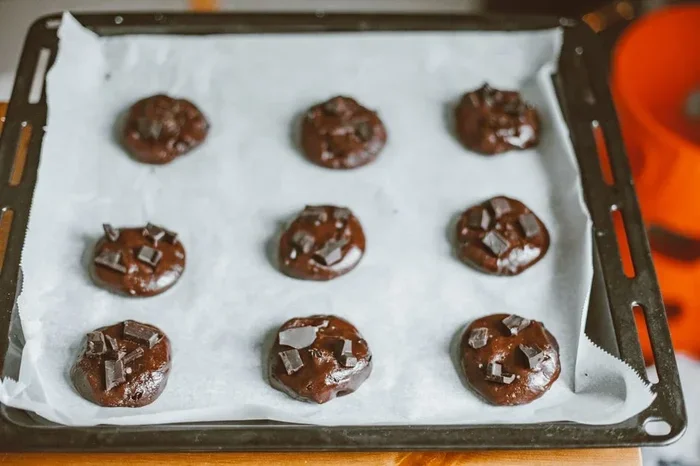
You can easily bake without an oven using simple stovetop methods and everyday cookware. This guide shares practical stovetop baking tips, essential tools, and beginner-friendly recipes for no-bake oven alternatives that actually work. Whether you are camping, dealing with a broken oven, or just exploring new techniques, you will find everything you need to start baking without electricity right away.
There is something truly satisfying about pulling a warm, freshly baked treat off the stove and knowing you did it without a traditional oven. How to bake without an oven is a skill that can change your kitchen game forever. Whether your oven broke down, you are camping in the woods, or you simply want to try something new, stovetop baking opens up a world of delicious possibilities.
Many people assume that baking requires a big, bulky oven. The truth is, you can create cakes, cookies, breads, and even casseroles right on your cooktop. Stovetop baking has been around for centuries, and it is making a huge comeback among home cooks who want simple, practical solutions. This guide will walk you through everything you need to know to start baking without an oven today.
By the time you finish reading, you will have a clear understanding of the tools, techniques, and recipes that make stovetop baking easy and fun. Let us dive in.
Key Takeaways
- Stovetop baking is a proven method that works with any cooktop and basic cookware
- Heavy-bottomed pans and Dutch ovens are essential for even heat distribution
- Low and slow baking produces the best results for moist, tender baked goods
- The two-pan method creates an oven-like environment on your stovetop
- Common mistakes include using thin pans, skipping the lid, and setting heat too high
- With practice, you can bake cakes, cookies, breads, and more without an oven
📑 Table of Contents
Why Stovetop Baking Works and When You Need It
Stovetop baking is not just a backup plan. It is a legitimate cooking method that produces fantastic results. The key is understanding how heat moves differently on a stovetop compared to an enclosed oven.
The Science Behind Stovetop Baking
When you bake without an oven, you rely on direct heat from below and sometimes from above. A heavy pan or Dutch oven traps heat and creates an environment similar to an oven. This method is called thermal baking, and it works beautifully for many recipes.
The beauty of stovetop baking is control. You can adjust the flame or burner setting instantly. If your heat distribution needs tweaking, you simply move the pan or lower the temperature. This level of control is something many oven bakers wish they had.
When Stovetop Baking Saves the Day
There are many situations where knowing how to bake without an oven comes in handy:
- Camping trips where you only have a camp stove or fire
- Power outages when your electric oven is useless
- Small kitchens with limited space and no room for a large oven
- Off-grid living where baking without electricity is a necessity
- Emergency situations where you need to prepare food quickly
- Apartment living with only a hot plate or induction cooktop
Each of these scenarios calls for reliable stovetop baking techniques that anyone can learn. The methods below will help you feel confident in all of them.
Essential Tools for Baking Without an Oven
You do not need a lot of fancy equipment to start stovetop baking. In fact, most of what you need is probably already in your kitchen. Here is what will make your bake without oven experience successful.
Heavy Bottom Pans and Dutch Ovens
The most important tool for cast iron baking and stovetop cooking is a heavy-bottomed pan. Cast iron Dutch ovens are the gold standard for stovetop baking because they distribute heat evenly and retain it well. A heavy pan prevents hot spots that can burn your food on one side while leaving it raw on the other.
If you do not have a Dutch oven, a thick stainless steel pan or a heavy-bottomed skillet works great too. The key is thickness and weight. Thin pans will not hold heat well, and your low and slow baking efforts will suffer.
Lids and Covers for Trapping Heat
A tight-fitting lid is essential for stovetop baking. It traps heat from above, creating an oven-like environment inside the pan. If your pan does not come with a lid, you can use a slightly larger pan flipped upside down as a makeshift oven cover.
For recipes that need more coverage, knowing how to cover a baking dish without foil is a valuable skill. A fitted lid or even a sheet of parchment paper can work wonders for trapping moisture and heat during stovetop baking.
Heat Diffusers and Adaptors
A heat diffuser sits between your burner and the pan. It spreads the heat out evenly, which is crucial for baking without an oven. This simple tool prevents scorching and gives you better control over heat distribution.
You can also use a portable oven or a thermal cooker as a supplement. These devices create an insulated environment that mimics an oven and works well for stovetop baking recipes that need sustained, even heat.
Proper Pan Preparation
Before you start any stovetop baking project, make sure your pan is properly prepared. This is where knowing how to grease a pan without oil or butter becomes incredibly useful. A well-greased pan ensures your baked goods release cleanly and do not stick.
You can also use parchment paper cut to fit the bottom of your pan. This simple trick works for almost any stovetop recipe and saves you from frustrating cleanup.
Checking if Glass Is Safe for Stovetop Use
Not all glass cookware is safe for direct stovetop use. Before placing any glass pan on your burner, it is important to know how to tell if glass is oven safe. Oven-safe glass can handle the high temperatures of stovetop baking, but regular glass may crack or shatter under direct heat. Always check the manufacturer’s label before using glass bakeware on your stove.
Stovetop Baking Techniques That Actually Work
Now that you have the right tools, let us talk about the techniques that make stovetop baking successful. These methods have been tested and perfected over generations of cooks who baked without traditional ovens.
The Two-Pan Method for Even Baking
The two-pan method is one of the most effective stovetop baking techniques. Here is how it works:
- Place a smaller pan inside a larger pan
- Pour hot water or sand into the space between the two pans
- Cover the top with a lid
- Heat on low to medium
This creates a gentle, even heat environment similar to a portable oven. The water or sand acts as a heat buffer, preventing hot spots and giving you beautiful, evenly baked results. This technique is perfect for stovetop cake recipes and delicate baked goods.
Direct Heat Baking for Crusty Results
Sometimes you want a crispy, golden crust. Direct heat baking puts your pan right on the burner for maximum heat exposure. This works great for stovetop cookie baking and flatbreads.
For direct heat baking, follow these tips:
- Use a cast iron skillet for the best results
- Preheat the pan before adding your batter or dough
- Keep the heat at medium or medium-low
- Flip your baked goods halfway through for even cooking
- Use a lid to trap heat on the top side
This method gives you a nice crust on both sides and is one of the fastest ways to bake without an oven.
Low and Slow Baking for Moist Results
Low and slow baking is the opposite of direct heat. You use the lowest setting on your burner and let the gentle heat do all the work. This method is perfect for stovetop cake recipes, quick breads, and delicate desserts.
The trick with low and slow baking is patience. You may need to cook for 30 to 45 minutes instead of the 15 to 20 minutes a traditional oven would need. But the results are worth it. Your baked goods stay moist, tender, and full of flavor.
Using a Thermal Cooker as a DIY Oven
A thermal cooker or slow cooker can serve as a makeshift oven for stovetop baking. The principle is simple: heat your food on the stove, then transfer it to the insulated cooker to finish baking. This creates an enclosed, heated environment that mimics an oven surprisingly well.
Many people who love baking without electricity swear by thermal cookers. They use no power, retain heat for hours, and produce consistent results. It is one of the best no-bake oven alternatives for anyone exploring stovetop baking.
Easy Recipes to Try Right Now
The best way to learn stovetop baking is by doing. Here are some simple recipes to get you started on your bake without oven journey.
Stovetop Banana Bread
This stovetop cake recipe is a game changer. Mix your banana bread batter as usual, pour it into a greased loaf pan, cover with a lid, and bake on low heat for 35 to 40 minutes. The result is a moist, flavorful loaf that tastes just like it came from an oven.
Cast Iron Skillet Cookies
For stovetop cookie baking, a cast iron skillet is your best friend. Press cookie dough into the skillet, cover with a lid, and bake on medium-low heat for 12 to 15 minutes. The cookies come out chewy on the inside and slightly crispy on the edges.
Stovetop Cornbread
Cornbread is one of the easiest stovetop baking recipes to master. Pour your batter into a preheated, greased cast iron skillet, cover, and cook on medium heat for about 20 minutes. The cornbread rises beautifully and develops a golden crust without any oven needed.
Stovetop Mug Cake
When you want something fast and fun, a mug cake is perfect. Mix your favorite cake batter in a microwave-safe mug (or a small oven-safe pan), cover with a lid, and bake on low heat for about 10 minutes. This is a great example of stovetop baking recipes that feel like a treat but take almost no effort.
Common Mistakes and How to Avoid Them
Even experienced cooks make mistakes when they first start stovetop baking. Here are the most common pitfalls and how to avoid them.
Using the Wrong Pan
Thin, lightweight pans are the enemy of stovetop baking. They create hot spots and burn your food. Always choose heavy-bottomed pans or Dutch ovens for the best results. If you only have thin pans, use a heat diffuser to compensate.
Skipping the Lid
Many beginners forget to cover their pan when baking without an oven. The lid traps heat from above and is essential for even cooking. Without it, the bottom of your baked goods may burn while the top stays raw. If you do not have a lid, learn how to cover a baking dish without foil using alternative methods like a sheet pan or parchment paper.
Setting the Heat Too High
Impatience is the biggest mistake in stovetop baking. High heat will burn the outside of your food while leaving the inside undercooked. Always start with low to medium heat and adjust as needed. Remember, low and slow baking is your friend.
Not Preheating the Pan
Preheating your pan ensures even heat distribution from the start. A cold pan can cause your batter or dough to stick and cook unevenly. Give your pan a few minutes to heat up before adding your ingredients.
Expert Tips for Perfect Stovetop Baking
These pro tips will elevate your stovetop baking from good to great. Even experienced bakers can learn something new here.
Invest in a Good Thermometer
An oven thermometer is not just for ovens. You can use it to monitor the temperature inside your pan or Dutch oven when stovetop baking. This helps you maintain the right heat distribution and avoid overheating your food.
Rotate Your Pan Halfway Through
Stovetop heat is not always perfectly even. Rotating your pan 180 degrees halfway through cooking ensures all sides get equal exposure. This simple trick prevents one side from burning while the other stays pale.
Use Parchment Paper for Easy Release
Cutting parchment paper to fit your pan bottom is a small step that makes a huge difference. It prevents sticking, reduces cleanup time, and works for almost any stovetop recipe. This is especially helpful when you are trying cast iron baking or working with sticky batters.
Experiment with Different Heat Sources
Not all burners are created equal. Gas burners, electric coils, and induction cooktops each have their own heat distribution patterns. Gas stove baking tends to give more immediate heat control, while electric stove baking provides more consistent, steady warmth. Experiment with different heat sources to find what works best for your stovetop baking setup.
Know When to Be Patient
Stovetop baking generally takes a bit longer than oven baking. Do not rush the process. Trust the method, keep an eye on your food, and let the heat do its work. Some of the best bake without oven results come from simply being patient and attentive.
Conclusion
How to bake without an oven is a skill that every home cook should have in their toolkit. Stovetop baking is versatile, practical, and produces delicious results that rival anything from a traditional oven. With the right tools, techniques, and a little practice, you can create cakes, cookies, breads, and more right on your cooktop.
Start with the simple recipes and techniques in this guide. Gradually build your confidence and experiment with your own stovetop recipes. Whether you are dealing with a broken oven, enjoying the great outdoors, or just looking for a new cooking challenge, baking without an oven is a rewarding and satisfying way to create homemade treats. Get into your kitchen, fire up your stove, and start baking without an oven today.
Frequently Asked Questions
Can I really bake a cake on the stovetop?
Yes, you absolutely can. The two-pan method or using a heavy Dutch oven with a lid creates an environment that mimics an oven. Many people make delicious stovetop cake recipes using this approach. It just takes a little practice to get the timing right.
What is the best pan for stovetop baking?
A cast iron Dutch oven is the top choice for most bakers. It holds heat evenly and traps it well, which is essential for stovetop baking. A heavy-bottomed stainless steel pan is a great second option if you do not have cast iron.
Do I need special equipment to bake without an oven?
Not really. You need a heavy pan, a lid, and optionally a heat diffuser. Most of these items are already in a typical kitchen. The key is choosing cookware that is thick and distributes heat distribution evenly across the surface.
Is stovetop baking the same as baking in an oven?
The principles are similar, but the results can differ slightly. Stovetop baking often produces a denser texture because heat comes from below only. Using the two-pan method or a lid helps create more even results that closely resemble traditional oven baking.
Can I use a thermal cooker for baking?
Yes, a thermal cooker works as a makeshift oven for many recipes. You heat your food on the stove first, then transfer it to the insulated cooker to finish baking. This is one of the best no-bake oven alternatives for baking without electricity.
How do I know if my pan is safe for stovetop baking?
Check the manufacturer’s label for stovetop compatibility. Oven-safe glass, cast iron, stainless steel, and carbon steel are all excellent choices. Avoid thin non-stick pans and regular glass, as they may not handle the direct heat required for stovetop baking safely.



