Want a non‑stick pan without using oil or butter? We’ll show you easy swaps like parchment paper, silicone mats, and natural sprays that keep food from sticking while staying healthy. Follow our quick guide and start cooking cleaner, lighter meals today.
Key Takeaways
- Alternative greasing methods: Parchment, silicone, and low‑fat sprays work just as well as oil or butter.
- Why avoid oil/butter: Reduces extra calories, eliminates smoke points, and prevents burnt flavors.
- Pan type matters: Non‑stick, cast iron, stainless steel, and ceramic each need a tailored approach.
- Simple pantry staples: Water, broth, applesauce, and even yogurt can create a thin barrier.
- Prep tips for success: Pre‑heat correctly, use the right amount of alternative, and clean promptly.
- Health‑focused cooking: Less fat means fewer calories and a cleaner kitchen environment.
- Quick fixes: If food sticks, a splash of liquid or a gentle scrape can rescue the dish.
📑 Table of Contents
Introduction: Why Go Oil‑Free When Greasing a Pan?
Most of us reach for a dab of butter or a splash of oil the moment we heat a pan. It’s the default “non‑stick” trick we learn as kids. But what if you’re watching calories, avoiding dairy, or simply don’t have any oil on hand?
Cooking without oil or butter isn’t a compromise—it’s an opportunity to explore new techniques that keep food from sticking while keeping meals lighter and often healthier. In this guide we’ll walk through practical, pantry‑friendly ways to grease a pan without oil or butter, explain why each method works, and give you step‑by‑step instructions for different types of cookware.
1. Understanding the Science of Sticking
What actually makes food stick?
When a hot pan meets food, proteins in the food begin to coagulate and bond with the metal surface. A thin layer of fat creates a barrier that reduces this bonding. Without any barrier, the food’s moisture can evaporate, leaving a dry surface that adheres tightly to the pan.
Visual guide about pan greasing alternatives
Image source: media.scoolinary.app
How alternatives create that barrier
Even non‑fat substances can act as a barrier if they form a thin, lubricating film. Think of steam, gelatin from fruit purees, or a slick surface like silicone. The key is to keep the film thin enough to prevent burning but continuous enough to stop direct contact.
2. Pantry‑Based Greasing Alternatives
2.1. Parchment Paper & Silicone Baking Mats
Both parchment and silicone mats are essentially “pre‑greased” surfaces. They’re perfect for baking, roasting, and even stovetop sauté when you need a flat, non‑stick surface.
Visual guide about pan greasing alternatives
Image source: annarecetasfaciles.com
- How to use: Cut to fit the pan, place on the bottom, and add a small amount of liquid (water or broth) to keep steam from building.
- Best for: Baking sheets, casserole dishes, and even skillet‑style omelets.
Tip: If you’re using a skillet, line the bottom with parchment, then add a splash of broth to create a light steam bath that prevents sticking.
2.2. Water or Broth “Steam Grease”
Adding a few teaspoons of water or low‑sodium broth to a hot pan creates steam that lifts food away from the surface. This works especially well for vegetables and eggs.
- Technique: Heat the pan, sprinkle 1–2 tbsp of water, let it sizzle and evaporate, then add your food.
- Flavor boost: Using broth adds a subtle savory note without extra fat.
2.3. Fruit Purees (Applesauce, Mashed Bananas)
Purees contain natural sugars and a small amount of water, forming a thin glaze when heated. They’re ideal for sweet pancakes, muffins, or quick breads cooked in a skillet.
- Application: Brush a thin layer on the pan with a pastry brush before adding batter.
- Health perk: Adds moisture and a hint of natural sweetness.
2.4. Yogurt or Buttermilk Spray
Low‑fat dairy can be dispersed in a spray bottle for a misty coating. The proteins in yogurt create a gentle barrier that works well for delicate items like fish fillets.
- How to spray: Dilute 1/4 cup plain yogurt with 2 tbsp water, pour into a clean spray bottle, and mist the pan lightly.
- Tip: Use a non‑metal brush if you’re cooking on cast iron to avoid scratching.
2.5. Cooking Sprays Made From Non‑Oil Bases
Some commercial sprays use water‑based propellants and contain a tiny amount of emulsifiers. Look for “oil‑free” or “zero‑calorie” sprays—these are essentially flavored water mist.
When choosing a spray, read the label for added sugars or sodium if you’re watching those numbers.
3. Tailoring Techniques to Different Pan Types
3.1. Non‑Stick Coated Pans
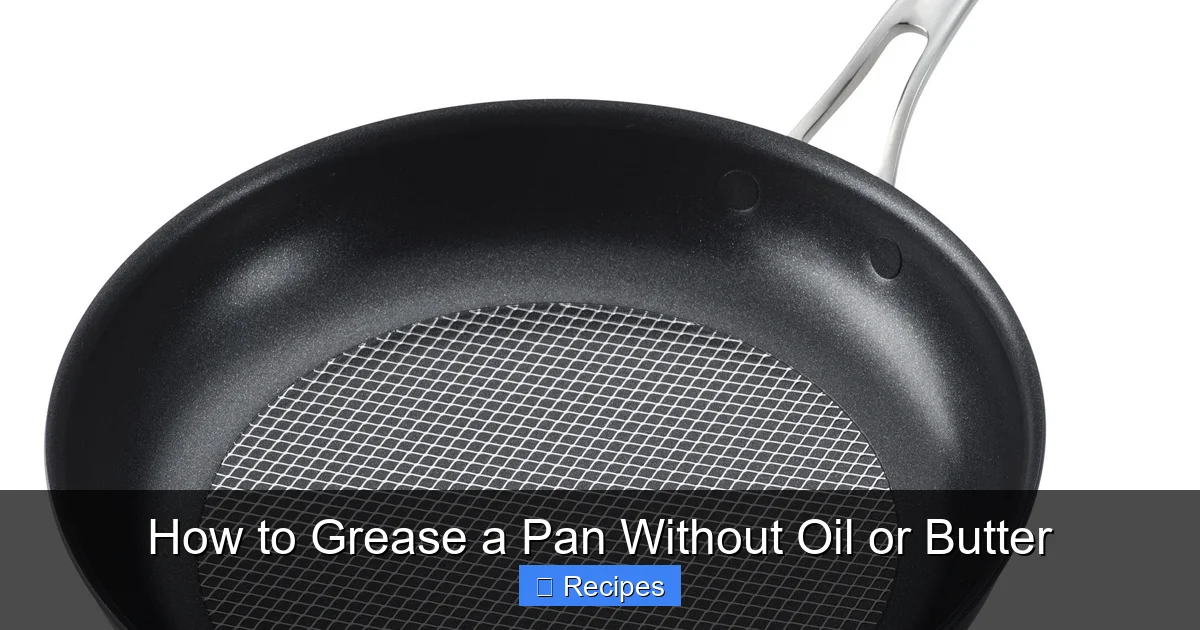
These pans already have a synthetic barrier, so a light mist of water or a silicone mat is all you need. Avoid high heat—medium is sufficient.
Visual guide about pan greasing alternatives
Image source: secure.img1-cg.wfcdn.com
3.2. Stainless Steel
Stainless steel is notorious for sticking, but the “water test” works wonders. Heat the pan, add a few drops of water; when they dance and evaporate, the pan is ready. Then add a splash of broth or a thin layer of fruit puree.
3.3. Cast Iron & Carbon Steel
Seasoned cast iron already has a natural non‑stick layer. For oil‑free cooking, pre‑heat slowly, then add a small amount of broth or water. If the pan is new, consider a light coat of melted beeswax (a natural, non‑oil alternative) before the first use.
3.4. Ceramic
Ceramic surfaces are smooth but can be sensitive to abrupt temperature changes. Use parchment paper or a silicone mat, and keep the heat medium.
3.5. Glass Baking Dishes
These benefit from a thin layer of water or broth, or a parchment lining. Avoid direct high heat; bake at the recommended temperature.
4. Step‑by‑Step: Greasing a Pan Without Oil or Butter
Step 1 – Choose Your Alternative
Pick the method that fits your recipe: water/broth for savory dishes, fruit puree for sweet, parchment for baking.
Step 2 – Pre‑heat the Pan
Place the pan on medium heat. For stainless steel, wait until the “water bead” test shows the surface is ready.
Step 3 – Apply the Grease
Use a brush, spray bottle, or pour a thin layer. For water or broth, just sprinkle and swirl. For purees, brush lightly.
Step 4 – Add the Food
Place the ingredient in the pan. If you hear a gentle sizzle, you’re good. If the food sticks immediately, lift it gently; it should release with a slight wiggle.
Step 5 – Finish and Clean
After cooking, deglaze the pan with a splash of water or vinegar to loosen any residue. This also makes cleaning easier and prevents buildup of “grease ants” that love leftover crumbs. (See how to get rid of grease ants in the kitchen for more tips.)
5. Practical Examples and Tips
5.1. Oil‑Free Fried Egg
Heat a non‑stick skillet, spray lightly with water‑based cooking spray, then crack the egg. Add a teaspoon of broth around the edges to create steam. The egg slides out easily, and you’ve avoided the fat.
For more egg‑related ideas, check out the best pan to cook eggs without sticking guide.
5.2. Stovetop Pancakes
Mix your batter as usual. Before pouring, brush the skillet with a thin coat of applesauce using a pastry brush. The natural sugars caramelize slightly, giving a golden crust without oil.
5.3. Sautéed Veggies
Heat a stainless steel pan, add 2 tbsp of low‑sodium chicken broth (or vegetable broth for vegans). Toss the veggies; the broth vaporizes, preventing sticking while adding flavor.
5.4. Baking a Sheet Cake
Line a 9×13 inch baking pan with parchment paper. Lightly mist the paper with water to keep the cake from drying out at the edges. The cake releases cleanly, and you skip the butter entirely.
5.5. Quick Cleanup Hack
After cooking, pour a little hot water into the pan and let it sit for a minute. The steam loosens residue, making it easy to wipe with a sponge. This also reduces the chance of attracting pests.
Conclusion: Cook Light, Cook Smart
Greasing a pan without oil or butter is simple once you understand the role of a barrier and have a few pantry tricks up your sleeve. Whether you choose water, broth, fruit puree, or a silicone mat, you’ll enjoy lighter dishes, fewer calories, and a cleaner kitchen. Experiment with the methods above, adapt them to your favorite pans, and watch your cooking become both healthier and more creative.
Remember, the best pan is the one you’re comfortable with, so start small, test each technique, and soon you’ll never look back at that bottle of oil again.
Frequently Asked Questions
Can I really cook eggs without any fat?
Yes. Using a non‑stick pan, a water‑based cooking spray, or a splash of broth creates enough steam to keep eggs from sticking while keeping them low‑calorie.
Will water make my food taste bland?
Not if you use broth, vegetable stock, or a flavored spray. These add subtle seasoning without extra fat.
Is parchment paper safe for stovetop use?
It’s safe for short, medium‑heat cooking. Avoid high heat or direct flame, as the paper can scorch.
How do I prevent my cast‑iron skillet from rusting when I skip oil?
Season the skillet once with a thin layer of melted beeswax or a small amount of oil, then use broth or water for everyday cooking.
What if my food still sticks?
Lower the heat, add a bit more liquid, or let the pan heat a little longer before adding the food. A gentle lift should release the food.
Can these methods be used for baking as well as stovetop cooking?
Absolutely. Parchment paper, silicone mats, and even a light mist of water work great for cakes, cookies, and breads baked in the oven.