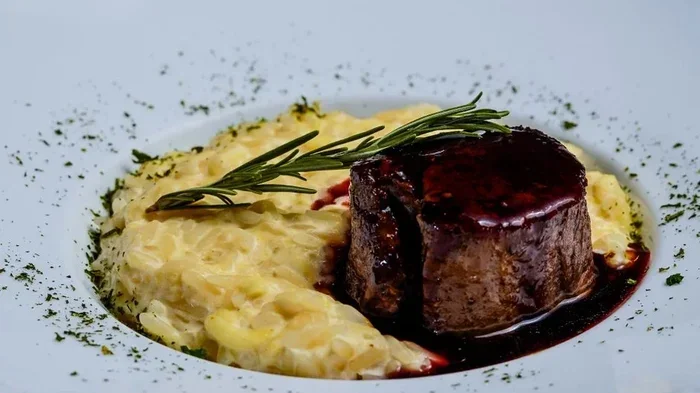
Filet mignon cooking time depends on your method, thickness, and desired doneness. This guide covers pan-searing, oven-baking, grilling, and sous vide with precise times for rare to well-done. You will also learn how to use a meat thermometer, rest your steak properly, and avoid common mistakes that ruin a great cut.
Filet mignon is one of the most elegant cuts of beef you can serve. It comes from the tenderloin, which means it is naturally tender and lean. But because it has less fat than other steaks, it can dry out fast if you cook it too long. That is why filet mignon cooking time is so important to get right.
Whether you are pan-searing a thick cut for a date night or grilling a thinner filet for a summer barbecue, timing makes all the difference. In this guide, we break down the filet mignon cooking time for every method, every thickness, and every level of doneness. You will also find pro tips, common mistakes, and answers to the questions home cooks ask most.
By the end of this article, you will feel confident cooking filet mignon on the stovetop, in the oven, on the grill, or even with the sous vide method. Let us get started.
Key Takeaways
- Thickness matters most: A 1-inch filet mignon cooks much faster than a 2-inch cut, so always adjust your timing.
- Use a meat thermometer: This is the single best way to hit your target doneness every time.
- Rest your steak: Letting filet mignon rest for 5 to 10 minutes keeps the juices locked inside.
- Multiple methods work well: Pan-searing, oven-baking, grilling, and sous vide all produce excellent results with different timing.
- Avoid common mistakes: Skipping the sear, cooking from cold, and cutting too early are the top errors home cooks make.
- Internal temperature is your guide: Rare reads 120-125°F, medium-rare 130-135°F, and medium 140-145°F.
📑 Table of Contents
- Why Filet Mignon Cooking Time Matters So Much
- Filet Mignon Cooking Time by Method
- Filet Mignon Cooking Time by Thickness and Doneness
- How to Tell When Your Filet Mignon Is Done
- Pro Tips for Perfect Filet Mignon Every Time
- Common Mistakes That Ruin Filet Mignon
- Frequently Asked Questions About Filet Mignon Cooking Time
- Final Thoughts on Filet Mignon Cooking Time
Why Filet Mignon Cooking Time Matters So Much
Filet mignon is a premium cut. It comes from the small end of the beef tenderloin, and it is prized for its buttery texture. Because it is so lean, it does not have the fat marbling that protects fattier steaks like ribeye or strip steak. This makes it more sensitive to heat and time.
Cook it too long, and the meat becomes dry and tough. Cook it just right, and it melts in your mouth. The difference between a perfect filet and a disappointing one often comes down to just a few minutes. That is why understanding filet mignon cooking time is the most important skill you can build in the kitchen.
A few factors that affect your timing include:
- The thickness of the steak
- The cooking method you choose
- Your target level of doneness
- Whether the meat is at room temperature before cooking
- The type of pan, oven, or grill you use
Each of these plays a role. Let us explore them one by one.
Filet Mignon Cooking Time by Method
There are four popular ways to cook filet mignon. Each method has its own timing rules, and each brings out different flavors and textures. Here is a full breakdown.
Pan-Seared Filet Mignon Cooking Time
Pan-searing is the most popular method for cooking filet mignon at home. It gives you a beautiful brown crust while keeping the inside juicy and tender. You need a heavy skillet, preferably cast iron, for the best results.
Here is the basic process and timing:
- Pat the steak dry with paper towels.
- Season generously with salt and pepper.
- Heat a cast iron skillet over high heat with a high smoke-point oil.
- Sear the filet for 2 to 3 minutes per side to build a crust.
- Reduce heat to medium and continue cooking until you reach your target temperature.
For a 1-inch thick filet mignon, the total stovetop cooking time is usually about 6 to 8 minutes. For a 2-inch thick filet, it takes closer to 10 to 12 minutes. Use a meat thermometer to check the internal temperature as you go.
Pro tip: Add a knob of butter and a few crushed garlic cloves during the last two minutes. Baste the steak with the foaming butter for extra richness and flavor. If you want to learn more about essential kitchen tools that make this easier, check out our guide on the best extra long wooden spoon for cooking for gentle basting.
Oven-Baked Filet Mignon Cooking Time
Oven-baking is a hands-off method that works beautifully for thicker filets. It gives you even cooking from edge to center. This method is also called oven-roasting.
Here is how to do it:
- Preheat your oven to 400°F.
- Season the filet and sear it in a hot skillet for 2 minutes per side.
- Transfer the skillet directly to the oven.
- Bake until the internal temperature reaches your target.
The oven time for a 1-inch filet is about 8 to 10 minutes. For a 2-inch filet, it takes 12 to 15 minutes. The sear before baking adds flavor and color, so do not skip that step.
If you use an oven-safe skillet, you can go straight from stovetop to oven without transferring the steak. This keeps the heat consistent and prevents temperature drops.
Grilled Filet Mignon Cooking Time
Grilling filet mignon is perfect for warm weather entertaining. The high direct heat creates a smoky char that pairs beautifully with the tender beef.
Grilling times depend on the heat of your grill and the thickness of the steak:
- 1-inch thick: 4 to 5 minutes per side over medium-high heat
- 1.5-inch thick: 5 to 7 minutes per side
- 2-inch thick: 6 to 8 minutes per side
Always let the grill heat up fully before placing the steak on. A clean, well-oiled grate prevents sticking. Use tongs to flip the filet, never a fork, so you do not pierce the meat and lose juices.
Sous Vide Filet Mignon Cooking Time
Sous vide is a precision cooking method where you vacuum-seal the steak and cook it in a water bath at a controlled temperature. This method is famous for producing perfectly even doneness edge to edge.
Here are the standard sous vide settings for filet mignon:
- Rare: 120°F for 1 to 2 hours
- Medium-rare: 128°F for 1 to 2 hours
- Medium: 135°F for 1 to 2 hours
- Medium-well: 145°F for 1 to 2 hours
After the water bath, you must sear the filet in a screaming hot skillet for about 30 seconds per side. This adds the crust and color that sous vide alone cannot provide. The total hands-on time is short, but the water bath time is longer than other methods.
Filet Mignon Cooking Time by Thickness and Doneness
The two biggest variables that change your cooking time are thickness and doneness. Here is a detailed breakdown to help you plan every cook.
Cooking Time by Thickness
Thickness is the most overlooked factor in cooking steak. A 1-inch filet and a 2-inch filet can look similar on the plate, but they need very different cooking times. Always measure the thickest part of your steak with a ruler before you start.
| Thickness | Pan-Seared Time (per side) | Oven Time (after sear) | Grill Time (per side) |
|---|---|---|---|
| 1 inch | 2-3 minutes | 6-8 minutes | 4-5 minutes |
| 1.5 inches | 3-4 minutes | 9-11 minutes | 5-7 minutes |
| 2 inches | 4-5 minutes | 12-15 minutes | 6-8 minutes |
These times assume you are starting from room temperature. Always let your filet mignon sit out for 20 to 30 minutes before cooking. Cold meat from the fridge cooks unevenly and needs more time, which can dry out the outer layers.
Cooking Time by Doneness Level
Your target internal temperature determines how long to cook each filet. Here is the complete guide:
| Doneness | Internal Temperature | Color | Feel When Pressed |
|---|---|---|---|
| Rare | 120-125°F | Red center | Very soft |
| Medium-rare | 130-135°F | Pink center | Soft with slight resistance |
| Medium | 140-145°F | Light pink center | Firm with some give |
| Medium-well | 150-155°F | Slight pink | Firm |
| Well-done | 160°F+ | No pink | Very firm |
Most chefs and steak lovers recommend cooking filet mignon to medium-rare. This is 130-135°F internal temperature. At this point, the steak is juicy, tender, and has a beautiful pink center. Filet mignon is lean, so going beyond medium can cause it to lose moisture quickly.
Remember that the temperature will rise 5 to 10 degrees after you pull the steak off the heat. This is called carryover cooking, and it is why you should always pull the filet a few degrees before your target temperature.
How to Tell When Your Filet Mignon Is Done
The most reliable way to check doneness is with a digital instant-read meat thermometer. Insert it into the thickest part of the steak, away from any bone or fat. Do not touch the pan or the surface, as that gives a false reading.
Other methods people use include the touch test and the finger press test. Here is how they work:
- Touch test: Touch the tip of your thumb to your index finger. The fleshy part of your palm below the thumb feels like rare meat.
- Finger press: Touch your thumb to your middle finger. The palm firmness matches medium-rare.
- Ring finger test: Thumb to ring finger equals medium doneness.
- Pinky test: Thumb to pinky equals well-done.
These tests work, but a thermometer is far more accurate. Invest in a good instant-read thermometer if you do not already have one. It removes all guesswork from cooking filet mignon.
Pro Tips for Perfect Filet Mignon Every Time
Even experienced cooks make small mistakes that affect the final result. Here are the tips that separate a good filet from a great one.
Bring the Steak to Room Temperature
Take your filet mignon out of the fridge 20 to 30 minutes before cooking. Cold meat seizes up when it hits a hot pan, which leads to uneven cooking. The outside can burn while the inside stays cold. A room temperature steak cooks more evenly and needs less total time.
Pat the Steak Dry
Moisture is the enemy of a good sear. Use paper towels to pat the filet completely dry on all sides. The drier the surface, the better the crust will be. This is the same principle behind reverse sear technique, where you dry the surface first for maximum browning.
Use the Right Pan
A heavy-bottomed skillet distributes heat evenly and prevents hot spots. Cast iron skillets are the gold standard for searing steak. If you use an induction cooktop, make sure your pan is compatible. You can explore the best options in our guide on the best pots and pans for induction cooking.
Do Not Skip the Rest
Once your filet mignon reaches the target temperature, pull it off the heat and let it rest for 5 to 10 minutes. During resting, the juices redistribute throughout the meat. If you cut too early, all those juices run out onto the cutting board instead of staying in the steak.
Tent the steak loosely with aluminum foil during resting. This keeps it warm without trapping too much steam, which would soften the crust.
Sharpen Your Knife Before Serving
A sharp knife makes slicing filet mignon effortless. A dull knife tears the fibers and makes the steak look ragged. Before you serve, make sure your knife is sharp. You can find detailed guidance on how to sharpen a filet knife to get clean, beautiful slices every time.
Common Mistakes That Ruin Filet Mignon
Even simple mistakes can turn a great cut of beef into a disappointing meal. Here are the errors to avoid.
Cooking From the Fridge
This is the number one mistake home cooks make. Cold meat cooks unevenly, and the outside overcooks before the inside reaches the right temperature. Always temper your steak before cooking.
Not Using a Meat Thermometer
Guessing doneness by time alone is unreliable. Every stove, oven, and grill is different. A thermometer takes the guesswork out and ensures consistent results every single time.
Cutting Into the Steak to Check
Every time you cut into the steak to check the color, you release precious juices. Use the touch test or a thermometer instead. You only get one chance to cook the steak right, so protect it.
Skipping the Sear
The sear adds flavor through the Maillard reaction. It creates a brown crust that enhances the taste and appearance of the steak. Even if you are using sous vide, you must sear at the end.
Overcrowding the Pan
If you are cooking multiple filets, give them space. Overcrowding drops the pan temperature and creates steam instead of a sear. Cook in batches if needed. A good big non-stick pot or pan gives you the space you need for multiple steaks without crowding.
Cutting Too Soon After Cooking
Resting is not optional. Cutting into a hot steak immediately sends all the juices to the plate. Give it at least 5 minutes, and your steak will be noticeably juicier and more flavorful.
Frequently Asked Questions About Filet Mignon Cooking Time
How long does it take to cook filet mignon in a cast iron skillet?
For a 1-inch thick filet mignon, pan-searing in a cast iron skillet takes about 6 to 8 minutes total, or 3 to 4 minutes per side over medium-high heat. For a 2-inch thick steak, plan for 10 to 12 minutes total. Always use a meat thermometer to confirm doneness rather than relying on time alone.
What is the best internal temperature for filet mignon?
The best internal temperature for filet mignon is 130-135°F for medium-rare. This is the sweet spot where the steak is juicy, tender, and has a beautiful pink center. Since the temperature will rise 5 to 10 degrees during resting, pull the steak off the heat at 125-130°F for medium-rare perfection.
Can you overcook filet mignon?
Yes, absolutely. Filet mignon is a lean cut with very little fat marbling, which makes it more prone to drying out than fattier steaks. Overcooking turns it tough and chewy. Stick to medium-rare or medium at most, and always use a thermometer to avoid going too far.
How long should filet mignon rest after cooking?
Let your filet mignon rest for 5 to 10 minutes after cooking. During this time, the internal juices redistribute and the temperature equalizes. Tent the steak loosely with aluminum foil to keep it warm without steaming the crust. Cutting too early is one of the most common mistakes that ruins an otherwise perfect steak.
Is sous vide better than pan-searing for filet mignon?
Sous vide gives you incredibly even doneness edge to edge, which is hard to achieve with pan-searing alone. However, it takes longer because of the water bath time. Pan-searing is faster and gives you a more dramatic crust. Many cooks use both methods together, cooking sous vide first and then searing at the end for the best of both worlds.
How do you cook a 2-inch filet mignon on the grill?
For a 2-inch thick filet mignon on the grill, cook for 6 to 8 minutes per side over medium-high heat. Use indirect heat for thicker cuts to avoid burning the outside while the inside stays raw. Always let the steak temper at room temperature for 20 to 30 minutes before grilling, and use a meat thermometer to check the internal temperature as you go.
Final Thoughts on Filet Mignon Cooking Time
Mastering filet mignon cooking time is one of the most rewarding skills you can develop in the kitchen. It transforms an expensive cut of beef into a restaurant-quality meal that will impress anyone at your table.
The key takeaways are simple. Bring the steak to room temperature before cooking. Use a heavy pan and a good sear. Check the internal temperature with a meat thermometer. Let the steak rest before cutting. And avoid the common mistakes that dry out this lean, tender cut.
Whether you prefer pan-seared, oven-baked, grilled, or sous vide, the principles remain the same. Control the heat, monitor the temperature, and respect the timing. Once you get the rhythm down, cooking filet mignon becomes second nature.
Start with these guidelines, practice a few times, and you will notice a huge improvement in your results. Great filet mignon does not require fancy equipment or years of experience. It just requires attention, patience, and the right timing. You have got this.