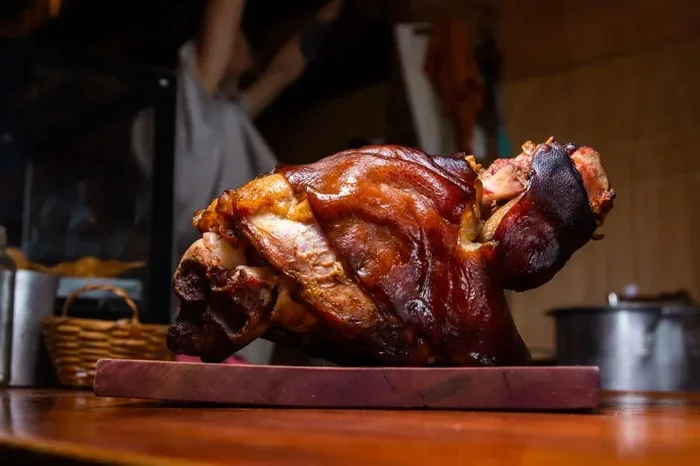
A fully cooked ham cooking chart helps you heat your ham to perfection with the right time and temperature. Whether you have a spiral ham, a picnic ham, or a whole roast, this chart covers all the basics. You will learn the ideal ham internal temperature, glaze recipes, and common mistakes to avoid. Follow our simple guide for a delicious ham dinner that everyone will love.
A fully cooked ham cooking chart is one of the most useful tools you can have in your kitchen. If you have ever stood in front of a ham wondering how long to cook it or what temperature to use, you are not alone. Many people buy a beautiful ham only to end up with dry, overcooked meat. A good cooking chart takes all the guesswork out of the process.
Whether you are preparing a holiday dinner or a simple weeknight meal, knowing the right ham cooking times and temperatures makes all the difference. This guide walks you through everything you need to know. We cover different ham types, oven temperatures, glaze ideas, and storage tips. By the end, you will feel confident cooking ham like a pro.
Key Takeaways
- Target Temperature: Always heat fully cooked ham to 140°F for sliced ham and 165°F for leftover ham dishes.
- Cooking Time Matters: Plan for about 10-15 minutes per pound when reheating in the oven.
- Glazing Adds Flavor: A simple brown sugar or honey glaze elevates any pre cooked ham.
- Resting Is Essential: Let your ham rest for 10-15 minutes after cooking for juicier results.
- Storage Tips: Properly store leftover ham in the fridge within two hours of cooking.
- Right Cookware Helps: Use a roasting pan or best big pots for cooking non stick to prevent sticking and easy cleanup.
📑 Table of Contents
Why You Need a Fully Cooked Ham Cooking Chart
A fully cooked ham cooking chart gives you a clear roadmap for heating your ham correctly. Most hams you buy at the store are already fully cooked. That means your job is simply to reheat them to the right temperature and add flavor. Without a chart, it is easy to underheat or overcook your meat.
Different ham sizes and styles need different approaches. A small spiral ham heats differently than a large bone-in roast. A ham cooking chart breaks down these differences so you can plan your meal with confidence. You will know exactly when to pull the ham out of the oven and how long to let it rest.
Types of Fully Cooked Ham
Not all hams are the same. Understanding the type you have helps you use the right cooking method. Here are the most common kinds you will find at the grocery store:
- Spiral Ham: Pre-sliced and easy to serve. This is the most popular type for holiday dinners.
- Bone-In Ham: Has a bone running through the center. Great for slow heating and extra flavor.
- Boneless Ham: Easier to slice and serve. Works well for smaller gatherings.
- Picnic Ham: Comes from the shoulder. Often smoked and has a stronger flavor.
- Country Ham: Dry-cured and very salty. Needs soaking before cooking, though some brands are ready to eat.
Each type has its own ideal heating approach. A ham roast chart accounts for these differences and helps you pick the right method.
Fully Cooked Ham Cooking Chart: Times and Temperatures
The heart of any good ham guide is the cooking chart itself. This section gives you the essential numbers you need for a perfect fully cooked ham cooking chart experience. Print this out or save it on your phone for your next cook.
Oven Reheating Basics
For most fully cooked hams, the oven method works best. Set your oven to 325°F. Place the ham cut-side down in a roasting pan. Cover it tightly with foil to keep the moisture inside. Heat for about 10 to 15 minutes per pound.
Here is a simple breakdown of reheating times:
- Small ham (3-4 lbs): 30-45 minutes
- Medium ham (5-7 lbs): 50-70 minutes
- Large ham (8-10 lbs): 75-90 minutes
- Extra large ham (10+ lbs): 90-120 minutes
Use a meat thermometer to check the ham internal temperature. For sliced ham, aim for 140°F. If you are reheating leftover ham dishes, push the temperature to 165°F for food safety. Remove the foil for the last 15 minutes if you want a slightly crispy exterior.
Slow Cooker and Instant Pot Options
Not everyone wants to use the oven. A slow cooker is a great alternative for a hands-off approach. Place your ham in the cooker with a splash of broth or apple juice. Cook on low for 4 to 6 hours until it reaches 140°F inside.
An Instant Pot works even faster. Use the pressure cook setting for about 15 minutes per pound. Let the pressure release naturally before opening. Both methods produce tender, juicy results without drying out your ham.
How to Glaze a Fully Cooked Ham
A great glaze turns a good ham into a memorable one. Most pre cooked ham brands come with a glaze packet, but making your own is easy and tastes much better. Apply the glaze during the last 20 to 30 minutes of cooking so it caramelizes without burning.
Simple Brown Sugar Glaze
This classic glaze takes just minutes to make and uses ingredients you probably already have:
- 1 cup brown sugar
- 2 tablespoons Dijon mustard
- 1 tablespoon apple cider vinegar
- 1 tablespoon butter, melted
Mix everything together in a small bowl. Brush it generously over the ham during the last 20 minutes of cooking. The sugar will caramelize into a beautiful, sticky coating that everyone will love.
Honey and Cloves Glaze
For a more traditional flavor, try this honey-based glaze:
- 1/2 cup honey
- 1/4 cup whole cloves
- 2 tablespoons butter
- 1 tablespoon apple juice
Warm the honey and butter together. Stud the top of the ham with whole cloves and pour the glaze over. This gives your ham a warm, aromatic flavor perfect for fall and winter gatherings.
Pineapple and Brown Sugar Glaze
This tropical twist is a crowd favorite. Use crushed pineapple mixed with brown sugar and a splash of rum extract. The acidity from the pineapple cuts through the richness of the ham beautifully. Brush it on during the last 15 minutes of cooking.
Common Mistakes to Avoid When Cooking Ham
Even experienced cooks make mistakes with ham. Knowing what to avoid saves you time, money, and a lot of frustration. Here are the most common errors people make when using a fully cooked ham cooking chart.
Overcooking the Ham
The biggest mistake is cooking the ham too long. Since it is already fully cooked, you only need to reheat it. Overcooking strips away moisture and leaves you with dry, tough meat. Always use a thermometer and pull the ham as soon as it hits 140°F.
Skipping the Resting Period
Many people slice their ham right away after taking it out of the oven. This is a mistake. Letting the ham rest for 10 to 15 minutes allows the juices to redistribute. The result is a much juicier and more flavorful ham. Think of it like resting a cooked brisket — the same principle applies.
Using the Wrong Pan
Cooking ham in a thin or wrong-sized pan causes uneven heating and messy cleanup. A sturdy roasting pan works best for most hams. If you are cooking multiple items, consider using best big pots for cooking non stick on the stovetop for side dishes that complement your ham.
Forgetting to Score the Ham
Scoring the ham means cutting shallow diamond shapes into the surface before glazing. This helps the glaze penetrate deeper and creates an attractive presentation. Skip this step, and your glaze may slide right off during cooking.
Storing and Reheating Leftover Ham
One of the best things about ham is that it makes excellent leftovers. A properly stored ham can last several days in the fridge and even longer in the freezer. Here is how to handle your extra ham the right way.
Refrigerator Storage
Wrap leftover ham tightly in plastic wrap or aluminum foil. Place it in an airtight container. It will keep in the refrigerator for 3 to 5 days. If you have a lot of leftover ham, consider portioning it out so you only thaw what you need.
For storing ham drippings and fat, a best grease container for reusable cooking oil works surprisingly well. Pour the drippings into the container and store it in the fridge. You can use the fat later for cooking vegetables or making gravy.
Freezer Storage
Ham freezes beautifully. Wrap it in a layer of plastic wrap followed by a layer of foil or a freezer bag. It will stay good for up to 3 months in the freezer. When you are ready to eat it, thaw it in the fridge overnight and reheat using your ham cooking chart method.
Reheating Leftover Ham
When reheating leftover ham, keep the temperature low and slow. Cover it with foil and heat at 275°F for about 10 minutes per pound. This prevents the ham from drying out. If you are making a ham soup or casserole, you can skip the reheating step and add the ham directly to the dish.
For food safety, always bring leftover ham dishes to an internal temperature of 165°F before serving. A how to store cooked brisket guide can also offer useful tips on meat storage that apply to ham as well.
Expert Tips for the Perfect Ham Every Time
Want to take your ham game to the next level? These expert tips make a real difference. They are simple but effective, and anyone can use them.
Choose the Right Size Ham
A good rule of thumb is to plan for 1/3 to 1/2 pound of bone-in ham per person. For boneless ham, plan about 1/4 pound per person. Buying the right size ensures everyone gets a satisfying portion without excessive waste.
Let the Ham Come to Room Temperature
Take the ham out of the fridge about 30 minutes before cooking. This helps it heat more evenly throughout. Cold ham going straight into a hot oven creates uneven cooking with some parts too hot and others still cold.
Baste Regularly
If you are not using a glaze, baste the ham with its own juices or a simple broth every 20 minutes. This keeps the surface moist and adds flavor. Use best heat resistant arm sleeves for cooking to protect your arms from splashes when basting a large ham.
Save the Bone
After you finish your ham, do not throw away the bone. Ham bones make incredible stock for soups and stews. You can freeze the bone until you are ready to use it. A ham and bean soup recipe is one of the best ways to put that bone to good use.
Quick Tips for Ham Success
- Always use a meat thermometer — do not guess the temperature.
- Heat fully cooked ham at 325°F for the best results.
- Apply glaze during the last 15-20 minutes of cooking.
- Rest the ham for 10-15 minutes before slicing.
- Store leftovers within two hours of cooking.
- Label your stored ham with the date so you track freshness.
- Use the ham bone to make stock for future recipes.
A fully cooked ham cooking chart takes the stress out of preparing ham for any occasion. With the right times, temperatures, and a little practice, you will serve ham that is juicy, flavorful, and perfectly heated every single time. Keep this guide handy and refer to it whenever you are cooking ham. Your family and guests will notice the difference.
Remember, ham is a forgiving cut of meat. Even if you are not perfectly precise, a little extra time or a slightly lower temperature will still produce great results. The most important thing is to enjoy the process and share a delicious meal with the people you love. Happy cooking!
Frequently Asked Questions
What temperature should a fully cooked ham be heated to?
Heat sliced fully cooked ham to 140°F. For leftover ham dishes or casseroles, bring the temperature to 165°F. Always use a meat thermometer to check accuracy.
How long does it take to heat a fully cooked ham?
Plan for 10 to 15 minutes per pound at 325°F. A 7-pound ham will take roughly 70 to 90 minutes. Use a chart to estimate times based on your specific ham size.
Can you cook a fully cooked ham on the stove?
Yes, you can simmer a fully cooked ham on the stove in a large pot. This method works well for smaller hams and gives you moist results. Just keep the water at a gentle simmer and monitor the internal temperature.
How do you know when a fully cooked ham is done heating?
The ham is done when it reaches 140°F internally for sliced ham. Let it rest for 10 to 15 minutes after removing it from the oven. The juices should run clear, not pink.
What is the best glaze for a fully cooked ham?
A brown sugar and Dijon mustard glaze is the most popular choice. Honey glazes and pineapple glazes are also excellent. Apply any glaze during the last 20 minutes of cooking for the best caramelization.
How long can you keep leftover cooked ham in the fridge?
Leftover ham stays fresh in the refrigerator for 3 to 5 days when stored properly in an airtight container. For longer storage, freeze the ham and use it within 3 months.
=== CONCLUSION ===
A fully cooked ham cooking chart is an essential tool for anyone who loves cooking ham. It gives you clear, reliable guidance on times, temperatures, and techniques. Whether you are heating a spiral ham for Christmas dinner or making leftover ham sandwiches during the week, this chart has you covered.
Remember the key points: heat at 325°F, aim for 140°F internal temperature, glaze in the last 20 minutes, and always let your ham rest before slicing. Avoid common mistakes like overcooking and skipping the resting period. Store your leftovers properly and enjoy them for days.
Now that you have all the information you need, it is time to put it into practice. Pick up a beautiful ham, follow your chart, and enjoy the delicious results. Your kitchen will smell amazing, and your guests will be thoroughly impressed. Happy cooking!