How long to thaw a 20 lb turkey depends on the method you choose. Refrigerator thawing takes 4 to 5 days and is the safest option. The cold water method cuts that down to 10 to 12 hours, while microwave thawing is the fastest but requires immediate cooking. Always prioritize food safety and proper turkey preparation to avoid illness and ensure a juicy, evenly cooked bird.
Planning a big holiday meal? How long to thaw a 20 lb turkey is one of the most important questions you need answered before cooking day. A frozen turkey that isn’t thawed properly can lead to uneven cooking, foodborne illness, or a ruined dinner. In this guide, you will learn the three safest thawing methods, exact timing for each approach, and expert tips to make your turkey preparation a breeze. Whether you are planning Thanksgiving dinner or a weekend roast, this article has everything you need to get it right.
Thawing a large bird might seem simple, but getting the timing wrong can cause real problems. A 20 lb turkey takes serious planning, and rushing the process can put your guests at risk. The good news is that you have three safe options to choose from, and each one works well when done correctly. Understanding your thawing guidelines ahead of time means less stress on cooking day.
Key Takeaways
- Refrigerator thawing is the safest method: Plan for 4 to 5 days for a 20 lb turkey and keep your fridge at 40°F or below.
- Cold water thawing is faster: Expect about 10 to 12 hours and change the water every 30 minutes.
- Microwave thawing is the quickest: Only use this if you can cook the turkey immediately afterward.
- Never thaw a turkey on the counter: Room temperature thawing creates dangerous bacteria growth zones.
- Always use a meat thermometer: Cook your turkey to 165°F internally for safe serving.
- Cook within 1 to 2 days after thawing: This ensures the best quality and food safety.
📑 Table of Contents
How Long to Thaw a 20 Lb Turkey: Understanding Your Options
Why Thawing Time Matters
The turkey defrosting time directly affects both safety and quality. When a turkey thaws too quickly at room temperature, the outer layers enter the danger zone between 40°F and 140°F where bacteria multiply rapidly. This creates a serious food safety risk that no one wants at their holiday table.
Proper thawing also ensures even cooking. A partially frozen bird cooks unevenly, leaving some areas overdone and others undercooked. By following the right thawing guidelines, you get a juicy, evenly cooked Thanksgiving turkey every time. The method you choose determines how much planning and attention the process requires.
The Three Safe Thawing Methods
The USDA approves three safe methods for poultry thawing:
- Refrigerator thawing – the safest and most hands-off approach
- Cold water thawing – faster but requires more attention
- Microwave thawing – the quickest option for last-minute prep
Each method has its own timing and requirements. We will break them all down below so you can pick the best fit for your turkey recipe and schedule. Let us walk through each one in detail.
Refrigerator Thawing: The Safest Method
How Long Does Refrigerator Thawing Take?
Refrigerator thawing is the gold standard for safe thawing. For a 20 lb turkey, plan on approximately 4 to 5 days in the refrigerator. The general rule is about 24 hours of thawing time for every 4 to 5 pounds of turkey weight. This method keeps the bird at a safe, consistent temperature throughout the process.
It also gives you the most flexibility since the thawed turkey can stay in the fridge for an additional 1 to 2 days before cooking. This makes refrigerator thawing the most convenient option for those who like to plan ahead. Just make sure your fridge stays at 40°F or below the entire time.
Step-by-Step Refrigerator Thawing
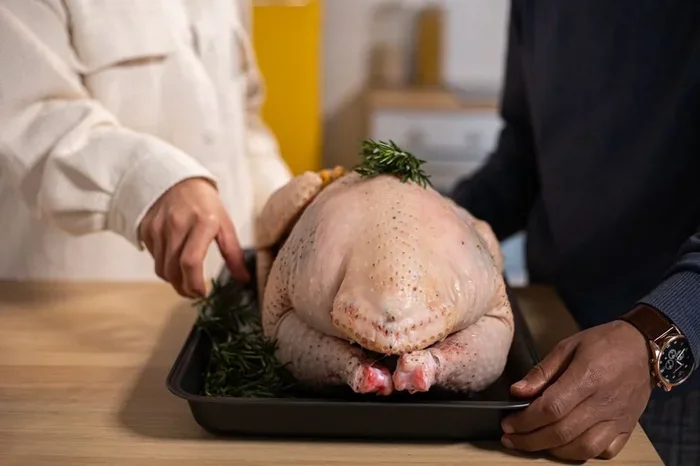
- Remove the turkey from its packaging and place it on a large tray or baking sheet.
- Put the tray on the lowest shelf of your refrigerator to catch any drips.
- Keep the turkey in its original wrapper or place it in a leak-proof bag.
- Make sure your refrigerator stays at 40°F or below throughout the process.
- Plan ahead and start thawing 4 to 5 days before you intend to cook.
Tips for Refrigerator Thawing
- Place a towel under the tray to absorb any liquid that leaks out.
- Do not remove the giblet packet inside the cavity until you are ready to cook.
- If your fridge is crowded, make sure air can still circulate around the turkey.
- For the best turkey brine results, start brining after the bird is fully thawed.
Quick Tip: If you realize you forgot to start thawing, do not panic. The cold water method is your next best option and can save the day.
Cold Water Thawing: A Faster Alternative
How Long Does Cold Water Thawing Take?
The cold water method is significantly faster than refrigerator thawing. For a 20 lb turkey, expect the process to take about 10 to 12 hours. The rule of thumb is approximately 30 minutes per pound of turkey. This method works well when you have less time but still want to avoid the risks of room temperature thawing.
It requires more hands-on attention, but the results are well worth the effort. This is the go-to method for those who need a faster meat defrosting solution without compromising safety. Just be prepared to stay near the sink and change the water regularly.
Step-by-Step Cold Water Method
- Keep the turkey in its original leak-proof packaging or place it in a sealed plastic bag.
- Submerge the wrapped turkey in cold tap water inside a large sink or clean container.
- Change the water every 30 minutes to keep it cold enough for safe poultry thawing.
- Once thawed, cook the turkey immediately. Do not refreeze a turkey thawed using this method.
When to Use the Cold Water Method
The cold water method is ideal when you have 10 to 12 hours before cooking time. It is perfect for those who forgot to plan ahead or need to speed up the turkey preparation process. Just remember that you must stay near the sink to change the water every half hour.
If you cannot commit to this, stick with the refrigerator method instead. And never use warm or hot water, as this can partially cook the outer layers and create a breeding ground for bacteria.
Microwave Thawing: The Quickest Option
How Long Does Microwave Thawing Take?
Microwave thawing is the fastest option available. A 20 lb turkey can take several hours in the microwave, depending on your appliance’s wattage and size capacity. Most standard microwaves cannot fit a full 20 lb bird, so check your microwave’s interior dimensions first.
This method works best for smaller turkeys or when you are in a real time crunch. However, it does come with some important caveats you need to know about. The microwave can create hot spots that begin to cook the outer layers of the turkey unevenly.
Step-by-Step Microwave Thawing
- Remove all packaging and place the turkey in a microwave-safe dish.
- Use the defrost setting on your microwave and follow the manufacturer’s instructions.
- Turn the turkey periodically to ensure even thawing.
- Cook the turkey immediately after thawing. Never refreeze meat thawed in the microwave.
Important Warnings
Microwave thawing can create hot spots that begin to cook the outer layers of the turkey. This partial cooking can affect texture and flavor. More importantly, once parts of the turkey reach temperatures above 40°F, bacteria can start to grow rapidly.
Only use the microwave method if you are prepared to cook the turkey right away. This is not a method you can use to thaw a turkey over several days. If you need time to prepare side dishes, the refrigerator or cold water method is a much better choice.
Common Mistakes to Avoid When Thawing a Turkey
Leaving the Turkey Out on the Counter
This is the single most dangerous mistake people make. Leaving a frozen turkey on the counter at room temperature allows the outer layers to enter the bacteria danger zone while the inside remains frozen. This can happen in as little as two hours and creates a serious food safety hazard.
Never leave a turkey out on the counter to thaw, no matter how convenient it seems. The risks far outweigh any time savings. Remember that proper food safety extends beyond thawing. Just like storing eggs for the long term, how you handle and store your turkey matters just as much for keeping it safe to eat.
Using Warm or Hot Water
Some people think warm water will speed up thawing, but this is a dangerous shortcut. Warm water can partially cook the outer layers while the inside remains frozen. It also creates an ideal environment for bacteria to grow on the warm surface.
Always use cold water only. If the water becomes warm, replace it immediately with fresh cold water. The cold water method only works because the water stays cold enough to keep the turkey safe throughout the process. Patience is key when you are thawing a large bird.
Skipping the Thermometer Check
Before cooking, always check that your turkey has reached a safe internal temperature throughout. Use a meat thermometer inserted into the thickest part of the thigh and the innermost part of the wing.
The turkey should read 165°F in all areas. If you are unsure whether the bird is fully thawed, the thermometer will tell you. A partially frozen center will show a temperature below 165°F, signaling that you need more time. A good turkey recipe always includes a thermometer check as a non-negotiable step.
Cooking Your Thawed Turkey
How Long to Cook a Thawed 20 Lb Turkey
Once your turkey is fully thawed, you will want to cook it within 1 to 2 days for the best food safety and flavor. A 20 lb turkey typically roasts at 325°F for about 4 to 5 hours, depending on whether it is stuffed or unstuffed.
Plan for about 13 to 15 minutes of cooking time per pound for an unstuffed bird. Always rely on a meat thermometer rather than a timer alone to determine doneness. The oven temperature should stay steady at 325°F throughout the roasting process for the most even results.
Internal Temperature Guidelines
The USDA recommends cooking all poultry to an internal temperature of 165°F. Check multiple spots including the breast, thigh, and wing joint. Let the turkey rest for at least 20 minutes after removing it from the oven. This allows the juices to redistribute and keeps the meat moist and tender.
Keeping the Turkey Warm After Cooking
After your turkey comes out of the oven, you may need to hold it at a safe temperature for serving. If you are wondering what to do next, check out how to keep a turkey warm in the oven for practical tips on maintaining the right temperature without drying out the meat. A properly warmed turkey stays juicy and delicious for your guests.
Quick Tips for Perfect Turkey Thawing
Here are some extra tips to make your thawing process smooth and stress-free:
- Plan ahead: Always start thawing earlier than you think you need to.
- Check your fridge temperature: Use a fridge thermometer to confirm it stays at or below 40°F.
- Buy a meat thermometer: This is the single best tool for ensuring your turkey is safe to eat.
- Allow extra time: If your turkey weight is slightly over 20 lbs, add more thawing time accordingly.
- Keep it covered: Prevent cross-contamination by keeping the turkey wrapped during the thawing process.
- Store seasonings properly: If you are seasoning your turkey in bulk, learn how to store spices for long term so your flavorings stay fresh for your next cook.
How long to thaw a 20 lb turkey depends on the method you choose. Refrigerator thawing takes 4 to 5 days and is the safest option. The cold water method cuts that down to 10 to 12 hours. And the microwave offers the fastest path but requires immediate cooking. No matter which method you pick, always prioritize food safety and proper turkey preparation.
With the right planning and a little patience, you will have a perfectly thawed turkey ready for your holiday table. Follow these guidelines, avoid the common mistakes, and enjoy a delicious meal that your guests will remember for years to come. Happy cooking!
Frequently Asked Questions
Can I Cook a Turkey Without Thawing It First?
Yes, you can cook a turkey from frozen, but it will take significantly longer. The USDA recommends adding about 50% more cooking time for a frozen turkey. However, thawing first ensures more even cooking and better texture. Always use a meat thermometer to confirm the internal temperature reaches 165°F throughout.
What Is the Danger Zone for Turkey Thawing?
The danger zone is between 40°F and 140°F, where bacteria multiply rapidly. Never leave a turkey at room temperature for more than two hours. If the outer layers of the bird reach this temperature range while the inside is still frozen, you risk foodborne illness. Always use one of the three USDA-approved thawing methods.
Can I Refreeze a Turkey After Thawing It?
You can refreeze a turkey that was thawed in the refrigerator, but the quality may suffer. If you thawed the turkey using the cold water or microwave method, you should cook it immediately before refreezing. Refreezing raw turkey that has been at room temperature is not safe and should be avoided.
How Do I Know if My Turkey Is Fully Thawed?
The best way to check is with a meat thermometer. Insert it into the thickest part of the thigh and the innermost part of the wing. If the temperature reads 165°F and there are no ice crystals in the cavity, the turkey is fully thawed. You can also check by feeling for any remaining frozen spots in the thickest areas.
Should I Brine My Turkey After Thawing?
Brining is a great way to add flavor and moisture to your turkey. Wait until the bird is fully thawed before brining, as the salt solution will not penetrate frozen meat effectively. A wet brine typically takes 12 to 24 hours in the refrigerator. If you want a dry brine, you can start right after thawing for the best results.
What Temperature Should My Oven Be for Roasting a Thawed Turkey?
Roast a thawed turkey at 325°F for the most even cooking. This moderate temperature allows the bird to cook through without drying out the outer layers. If you are using a different oven temperature, adjust your cooking time accordingly and always rely on a meat thermometer to confirm doneness at 165°F internally.