
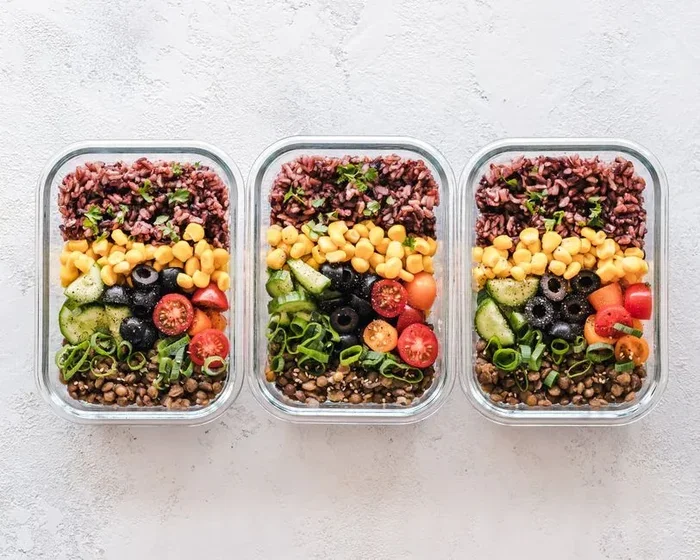
Finding the right meal prep containers can transform your weekly routine and make healthy eating effortless. The best meal prep containers come in materials like glass, plastic, and stainless steel, each offering unique benefits for freshness and convenience. Whether you are batch cooking for weight loss or feeding a family, the right containers help you stay organized and save money.
Meal prep is one of the smartest habits you can build for a healthier lifestyle. But let us be honest, the whole process falls apart if your meal prep containers do not do their job. Leaks, stale food, and mismatched lids can turn a Sunday cooking session into a frustrating mess.
That is exactly why we put together this guide. We have tested and reviewed countless options to bring you the best meal prep containers that actually make life easier. Whether you are prepping lunches for work, cooking in bulk for weight loss, or just trying to eat healthier during the week, the right containers make all the difference.
In this article, we will walk you through everything you need to know. We cover materials, sizes, features, and our top picks. By the end, you will know exactly which food storage containers deserve a spot in your kitchen.
Key Takeaways
- Material matters: Glass, plastic, and stainless steel each offer different benefits for meal prep storage and heating.
- Size and shape count: Choosing the right container sizes helps with portion control and fits your fridge perfectly.
- Leak proof and airtight seals keep food fresh: These features prevent spills and extend the shelf life of your meals.
- Labeling systems save time: Using dry erase labels for food containers helps you stay organized throughout the week.
- Your lifestyle determines the best choice: Consider your budget, diet goals, and daily routine when picking containers.
📑 Table of Contents
- Why Meal Prep Containers Are a Game Changer
- Types of Meal Prep Container Materials
- Features to Look for in Meal Prep Containers
- Best Meal Prep Containers for Different Needs
- How to Organize Your Weekly Meal Prep
- Common Mistakes to Avoid
- Expert Tips for Getting the Most Out of Your Containers
- Final Thoughts
Why Meal Prep Containers Are a Game Changer
Meal prep containers are more than just boxes you throw food into. They are the foundation of a smooth weekly routine. When you have the right ones, everything else falls into place.
Here are some of the biggest reasons people swear by batch cooking with proper containers:
- Time savings: Cooking several meals at once means less time in the kitchen on busy weekdays.
- Money savings: Buying ingredients in bulk and prepping meals reduces food waste and impulse takeout orders.
- Healthier eating: When your meals are already portioned out, you are less likely to reach for junk food.
- Less stress: Opening the fridge and seeing ready-made meals eliminates the daily “what should I eat?” dilemma.
- Portion control: The right container sizes help you manage calorie intake without tedious measuring.
The key is choosing containers that match your routine. A single person prepping for the week has very different needs than a family of five. We will help you figure out what works best for you.
Types of Meal Prep Container Materials
Not all containers are created equal. The material you choose affects durability, safety, and how well your food stays fresh. Let us break down the three most popular options.
Glass Containers
Glass is the gold standard for many meal preppers. It does not stain, does not absorb odors, and can go from fridge to oven to table without any hassle. Glass meal prep containers are also eco-friendly since they last for years without degrading.
The main downside is weight. Glass containers are heavier than plastic, which can matter if you are carrying lunch to work every day. They are also more prone to breaking if dropped.
If you are looking for glass containers with lids for liquids, glass is your best bet. The non-porous surface keeps sauces and dressings from seeping into the container walls.
Plastic Containers
Plastic containers are lightweight, affordable, and come in every shape and size imaginable. They are the most popular choice for meal planning beginners because they are easy to handle and stack.
However, not all plastic is created equal. Always look for BPA free labels. Cheaper plastics can stain over time, especially with tomato-based sauces or curry. They may also retain odors even after washing.
For pantry storage and long-term use, plastic food storage containers for pantry are a solid and budget-friendly option. Just be sure to replace them when they start showing wear.
Stainless Steel Containers
Stainless steel is incredibly durable and does not leach chemicals. It is also excellent for keeping food at the right temperature. If you want something that will last a decade or more, stainless steel storage containers for kitchen are a fantastic investment.
The tradeoff? Stainless steel is not microwave safe. You will need to transfer your food to a different container for reheating. It also tends to be more expensive upfront.
Features to Look for in Meal Prep Containers
When shopping for the best meal prep containers, certain features can make or break your experience. Here is what you should pay attention to.
Airtight and Leak Proof Seals
Nothing ruins a packed lunch faster than a leaky container. Look for containers with airtight food storage containers for pantry style sealing lids. These keep liquids contained and prevent spills in your bag or fridge.
A good seal also keeps air out, which means your food stays fresh longer. This is especially important if you prep meals on Sunday and eat them throughout the week.
Stackable and Space-Saving Design
Let us talk about fridge space. Most kitchens have limited room, and bulky containers can eat up valuable real estate. Stackable containers with flat lids that nest inside save a ton of space.
Some containers even come with snap-on lids that lock into place when stacked. This keeps everything neat and organized rather than sliding around.
Microwave and Freezer Safe
Not all containers handle heat or cold the same way. If you plan to reheat meals, make sure your containers are microwave safe. Glass and certain high-quality plastics work well here.
For freezer storage, look for containers labeled freezer safe. They are built to withstand temperature changes without cracking or warping. This is essential if you like to prep meals weeks in advance.
Easy to Clean
Meal prep means washing a lot of containers. Choose ones that are dishwasher safe and do not trap food in corners or seams. Wide-mouth containers are the easiest to clean by hand.
Best Meal Prep Containers for Different Needs
There is no one-size-fits-all answer when it comes to meal prep containers. Your ideal choice depends on your goals, lifestyle, and budget. Here is a breakdown of the best options for different situations.
For Weight Loss and Portion Control
If you are counting calories or tracking macros, compartmentalized containers are your best friend. They let you separate proteins, carbs, and veggies in one container. For dedicated guidance on this approach, check out our best meal prep containers for weight loss guide.
These containers often come with sectioned dividers that eliminate the need for multiple boxes. You get a balanced meal in one neat package.
For Families and Kids
Feeding a family means you need durability and variety in sizes. Stainless steel lunch containers for kids are a great choice for younger family members. They are tough, safe, and come in fun designs that encourage children to eat their packed lunches.
For the adults in the house, larger rectangular containers work best. They fit more food and stack efficiently in the fridge.
For Hot Food and On-the-Go Lunches
If you need your food to stay warm until lunch, thermal containers are a must. Best thermal lunch containers for hot food are designed with insulation that keeps meals at a safe temperature for hours. These are perfect for people who do not have access to a microwave at work.
Some thermal containers even double as serving dishes, which cuts down on cleanup.
How to Organize Your Weekly Meal Prep
Having great containers is only half the battle. You also need a system to keep everything organized. Here are some practical tips that make a huge difference.
Label Everything
It sounds simple, but labeling is the single most effective way to stay organized. Use dry erase labels for food containers so you can write the meal name and date, then wipe them clean for the next week. This prevents the mystery containers that always lurk in the back of the fridge.
Plan Your Container Layout
Before you start cooking, lay out all your containers on the counter. This gives you a visual of how much food each one holds and helps you distribute meals evenly across the week.
Rotate and Refresh
Do not let old containers take over your kitchen. Regularly rotate your stock and replace worn-out lids or containers. Clean, organized storage makes meal prep feel less like a chore and more like a routine.
Common Mistakes to Avoid
Even experienced meal preppers make mistakes. Here are a few to watch out for:
- Buying too many containers at once: Start with a small set and add more as you figure out your needs.
- Ignoring container size: Using containers that are too large leads to wasted space and overeating.
- Skipping the freezer-safe check: Not all containers handle freezing well, which can lead to cracks and leaks.
- Overfilling containers: Leave some room for expansion, especially with liquids and freezer storage.
- Using the wrong lid: Mixing and matching lids from different sets leads to frustration. Stick to one system.
Avoiding these simple mistakes will save you time, money, and a lot of headaches down the road.
Expert Tips for Getting the Most Out of Your Containers
We talked to meal prep enthusiasts and kitchen organizers to gather their best advice. Here is what they had to say.
Invest in quality over quantity. A set of five great containers will serve you better than twenty cheap ones that crack after a few months. Look for brands with good warranty policies and replace guarantees.
Match your containers to your meals. Soups and stews need deep, round containers. Stir-fries and grain bowls work best in wide, rectangular ones. Sauces and dressings do well in small, leak proof cups.
Embrace the one container per meal rule. It keeps things simple and makes it easy to grab a container and go. No hunting through the fridge for matching lids.
Consider your reheating method. If you always microwave, glass with plastic lids is a great combo. If you eat cold meals, stainless steel or BPA free plastic works perfectly.
Final Thoughts
The best meal prep containers are the ones that fit your life, your budget, and your goals. There is no single perfect container for everyone. But with the right material, size, and features, you can set yourself up for weekly success.
Start small, stay consistent, and build a system that works for you. Once you find your rhythm, meal prep becomes second nature. Your future self, with a fridge full of healthy, ready-to-eat meals, will thank you.
Take some time this weekend to evaluate your current containers. Are they still doing their job? Do you need an upgrade? Whatever the answer, now is the perfect time to invest in the right food storage containers for your kitchen.
Happy prepping, and here is to making your week a whole lot easier!
Frequently Asked Questions
What are the best meal prep containers for beginners?
Start with a simple set of BPA free plastic or glass containers in a few basic sizes. Glass is great for beginners who want durability and easy cleaning, while plastic is lighter and more budget-friendly. Focus on getting containers with airtight lids that stack well in your fridge.
Can you put meal prep containers in the freezer?
Yes, but only if the container is labeled freezer safe. Glass and high-quality plastic containers handle freezing well. Always leave some space at the top for expansion, and avoid overfilling to prevent cracking or leaking.
How many meal prep containers do I need per week?
This depends on how many meals you prep. Most people need between five and ten containers for a full week of lunches and dinners. Start with a smaller set and add more as you get comfortable with your routine.
Are glass or plastic meal prep containers better?
Glass is more durable, does not stain, and is better for reheating. Plastic is lighter, cheaper, and easier to carry. Both have their place. Choose glass if you prioritize longevity and oven safety, and plastic if weight and cost matter more to you.
How do I keep meal prep containers organized?
Use a consistent system with one type and size of container. Label each container with the meal name and date using dry erase labels. Store them in a designated shelf or bin in your fridge so you always know what is available.
What size containers are best for meal prep?
A mix of sizes works best. Use large rectangular containers for main dishes like grilled chicken or pasta. Medium containers work for sides and salads. Small containers are perfect for sauces, snacks, and single portions.



