
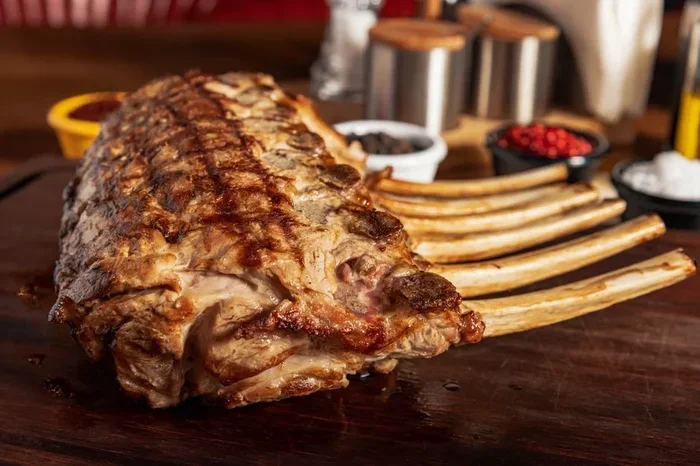
Prime rib cooking time per pound depends on your oven temperature, roast size, and desired doneness. A bone-in prime rib typically needs about 15 minutes per pound at 325°F for medium-rare. Understanding internal temperature and resting time is just as important as cook time for a perfect roast every time.
Cooking a prime rib roast is one of the most rewarding things you can do in the kitchen. Whether you are feeding a holiday crowd or treating yourself to a special dinner, getting the prime rib cooking time per pound right makes all the difference. A perfectly roasted prime rib should be juicy, tender, and full of rich beef flavor.
But here is the thing many home cooks get wrong. They focus too much on the clock and forget about internal temperature, resting time, and proper seasoning. This guide breaks down everything you need to know about cooking prime rib by the pound. You will learn exact times, temperatures, and pro tips that turn a good roast into a great one.
By the end of this article, you will feel confident enough to roast a bone-in prime rib like a seasoned chef. Let us get started.
Key Takeaways
- Plan for 15 minutes per pound at 325°F for a classic medium-rare prime rib.
- Use a meat thermometer to check internal temperature for perfect doneness.
- Rest your roast for 20-30 minutes after cooking to lock in juices.
- Bone-in prime rib takes slightly longer than boneless cuts.
- Season early with a dry rub for deeper flavor penetration.
- Avoid overcooking by pulling the roast 5 degrees below target temp.
- Use the right cookware like a heavy roasting pan for even heat.
📑 Table of Contents
- Prime Rib Cooking Time Per Pound: The Basics
- The Best Oven Temperature for Prime Rib
- Step-by-Step Guide to Cooking Prime Rib by the Pound
- Prime Rib Doneness Temperatures and What to Expect
- Tips for the Juiciest Prime Rib Every Time
- Common Mistakes to Avoid When Cooking Prime Rib
- Expert Insights on Prime Rib Roasting
- Conclusion
Prime Rib Cooking Time Per Pound: The Basics
The general rule for prime rib cooking time per pound is about 15 minutes at 325°F. This applies to a standard bone-in roast weighing between 3 and 8 pounds. However, several factors can change this timeline.
Here is a quick breakdown based on roast weight and doneness:
- 3-4 pounds: About 45-60 minutes total cook time for medium-rare.
- 5-6 pounds: About 75-90 minutes total cook time for medium-rare.
- 7-8 pounds: About 105-120 minutes total cook time for medium-rare.
- Boneless prime rib: Cooks about 10-15% faster than bone-in.
These numbers assume you start the roast at room temperature. Always let your prime rib roast sit out for about 1-2 hours before cooking. This helps the meat cook more evenly and reduces the total time needed.
Why Weight Matters So Much
A bigger roast takes longer because heat needs to penetrate deeper into the center. A 3-pound roast heats up fast. An 8-pounder needs more time for the internal temperature to rise evenly. This is why cooking by weight is the most reliable method. You cannot guess the time without knowing the actual poundage of your roast.
The Best Oven Temperature for Prime Rib
Most experts agree that 325°F is the sweet spot for roasting prime rib. This temperature allows the outside to develop a beautiful crust while the inside cooks slowly and evenly. Some cooks prefer a lower temperature of 225°F for a longer, slower roast. Both methods work well, but they produce different results.
High-Temp Roast vs. Low-and-Slow
A high-temperature roast at 450°F for the first 15 minutes, then dropping to 325°F, gives you a thicker crust. This is the most popular method for a prime rib roast recipe at holiday dinners. The initial blast of heat sears the outside and locks in juices.
A low-and-slow approach at 225°F takes longer but produces incredibly tender meat. This method is great for larger roasts and gives you more control over the final doneness. The tradeoff is less crust formation on the outside.
How to Choose the Right Temperature
Pick 325°F if you want a balance of crust and tenderness. Choose 225°F if you prefer ultra-tender meat and have more time. No matter which you pick, the prime rib cooking time per pound will change based on your oven temperature.
Step-by-Step Guide to Cooking Prime Rib by the Pound
Now let us walk through the actual process. Follow these steps and you will have a stunning roast on your table.
Step 1: Prep the Roast
Remove the prime rib from the fridge at least 1-2 hours before cooking. Pat it dry with paper towels. This step removes surface moisture and helps create a better crust. Next, season generously with coarse salt and black pepper. You can also add garlic powder, rosemary, or thyme for extra flavor.
Let the seasoned roast sit uncovered in your kitchen. This allows the surface to dry out slightly, which leads to a crispier exterior when roasting.
Step 2: Preheat and Position
Preheat your oven to 325°F (or 450°F if you are doing the high-temp sear method). Place the roast fat-side up in a heavy roasting pan. If you use heat resistant arm sleeves for cooking, now is a great time to put them on. Handling a hot roasting pan can be tricky, and protection keeps you safe.
Step 3: Cook and Monitor
Insert a meat thermometer into the thickest part of the roast. Do not touch the bone, as it reads hotter than the meat. Set a timer based on your weight calculations. Check the temperature every 15 minutes as you get close to the target.
Use a wooden spoon to baste the roast with pan juices if you like. An extra long wooden spoon works great for reaching into deep roasting pans without burning your hand.
Step 4: Rest and Serve
Once the roast hits 5 degrees below your target temperature, pull it out. Tent it loosely with foil and let it rest for 20-30 minutes. During this time, the internal temperature will rise by about 5-10 degrees. This resting period is critical for juicy, tender slices.
Prime Rib Doneness Temperatures and What to Expect
Understanding doneness temperatures is the key to nailing your roast every single time. Here is what you should look for on your meat thermometer:
| Doneness | Pull Temperature | Final Temp After Rest | Texture |
|---|---|---|---|
| Rare | 115°F | 120-125°F | Cool red center, very soft |
| Medium Rare | 120°F | 125-130°F | Warm red center, juicy |
| Medium | 130°F | 135-140°F | Pink center, firm |
| Well Done | 145°F | 150-155°F | Gray-brown throughout |
Most people prefer medium-rare prime rib because it offers the best balance of flavor and juiciness. If you are unsure, aim for 120°F on the thermometer. You can always cook it a bit more, but you cannot undo an overcooked roast.
How Size Affects Doneness
Larger roasts retain more heat during resting. A big 8-pounder will rise more in temperature than a small 3-pounder. Keep this in mind when pulling your roast from the oven. The prime rib cooking time per pound gives you a starting point, but the thermometer is your final guide.
Tips for the Juiciest Prime Rib Every Time
Even experienced cooks can improve their prime rib game. Here are some tips that make a real difference in the final result.
Use a Dry Brine
Salt your roast the night before and leave it uncovered in the fridge. This draws out moisture, which then gets reabsorbed into the meat. The result is a deeper flavor and a crispier crust. This technique works wonders for any beef roast recipe.
Let the Meat Come to Room Temperature
Never put a cold roast straight into a hot oven. The temperature difference causes uneven cooking. The outside overcooks while the center stays cold. Give your roast time to warm up before it goes in the oven.
Choose the Right Pan
Use a heavy, sturdy roasting pan. A big non-stick pot or pan works well for holding the roast and catching drippings. Heavy pans distribute heat more evenly, which reduces hot spots and uneven browning.
Do Not Skip the Rest
Resting is not optional. When you cut into a roast immediately after cooking, all the juices run out. The meat dries out fast. Give it 20-30 minutes under a loose foil tent, and the juices will redistribute throughout the meat.
Common Mistakes to Avoid When Cooking Prime Rib
Learning what not to do is just as important as learning the right way. Here are the most common mistakes home cooks make with prime rib.
Overcooking the Roast
This is the number one mistake. Many people leave the roast in the oven too long because they trust the timer more than the thermometer. Always rely on your meat thermometer. The prime rib cooking time per pound is just an estimate. Your thermometer tells the real story.
Skipping the Rest Period
Cutting into the roast too early releases all the juices onto the cutting board instead of staying in the meat. Patience pays off here. Wait at least 20 minutes before slicing.
Using the Wrong Seasoning
Keep it simple. Salt, pepper, and garlic go a long way with prime rib. Over-seasoning with too many spices can mask the natural beef flavor. The roast should taste like beef, not a spice mix.
Not Accounting for Carryover Cooking
Carryover cooking happens when the roast continues to rise in temperature after leaving the oven. This can add 5-10 degrees to the final temperature. Pull the roast early and let it rest. Your thermometer will thank you.
Expert Insights on Prime Rib Roasting
Professional chefs agree that low and slow or hot start then moderate are the two best approaches for prime rib. The key is consistency. Monitor the temperature, resist the urge to open the oven door too often, and trust the process.
Many chefs also recommend tying the roast with kitchen twine. This keeps the shape uniform and helps it cook evenly. If you are using a bone-in prime rib, the bone acts as a natural insulator, so the meat near the bone stays more tender and juicy.
One more tip: save the drippings. The fond and juices left in the pan make an incredible gravy. Simply deglaze the pan with beef broth, scrape up the browned bits, and simmer until thickened. It is the perfect finishing touch for any prime rib roast dinner.
If you are new to roasting, start with a smaller 3-4 pound roast. It is more forgiving and gives you a perfect learning experience. Once you nail the prime rib cooking time per pound on a smaller roast, you can confidently tackle bigger cuts for special occasions.
Remember, every oven is different. Some run hot, some run cool. Get to know your oven’s true temperature with an oven thermometer. This small tool can dramatically improve your roasting results and help you nail the prime rib roast recipe every time you cook.
Finally, do not stress too much. Prime rib is a forgiving cut of meat. Even if you are slightly off on time or temperature, a well-seasoned roast with proper resting will still turn out delicious. The confidence you gain from understanding beef roast time per pound will serve you well for years of cooking.
Conclusion
Mastering the prime rib cooking time per pound is easier than most people think. With the right temperature, a reliable thermometer, and a little patience, you can roast a prime rib that rivals any steakhouse. Remember to plan for about 15 minutes per pound at 325°F, pull the roast 5 degrees early, and always let it rest before slicing.
Use these tips, avoid the common mistakes, and your prime rib will be the star of any dinner table. Whether it is a holiday feast or a weekend treat, a perfectly roasted prime rib brings people together. Now go fire up that oven and make your next roast unforgettable.
Frequently Asked Questions
How long does it take to cook a 5-pound prime rib?
At 325°F, a 5-pound prime rib takes about 75-90 minutes to reach medium-rare. Always use a meat thermometer and check the internal temperature frequently as it approaches the target. Pull the roast at 120°F and let it rest for the final temperature to rise.
What is the best temperature to cook prime rib?
325°F is the most recommended temperature for roasting prime rib. Some cooks start at 450°F for 15 minutes to sear, then drop to 325°F. The key is to monitor the internal temperature and not rely solely on the clock.
Should I cook prime rib covered or uncovered?
Cook prime rib uncovered for the entire roasting time. This allows the outside to develop a flavorful crust. Cover it only during the resting period with a loose tent of foil to keep the heat in.
How long should prime rib rest before slicing?
Let prime rib rest for 20-30 minutes after cooking. This allows the juices to redistribute throughout the meat, making each slice more tender and flavorful. Skipping this step leads to dry, less enjoyable roast beef.
Is bone-in or boneless prime rib better for roasting?
Bone-in prime rib is generally more flavorful and juicier because the bone insulates the meat. Boneless prime rib is easier to slice and cooks about 10-15% faster. Choose based on your preference and how much time you have.
Can I use a slow cooker for prime rib?
Yes, you can cook prime rib in a slow cooker, but it will not develop the same crust as an oven roast. Slow cooker prime rib takes longer and produces a more uniform texture. It is a good option when oven space is limited or for hands-off cooking.
=== INTERNAL LINKS ===
For the best results, use a sturdy big pot for cooking non-stick as your roasting pan to ensure even heat distribution.
Protect your arms when handling hot pans by wearing heat resistant arm sleeves for cooking during the roasting process.
A reliable extra long wooden spoon for cooking is perfect for basting your roast and checking pan juices without getting too close to the heat.



