
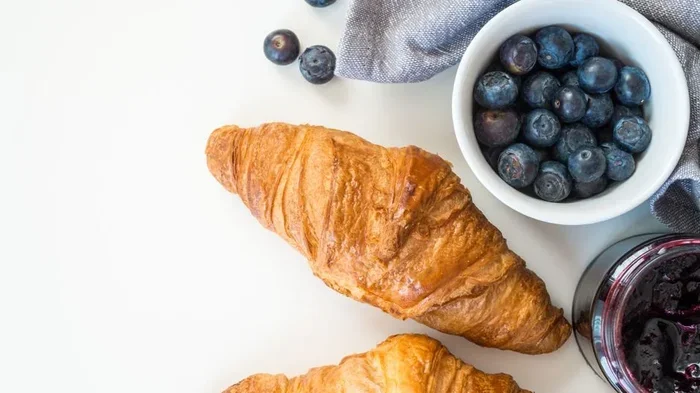
The croissant has a surprisingly complex origin story that traces back to Austria, not France. This iconic crescent-shaped pastry evolved from the Austrian Kipferl before becoming a beloved French breakfast staple. Understanding the history of croissants reveals a tale of cultural exchange, baking innovation, and culinary artistry that spans centuries.
Have you ever bitten into a warm, buttery croissant and wondered about its story? Where did croissants originate from? The answer might surprise you. Most people assume this flaky, golden pastry is purely French. But the truth is far more interesting and involves Austrian roots, legendary sieges, and centuries of baking evolution.
The journey of the croissant history is a tale of cultural exchange. It travels from Viennese bakeries to the streets of Paris and eventually onto breakfast tables around the world. Understanding this journey gives you a deeper appreciation for every bite. Where did croissants originate from is a question that opens a fascinating window into European culinary history.
In this article, we will trace the full path of the croissant. You will learn about its Austrian beginnings, how it became a French classic, and what makes it so special. We will also explore the science behind the layers and share tips for making them at home. Whether you are a baking enthusiast or a curious foodie, this guide covers it all.
Key Takeaways
- Croissants originated in Austria: The pastry evolved from the Austrian Kipferl, a simple crescent-shaped bread with deep historical roots.
- France transformed the recipe: French bakers perfected the laminated dough technique that gives croissants their signature flaky layers.
- The Ottoman siege inspired a legend: A popular story links the croissant shape to the crescent moon of the Ottoman flag during the 1683 Siege of Vienna.
- Viennoiserie is a distinct category: Croissants belong to a class of enriched pastries that bridges bread and pastry traditions.
- Modern croissants use laminated dough: The layering of butter and dough creates the light, airy texture people love worldwide.
- You can make croissants at home: With patience and quality butter, homemade croissants are achievable in your kitchen.
📑 Table of Contents
- The Surprising Austrian Origins of the Croissant
- How the Croissant Crossed the Border Into France
- What Makes a Croissant Different From Other Pastries
- The Science Behind the Perfect Croissant
- How Croissants Became a Global Favorite
- Making Authentic Croissants at Home
- Common Mistakes to Avoid
- Conclusion
The Surprising Austrian Origins of the Croissant
The story begins not in France but in Austria. The croissant origin is deeply rooted in Viennese baking tradition. Long before it became a French icon, the ancestor of the croissant was a simple crescent-shaped bread called the Kipferl.
The Kipferl: A Humble Beginning
The Kipferl dates back centuries in Austrian baking. It was a modest, crescent-shaped roll made from simple dough. Unlike today’s flaky croissant, the Kipferl was more like a regular bread roll with a curved shape. The name itself means “little crescent” in German, which makes sense given its distinctive form.
Vienna had a rich baking tradition that produced many types of bread and pastries. The Kipferl was just one of many baked goods enjoyed by Viennese families. It was not a luxury item. It was everyday bread shaped like the crescent moon. This simple beginning would eventually lead to one of the world’s most famous pastries.
The Legend of the 1683 Siege
One of the most famous stories about the croissant origin involves the Ottoman Empire and the 1683 Siege of Vienna. According to legend, Ottoman forces attempted to capture Vienna by digging tunnels underground. Viennese bakers working in the early morning hours heard the digging and alerted the authorities.
To celebrate the victory, bakers created a pastry shaped like the crescent moon on the Ottoman flag. This pastry was said to symbolize the defeat of the Ottoman forces. While this story is widely told, historians debate its accuracy. Some believe the Kipferl existed long before the siege. Others feel the legend added romantic appeal to the pastry’s reputation.
Either way, the story connects the crescent shaped bread to a moment of triumph. It gave the pastry a narrative that helped it grow in popularity. The shape became symbolic. The tale became part of European folklore. And from this point, the journey toward the modern croissant began.
How the Croissant Crossed the Border Into France
The transition from Austrian Kipferl to French croissant did not happen overnight. It was a gradual process driven by migration, cultural exchange, and the creativity of skilled bakers. Where did croissants originate from in their modern form? The answer lies in Paris.
The Austrian Princess and French Royalty
One popular theory involves Marie Antoinette, the Austrian princess who married King Louis XVI of France in 1770. As a young queen, she reportedly missed the taste of Viennese pastries from her homeland. She allegedly brought her love of Austrian pastry to the French court. This story, while charming, is likely more legend than fact.
What is more historically accurate is the growing presence of Viennese bakeries in Paris during the 19th century. Austrian bakers opened shops in the French capital. They introduced their traditional recipes to French audiences. French bakers studied these techniques and began adapting them. The result was a slow but meaningful fusion of two great European cuisine traditions.
The Birth of Viennoiserie
The French eventually created a whole category of pastries called viennoiserie. This term refers to pastries that share qualities of both bread and pastry. Croissants sit at the heart of this category. The French took the simple Kipferl and elevated it with a technique called lamination.
Lamination involves folding butter into dough repeatedly. This creates dozens of thin layers. When baked, these layers puff up and separate. The result is the light, flaky, buttery texture that defines a great croissant. French bakers perfected this method over many decades. They turned a humble Austrian roll into a masterpiece of French bakery art.
By the late 1800s and early 1900s, the croissant had become a staple of Parisian morning life. Cafes served them fresh alongside coffee. The pastry was no longer just a curiosity. It had become a symbol of French breakfast culture. From that point on, the croissant’s identity as a French pastry was firmly established.
What Makes a Croissant Different From Other Pastries
Not all crescent-shaped pastries are croissants. Understanding what sets the croissant apart helps you appreciate the craft behind it. Several key factors define an authentic croissant.
The Role of Laminated Dough
The defining feature of a croissant is its laminated dough. This is not simply rolled dough with butter mixed in. It is a precise process of folding and rolling butter into dough multiple times. Each fold creates new layers. A classic croissant recipe involves three folds, which produces 27 distinct layers.
These layers are what give the croissant its signature texture. When the dough bakes, the water content in the butter turns to steam. This steam pushes the layers apart. The butter melts and seeps between the layers. The result is a pastry that shatters when you bite into it. The outside turns golden and crisp. The inside stays soft and airy.
Croissant vs. Other Flaky Pastries
It is easy to confuse croissants with other flaky pastries. Puff pastry also uses lamination but does not include yeast. Danishes use a different type of enriched dough. The croissant dough is unique because it combines yeast, butter, and milk in a specific ratio.
This combination gives croissants their slightly tangy flavor and pillowy interior. The yeast adds a subtle lift that puff pastry lacks. The butter provides richness and flavor. The milk adds tenderness. Together, these ingredients create a pastry that is greater than the sum of its parts.
| Feature | Croissant | Puff Pastry | Danish Pastry |
|---|---|---|---|
| Yeast | Yes | No | Yes |
| Butter Layers | Yes | Yes | Yes |
| Texture | Flaky and airy | Puff and crisp | Rich and dense |
| Flavor | Buttery and slightly tangy | Neutral, butter-forward | Sweet and rich |
| Leavening | Yeast + steam | Steam only | Yeast + steam |
The Science Behind the Perfect Croissant
Making a great croissant is as much science as it is art. Understanding the baking science behind the process helps you troubleshoot and improve your results.
Why Butter Matters So Much
The quality of your butter directly affects the final product. European-style butter with a high fat content works best. It has less water than standard American butter, which means fewer soggy layers. The butter must be cold throughout the process. Warm butter melts into the dough and disappears. Cold butter creates those distinct, separate layers.
If you are using aluminum pans or stainless steel cookware for baking, the pan material also matters. Dark pans absorb more heat and can brown the bottom of your croissants faster. Light pans provide more even heating. Many bakers prefer stainless steel for consistent results.
The Importance of Temperature Control
Temperature control is critical throughout the croissant-making process. The dough must stay cold while you laminate it. If the kitchen is too warm, the butter will soften too quickly. This leads to layers that merge instead of staying distinct. Many professional bakers work in cool environments or chill the dough between folds.
During baking, the oven temperature must be high enough to create steam inside the dough. This steam is what lifts the layers and creates the open, airy structure. A hot oven also promotes Maillard reaction, which gives the croissant its beautiful golden-brown color and complex flavor.
After baking, proper cooling is important too. Croissants continue to cook slightly from residual heat. Cooling on a wire rack allows air to circulate around the pastry. This prevents the bottom from becoming soggy. It also helps the layers set properly.
One common challenge home bakers face is baking sheets warping in the oven. This happens when the pan heats unevenly. To prevent this, use quality baking sheets and place them on oven racks with good airflow. Proper equipment makes a real difference in your final result.
How Croissants Became a Global Favorite
From the streets of Vienna to the cafes of Paris, the croissant eventually conquered the world. Its rise to global fame happened gradually over the past century.
The French Cafe Culture Connection
The croissant became inseparable from French cafe culture. In France, a morning croissant with coffee is more than breakfast. It is a ritual. The French bakery experience centers around fresh pastries made daily. Croissants are baked early in the morning and sold throughout the day.
This cafe culture spread internationally. French-style cafes opened in cities around the world. They brought the croissant with them. People in New York, Tokyo, Sydney, and beyond fell in love with the pastry. The croissant became a universal symbol of indulgent morning treats.
Modern Adaptations and Variations
Today, the croissant comes in many forms. Chocolate croissants (pain au chocolat) are perhaps the most popular variation. Almond croissants filled with frangipane have gained a huge following. Some bakeries offer savory versions stuffed with ham and cheese.
The croissant sandwich has also become a modern trend. Burger-style croissant sandwiches filled with eggs, bacon, and cheese are now common on brunch menus. These adaptations show how versatile the original pastry truly is. The base recipe remains the same, but the possibilities are endless.
Despite all the variations, purists argue that a plain butter croissant is the purest form. Where did croissants originate from in these modern versions? The answer is simple. Every variation still builds on the same foundation of laminated dough and French technique. The creativity is new, but the roots are old.
Making Authentic Croissants at Home
Making croissants at home is a rewarding but time-intensive project. The process requires patience and attention to detail. But the results are well worth the effort.
Essential Equipment for Croissant Baking
You do not need fancy equipment to make great croissants. A good rolling pin, a sharp knife, and a baking sheet are the basics. Some bakers prefer silicone mats for easy release. Others swear by parchment paper.
If you are using a nonstick pan or baking surface, be aware that over time the nonstick coating can wear down. When this happens, it affects performance. Many experienced bakers prefer traditional carbon steel or stainless steel baking sheets. These materials last longer and perform more consistently at high temperatures.
Tips for Success
- Use cold butter: Keep your butter refrigerated until you are ready to laminate. Cold butter is essential for creating distinct layers.
- Work in a cool room: If your kitchen is warm, chill the dough between folds. This prevents the butter from melting into the dough.
- Be patient with the folds: Rushing the lamination process leads to uneven layers. Take your time and follow the recipe carefully.
- Let the dough rest: After shaping, allow the croissants to proof until they double in size. This step is crucial for the right texture.
- Egg wash for shine: A simple egg wash before baking gives croissants a beautiful golden color and glossy finish.
Remember that making croissants is a skill that improves with practice. Your first attempt might not be perfect. That is okay. Each batch teaches you something new. Over time, you will develop an intuition for the dough and the process.
Common Mistakes to Avoid
Even experienced bakers make mistakes with croissants. Being aware of common pitfalls helps you avoid them.
Using low-quality butter is one of the biggest mistakes. Cheap butter has more water and less fat. This leads to flat, dense croissants instead of flaky, layered ones. Invest in good butter and your croissants will thank you.
Skipping the chill time is another common error. If you rush the process and skip resting the dough, the butter will not stay cold enough. The layers will merge, and you will lose the flaky texture. Patience is the secret ingredient in croissant baking.
Finally, overfilling your croissants can cause problems. Too much chocolate or almond paste prevents the layers from rising properly. Keep fillings light and even distributed for the best results.
When cleaning up after a baking session, be mindful of your kitchen tools. If you notice burnt sugar on your pans from caramelized butter drippings, a proper cleaning method will keep your equipment in great shape. Taking care of your baking tools ensures they perform well for many batches to come.
Conclusion
The journey of the croissant from its Austrian origins to its status as a global breakfast icon is truly remarkable. Where did croissants originate from? The answer takes us through centuries of baking tradition, cultural exchange, and culinary innovation. From the simple Kipferl of Vienna to the laminated, butter-filled masterpiece we know today, the croissant has come a long way.
The next time you enjoy a fresh croissant, take a moment to appreciate its history. Every flaky layer tells a story of migration, adaptation, and the universal love of great bread and butter. Whether you eat it plain, with chocolate, or as part of a brunch sandwich, the croissant remains one of the world’s most beloved pastries.
Try making them at home. Visit a local bakery and taste the difference. Share the story with friends. The croissant is more than just a pastry. It is a piece of living history that connects us to centuries of baking tradition across Europe and beyond.
Frequently Asked Questions
Are croissants originally from France?
No, croissants did not originally come from France. The pastry evolved from the Austrian Kipferl, a crescent-shaped bread with roots in Viennese baking tradition. France adopted and transformed the recipe, perfecting the laminated dough technique that defines the modern croissant.
What is the difference between a Kipferl and a croissant?
The Kipferl is a simple crescent-shaped bread roll from Austria. It does not use laminated dough or butter layers. A croissant is the French evolution of the Kipferl, made with laminated dough that creates its signature flaky, buttery texture.
Why is a croissant shaped like a crescent?
The crescent shape has its roots in the Austrian Kipferl. One popular legend links the shape to the crescent moon on the Ottoman flag during the 1683 Siege of Vienna. Whether the story is historically accurate or not, the crescent shape became the defining feature of the pastry.
What is viennoiserie?
Viennoiserie is a category of French pastries that bridge the gap between bread and pastry. Croissants are the most famous example. These pastries use yeast-leavened dough enriched with butter, eggs, or milk, creating a rich, flaky texture that is distinct from regular bread or puff pastry.
Can I make croissants without a professional oven?
Yes, you can absolutely make croissants at home with a standard oven. The key is maintaining proper temperature control. Preheat your oven thoroughly and use a thermometer to verify the temperature. A quality baking sheet and patience with the lamination process are all you need.
How long do croissants stay fresh?
Freshly baked croissants are best enjoyed within 24 hours. They will lose their crisp layers over time. You can store them in an airtight container at room temperature. For longer storage, freeze baked croissants and reheat them in the oven to restore some of their original texture.



