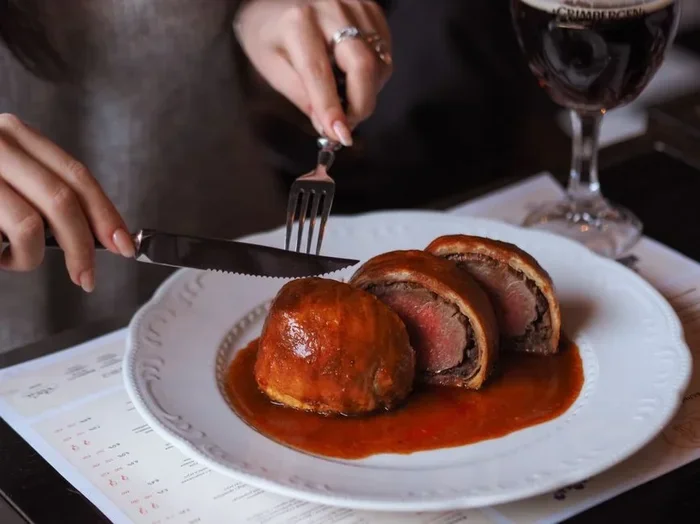
This beef Wellington recipe walks home cooks through every step of making the classic English dish, from searing the tenderloin to achieving a golden, flaky crust. You will learn the essential ingredients, detailed preparation steps, and expert tips that guarantee restaurant-quality results. Whether you are cooking for a holiday dinner or a special occasion, this guide covers everything you need to know.
Key Takeaways
- Beef Wellington is a layered English classic: Beef tenderloin, mushroom duxelles, prosciutto, and puff pastry come together for a stunning dish.
- Searing and cooling the beef is critical: Proper searing locks in juices, and cooling prevents soggy pastry.
- Internal temperature matters: Aim for 125°F for medium-rare and always let the Wellington rest for at least 10 minutes.
- Prosciutto acts as a moisture barrier: It keeps the duxelles from making the puff pastry soggy.
- Make-ahead flexibility is a major advantage: You can assemble the Wellington a day ahead or freeze it uncooked for up to one month.
- Common mistakes are easy to avoid: Overfilling, skipping the prosciutto, and cutting too soon are the top pitfalls.
- Leftovers reheat beautifully: Oven reheating at 350°F keeps the pastry crisp and the beef moist.
📑 Table of Contents
What Is Beef Wellington?
Beef Wellington is a classic English dish that has been a showstopper at dinner tables for generations. The recipe features a center-cut beef tenderloin coated in rich Dijon mustard and mushroom duxelles, then wrapped in puff pastry and baked until golden. This dish became famous in the 19th century and is named after the Duke of Wellington, a celebrated British military hero.
Making beef Wellington at home might seem intimidating, but it is simpler than you think. The key is understanding each step and giving yourself enough time to prep. Once you master the beef Wellington recipe, you will have a go-to dish for holidays, celebrations, and impressive weeknight dinners alike.
The beauty of this dish lies in its layers. Each component adds texture and flavor, from the savory mushroom coating to the buttery, flaky pastry shell. A well-made beef Wellington should have a crispy golden crust with a perfectly pink, juicy center. It is truly one of the most rewarding things you can cook for your family or guests.
Many home cooks shy away from this recipe because they think it requires professional kitchen skills. In reality, the classic beef Wellington is very approachable. You just need quality ingredients, a little patience, and the right guidance. This guide gives you everything you need to succeed.
Beef Wellington Ingredients You Will Need
Gathering the right ingredients is the first step to a successful beef Wellington. Here is what you will need to pull this English dish together:
- Beef tenderloin – About 1 to 1.5 pounds, center-cut for even cooking
- Puff pastry – Store-bought works great and saves time
- Mushroom duxelles – Finely chopped mushrooms cooked down with herbs
- Dijon mustard – Adds a sharp, tangy flavor to the beef
- Prosciutto or ham – Creates a moisture barrier between the beef and pastry
- Egg wash – One egg beaten with a tablespoon of water for golden glaze
- Fresh thyme and parsley – For the duxelles and finishing garnish
- Salt and black pepper – Essential for seasoning the beef
- Olive oil – For searing the beef to lock in juices
You can find most of these ingredients at any grocery store. The beef Wellington ingredients list might look long, but each one plays a specific role in building flavor and texture. Prosciutto is especially important because it wraps around the beef before the pastry, preventing moisture from making the crust soggy.
For the mushroom duxelles, cremini or button mushrooms work best. You want them finely chopped so they spread evenly and dry out quickly. Fresh thyme adds an earthy aroma that complements the beef beautifully. Do not skip the Dijon mustard, as it adds a subtle tang that cuts through the richness of the pastry.
Step-by-Step Beef Wellington Recipe
Follow these detailed steps to create a showstopping beef Wellington that will have everyone asking for seconds. The process is straightforward once you understand the purpose behind each step.
Step 1: Sear the Beef Tenderloin
Start by seasoning your beef tenderloin generously with salt and pepper. Heat olive oil in a large skillet over high heat until it just begins to smoke. Place the beef in the pan and sear on all sides until a deep brown crust forms. This should take about 2 to 3 minutes per side.
Once seared, remove the beef and let it cool completely. This cooling step is crucial because it prevents the pastry from steaming instead of crisping. You can also make beef stew meat tender on the stove using similar searing techniques if you are exploring other beef dishes.
After cooling, brush a thin layer of Dijon mustard over the entire surface of the beef. The mustard adds flavor and helps the duxelles adhere properly. Set the beef aside while you prepare the mushroom layer.
Step 2: Prepare the Mushroom Duxelles
Finely chop mushrooms, shallots, and fresh thyme. Cook them in a skillet over medium heat until all moisture has evaporated. The duxelles should be a thick, paste-like consistency. Season with salt and pepper and let it cool completely.
The duxelles is what gives beef Wellington its signature earthy flavor. Spread the duxelles evenly over the mustard-coated beef. A thin, even layer is all you need. Too much filling creates structural problems and makes the Wellington difficult to wrap neatly.
For the best results, cook the duxelles until it is almost dry. You should be able to spread it without it dripping or dripping moisture. This step is essential for keeping the puff pastry crispy during baking. Moisture is the enemy of a perfect crispy pastry.
Step 3: Wrap with Prosciutto and Pastry
Lay out your prosciutto slices in overlapping rows on a sheet of plastic wrap. Place the duxelles-covered beef along the center. Use the plastic wrap to roll the prosciutto tightly around the beef, creating a firm log shape. Twist the ends of the plastic wrap like a candy wrapper and refrigerate for at least 30 minutes.
Next, roll out your puff pastry on a lightly floured surface. The pastry should be about 1/8 inch thick and large enough to wrap around the beef log completely. Unwrap the chilled beef log and place it in the center of the pastry.
Fold the pastry over the beef, sealing the edges by pressing gently with a fork. Make sure there are no gaps or openings. Any unsealed areas will allow steam to escape, which can make the pastry soggy. Brush the entire surface with egg wash for a beautiful golden finish.
Step 4: Score, Bake, and Rest
Use a sharp knife to score the top of the pastry in a decorative pattern. Scoring helps the heat distribute evenly and gives the pastry a professional, restaurant-quality look. Place the wrapped Wellington on a baking sheet lined with parchment paper.
Bake in a preheated oven at 400°F for about 25 to 30 minutes. The pastry should be puffed and deeply golden. Use a meat thermometer to check the internal temperature. For medium-rare, aim for 125°F in the center. Remove from the oven and let the beef Wellington rest for at least 10 minutes before slicing.
Resting is one of the most important beef Wellington steps that home cooks often skip. During resting, the juices redistribute throughout the meat, ensuring each slice is moist and flavorful. Skipping this step can result in dry, disappointing slices.
Beef Wellington Doneness Guide
| Doneness | Internal Temperature (Before Resting) | Expected Temp After Resting | Color of Center |
|---|---|---|---|
| Rare | 120°F | 125°F | Bright red |
| Medium-Rare | 125°F | 130°F | Pink |
| Medium | 135°F | 140°F | Light pink |
| Medium-Well | 145°F | 150°F | Slight pink hint |
| Well-Done | 160°F | 165°F | No pink |
For the best beef Wellington, medium-rare is the recommended doneness. It provides the ideal balance of juiciness and safety. The resting period raises the internal temperature by about 5 degrees, so pull the Wellington out when it reads 125°F for a perfect medium-rare result.
Tips for the Perfect Beef Wellington
Getting a flawless beef Wellington takes practice, but these tips will set you up for success from the very first attempt. Small details make a big difference in the final result.
Quick Tips for Success:
- Always pat the beef dry before searing to get a better crust
- Make sure the duxelles is completely cooled before wrapping
- Chill the wrapped Wellington before baking for cleaner cuts
- Use a meat thermometer to avoid overcooking the beef
- Let the Wellington rest for at least 10 minutes after baking
- Brush the pastry with egg wash right before baking for maximum shine
- Purchase high-quality puff pastry for the best rise and flakiness
Expert Insights: Professional chefs recommend using a center-cut beef tenderloin because it cooks evenly and fits perfectly inside the puff pastry. If you cannot find a center-cut, ask your butcher to butterfly and tie the beef for you. The even thickness ensures that the center temperature is consistent throughout the roast.
Another pro tip is to prepare the duxelles a day ahead. This saves time on cooking day and allows the flavors to meld together beautifully. The beef Wellington recipe works best when each component is prepped in advance, so you can focus on assembly and baking when it is time to cook.
If you are new to working with puff pastry, keep it cold at all times. Warm pastry will not rise properly and will become sticky and difficult to work with. Roll it out quickly and return it to the refrigerator if it starts to soften. Cold pastry creates the flaky, crispy layers that make beef Wellington so irresistible.
Common Mistakes to Avoid When Making Beef Wellington
Even experienced home cooks can run into trouble with this dish. Here are the most common mistakes and how to avoid them so your Wellington turns out perfectly every time.
Mistake 1: Skipping the prosciutto layer. Without prosciutto, moisture from the mushroom duxelles can seep into the pastry and make it soggy. The prosciutto acts as a protective barrier that keeps the crust crispy and the beef flavorful.
Mistake 2: Not cooling the beef before wrapping. Warm beef will steam the pastry from the inside, preventing it from crisping up in the oven. Always let the seared beef cool to room temperature before assembling the layers.
Mistake 3: Overfilling with duxelles. Too much mushroom paste makes the Wellington bulky and difficult to wrap neatly. A thin, even layer is all you need for flavor without creating structural problems or gaps in the pastry.
Mistake 4: Cutting into the Wellington too soon. If you slice into the beef right out of the oven, all the juices will run out and the slices will fall apart. Patience pays off with a clean, beautiful cut every time.
Mistake 5: Ignoring oven temperature accuracy. Every oven is different. An oven thermometer can help you verify that your oven is actually reaching 400°F. Incorrect temperature leads to undercooked or overcooked beef Wellington.
If you do encounter issues with tough beef, similar to challenges with fixing tough corned beef on the stove, the problem often comes down to cooking time and resting. Make sure you are not overcooking the beef and that you allow adequate resting time before slicing.
How to Serve and Store Beef Wellington
Serving Suggestions for a Dinner Party
Beef Wellington shines as the centerpiece of a dinner party or holiday meal. Serve it alongside roasted seasonal vegetables, garlic mashed potatoes, or a fresh green salad. A rich red wine like Cabernet Sauvignon or Merlot pairs beautifully with the dish.
For an impressive presentation, slice the Wellington into thick rounds and arrange them on a warm platter. Garnish with fresh thyme sprigs and a drizzle of pan jus for an elegant finishing touch. The crispy pastry and pink beef center make for a stunning visual display that will impress your guests immediately.
Beef Wellington is a perfect choice for a dinner party because it can be assembled ahead of time and baked just before guests arrive. This takes the pressure off last-minute cooking and lets you enjoy the evening with your company. The dish looks elegant but is surprisingly manageable to prepare.
Storing Leftovers Safely
Leftover beef Wellington can be stored in an airtight container in the refrigerator for up to 3 days. When you are ready to enjoy it again, reheat slices in the oven at 350°F for about 10 to 15 minutes. This helps keep the pastry crisp while warming the beef through gently.
For longer storage, you can freeze uncooked, wrapped Wellington before baking. Wrap it tightly in plastic wrap and foil, then freeze for up to 1 month. Thaw overnight in the refrigerator before baking as directed. Properly storing beef and prepared Wellington ensures you get the best quality and food safety.
Reheated Wellington may not have the same perfectly crisp pastry as fresh, but the flavor remains excellent. If you want to restore some crunch, pop the reheated slices under the broiler for 1 to 2 minutes before serving. This quick trick brings back the golden, crispy texture.
For more beef dinner ideas, check out our healthy ground beef dinner recipes for easy weeknight options that pair well with similar sides and sauces.
Final Thoughts on the Beef Wellington Recipe
Making a beef Wellington recipe at home is one of the most satisfying culinary achievements you can pursue. The combination of juicy beef, savory mushroom duxelles, and crispy puff pastry creates a dish that is truly unforgettable. With the right ingredients, proper technique, and a little patience, anyone can master this classic English dish.
Start with this recipe for your next special occasion or weekend dinner project. As you gain confidence, you will find that the beef Wellington steps become second nature. The compliments you receive will make all the effort worthwhile.
Remember that every great chef started as a home cook. Do not be afraid to make mistakes along the way. Each attempt teaches you something new about timing, temperature, and technique. The beef Wellington troubleshooting tips in this guide will help you navigate any challenges you encounter.
The beef Wellington leftovers are just as delicious as the fresh version, so do not hesitate to make extra. Whether you are cooking for a holiday feast or a simple Saturday night dinner, this recipe delivers impressive results every time. Pull up your sleeves, gather your ingredients, and enjoy the process of creating something truly special in your own kitchen.
Frequently Asked Questions
Can I use a different cut of beef for Wellington?
Beef tenderloin is the best cut for Wellington because it is tender and cooks evenly. Other cuts like sirloin or ribeye can work but may require adjustments in cooking time and slicing technique. Center-cut tenderloin gives you the most consistent results for a beautiful, evenly cooked Wellington.
How do I know when beef Wellington is done?
The best way to check is with a meat thermometer inserted into the thickest part of the beef. For medium-rare, aim for 125°F internal temperature. The pastry should be deeply golden and puffed, and the internal temperature will rise about 5 degrees during the resting period.
Can I make beef Wellington ahead of time?
Yes, you can assemble the Wellington up to 24 hours ahead and refrigerate it before baking. You can also freeze the uncooked, wrapped Wellington for up to one month. Just make sure to thaw it overnight in the refrigerator before baking for the best results.
Why is my puff pastry soggy?
Soggy pastry is usually caused by excess moisture. Make sure your duxelles is fully cooled and dry before wrapping. The prosciutto layer also helps absorb moisture. Additionally, ensure your oven is fully preheated to 400°F before the Wellington goes in, as a cool oven will steam the pastry instead of crisping it.
What temperature should beef Wellington be served at?
Beef Wellington is best served at medium-rare with an internal temperature of 125°F before resting. This gives you a juicy, pink center with a crispy golden crust. Use a meat thermometer to check the temperature and remember to let the Wellington rest for at least 10 minutes before slicing.
Can I freeze beef Wellington before baking?
Absolutely. You can assemble the Wellington, wrap it tightly in plastic wrap and foil, and freeze it for up to one month. When you are ready to bake, thaw it overnight in the refrigerator, brush with fresh egg wash, and bake as directed. This makes beef Wellington a great make-ahead dish for entertaining.