Cooking filet mignon in the oven is easier than you think. This guide walks you through every step, from searing to resting, so your steak turns out perfect. You will learn the right oven temperature for filet mignon, how long to cook it, and how to get that restaurant-quality crust at home.
Key Takeaways
- Sear first, oven-finish second: A hot skillet creates a beautiful crust before the oven gently cooks the inside.
- Use a meat thermometer: Pulling your filet at 120°F for medium-rare ensures a juicy, tender result every time.
- Rest your steak for 5-8 minutes: This lets the juices redistribute, making each bite more flavorful.
- Choose the right pan: A cast iron skillet or heavy oven-safe pan works best for searing and finishing.
- Season simply but well: Salt, pepper, garlic, and fresh herbs are all you need to elevate your filet.
- Oven temperature matters: 400°F is the sweet spot for a quick, even cook without drying out the meat.
📑 Table of Contents
- Why Cooking Filet Mignon in the Oven Works So Well
- What You Need Before You Start
- How to Sear and Cook Filet Mignon in the Oven
- Perfect Oven Temperatures and Timing for Filet Mignon
- How to Know When Your Filet Is Done
- Resting and Serving Your Filet Mignon
- Expert Insights for Next-Level Filet Mignon
- Storing and Reheating Leftover Filet Mignon
- Final Thoughts
Why Cooking Filet Mignon in the Oven Works So Well
Filet mignon is one of the most tender cuts of beef you can buy. It comes from the smaller end of the beef tenderloin, and it is naturally low in fat. That means it cooks quickly and stays buttery soft when you handle it right.
Using the oven to cook filet mignon gives you control. You sear the outside on the stove to build a rich, caramelized crust. Then you transfer the pan to a hot oven to finish cooking evenly. This sear and finish method is the same technique chefs use in upscale restaurants.
Unlike grilling, the oven method works year-round. It does not depend on weather or outdoor space. Whether you are cooking for a date night or a small dinner party, your oven delivers consistent results. The oven-baked steak approach also lets you pair the filet with sides like roasted vegetables or a simple salad without missing a beat.
What Makes Filet Mignon Special
This cut is prized for its tenderness. It has very little connective tissue, so it does not need long cooking times. In fact, overcooking is the biggest enemy of filet mignon. That is why knowing the right oven temperature for steak and timing is so important.
The mild flavor of filet mignon also makes it a perfect canvas for seasonings. You can keep it simple with salt and pepper, or go bold with garlic butter and fresh herbs. Either way, the meat itself should shine through.
What You Need Before You Start
Good cooking starts with the right tools and ingredients. Here is what you will need to cook filet mignon in the oven like a pro.
Essential Equipment
- Cast iron skillet or heavy oven-safe pan: A cast iron skillet holds heat incredibly well, which is key for getting a great sear. If you do not have cast iron, a thick stainless steel or oven-safe skillet works too. A best pan to cook turkey in oven style pan also works well for steak because of its heavy construction.
- Tongs: You need tongs to flip the steak safely without piercing it.
- Meat thermometer: This is non-negotiable. A kitchen thermometer takes the guesswork out of cooking and ensures your steak hits the exact doneness you want.
- Oven mitts: The pan will be very hot when you move it from stove to oven.
Ingredients for a Perfect Filet
- 2 filet mignon steaks, about 1.5 to 2 inches thick
- Kosher salt and freshly cracked black pepper
- 2 tablespoons of high smoke-point oil (like avocado or grapeseed oil)
- 2 tablespoons of butter
- 2-3 cloves of garlic, smashed
- Fresh thyme or rosemary sprigs (optional but recommended)
Take your steaks out of the fridge about 30 minutes before cooking. Letting them come to room temperature helps them cook more evenly. Cold steak going into a hot pan can lead to uneven results.
How to Sear and Cook Filet Mignon in the Oven
This is the core process. Follow these steps carefully, and you will get amazing results every single time.
Step 1: Pat Dry and Season
Use paper towels to pat the steaks completely dry on both sides. Moisture is the enemy of a good sear. The drier the surface, the better the crust will be.
Generously season both sides with salt and pepper. Do this at least 15 minutes before cooking, or right before you place the steak in the pan. Some cooks like to salt early and let it draw out moisture, then pat dry again. Both methods work well.
Step 2: Heat the Pan and Oil
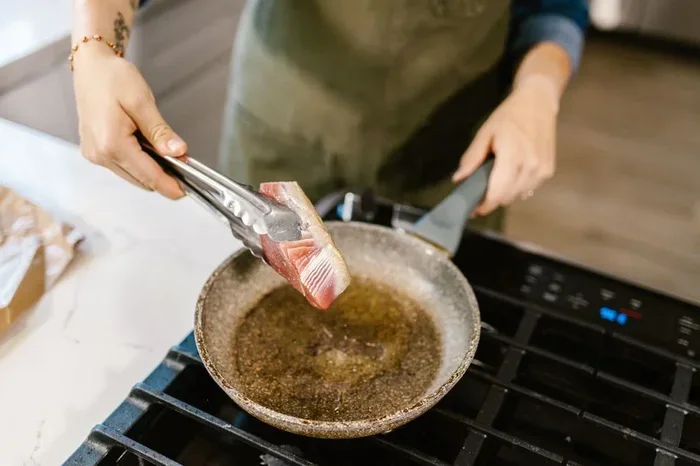
Place your cast iron skillet on the stove over high heat. Let it get ripping hot for about 2-3 minutes. Add the oil and swirl it around. You should see the oil shimmer and just barely start to smoke. That is your signal that the pan is ready.
Do not skip this step. A properly heated pan is what creates that deep, brown crust on the outside of your steak. If the pan is not hot enough, the steak will steam instead of sear.
Step 3: Sear the Steaks
Gently place the filets in the pan. You should hear a loud sizzle right away. Do not move them for 2-3 minutes. Let the heat do its work on the first side.
After 2-3 minutes, use tongs to flip the steaks. Sear the second side for another 2 minutes. If you want to add flavor, drop the butter, smashed garlic, and herb sprigs into the pan now. Tilt the pan slightly and use a spoon to baste the melting butter over the steaks for 30 seconds.
Step 4: Transfer to the Oven
Once both sides are seared, immediately transfer the entire skillet into a preheated oven set to 400°F. This is the ideal oven temperature for filet mignon because it cooks the steak quickly without drying it out.
The oven finish time depends on the thickness of your steaks and your target doneness. For a 1.5-inch thick filet, about 6-8 minutes in the oven will get you to a beautiful medium-rare. This method is similar to how you would cook salmon oven 400 — a hot oven for a short, precise cook time.
Step 5: Check the Internal Temperature
Insert your meat thermometer into the thickest part of the steak, going into the center. Here are the target temperatures for different levels of doneness:
- Rare: 120°F
- Medium Rare: 125-130°F
- Medium: 135-140°F
- Medium Well: 145-150°F
- Well Done: 160°F and above
Remember that the temperature will rise about 5°F after you pull the steak out. This is called carryover cooking, and it is why experienced cooks pull the steak a few degrees early.
Quick Tips for the Perfect Sear
- Do not overcrowd the pan. Cook one or two steaks at a time maximum.
- Do not press down on the steak with a spatula. You will squeeze out the juices.
- Make sure your oil has a high smoke point. Olive oil is not ideal for this because it burns at lower temperatures.
- If your pan is not oven-safe, sear on the stove and transfer the steak to a sheet pan for the oven finish.
Perfect Oven Temperatures and Timing for Filet Mignon
The right temperature and timing make all the difference. Here is a simple guide based on steak thickness and desired doneness.
Temperature and Time Chart
- 1.5-inch thick filet at 400°F: 6-8 minutes for medium-rare
- 2-inch thick filet at 400°F: 8-10 minutes for medium-rare
- 1.5-inch thick filet at 425°F: 5-7 minutes for medium-rare (faster cook, slightly more crust)
- 2-inch thick filet at 425°F: 7-9 minutes for medium-rare
These times are guidelines. Always rely on your meat thermometer for accuracy. Every oven runs slightly differently, and the starting temperature of the steak also matters.
Why 400°F Is the Gold Standard
400°F strikes the perfect balance. It is hot enough to cook the steak in a reasonable amount of time, but not so hot that it dries out the delicate filet mignon. Higher temperatures like 425°F work well for thicker steaks where you want a slightly more pronounced crust. Lower temperatures like 375°F take longer and can overcook the outer layers before the center reaches your target temperature.
If you have ever reheated crab legs in oven or cooked other proteins at 400°F, you know this temperature delivers consistent, reliable results across many types of dishes.
How to Know When Your Filet Is Done
Knowing when your steak is ready is the most important skill in cooking filet mignon. There are three reliable methods to check doneness.
Method 1: Meat Thermometer (Best Method)
This is the most accurate way to check your steak. Insert the probe into the thickest part of the meat, avoiding any bone or fat. The reading should match your target temperature. A good instant-read thermometer gives you results in about 10 seconds.
Method 2: The Touch Test
Press the center of the steak with your finger or tongs. Here is a rough guide:
- Rare: Feels very soft, like the base of your thumb when your hand is relaxed.
- Medium Rare: Feels soft but with slight resistance, like the base of your thumb when you touch your index finger to your palm.
- Medium: Feels firm but still springy, like touching your middle finger to your palm.
- Well Done: Feels very firm, like touching your pinky to your palm.
The touch test takes practice, but it is a useful skill when you do not have a thermometer handy.
Method 3: Visual Cues
When you cut into the steak, look at the center. Rare steak will be mostly red with a slight pink ring. Medium-rare will have a pink center with a thin brown edge. Medium steak will have a pink-to-brown gradient throughout. These visual cues work best after the steak has rested for a few minutes.
Resting and Serving Your Filet Mignon
Resting your steak is not optional. It is a critical step that many home cooks skip. When you pull the steak out of the oven, the juices inside are concentrated in the center from the high heat. Cutting too early lets those juices run all over your plate instead of staying in the meat.
Place the steaks on a warm plate or cutting board and let them rest for 5-8 minutes. Tent them loosely with aluminum foil to keep them warm without trapping too much steam. During this time, the internal temperature will rise slightly due to carryover cooking, and the juices will redistribute throughout the steak.
Best Sauces and Sides to Serve
Filet mignon is rich and tender on its own, but a simple sauce can take it to the next level. Here are some ideas:
- Peppercorn sauce: A classic French accompaniment that adds a subtle kick.
- Garlic herb butter: Spoon the melted butter from the pan over the rested steak for instant flavor.
- Red wine reduction: Simmer red wine with shallots and butter for a restaurant-style finish.
For sides, keep it simple. A baked potato, roasted asparagus, or a fresh green salad pairs beautifully with filet mignon. You can even reheat French fries in an air fryer oven for a crispy, restaurant-style side in minutes.
Common Mistakes to Avoid
- Skipping the sear: The oven alone will not give you that flavorful crust. Always sear first.
- Cooking from cold: A fridge-cold steak will cook unevenly. Let it warm up for 20-30 minutes.
- Overcooking: Filet mignon is lean and does not have the fat marbling of a ribeye. Pull it early and let carryover cooking finish the job.
- Not resting the steak: This single step makes a noticeable difference in juiciness.
- Using the wrong oil: Olive oil burns at high heat. Use avocado oil, grapeseed oil, or another high smoke-point option.
Expert Insights for Next-Level Filet Mignon
Once you master the basics, try these pro tips to elevate your filet mignon even further.
Dry Brine for Better Flavor
Salt your steaks generously and place them uncovered on a wire rack in the fridge for 1-24 hours before cooking. The salt draws out moisture, which then gets reabsorbed into the meat. This seasons the steak deeply and helps create an even better crust when you sear it.
Reverse Sear Method
For ultra-even cooking, try the reverse sear. Place the seasoned steak in a low oven (250°F) and cook slowly until it reaches 115-120°F internally. Then sear it in a screaming hot cast iron skillet for 1-2 minutes per side. This method gives you edge-to-edge perfect doneness with a gorgeous crust. It takes a bit longer but produces incredible results.
Butter Basting
After flipping the steak during the sear, add butter, garlic, and herbs to the pan. Tilt the skillet and spoon the foaming butter over the steak repeatedly for 30-60 seconds. This technique infuses the steak with rich, savory flavor and gives it a beautiful glossy finish.
Storing and Reheating Leftover Filet Mignon
If you have leftovers — and that is rare with filet mignon — store them properly to keep them tasty. Let the steak cool to room temperature, then wrap it tightly in plastic wrap or foil. Refrigerate for up to 3 days.
To reheat, use a low oven (250°F) for 10-15 minutes, or reheat gently in a skillet with a little butter. Avoid the microwave, which will toughen the meat. If you enjoy reheating other proteins in the oven, you likely already know that gentle, low heat preserves texture and moisture.
Final Thoughts
Cooking filet mignon in the oven is a skill anyone can learn. The process is straightforward: season, sear, finish in the oven, rest, and serve. With a cast iron skillet, a meat thermometer, and a little patience, you will serve steak that rivals any restaurant.
The key is to not rush the process. Let the pan get hot. Give the steak time to develop a crust. Use the thermometer so you know exactly when it is done. And never skip the resting step. Follow these steps, and your oven-baked steak will be juicy, tender, and full of flavor every single time.
Start with a simple recipe, practice a few times, and soon you will be confident enough to experiment with different seasonings and finishing techniques. Filet mignon is a special cut that deserves a little extra care, and the results are absolutely worth the effort.
Frequently Asked Questions
What is the best temperature to cook filet mignon in the oven?
400°F is the best temperature for cooking filet mignon in the oven. It cooks the steak quickly and evenly without drying it out. If you prefer a slightly faster cook with more crust, 425°F also works well for thicker steaks.
How long should I sear filet mignon before putting it in the oven?
Sear each side of the filet for 2-3 minutes in a hot cast iron skillet. This gives you a deep, golden-brown crust before the oven finishes the job. Do not move the steak during searing, and make sure the pan is hot before adding the steak.
How do I know when filet mignon is done?
Use a meat thermometer for the most accurate results. Pull the steak at 120°F for rare, 125-130°F for medium-rare, and 135-140°F for medium. Remember the temperature will rise 5°F during resting, so pull the steak a few degrees early.
Should I let filet mignon come to room temperature before cooking?
Yes, absolutely. Take the steak out of the fridge 20-30 minutes before cooking. A steak at room temperature cooks more evenly from edge to center. This simple step makes a noticeable difference in the final result.
Can I cook filet mignon in the oven without searing it first?
You can, but the result will not be as flavorful. Searing creates a rich, caramelized crust through the Maillard reaction, which adds deep flavor and texture. If you skip the sear, the steak will still cook through, but it will lack that signature browned exterior.
How long should I rest filet mignon after cooking?
Rest your filet mignon for 5-8 minutes after cooking. This allows the juices to redistribute throughout the meat, making each bite juicy and tender. Place the steak on a warm plate and tent it loosely with foil to keep it warm without steaming it.