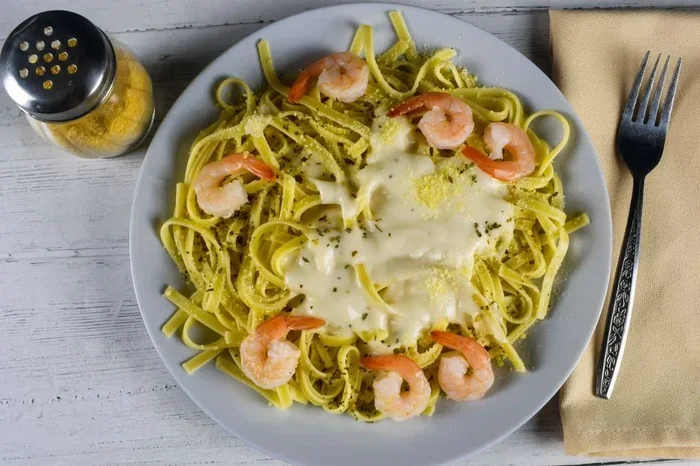
Real authentic Italian Alfredo sauce is a simple yet luxurious butter and Parmesan cream sauce that transforms any pasta dish. Unlike store-bought versions, homemade Alfredo sauce uses fresh ingredients and takes just minutes to prepare. Learn the history, the recipe, and pro tips for the creamiest result.
There is something magical about a warm bowl of pasta coated in a silky, rich real authentic Italian Alfredo sauce. This classic creamy pasta recipe has won hearts around the world, and for good reason. It is simple, elegant, and incredibly satisfying. Whether you are a beginner cook or a seasoned home chef, mastering this sauce will elevate your kitchen game.
Many people think alfredo sauce is just melted cheese and cream. But the authentic Italian version tells a different story. It relies on just a few quality ingredients, the right technique, and a little patience. In this guide, we will walk you through everything you need to know — from the history to the recipe, tips, and serving ideas. By the end, you will be making restaurant-quality fettuccine alfredo right in your own kitchen.
If you love Italian comfort food, this is the article for you. We will cover the real ingredients, the common mistakes to avoid, and plenty of ways to customize your homemade alfredo. Let us dive in and make the best cream sauce recipe you have ever tasted.
Key Takeaways
- Authentic Alfredo sauce uses only butter, heavy cream, and Parmesan cheese — no flour, no garlic, no shortcuts.
- The real Italian version was created by Alfredo di Lelio in Rome over 100 years ago.
- Making homemade alfredo sauce from scratch gives you control over flavor, texture, and quality.
- Low heat and constant stirring are the secrets to a smooth, creamy, lump-free sauce. Freshly grated Parmigiano-Reggiano melts better than pre-shredded cheese.
- Pair your creamy pasta recipe with fettuccine, grilled chicken, or roasted vegetables for a complete meal.
- You can store leftover Italian butter sauce in the fridge for up to 3 days and reheat gently.
📑 Table of Contents
- What Makes Real Authentic Italian Alfredo Sauce So Special
- The History Behind Authentic Alfredo Sauce
- Ingredients You Need for the Perfect Alfredo Sauce
- Step-by-Step Real Authentic Italian Alfredo Sauce Recipe
- Tips for the Creamiest Homemade Alfredo Sauce
- Serving Suggestions and Pairings
- Common Mistakes to Avoid When Making Alfredo Sauce
- Expert Insights: Why Fresh Ingredients Matter
- Storing and Reheating Your Alfredo Sauce
- Conclusion
What Makes Real Authentic Italian Alfredo Sauce So Special
The beauty of a real authentic Italian Alfredo sauce lies in its simplicity. You do not need a long list of ingredients or fancy equipment. You need good butter, fresh heavy cream, and real Parmigiano-Reggiano cheese. That is it.
Many American versions of alfredo sauce add flour as a thickener or load up on garlic and herbs. While those versions can taste great, they are not the traditional Italian butter sauce that started it all. The original recipe from Rome lets the quality of each ingredient shine through.
Here is what sets the authentic Italian Alfredo sauce apart:
- Minimal ingredients — only butter, cream, and Parmesan.
- No flour or cornstarch — the sauce thickens naturally from the cheese.
- Rich, buttery flavor — every bite feels indulgent but not heavy.
- Silky smooth texture — when made correctly, it coats every strand of pasta perfectly.
- Quick preparation — you can whip up a batch in under 15 minutes.
The rich and creamy result comes from slowly emulsifying the butter, cream, and cheese together over low heat. This process creates a luxurious cream sauce recipe that tastes far better than anything from a jar. Once you try the real thing, you will never go back to the store-bought version.
The Role of Each Ingredient
Every ingredient in a real authentic Italian Alfredo sauce plays a vital role. Here is a closer look at why each one matters:
- Unsalted butter — provides the rich, creamy base and deep flavor. Use good-quality European-style butter for the best results.
- Heavy cream — adds body and smoothness. It also helps create that luscious, pourable consistency.
- Parmigiano-Reggiano — the king of Italian cheeses. It melts beautifully and delivers a sharp, nutty umami flavor.
- Pasta water — a secret weapon. The starchy water helps bind the sauce and gives it a silky finish.
- Black pepper — a subtle warmth that rounds out the flavor without overpowering the dish.
Using freshly grated Parmigiano-Reggiano instead of pre-shredded cheese makes a huge difference. Pre-shredded cheese contains anti-caking agents that prevent it from melting smoothly. Freshly grated cheese melts into a creamy, velvety sauce every time.
The History Behind Authentic Alfredo Sauce
The story of real authentic Italian Alfredo sauce begins in Rome, Italy, in the early 1900s. A man named Alfredo di Lelio created this dish for his wife, who was recovering from childbirth and needed something easy to eat and nourishing.
Alfredo combined butter and Parmesan cheese with his favorite pasta, and the rest is history. The dish became so popular that famous actors Mary Pickford and Douglas Fairbanks tasted it during their visit to Rome. They loved it so much that they brought the recipe back to America.
Over time, the creamy pasta recipe evolved in the United States. Heavy cream was added, and the sauce became richer and more indulgent. Today, alfredo sauce is enjoyed worldwide in many different forms. But the authentic Italian version still holds a special place in culinary history.
Understanding the origins of this dish helps you appreciate why simplicity is key. Alfredo did not need dozens of ingredients. He needed just a few great ones, prepared with care. That philosophy is at the heart of every great Italian butter sauce.
Ingredients You Need for the Perfect Alfredo Sauce
Before you start cooking, make sure you have everything ready. Having all your ingredients measured and prepped makes the process smooth and stress-free. Here is your complete shopping list for the best homemade alfredo.
Essential Ingredients
- 4 tablespoons unsalted butter
- 2 cups heavy cream
- 2 cups freshly grated Parmigiano-Reggiano cheese
- Salt, to taste
- Freshly cracked black pepper
- 1 pound fettuccine pasta (or your preferred pasta)
Optional Add-Ins for Extra Flavor
While purists prefer the classic version, you can add a few extras to personalize your real authentic Italian Alfredo sauce:
- A pinch of nutmeg — adds a warm, subtle depth.
- Fresh parsley — for color and a fresh herbal note.
- Garlic — sautéed lightly in the butter before adding cream (this is more of an American twist).
- Roasted vegetables — asparagus, cherry tomatoes, or mushrooms pair beautifully.
- Grilled chicken or shrimp — turns the sauce into a complete protein-rich meal.
Remember, the authentic Italian version keeps things simple. But there is nothing wrong with experimenting once you master the base cream sauce recipe.
Step-by-Step Real Authentic Italian Alfredo Sauce Recipe
Now for the fun part — making the sauce. This easy alfredo recipe is straightforward and forgiving. Follow these steps, and you will have a restaurant-quality creamy sauce on your plate in no time.
Step 1: Cook the Pasta
Bring a large pot of salted water to a boil. Add your fettuccine and cook according to the package directions until al dente. Before draining, save about one cup of the starchy pasta water. This liquid is essential for creating a smooth, glossy alfredo sauce.
Step 2: Melt the Butter
While the pasta cooks, melt the butter in a large skillet over low heat. Do not let the butter brown. Low and slow is the key to a smooth, creamy sauce. Once the butter is fully melted, reduce the heat to low.
Step 3: Add the Heavy Cream
Pour the heavy cream into the melted butter. Stir gently to combine. Let the mixture simmer on low heat for about 3 to 5 minutes. You want small bubbles forming around the edges — not a rolling boil.
Step 4: Add the Parmesan Cheese
Gradually add the freshly grated Parmigiano-Reggiano, stirring constantly. Add the cheese in handfuls, letting each addition melt fully before adding more. This slow process prevents clumping and creates a silky, lump-free sauce.
Step 5: Adjust the Consistency
If the sauce feels too thick, add a splash of reserved pasta water. Stir well and repeat until you reach your desired consistency. The Italian butter sauce should coat the back of a spoon beautifully.
Step 6: Toss with Pasta and Serve
Add the drained pasta directly to the skillet. Toss gently to coat every strand in the creamy pasta recipe sauce. Serve immediately while hot. Top with extra Parmesan, a crack of black pepper, and fresh parsley if desired.
Tips for the Creamiest Homemade Alfredo Sauce
Making a perfect real authentic Italian Alfredo sauce is easier than you think, but a few pro tips can make all the difference. Here are the secrets that separate a good alfredo sauce from a great one.
Use Low Heat Throughout
High heat is the enemy of a creamy cream sauce recipe. It can cause the cream to curdle and the cheese to clump. Keep your burner on low and be patient. Gentle heat gives you a smooth, velvety texture every time.
Grate Your Own Cheese
This cannot be stressed enough. Pre-shredded cheese contains cellulose and other anti-caking agents that prevent smooth melting. A block of Parmigiano-Reggiano grated fresh gives you the best flavor and the smoothest alfredo sauce.
Reserve Pasta Water
The starchy water from boiling pasta is a game-changer. It helps bind the sauce to the noodles and adjusts the consistency naturally. Add it a splash at a time until you reach the perfect rich and creamy texture.
Stir Constantly
When adding the cheese, stir continuously. This helps the cheese melt evenly and creates a cohesive Italian butter sauce without any lumps or separation.
Serve Immediately
Alfredo sauce is best enjoyed fresh. It thickens as it sits, and reheating can sometimes cause the sauce to break. If you must reheat, do so gently over low heat with a splash of cream.
Quick Tip: For an extra-rich fettuccine alfredo, stir in a tablespoon of cream cheese during the last minute of cooking. It adds a tangy depth that complements the Parmesan cream sauce perfectly.
Serving Suggestions and Pairings
A great creamy pasta recipe deserves the right accompaniments. While fettuccine alfredo is a complete dish on its own, a few thoughtful pairings can turn it into a memorable meal.
Pasta Shapes That Work Best
The traditional choice is fettuccine, and for good reason. The wide, flat noodles hold the rich and creamy sauce beautifully. But you can also try:
- Linguine — a thinner alternative that works well with lighter versions of the sauce.
- Penne — the tubes catch chunks of chicken or vegetables perfectly.
- Rigatoni — a hearty option for a more filling dish.
For more Italian pasta recipes to explore, check out our guide to 19 classic alfredo pasta recipes everyone loves for even more inspiration.
Protein Additions
Grilled chicken, shrimp, or seared salmon turn your alfredo sauce into a complete dinner. Simply cook your protein separately and toss it into the sauce with the pasta. A creamy garlic chicken alfredo is one of the most popular variations around.
Vegetable Pairings
Roasted asparagus, sautéed spinach, sun-dried tomatoes, and grilled zucchini all pair wonderfully with authentic Italian Alfredo sauce. The vegetables add color, texture, and nutrition to your plate.
For lighter summer meals, try serving your Italian butter sauce over a cold cold Italian pasta salad recipe for summer as a refreshing twist. Or create a colorful tri-color pasta salad with Italian dressing for a visually stunning dish that pairs beautifully alongside a warm bowl of alfredo.
Common Mistakes to Avoid When Making Alfredo Sauce
Even experienced cooks can run into trouble when making homemade alfredo. Here are the most common mistakes and how to avoid them.
- Using pre-shredded cheese — it does not melt smoothly and can leave your sauce grainy.
- Using high heat — this causes the cream to curdle and the butter to separate.
- Adding cheese too quickly — pour it in gradually and stir constantly for a lump-free result.
- Overcooking the sauce — once the cheese melts, remove the pan from the heat immediately.
- Skipping the pasta water — this starchy liquid is your best friend for adjusting consistency.
- Rinsing the pasta — never rinse cooked pasta before tossing it in the sauce. The surface starch helps the cream sauce recipe cling to every noodle.
Avoiding these simple mistakes ensures your real authentic Italian Alfredo sauce turns out perfectly every single time.
Expert Insights: Why Fresh Ingredients Matter
Chef Maria Rossi, a Roman-born culinary instructor, puts it simply: “The secret to a great alfredo sauce is not in the technique — it is in the ingredients. Use the best butter you can find. Buy a whole wheel of Parmigiano-Reggiano and grate it fresh. And never, ever use pre-shredded cheese.”
This advice applies to all Italian cooking. The cuisine celebrates the natural flavors of each ingredient. When you use fresh, high-quality components, even the simplest cream sauce recipe becomes extraordinary.
Investing in good butter and real Parmigiano-Reggiano might cost a little more, but the difference in flavor is undeniable. Your taste buds will thank you, and your family will notice the upgrade in every bite of your fettuccine alfredo.
Storing and Reheating Your Alfredo Sauce
If you have leftovers — and let us be honest, that rarely happens — here is how to store and reheat your real authentic Italian Alfredo sauce properly.
- Refrigerator: Store in an airtight container for up to 3 days. The sauce may thicken as it sits, which is normal.
- Reheating: Warm gently over low heat on the stovetop. Add a splash of heavy cream or pasta water to restore the silky texture.
- Freezer: You can freeze the sauce for up to 1 month. Thaw overnight in the refrigerator before reheating.
Keep in mind that alfredo sauce is best enjoyed fresh. Reheating can sometimes cause slight separation, but adding a little cream while warming fixes this easily.
Conclusion
Real authentic Italian Alfredo sauce is one of the most rewarding cream sauce recipes you can master at home. With just butter, cream, and Parmigiano-Reggiano, you can create a rich and creamy sauce that rivals anything served in a fine Italian restaurant. The simplicity of the dish is its greatest strength.
Remember to use low heat, grate your own cheese, and save that precious pasta water. These small steps make a world of difference in the final result. Whether you toss it with classic fettuccine, add grilled chicken, or pair it with roasted vegetables, your homemade alfredo is sure to impress.
Now that you have all the tools and knowledge, it is time to get cooking. Pull up a chair, grab a whisk, and make yourself a bowl of the most delicious real authentic Italian Alfredo sauce you have ever tasted. Your kitchen — and your family — will love it.
Frequently Asked Questions
What is the difference between American and authentic Italian Alfredo sauce?
American versions often include garlic, parsley, and sometimes flour as a thickener. The authentic Italian version uses only butter, heavy cream, and Parmigiano-Reggiano. This simpler approach lets the natural flavors of each ingredient shine through in every bite.
Can I use milk instead of heavy cream for a lighter Alfredo sauce?
You can, but the sauce will be less rich and creamy. Heavy cream provides the luxurious texture that defines a great alfredo sauce. For a lighter version, try using half-and-half, but keep in mind the results will be slightly thinner than the traditional Italian butter sauce.
Why did my Alfredo sauce turn out grainy or lumpy?
This usually happens when the cheese is added too quickly or the heat is too high. To avoid this, add the grated cheese gradually over low heat while stirring constantly. Using freshly grated Parmigiano-Reggiano also helps create a smooth, creamy texture.
Can I make Alfredo sauce ahead of time?
Yes, you can make it up to a day ahead and store it in the refrigerator. Reheat gently over low heat with a splash of cream. Just remember that alfredo sauce is best when served fresh, so try to prepare it as close to serving time as possible for the ideal creamy pasta recipe results.
What pasta pairs best with authentic Alfredo sauce?
Fettuccine is the traditional choice because its wide, flat shape holds the rich and creamy sauce beautifully. Linguine and penne also work well. The key is to use a pasta shape that has enough surface area to catch and hold the Parmesan cream sauce in every forkful.
Is Alfredo sauce gluten-free?
The base alfredo sauce made with butter, cream, and Parmesan is naturally gluten-free. Just make sure your pasta is gluten-free if needed, and check that any optional add-ins are also gluten-free. This makes real authentic Italian Alfredo sauce a great option for those following a gluten-free Italian cooking lifestyle.