
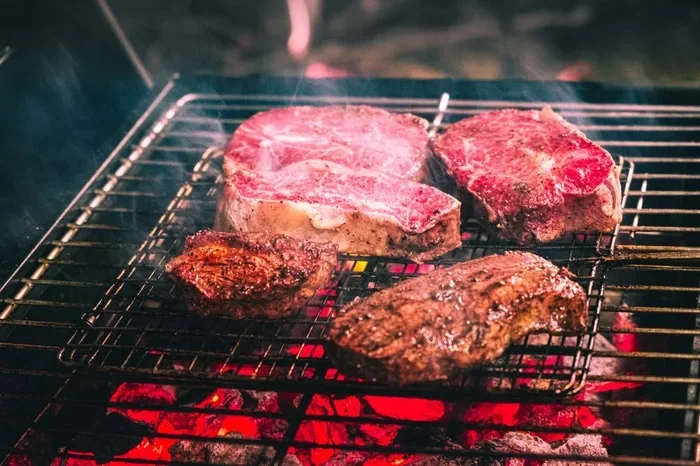
Our steak cooking temperature chart gives you exact doneness temperatures for every cut. Whether you prefer rare steak or well done steak, this guide shows the right internal temperature to use. You will learn how to use a meat thermometer, rest your steak, and avoid common mistakes.
There is nothing better than a perfectly cooked steak. A juicy, flavorful steak with the right level of doneness can turn an ordinary weeknight dinner into something special. But getting it right every time is not always easy. That is where a steak cooking temperature chart comes in handy. In this guide, we will walk you through everything you need to know about steak temperatures, doneness levels, and the best ways to cook steak at home.
Whether you are grilling outside or cooking in the kitchen, knowing the right internal temperature makes all the difference. We will cover rare steak, medium rare steak, medium steak, and more. By the end of this guide, you will feel confident cooking steak like a pro. Let us get started.
Key Takeaways
- Perfect Doneness Every Time: Use the steak cooking temperature chart to hit the exact internal temp for rare, medium rare, medium, and well done steak.
- Meat Thermometer Is Essential: A good meat thermometer removes all guesswork and takes the stress out of cooking steak.
- Resting Matters: Letting your steak rest for 5 to 10 minutes keeps the juices locked in and improves flavor.
- Reverse Sear Works Great: The reverse sear method gives you a perfect edge to edge cook with a great crust.
- Avoid Overcooking: Pulling your steak off heat a few degrees early lets carryover cooking finish the job perfectly.
📑 Table of Contents
Why a Steak Cooking Temperature Chart Matters
Cooking steak without a temperature chart is like driving without a map. You might get there, but it will take a lot longer and you will make more mistakes. A steak temperatures chart takes the guesswork out of the process. It gives you clear targets to aim for so your steak turns out exactly how you want it.
Different people like their steak cooked differently. Some love a rare steak that is cool and red in the center. Others prefer a medium steak with a warm pink center. And some want a well done steak that is cooked through with no pink at all. A temperature chart helps you hit each of these levels with precision.
Using a meat thermometer is the single best thing you can do for your cooking. It removes guesswork and takes the anxiety out of the kitchen. You will never have to cut into your steak just to guess if it is done. Instead, you will know with certainty.
Understanding Steak Doneness Levels
Each level of doneness has a specific temperature range. Here is a quick breakdown of what to look for:
- Rare: 120 to 125 degrees Fahrenheit. The center is cool and bright red.
- Medium Rare: 130 to 135 degrees Fahrenheit. The center is warm and red.
- Medium: 140 to 145 degrees Fahrenheit. The center is pink and slightly firm.
- Medium Well: 150 to 155 degrees Fahrenheit. The center is mostly gray with a hint of pink.
- Well Done: 160 degrees Fahrenheit and above. The center is gray-brown throughout.
These temperatures are your targets. The steak cooking temperature chart below will help you track them more easily as you cook.
The Steak Cooking Temperature Chart
Here is the core of this guide. This steak cooking temperature chart shows you the target temperatures for each doneness level. Keep this handy next time you fire up the grill or heat up your cast iron skillet.
Steak Temperatures by Doneness
The chart below covers the five main levels of doneness. Print it out or save it on your phone for easy reference while cooking.
- Rare: 120-125°F — Cool red center, very soft texture.
- Medium Rare: 130-135°F — Warm red center, juicy and tender.
- Medium: 140-145°F — Pink center, firmer but still moist.
- Medium Well: 150-155°F — Slight pink, mostly firm.
- Well Done: 160°F+ — No pink, fully cooked through.
Remember that the temperature will rise a few degrees after you pull the steak off the heat. This is called carryover cooking. So if you want a medium steak, pull it off at 135 to 140 degrees. The resting period will bring it up to the perfect 140 to 145 degrees.
How Carryover Cooking Affects Your Steak
Carryover cooking is one of the most important things to understand. When you remove a hot steak from the heat source, the residual heat continues to cook the meat. This temperature rise can be 5 to 10 degrees depending on the thickness of the steak.
This is why experienced cooks pull their steak off the heat early. If you wait until the thermometer hits your target temp, you will overshoot. The steak cooking temperature chart should be your guide, but always account for carryover.
Best Methods for Cooking Steak
There are several ways to cook a great steak. Each method has its own strengths. Let us look at the most popular approaches and how to use the steak cooking temperature chart with each one.
Grilling Steak
Grilling is the classic way to cook steak. The high heat from charcoal or gas creates a beautiful sear on the outside. When grilling, you want a hot grill with clean grates. Use a best extra long wooden spoon for cooking to flip your steak safely without getting too close to the flames.
Start by searing the steak over direct high heat for 2 to 3 minutes per side. Then move it to a cooler part of the grill to finish cooking. Insert your meat thermometer horizontally into the thickest part of the steak. Check the temperature often so you do not overshoot.
Pan Searing Steak
Pan searing is perfect for indoor cooking. A cast iron skillet works best because it holds heat really well. Heat the pan until it is smoking hot, then add a high smoke point oil. Place your steak in the pan and let it sear without moving it.
After searing both sides, you can finish the steak in the oven if it is a thick cut. This method gives you a great crust and a perfectly cooked center. Use the steak cooking temperature chart to monitor the internal temp as it cooks.
Reverse Sear Method
The reverse sear is a favorite among steak lovers. You start by cooking the steak low and slow in the oven, then finish with a hard sear on the stove or grill. This method gives you an even edge to edge cook with a fantastic crust.
Set your oven to 250 degrees Fahrenheit. Place the steak on a wire rack over a baking sheet. Cook until the internal temp is about 10 degrees below your target. Then sear on a hot cast iron skillet for about one minute per side. The steak cooking temperature chart is especially useful here because it helps you nail the final temperature.
Tools You Need for Perfect Steak
You do not need a lot of fancy equipment to cook a great steak. But a few key tools will make a big difference in your results.
- Meat Thermometer: This is the most important tool. A digital instant read thermometer gives you fast and accurate readings. It is the best way to use a steak cooking temperature chart effectively.
- Cast Iron Skillet: Cast iron holds heat beautifully and creates an even sear. It works on the stove and in the oven.
- Tongs: A good pair of tongs lets you flip your steak without piercing it. Keeping the juices inside is key to a moist steak.
- Cutting Board: Use a sturdy cutting board for resting and slicing your steak.
- Aluminum Foil: Tenting your steak with foil during resting keeps it warm while the juices redistribute.
If you like to cook steak on the stove, a best pots and pans for induction cooking set can also work well. Induction cooktops heat up fast and give you precise temperature control, which is great for steak.
Common Mistakes to Avoid When Cooking Steak
Even experienced home cooks make mistakes. Here are some common errors that can ruin a good steak, and how to avoid them.
Not Using a Meat Thermometer
This is the number one mistake. The touch test and visual cues are not reliable. A meat thermometer takes the guesswork out completely. Trust the numbers, not your finger.
Skipping the Rest
Resting your steak is just as important as cooking it. When you cut into a hot steak right off the heat, the juices run out onto the cutting board. Instead, let it rest for 5 to 10 minutes. The juices will redistribute and your steak will be much juicier.
Starting with a Cold Steak
Take your steak out of the fridge 30 to 45 minutes before cooking. A cold steak cooks unevenly, with a cool center and an overcooked edge. Bringing it to room temperature first helps it cook more evenly.
Moving the Steak Too Much
When searing, leave the steak alone. Moving it around prevents a proper crust from forming. Let it sit on the hot surface until it naturally releases from the pan or grill.
Overcooking the Steak
It is easy to overshoot your target temp. Always pull the steak off heat a few degrees early. The carryover cooking will bring it up to the right level. This is especially true for thick cuts.
Quick Tips for Using the Steak Cooking Temperature Chart
Here are some fast tips to help you get the best results every time you cook steak:
- Always measure the temperature in the thickest part of the steak.
- Insert the thermometer horizontally into the center of the meat.
- Check the temperature from multiple spots for accuracy.
- Let your steak rest for at least 5 minutes before slicing.
- Clean your thermometer between uses for hygienic cooking.
- Use the steak cooking temperature chart as a starting point and adjust based on your preference.
These small habits make a huge difference over time. Once they become second nature, you will never cook a bad steak again.
Final Thoughts
Cooking the perfect steak at home is easier than most people think. The secret is simple: use a steak cooking temperature chart and a reliable meat thermometer. These two tools take your steak from guesswork to precision.
Whether you are aiming for a rare steak, a juicy medium rare steak, or a fully cooked well done steak, the right temperature makes all the difference. Practice these techniques, pay attention to carryover cooking, and always let your steak rest before serving.
With this guide, you have everything you need to cook steak like a professional. Print out the chart, keep it in your kitchen, and watch your steak game improve. Happy cooking!
Frequently Asked Questions
What is the best internal temperature for a medium steak?
A medium steak should reach an internal temperature of 140 to 145 degrees Fahrenheit. Use a meat thermometer to check the thickest part of the steak. Remember to pull it off heat a few degrees early because carryover cooking will raise the temp.
How do I use a steak cooking temperature chart?
Simply check the temperature of your steak with a meat thermometer and compare it to the chart. The chart shows target temperatures for rare, medium rare, medium, medium well, and well done. Use it every time you cook steak for consistent results.
Can I cook steak without a meat thermometer?
You can, but it is much harder to get the right doneness. The touch test is unreliable and varies from person to person. A meat thermometer takes the guesswork out and works perfectly with any steak cooking temperature chart.
What is carryover cooking and why does it matter?
Carryover cooking is the rise in temperature that happens after you remove the steak from heat. The residual heat continues to cook the meat for several minutes. This is why you should pull your steak off a few degrees before it hits the target temp on the chart.
How long should I rest my steak before cutting?
Let your steak rest for 5 to 10 minutes after cooking. This allows the juices to redistribute throughout the meat. Use a piece of aluminum foil to tent the steak lightly and keep it warm during resting.
Is a reverse sear better than grilling for steak?
The reverse sear works best for thick cuts of steak and gives you an even cook edge to edge. Grilling is great for thinner cuts and adds smoky flavor. Both methods work well when you use a steak cooking temperature chart to monitor doneness.
=== INTERNAL LINKS ===
- For safe flipping and handling, use a best extra long wooden spoon for cooking when working with hot steak on the grill or in the pan.
- Pair your steak with sides from a best big pots for cooking non stick collection for a complete meal.
- Protect your arms from splatter when searing steak by using best heat resistant arm sleeves for cooking.



