Knowing the right turkey temperature cooked to perfection is the single most important factor in making a delicious, safe meal. This guide covers safe internal temperatures, the best tools for checking doneness, and proven tips for juicy turkey breast and tender thighs every single time. You will learn USDA guidelines, carryover cooking science, and how to avoid the most common turkey mistakes.
Cooking a turkey can feel intimidating. There is so much to think about. Thawing time. Seasoning. Cooking time. And of course, turkey temperature cooked to perfection. But here is the good news. Getting your turkey done right is simpler than you think. Once you understand a few key temperatures and basic principles, you will never serve a dry turkey again.
This guide walks you through everything you need to know about turkey internal temperature, safe cooking guidelines, and how to get juicy breast meat and tender thighs every time. Whether you are roasting a whole bird for Thanksgiving or cooking a smaller turkey breast for dinner, these tips will change your results forever.
Key Takeaways
- Safe Turkey Temperature: The USDA recommends cooking turkey to an internal temperature of 165°F (74°C) for food safety.
- Breast vs. Thigh Differences: Turkey breast is best at 160-165°F, while thighs taste better at 175-180°F for tender, fall-off-the-bone meat.
- Use a Meat Thermometer: A reliable instant-read thermometer is the only accurate way to check turkey doneness.
- Carryover Cooking Matters: Turkey temperature rises 5-10°F after removing from the oven, so pull it out early.
- Resting Is Essential: Letting turkey rest for 20-30 minutes keeps juices locked in and improves texture.
- Avoid Overcooking: The most common mistake is cooking too long, which dries out the meat and ruins flavor.
- Storage Matters Too: Properly storing leftover cooked turkey keeps it safe and delicious for days.
📑 Table of Contents
What Is the Perfect Turkey Temperature?
The answer depends on which part of the turkey you are cooking. Different cuts have different ideal temperatures. And understanding this difference is the key to a perfect meal every single time.
Turkey Breast Temperature
Turkey breast is leaner than dark meat. It dries out fast if you cook it too long. The ideal turkey breast temperature is between 160°F and 165°F (71-74°C). At this range, the meat is safe to eat and still juicy. If you push breast meat past 170°F, it starts to lose moisture fast. The result? Dry, tough chicken-like texture that nobody wants on their plate.
Here is a quick tip. Pull your turkey breast out of the oven when it hits 155°F. The temperature will keep rising as the meat rests. This is called carryover cooking, and it works in your favor. By the time you slice that breast, it will be perfectly at 165°F.
Turkey Thigh Temperature
Thigh meat is darker and fattier. It can handle higher temperatures without drying out. The best turkey thigh temperature is between 175°F and 180°F (79-82°C). At this range, the collagen in the thigh breaks down. That makes the meat tender, juicy, and incredibly flavorful. Dark meat fans will love the results at this temp.
Thighs are more forgiving than breast meat. You can cook them a little longer without ruining the texture. But you still want to use a thermometer. Guessing is never a good idea when it comes to cooking turkey.
Why Internal Temperature Matters So Much
Food safety is the big reason temperature matters. Undercooked poultry can carry harmful bacteria like Salmonella and Campylobacter. The USDA safe turkey temperature is 165°F for all parts of the bird. But here is something many people do not know. The temperature at which you pull the turkey out matters just as much as the final temp on the plate.
When your turkey comes out of the oven, the internal temperature continues to rise. This carryover cooking effect can add 5 to 10 degrees in just a few minutes. That is why experienced cooks pull their turkey out before it hits the target temp. It is all about timing and understanding how heat works inside a large piece of meat.
Getting the temperature right also affects texture and flavor. A turkey cooked to the proper roasted turkey temperature will be juicy, tender, and full of flavor. One that is overcooked will be dry and bland no matter how good your seasoning is. Temperature control really is the secret weapon in every turkey recipe.
How Carryover Cooking Works
Carryover cooking happens because heat moves from the outside of the meat toward the center. When you pull the turkey from the oven, the outer layers are hotter than the inner ones. That heat continues to travel inward, raising the overall temperature. The bigger the bird, the more dramatic this effect can be.
This is why a large whole turkey can rise 10°F or more during resting. A smaller turkey breast might only rise 5°F. Either way, you need to account for it. Pulling your turkey out early is the smartest move you can make for perfect turkey temperature cooked results.
How to Check Turkey Temperature Correctly
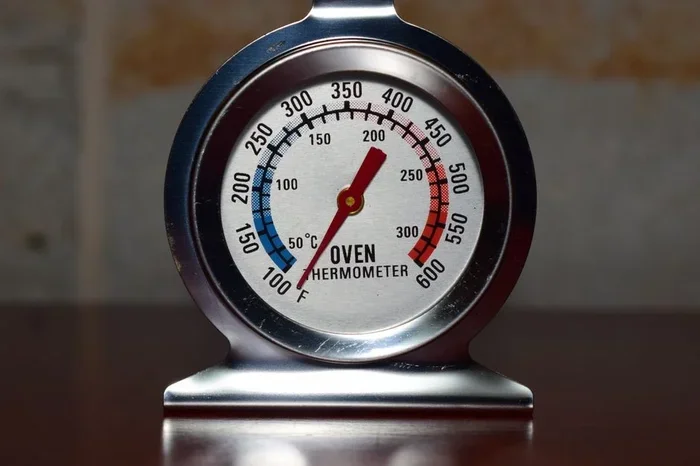
The single most important tool for checking turkey doneness is a meat thermometer. You simply cannot get consistent results by guessing or using those pop-up timers that come with some turkeys. A good instant-read thermometer takes the guesswork out completely.
Best Thermometer Placement
Where you insert the thermometer matters a lot. For a whole turkey, check the thickest part of the thigh without touching the bone. Also check the thickest part of the breast. The wing area is not as reliable because it cooks faster and is much smaller.
Here are the key spots to measure:
- Thigh: Insert into the thickest part, avoiding the bone.
- Breast: Place the probe horizontally into the thickest section.
- Wing: Check near the joint for a quick read.
Do not let the probe touch bone. Bone conducts heat differently than meat, and it will give you a false reading. Always check at least two spots to make sure the whole bird is done evenly.
Types of Thermometers to Use
Not all thermometers are created equal. Here is a quick look at your options:
- Instant-Read Thermometers: Fast, accurate, and affordable. These are the go-to choice for most home cooks.
- Leave-In Probe Thermometers: Stay in the turkey the whole time and give continuous readings. Great for monitoring without opening the oven door.
- Digital Thermometers: Very precise and easy to read. Some even connect to your phone.
Any of these will help you nail the perfect turkey temperature cooked every time. Just make sure yours is calibrated correctly before you start cooking.
Turkey Temperature Chart and Guidelines
A visual reference makes everything easier. Here is a simple breakdown of turkey cooking temperatures by cut and doneness level.
| Cut | Pull Temp (°F) | Final Temp After Rest (°F) | Texture |
|---|---|---|---|
| Whole Turkey | 160°F | 165°F | Safe and juicy |
| Breast (bone-in) | 155°F | 160-165°F | Moist and tender |
| Breast (boneless) | 150°F | 155-160°F | Very juicy |
| Thigh (bone-in) | 170°F | 175-180°F | Tender and fall-apart |
| Thigh (boneless) | 165°F | 170-175°F | Rich and moist |
| Turkey Wings | 165°F | 170°F | Crispy and cooked through |
These numbers follow USDA turkey guidelines for food safety. The pull temperatures are lower than the final temps because of carryover cooking. Always let your turkey rest for at least 20 to 30 minutes before carving. This allows juices to redistribute and makes the meat much easier to slice.
If you are using a best pan to cook turkey in oven, make sure the pan is deep enough to catch drippings and allow hot air to circulate. A roasting pan with a rack works best for even cooking. You can also check out tips on keeping your turkey warm in the oven after it comes out, which is especially helpful during holiday gatherings when dinner gets delayed.
Understanding Doneness Levels
Turkey does not have to be dry and white all the way through. In fact, slightly pink turkey meat is perfectly safe as long as the internal temperature reaches 165°F. Many people overcook their turkey because they fear the pink color. Do not fall for this myth. A meat thermometer gives you the real answer, not the color of the meat.
The juices are another good indicator. When you pierce the thickest part of the thigh, the juices should run clear, not pink or red. But remember, color is not as reliable as temperature. Always trust your thermometer over your eyes.
Common Mistakes That Ruin Turkey Temperature
Even experienced cooks make mistakes. Here are the most common errors that mess up your turkey temperature cooked results.
Not Using a Thermometer
This is the number one mistake. Relying on time alone or popping the turkey open to “check” wastes heat and moisture. Every time you open the oven door, the temperature drops. That adds cooking time and dries out your bird. Skip the guessing and use a thermometer instead.
Cooking at Too High a Temperature
Some recipes call for very high heat to get a crispy skin fast. But high heat cooks the outside much faster than the inside. This leads to overcooked breast meat while the thighs are still not done. A moderate temperature of 325°F to 350°F works best for even cooking throughout the bird.
Skipping the Resting Period
Cutting into your turkey right after it comes out of the oven is a huge mistake. The meat needs time to rest so the juices can settle back into the muscle fibers. If you carve too early, all those juices run out onto the cutting board instead of staying in the meat. Give your turkey at least 20 to 30 minutes of resting time.
Overseasoning the Skin Only
Seasoning the outside is great for flavor and crispy skin. But if you do not season the cavity and under the skin of the breast, you miss out on flavor from the inside out. Some cooks also stuff the turkey, which can affect how evenly the heat reaches the center and impacts the final turkey internal temperature.
Ignoring Thawing Time
Cooking a frozen or partially frozen turkey throws off everything. The outside cooks way before the inside thaws. This creates uneven temperatures and potential food safety issues. Always make sure your turkey is fully thawed before it goes in the oven. Plan for about 24 hours of thawing time for every 4 to 5 pounds of bird.
Tips for Juicy Turkey Every Single Time
Getting the temperature right is only half the battle. Here are extra tips to make sure your turkey comes out moist and delicious.
Brine Your Turkey
Brining is one of the best things you can do for flavor and moisture. A simple saltwater brine overnight helps the meat hold onto more juice during cooking. Even a quick dry brine with salt works wonders. Just season the turkey generously and let it sit uncovered in the fridge overnight.
Butter Under the Skin
Sliding softened butter under the skin of the breast adds richness and moisture. It also helps the skin get extra crispy. This is an easy step that makes a noticeable difference in the final result.
Let It Rest Properly
We mentioned resting already, but it is worth repeating. Tent your turkey loosely with foil and let it sit on the counter for 20 to 30 minutes. This is the best time to make your gravy too. The juices collect in the pan, and you can use them to make a delicious pan sauce.
Once your turkey is cooked and rested, you will want to store any leftovers properly. Proper storage of cooked meats applies to turkey as well. Make sure your leftovers reach a safe temperature quickly and are stored in airtight containers in the fridge within two hours of cooking.
Let the Turkey Rest at Room Temperature
After resting, the turkey can sit at room temperature for up to two hours safely. This is the perfect window for serving at a dinner party. If your gathering runs long, you can also learn how to keep turkey warm in the oven at a low temperature without drying it out further.
Conclusion
Getting your turkey temperature cooked right does not have to be complicated. Use a meat thermometer, understand the difference between breast and thigh temperatures, and account for carryover cooking. Pull your turkey out early, let it rest, and serve a juicy, flavorful bird that everyone will love.
The perfect turkey temperature cooked is not just a number on a thermometer. It is the difference between a dry, disappointing meal and a show-stopping centerpiece. Follow the guidelines in this article, avoid the common mistakes, and you will feel confident every time you roast a turkey. Your family and guests will notice the difference, and you will wonder why you ever settled for less.
Remember, practice makes perfect. Each time you cook a turkey, you will get more comfortable with checking temperatures and timing your cook. Before long, nailing the perfect turkey internal temperature will feel second nature. Happy cooking.
Frequently Asked Questions
What is the safe internal temperature for turkey?
The USDA recommends a minimum internal temperature of 165°F (74°C) for all parts of the turkey. This applies to the breast, thighs, wings, and stuffing. Always use a meat thermometer to verify, as color and texture are not reliable indicators of doneness.
What should turkey breast temperature be when done?
Turkey breast is best when it reaches an internal temperature of 160°F to 165°F. Pull it out of the oven at around 155°F because carryover cooking will raise the temperature a few more degrees. This keeps the breast moist and prevents it from drying out.
How long should turkey rest after cooking?
Let your turkey rest for at least 20 to 30 minutes after removing it from the oven. During this time, the juices redistribute throughout the meat, making it more flavorful and easier to carve. Tent it loosely with foil to keep it warm without steaming the skin.
Can turkey be slightly pink and still safe to eat?
Yes, slightly pink turkey meat is perfectly safe as long as the internal temperature has reached 165°F. The color of the meat is not always a reliable indicator of doneness. Always trust your thermometer over the color of the meat or the juices.
How do I know if my turkey is done without a thermometer?
You really cannot know for sure without a thermometer. The juices should run clear when you pierce the thickest part of the thigh, and the leg should wiggle easily in the joint. But these methods are not as accurate as using a meat thermometer for checking turkey doneness.
What is carryover cooking and why does it matter for turkey?
Carryover cooking is when the internal temperature of the turkey continues to rise after you take it out of the oven. This happens because heat from the outer layers moves toward the center. It matters because you should pull your turkey out 5 to 10 degrees below your target temp to avoid overcooking.
=== INTERNAL LINKS USED ===