So how many ounces are in 2 liters? The answer is about 67.6 fluid ounces. This conversion is essential for anyone who cooks, bakes, or follows recipes from around the world. Knowing this simple swap saves time, prevents mistakes, and takes the guesswork out of your kitchen.
Ever stood in front of a recipe and thought, “Wait, how many ounces are in 2 liters?” You are not alone. This question pops up all the time in kitchens around the world. Whether you are following a metric to imperial conversion for a foreign recipe or just trying to nail your daily water intake, knowing this number makes life so much easier.
The short answer is simple: 2 liters equals 67.6 fluid ounces. But there is more to it than just a number. Understanding this liquid measurement helps you cook with confidence, bake without errors, and even track your hydration goals. In this guide, we break everything down in plain, easy-to-follow language. No math degree required.
Let us dive into the world of volume conversion and make sure you never have to guess again. From cooking liquid measurements to everyday kitchen tasks, this knowledge is a game changer. You will wonder how you ever managed without it.
Key Takeaways
- 2 liters equals 67.6 fluid ounces: This is the standard conversion you need to remember for cooking and baking.
- Understanding the difference between fluid ounces and weight ounces: Not all ounces are the same, and mixing them up can ruin a recipe.
- Metric to imperial conversions matter in the kitchen: Many recipes use liters while your measuring tools show ounces.
- Simple tips make conversions easy: A few tricks help you convert on the fly without a calculator.
- Practical applications go beyond recipes: This conversion helps with hydration tracking, meal prep, and more.
📑 Table of Contents
- What Do Ounces and Liters Actually Mean?
- How Many Ounces Are in 2 Liters: The Full Breakdown
- Why Knowing This Conversion Matters in the Kitchen
- Fluid Ounces vs. Weight Ounces: What Is the Difference?
- Common Mistakes When Converting Ounces and Liters
- Quick Conversion Tips for Everyday Cooking
- How This Conversion Fits Into Broader Kitchen Knowledge
- Final Thoughts
What Do Ounces and Liters Actually Mean?
The Basics of Fluid Ounces
A fluid ounce is a unit of liquid volume used mainly in the United States and a few other countries. It measures how much space a liquid takes up, not how heavy it is. This is a key distinction that trips up a lot of people.
When a recipe calls for 8 fluid ounces of water, it means 8 ounces by volume. One fluid ounce is roughly 29.57 milliliters. So when you are working with cooking measurements, always check whether the recipe means fluid ounces or weight ounces.
What Is a Liter?
A liter is a metric system unit of volume. It is used in most countries around the world. One liter equals 1,000 milliliters. It is also close to one quart in the imperial system, which makes it a handy reference point.
Liters are standard in recipe measurements across Europe, Asia, and many other regions. If you have ever tried a recipe from another country and felt confused by the units, this is exactly why. The good news is that converting between liters and ounces is straightforward once you know the ratio.
How Many Ounces Are in 2 Liters: The Full Breakdown
The Exact Conversion
Here is the math, plain and simple. One liter equals 33.814 fluid ounces. So for 2 liters, you multiply 33.814 by 2. The result is 67.628 fluid ounces. Most people round this to 67.6 ounces for everyday use.
This ounces conversion is the number you need to tattoo on your brain (just kidding, but almost). Once you know that 2 liters in ounces is roughly 67.6, you can estimate almost any liquid volume in your head.
Quick Reference Chart
Here is a handy reference for common conversions:
- 1 liter = 33.8 fluid ounces
- 1.5 liters = 50.7 fluid ounces
- 2 liters = 67.6 fluid ounces
- 0.5 liter = 16.9 fluid ounces
Keep this chart somewhere in your kitchen. It is one of those standard measurements that pay off every single time you cook or bake.
Why This Matters for Cooking
Imagine you are boiling water in an Instant Pot and the recipe says 2 liters. Your Instant Pot markings show ounces. Without knowing the conversion, you might eyeball it and end up with too little or too much water. That can affect cooking times and results.
The same goes for how to boil in Instant Pot recipes or any dish that relies on precise liquid measurements. Getting the right amount of water or broth can mean the difference between a perfect dish and a soggy mess. This is why volume conversion skills are so valuable in the kitchen.
Why Knowing This Conversion Matters in the Kitchen
Following International Recipes
The internet has made it easy to access recipes from every corner of the globe. But those recipes often use the metric system. A European cake recipe might call for 2 liters of milk. If you only have measuring cups marked in ounces, you need to know the conversion.
Without this knowledge, you might substitute incorrectly, which changes the texture and taste of your food. Cooking conversions like this one are the bridge between metric and imperial cooking styles. They let you explore global recipes without fear.
Meal Prep and Batch Cooking
Meal prep is huge right now. People cook in batches and store meals for the week. When you are scaling recipes up or down, accurate liquid measurements become critical. Doubling a soup recipe from 1 liter to 2 liters means you need exactly 67.6 ounces of broth.
This is also relevant when you are steaming vegetables in a rice cooker without basket. Getting the right amount of water ensures your veggies steam perfectly without drying out or overflowing the cooker. Precision matters, and this conversion gives you that precision.
Hydration and Health Tracking
Many health experts recommend drinking about 2 liters of water per day. But if your water bottle is labeled in ounces, how do you know when you have hit your goal? Knowing that 2 liters is 67.6 ounces helps you track your intake accurately.
This is a practical use of kitchen measurements that goes beyond cooking. It shows how liquid volume knowledge benefits your daily life in simple, tangible ways.
Fluid Ounces vs. Weight Ounces: What Is the Difference?
Why People Get Confused
This is the number one source of confusion in the kitchen. The word “ounce” refers to two completely different things. A fluid ounce measures volume. A weight ounce measures mass. They are not interchangeable.
For example, 2 liters of water weighs about 67.6 ounces by volume, but the weight of that water is actually about 70.5 ounces. The difference comes from the density of the liquid. Water is close to 1 gram per milliliter, which makes the numbers close but not identical.
When It Matters Most
For most cooking and baking tasks, using fluid ounces for liquids and weight ounces for dry ingredients is the right approach. When a recipe says 8 ounces of flour, it means weight ounces. When it says 8 ounces of broth, it usually means fluid ounces.
Getting this wrong can throw off your recipe measurements significantly. Flour is much heavier than water by volume, so confusing the two leads to dense cakes or runny soups. Always check the context of the recipe to know which type of ounce is being used.
Common Mistakes When Converting Ounces and Liters
Rounding Too Early
One common mistake is rounding 33.814 to 34 too early in your calculations. This small error compounds when you are working with larger volumes. For 2 liters, rounding too early gives you 68 ounces instead of 67.6. That is not a huge difference, but it adds up over time.
For precise cooking measurements, especially in baking, every fraction matters. Baking is a science, and small errors in liquid volume can change the outcome of your baked goods.
Using the Wrong Measuring Tool
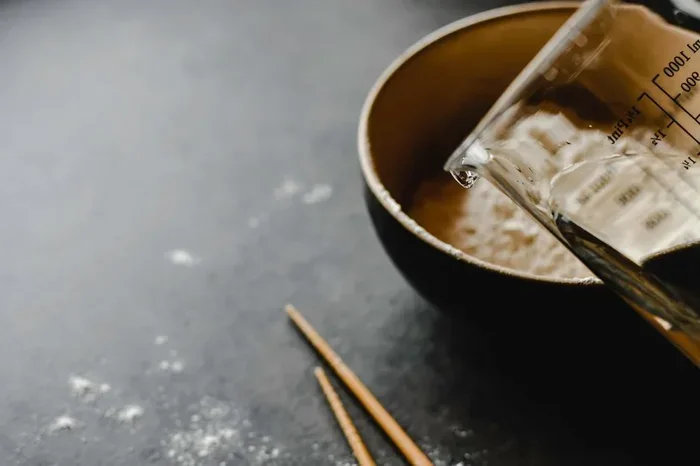
Another mistake is using a dry measuring cup for liquids, or vice versa. Liquid measuring cups are designed to be read at eye level and have pour spouts. Dry measuring cups are meant to be filled and leveled off.
When you are working with how to boil water in Instant Pot without lid or any other liquid-heavy recipe, using the right tool makes a big difference. It ensures accuracy and keeps your cooking process smooth.
Ignoring Temperature Effects
Here is something most people overlook. The volume of a liquid can change slightly with temperature. Hot water takes up slightly more space than cold water. For most home cooking, this difference is negligible. But if you are doing precision work, it is worth noting.
For everyday purposes, the standard conversion of 1 liter to 33.8 fluid ounces holds true at room temperature. Just keep this in mind if you are working with very hot or very cold liquids.
Quick Conversion Tips for Everyday Cooking
Memorize the Key Number
The easiest tip is to memorize that 1 liter is about 33.8 ounces. Once you know this, you can quickly calculate any liter amount. Need 1.5 liters? Just multiply 33.8 by 1.5. Need 0.5 liters? Multiply by 0.5. It is that simple.
Keep a small cheat card on your fridge. Over time, the numbers will become second nature. This is one of the best cooking conversions you can commit to memory.
Use Online Converters for Complex Recipes
When you are scaling a complex recipe with multiple liquid measurements, do not rely on mental math alone. Use an online volume conversion tool. Many free apps and websites let you convert liters to ounces in seconds.
This is especially helpful when you are adapting a recipe from metric to imperial units. A quick conversion check ensures your standard measurements are spot on every time.
Practice With Familiar Recipes
The best way to get comfortable with conversions is to practice. Next time you make a soup or stew, try converting the liquid amounts from liters to ounces. You can also practice when you are how to steam vegetables in a rice cooker without basket or preparing any dish that uses liquid measurements.
The more you do it, the more natural it becomes. Soon you will be converting without thinking, just like riding a bike.
How This Conversion Fits Into Broader Kitchen Knowledge
Connecting to Other Common Conversions
Understanding that 2 liters is 67.6 ounces opens the door to other useful conversions. For instance, 2 liters is close to half a gallon. It is also about 8.5 cups. Each of these reference points helps you visualize the volume in a way that makes sense for your kitchen setup.
When you know multiple ways to express the same volume, you become more flexible and confident in the kitchen. This kind of measurement units knowledge separates casual cooks from truly skilled ones.
Applying It to Daily Routines
Beyond cooking, this conversion is useful for tracking beverages throughout the day. If your favorite water bottle holds 16.9 ounces (which is half a liter), you know that four of those bottles equals 2 liters. That is 67.6 ounces total.
This simple connection helps you stay hydrated and on track with your health goals. It is a small piece of knowledge that delivers big results in your daily routine.
Final Thoughts
Knowing how many ounces are in 2 liters is one of those small kitchen skills that pays off in a big way. It is 67.6 fluid ounces, and once you know that, a whole world of recipes and routines opens up to you. From following international recipes to tracking your daily water intake, this liquid measurement knowledge is incredibly useful.
Remember the difference between fluid ounces and weight ounces. Avoid common pitfalls like rounding too early or using the wrong measuring tools. And practice your conversions whenever you can. The more you use them, the more intuitive they become.
Next time you are in the kitchen and need to convert 2 liters to ounces, you will know exactly what to do. No guesswork, no stress. Just confidence and great results. Happy cooking!
Frequently Asked Questions
How many fluid ounces are in 2 liters?
There are 67.6 fluid ounces in 2 liters. This is based on the standard conversion where 1 liter equals 33.814 fluid ounces. For everyday cooking and baking, rounding to 67.6 ounces is perfectly accurate.
Is 2 liters the same as 64 ounces?
No, 2 liters is 67.6 fluid ounces, not 64. The number 64 is a common estimate but it is slightly off. For precise liquid measurements in recipes, always use 67.6 ounces for 2 liters.
Does the type of liquid change the conversion from liters to ounces?
The volume conversion stays the same regardless of the liquid. 2 liters of water, milk, or oil is always 67.6 fluid ounces. However, the weight in ounces will vary because different liquids have different densities.
Can I use a regular measuring cup to measure 2 liters?
A standard US measuring cup holds 8 fluid ounces. You would need about 8 and a half cups to reach 2 liters. A liquid measuring cup with milliliter markings makes this much easier and more accurate.
Why do some recipes use liters while others use ounces?
Recipes from countries that use the metric system typically list ingredients in liters and milliliters. Recipes from the United States and a few other countries use ounces and cups. Knowing the conversion helps you follow any recipe with confidence.
How can I remember the liters to ounces conversion?
Just remember that 1 liter is about 33.8 ounces. Double that for 2 liters and you get 67.6. This simple rule works for any liter amount you need to convert. Write it on a kitchen note card until it sticks.