
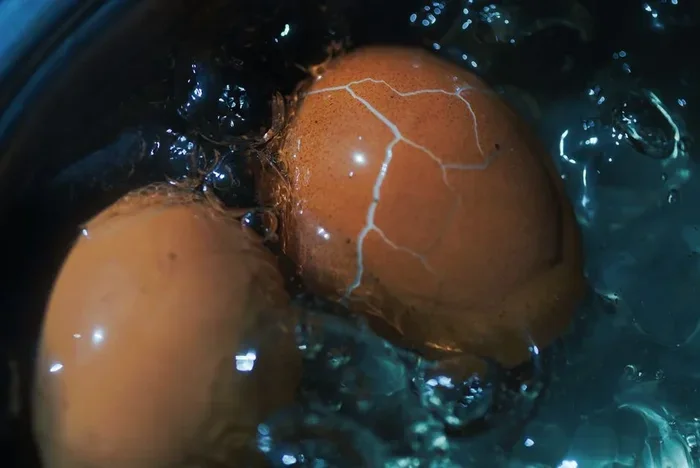
Hard boiling eggs takes 10 to 12 minutes using the boiling water method, but the exact time depends on your egg size and altitude. This guide walks you through every step, from preparation to peeling, so you get perfect hard boiled eggs with bright yellow yolks and no green ring. Whether you use a stovetop, instant pot, or steam method, you will find the right timing and technique here.
Key Takeaways
- 10 to 12 minutes is the standard boiling time for large hard boiled eggs on the stovetop.
- Using an ice bath immediately after cooking makes eggs easier to peel and stops the cooking process.
- Older eggs (7 to 10 days old) peel much easier than fresh eggs when hard boiled.
- The instant pot method takes only 5 minutes at high pressure with a natural release.
- Steaming eggs is a great alternative that produces consistently easy-to-peel results.
- Properly stored hard boiled eggs last up to 7 days in the refrigerator.
- Avoid the green/gray ring around the yolk by not overcooking your eggs.
📑 Table of Contents
- How Long to Hard Boil Eggs The Complete Guide
- The Standard Stovetop Method Timing
- The Instant Pot Method for Hard Boiled Eggs
- Steaming Eggs A Great Alternative
- How to Peel Hard Boiled Eggs Easily
- Storing Hard Boiled Eggs Properly
- Common Mistakes People Make When Boiling Eggs
- What to Do With Hard Boiled Eggs
- Frequently Asked Questions
- Final Thoughts
How Long to Hard Boil Eggs The Complete Guide
There is nothing more frustrating than a hard boiled egg that is rubbery, green-ringed, or impossible to peel. You followed a recipe. You timed it. And yet, the result was disappointing. This happens because most people do not know the exact how long to hard boil eggs timing for their specific situation.
The truth is, the perfect hard boiled egg depends on a few simple factors. Egg size matters. Altitude matters. Even the starting temperature of your water plays a role. But once you understand the basics, you will nail it every single time. This guide gives you clear, tested timing for every method.
Whether you meal prep for the week, make egg salad, or just want a quick protein-packed snack, knowing the right cooking time is everything. We will cover the stovetop method, the instant pot approach, steaming, and more. You will also learn peeling tricks, storage tips, and common mistakes to avoid. Let us get started.
Why Timing Matters So Much
Eggs are deceptively simple. You boil water. You drop eggs in. You wait. But the difference between a perfectly cooked hard boiled egg and an overcooked one is often just one to two minutes. The yolk changes dramatically in that window.
A 10-minute egg has a bright yellow center that is creamy but not dry. A 12-minute egg starts developing that dreaded greenish-gray ring around the yolk. That ring forms when iron in the yolk reacts with sulfur in the white. It is harmless but ugly and slightly sulfurous in taste. By mastering the timing, you avoid this entirely.
The type of boiling eggs you want also changes the time. A soft boiled egg needs only 4 to 6 minutes. A medium boiled egg takes about 8 minutes. But a fully hard boiled egg requires the longest cook time. This guide focuses on hard boiled eggs, which means a fully set white and a completely firm yolk throughout.
The Standard Stovetop Method Timing
The stovetop method is the most common way to boil eggs. It is simple, requires no special equipment, and gives you excellent control. Here is exactly how long to cook your eggs depending on size.
| Egg Size | Boiling Time | Result |
|---|---|---|
| Small | 9 to 10 minutes | Fully set yolk, tender white |
| Medium | 10 to 11 minutes | Firm yolk, fully cooked white |
| Large | 11 to 12 minutes | Perfect hard boiled, no green ring |
| Extra Large | 12 to 13 minutes | Fully cooked through center |
| Jumbo | 13 to 15 minutes | Completely firm yolk |
These times assume you are starting with room temperature water and a rolling boil. If your water is cold when you add the eggs, add an extra minute or two. Also, if you live at a high altitude, water boils at a lower temperature, so you may need to add 1 to 2 extra minutes.
Step by Step Stovetop Instructions
Follow these steps for consistent results every time. This is the method most home cooks and professional chefs recommend.
- Place your eggs in a single layer at the bottom of a saucepan.
- Cover the eggs with cold water by about one inch.
- Bring the water to a full, rolling boil over high heat.
- Once boiling, cover the pot and remove it from the heat.
- Let the eggs sit for 10 to 12 minutes for large eggs.
- Transfer the eggs immediately to an ice bath.
- Let them cool for at least 10 minutes before peeling.
This boiling water method is reliable because the eggs are already in hot water when the timer starts. The heat transfer is immediate and even. You do not need to watch the pot constantly once the water reaches a boil.
The Instant Pot Method for Hard Boiled Eggs
If you own an instant pot, you already have a fantastic tool for making hard boiled eggs. The pressure cooking method is hands-off and produces incredibly easy-to-peel eggs. Many people who struggle with peeling find that the instant pot solves the problem entirely.
For hard boiled eggs in an instant pot, set the pressure to high and cook for 5 minutes. Then let the pressure release naturally for 5 minutes before doing a quick release. The total time from start to finish is about 15 minutes, but the actual cooking is only 5 minutes.
One of the best parts about using an instant pot is consistency. The sealed environment keeps the temperature perfectly even. There is no risk of cracking from dropping eggs into boiling water. And the eggs come out with a smooth, creamy texture that is hard to beat.
If you want to learn more about boiling in an instant pot, check out our detailed guide on how to boil in instant pot for additional tips and recipes.
Steaming Eggs A Great Alternative
Steaming is a method that many egg lovers swear by. Instead of submerging the eggs in water, you steam them above boiling water. This gentle cooking method produces eggs that are incredibly easy to peel. The steam heats the egg evenly without the eggs bouncing around in the pot.
To steam eggs, bring about an inch of water to a boil in a pot. Place a steamer basket or metal colander inside. Add your eggs and cover with a lid. Steam for 13 to 15 minutes for hard boiled eggs. Then transfer them straight to an ice bath.
The steaming method works well because the eggs do not sit directly in water. This means less water seeps under the shell, which is the number one cause of difficult peeling. If you have ever struggled with easy peel eggs, steaming might be your answer.
Steaming vs Boiling Comparison
Both methods produce great hard boiled eggs, but they have some differences worth noting.
- Boiling: Faster, more traditional, slightly more risk of cracking.
- Steaming: Easier to peel, gentler on eggs, requires a steamer basket.
- Instant Pot: Most consistent, hands-off, requires electric pressure cooker.
Choose the method that fits your kitchen setup and preferences. All three produce excellent results when you follow the correct timing.
How to Peel Hard Boiled Eggs Easily
Even perfectly cooked eggs become frustrating if you cannot peel them. The shell should come off in clean pieces, revealing a smooth white underneath. Here are the best tricks for easy peel eggs every time.
Start with Older Eggs
Fresh eggs are great for baking, but they are terrible for hard boiling. The pH of the egg white in a very fresh egg causes it to cling tightly to the shell membrane. Eggs that are 7 to 10 days old have a higher pH, which creates a gap between the white and the shell. This gap makes peeling a breeze.
If you only have fresh eggs, you can still make them easier to peel. Add a teaspoon of baking soda to the boiling water. This raises the pH and helps separate the egg white from the shell. It is a simple trick that works surprisingly well.
The Ice Bath Is Non-Negotiable
Never skip the ice bath. As soon as your eggs are done cooking, transfer them to a bowl of ice water. Let them sit for at least 10 minutes. The cold shock contracts the egg inside the shell, creating a gap that makes peeling much easier.
The ice bath also stops the cooking immediately. This prevents that green ring from forming around the yolk. It keeps your hard boiled eggs looking bright and appetizing.
Peeling Technique
When you are ready to peel, gently crack the egg all over by rolling it on a hard surface. Start peeling from the wide end, where there is usually an air pocket. Slide your thumb under the shell and membrane. The shell should come off in large, clean pieces.
Some people find it helpful to peel the eggs under running water. The water helps lift the shell fragments and membrane away from the white. It also prevents the eggs from sticking to your fingers.
Storing Hard Boiled Eggs Properly
Once you have made a batch of hard boiled eggs, you need to store them correctly to keep them fresh and safe. Proper storage is just as important as proper cooking.
Hard boiled eggs should be stored in the refrigerator within two hours of cooking. Keep them in their shells until you are ready to eat them. The shell acts as a natural barrier that keeps the egg fresh and protects it from absorbing odors from other foods in your fridge.
Stored in their shells, hard boiled eggs last up to 7 days in the refrigerator. Once you peel them, they should be eaten within 2 to 3 days. Store peeled eggs in a sealed container with a damp paper towel to keep them moist.
If you want to learn more about keeping eggs fresh for longer periods, check out our guide on how to store eggs for long term. It covers everything from refrigeration to freezing techniques.
Signs Your Hard Boiled Eggs Have Gone Bad
Trust your senses when checking stored eggs. A bad hard boiled egg will have a strong, unpleasant sulfur smell. The white may become slimy or discolored. If you notice any of these signs, throw the egg away immediately. Do not taste it first.
Always label your container with the date you cooked the eggs. This helps you keep track of freshness and ensures you use them within the safe window. When in doubt, throw it out. Food safety should always come first.
Common Mistakes People Make When Boiling Eggs
Even experienced cooks make mistakes with hard boiled eggs. Here are the most common errors and how to avoid them.
- Using eggs straight from the fridge: Cold eggs cracking in hot water is one of the most common problems. Let your eggs sit at room temperature for 10 to 15 minutes before boiling. This reduces thermal shock and prevents cracking.
- Overcrowding the pot: Eggs need room to move freely. Overcrowding causes them to bump into each other and crack. Use a pot that gives each egg at least an inch of space.
- Not using enough water: The water should cover the eggs by at least one inch. Too little water means the eggs are not fully submerged, leading to uneven cooking.
- Boiling too vigorously: A gentle boil is enough. A violent, rolling boil can cause the eggs to bounce and crack. Once the water reaches a boil, reduce the heat slightly and cover the pot.
- Skipping the ice bath: This is the most common mistake. Without an ice bath, the eggs continue cooking from residual heat. The yolk turns green and the texture becomes rubbery.
- Peeling immediately: Give your eggs time to cool. Peeling them while they are still warm makes the process much harder and often tears the white.
Avoiding these simple mistakes will dramatically improve your results. Most of these fixes take just a few extra seconds but make a huge difference in the final product.
What to Do With Hard Boiled Eggs
Now that you know how to make perfect hard boiled eggs, what do you do with them? The possibilities are endless. Here are some of the most popular and delicious ways to enjoy your eggs.
- Egg salad: Mash the eggs with mayonnaise, mustard, salt, and pepper. Serve on bread, crackers, or lettuce wraps.
- Deviled eggs: Cut the eggs in half, scoop out the yolks, and mix them with mayo, vinegar, and spices. Pipe the filling back in and garnish with paprika.
- Snack on their own: Sprinkle with salt, pepper, and a little olive oil. Simple and satisfying.
- Sliced on salad: Add sliced hard boiled eggs to green salads for extra protein and richness.
- Pickled eggs: Place peeled eggs in a jar with vinegar, spices, and beet juice for a tangy treat.
- Ramens and bowls: Slice hard boiled eggs and place them on top of noodles or rice bowls for a protein boost.
Hard boiled eggs are one of the most versatile ingredients in any kitchen. Once you master the timing, you can incorporate them into meals all week long. They make an excellent grab-and-go breakfast, a protein-rich snack, or a quick addition to any meal.
Frequently Asked Questions
Can I hard boil eggs from the fridge directly?
Yes, you can, but it increases the risk of cracking. Cold eggs hitting hot water expand quickly and the shell may crack. If you do cook them straight from the fridge, add an extra minute to the cooking time and be gentle when placing them in the water. Ideally, let them warm up for 10 to 15 minutes first.
How do I know when a hard boiled egg is done?
The best way to check is by using a timer. For large eggs, 11 to 12 minutes on the stovetop produces perfect results. If you do not have a timer, spin the egg on a flat surface. A hard boiled egg spins smoothly and quickly because the contents are solid. A raw egg wobbles because the liquid inside shifts.
Why is the yolk green around the edges?
The green or gray ring around the yolk is caused by overcooking. When eggs cook too long, the iron in the yolk reacts with the sulfur in the white. This reaction creates ferrous sulfide, which forms that unattractive ring. It is harmless to eat but affects the taste and appearance. Stick to the recommended times to avoid it.
Can I freeze hard boiled eggs?
You should not freeze hard boiled eggs in their shells. The whites become rubbery and watery when frozen. You can freeze cooked egg yolks, though. Just scoop out the yolks, place them in a sealed bag, and freeze for up to 3 months. However, for best quality, eat your hard boiled eggs fresh and store them in the fridge for up to 7 days.
What is the best way to reheat hard boiled eggs?
Hard boiled eggs are best enjoyed cold or at room temperature. If you need to reheat them, place them in hot water for about 5 minutes. Do not microwave them. The microwave creates steam inside the egg, which can cause it to burst. Hot water reheating is gentle and keeps the texture intact.
How many hard boiled eggs can I eat per day?
For most healthy adults, eating 1 to 3 hard boiled eggs per day is perfectly fine. Eggs are an excellent source of protein, healthy fats, and essential nutrients like choline and vitamin B12. If you have specific health conditions, especially related to cholesterol, consult your doctor for personalized advice. For most people, moderate egg consumption is part of a balanced diet.
Final Thoughts
Making perfect hard boiled eggs is easier than you think once you know the right timing and technique. The standard stovetop method takes just 11 to 12 minutes for large eggs. The instant pot cuts that down to 5 minutes of active cooking. And steaming gives you the easiest peeling experience.
The key to success is in the details. Use older eggs when possible. Start with the right water temperature. Follow the exact timing for your egg size. And always use an ice bath. These small steps make a massive difference in the final result.
Now that you have this complete guide, you have everything you need to make perfect hard boiled eggs every single time. Try each method, find your favorite, and make them a regular part of your kitchen routine. Once you taste the difference that proper timing makes, you will never go back to guessing again.



