
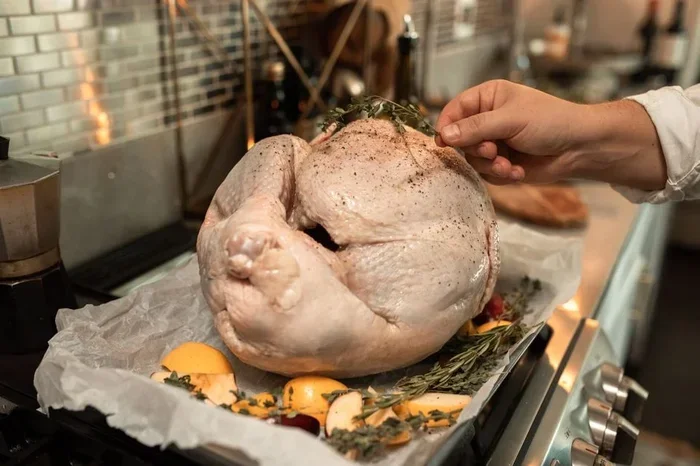
What temperature to cook a turkey in the oven is the most important detail for a juicy, safe roast. The standard oven temperature for turkey is 325°F, which ensures even cooking throughout the bird. Whether you are roasting a whole turkey or a turkey breast, using a meat thermometer and letting the bird rest properly are non-negotiable steps. Follow these guidelines and you will serve a perfectly cooked turkey every time.
What temperature to cook a turkey in the oven comes down to getting the right setting. The ideal oven temperature for turkey is 325°F, which ensures even cooking and juicy meat. Whether you are preparing a holiday turkey for Thanksgiving or a simple roast turkey for dinner, understanding your turkey cooking temperature makes all the difference. This guide covers the exact oven settings, timing, and safety tips to deliver a perfectly cooked turkey every single time.
Roasting a turkey might seem intimidating, but it does not have to be. The key is understanding your oven temperature for turkey and following a few simple steps. Once you know the basics, you can focus on enjoying the process and impressing your guests.
A good turkey recipe starts with the right temperature and a reliable meat thermometer. From there, everything else falls into place. Let us walk through the details so you can roast with confidence.
Key Takeaways
- 325°F is the gold standard: This is the recommended oven temperature for turkey for safe, even cooking.
- Always use a meat thermometer: The internal turkey internal temp must reach 165°F in the thickest part.
- Rest your turkey for 20-30 minutes: This lets juices redistribute for a moist roast turkey.
- Weight determines cooking time: A larger whole turkey takes significantly longer than a small bird.
- Choose the right pan: Use a sturdy roasting pan for best heat circulation and easy cleanup.
- Keep leftovers safe: If serving later, learn how to keep your turkey warm in the oven without drying it out.
📑 Table of Contents
- Finding the Right Temperature to Cook a Turkey in the Oven
- Turkey Cooking Times by Weight
- How to Know When Your Turkey Is Done
- Tips for Crispy Turkey Skin
- Common Mistakes When Cooking Turkey
- Leftovers and Reheating
- Choosing the Right Equipment for Your Turkey Roast
- Expert Insights on Turkey Roasting
- Key Takeaways
- Conclusion
Finding the Right Temperature to Cook a Turkey in the Oven
The turkey cooking temperature you choose affects everything from moisture levels to skin texture. Most cooking authorities agree that 325°F is the safest and most effective oven setting for roasting turkey. This moderate heat allows the bird to cook evenly without drying out the outer layers before the inside is done.
Why 325°F Is the Sweet Spot
At 325°F, the oven-baked turkey cooks at a steady pace. The heat penetrates the meat gradually, giving fats and juices time to render and baste the bird from within. This temperature also minimizes the risk of turkey safety issues because it keeps the poultry temperature in the safe zone without scorching the exterior.
Here is why 325°F works so well:
- Even heat distribution: The moderate temperature prevents hot spots that can burn certain areas of the bird.
- Moisture retention: Slower cooking keeps the meat juicy and tender.
- Crispy skin: The steady heat renders fat beneath the skin, creating that coveted golden crunch.
- Food safety: The bird reaches the safe poultry temperature of 165°F without lingering in the danger zone too long.
Alternative Oven Settings
Some cooks prefer a higher temperature for a shorter cook time. Setting your oven to 350°F or even 375°F can speed things up. However, higher oven settings require more attention. The risk of drying out the meat increases, and you may need to tent the bird with foil partway through.
If you choose a higher temperature, monitor the turkey internal temp closely. A turkey timer or alarm can help you stay on track. For beginners, sticking with 325°F is the smartest turkey recipe approach.
Turkey Cooking Times by Weight
Once you know the right oven temperature for turkey, the next question is how long to cook it. Cooking time depends heavily on the weight of the bird and whether it is stuffed or unstuffed. Use the table below as a general guide, but always rely on your meat thermometer for accuracy.
| Turkey Weight | Unstuffed Cook Time | Stuffled Cook Time | Target Internal Temp |
|---|---|---|---|
| 8-12 lbs | 2.75-3 hours | 3-3.5 hours | 165°F |
| 12-14 lbs | 3-3.75 hours | 3.5-4 hours | 165°F |
| 14-18 lbs | 3.75-4.25 hours | 4-4.5 hours | 165°F |
| 18-20 lbs | 4.25-4.5 hours | 4.5-5 hours | 165°F |
| 20-24 lbs | 4.5-5 hours | 5-5.5 hours | 165°F |
These times are approximate. The only way to confirm your turkey done status is with a probe thermometer inserted into the thickest part of the thigh, avoiding bone.
Unstuffed Turkey Timeline
An unstuffed whole turkey cooks more evenly and typically faster than a stuffed one. The cavity allows heat to circulate freely around the meat. For an unstuffed bird, plan on about 13 minutes per pound at 325°F. This is a good baseline for most oven-baked turkey recipes.
Stuffed Turkey Timeline
A stuffed turkey adds about 30 to 45 minutes to the total cook time. The stuffing temperature must also reach 165°F to be safe. If you stuff your bird, pack the cavity loosely and check the stuffing temperature near the end of cooking. A turkey breast temperature of 165°F is equally important for stuffed birds.
Quick Tips for Timing
- Start early: A large holiday turkey can take over 5 hours. Plan your oven time accordingly.
- Account for resting: The bird continues cooking after you remove it from the oven. Factor in 20-30 minutes of rest time.
- Use a turkey timer: Set multiple alarms to check the temperature at different stages.
How to Know When Your Turkey Is Done
The visual appearance of a cooked turkey can be misleading. The skin may look golden brown while the interior is still undercooked. This is why a meat thermometer is the single most important tool for roasting turkey.
Using a Meat Thermometer
Insert a digital probe thermometer into the thickest part of the thigh, making sure it does not touch the bone. The turkey internal temp should read 165°F. Also check the thickest part of the turkey breast and the center of any stuffing. All three areas must reach 165°F for turkey safety.
Pro tip: Remove the turkey from the oven when the thigh reaches 160°F. The temperature will rise by about 5 degrees during resting. This prevents overcooking and keeps the meat juicy.
Visual and Touch Tests
While a thermometer is the gold standard, you can also use visual cues. The juices should run clear when you pierce the thickest part of the thigh. The legs should wiggle loosely in their sockets. However, these methods are less reliable than a meat thermometer and should only serve as supplementary checks.
Tips for Crispy Turkey Skin
Everyone loves a crispy turkey skin on their roast turkey. Getting that perfect golden-brown finish requires a few simple techniques. The oven temperature for turkey plays a role, but prep work matters just as much.
Drying the Skin Before Cooking
The single best trick for crispy skin is to pat the turkey completely dry with paper towels before seasoning. You can also leave the bird uncovered in the refrigerator overnight. This dries the surface and helps the skin crisp up during roasting. Moisture is the enemy of crunch.
Basting Techniques
Basting adds flavor and promotes even browning. Brush the bird with melted butter or pan drippings every 45 minutes. Avoid opening the oven door too frequently, as this drops the oven settings temperature and extends cook time. Use the oven light to check on your bird instead.
If you want extra-crispy skin, try rubbing the outside with a thin layer of oil or melted butter before roasting. This helps the skin render and brown evenly at the standard turkey cooking temperature of 325°F.
Common Mistakes When Cooking Turkey
Even experienced cooks make errors when roasting a whole turkey. Avoid these common pitfalls to ensure your bird turns out perfectly.
- Skipping the thermometer: Guessing doneness leads to either undercooked or overcooked meat. Always use a meat thermometer.
- Cooking at too high a temperature: Cranking the heat to 400°F or higher may brown the skin faster, but it dries out the meat before the inside is done.
- Not letting the turkey rest: Cutting into the bird immediately after removing it from the oven releases all the juices onto the cutting board. Let it rest for at least 20 minutes.
- Overstuffing the cavity: Too much stuffing blocks heat circulation and increases the risk of undercooked filling.
- Forgetting to bring the turkey to room temperature: A cold bird straight from the fridge cooks unevenly. Let it sit out for 30 minutes before roasting.
Expert insight: The most common mistake is rushing the process. Low and slow at 325°F gives you the best results for a holiday turkey or any roast turkey. Patience pays off.
Leftovers and Reheating
After your cooked turkey is carved and enjoyed, you will likely have leftovers. Storing and reheating them properly preserves flavor and turkey safety. Store leftover turkey in an airtight container in the refrigerator within two hours of cooking. It keeps well for up to four days.
When you are ready to enjoy leftovers, reheating in the oven is the best method. Place the turkey pieces in a baking dish, add a splash of broth to keep them moist, and cover with foil. Warm at 325°F until the turkey internal temp reaches 165°F. You can also reheat in the oven using a similar gentle approach for other proteins.
If you are serving the turkey later in the day, you may wonder how to keep it warm without overcooking. The best approach is to keep your turkey warm in the oven at a low temperature of around 200°F. This holds the bird at a safe serving temperature without drying it out. Wrap the turkey in foil to retain moisture.
For the best turkey recipe results with leftovers, consider turning yesterday’s roast into new meals. Turkey sandwiches, soups, and casseroles all work beautifully with properly stored and reheated meat.
Choosing the Right Equipment for Your Turkey Roast
The tools you use matter just as much as the turkey cooking temperature. A heavy-duty roasting pan distributes heat evenly and prevents hot spots. If you are unsure which pan works best, check out this guide on the best pan to cook turkey in oven for recommendations and comparisons.
A V-rack or roasting rack elevates the bird, allowing hot air to circulate underneath. This promotes even browning and prevents the bottom from becoming soggy. For larger birds, consider a sturdy stainless steel pan with a wire rack. For smaller turkeys or turkey breasts, a glass baking dish works well too.
Other helpful tools include:
- Instant-read thermometer: Fast and accurate for checking doneness.
- Roasting pan with lid: Traps moisture for a juicier result.
- Aluminum foil: For tenting the bird if the skin browns too quickly.
- Basting brush: For applying butter or drippings during cooking.
Expert Insights on Turkey Roasting
Professional chefs agree that the oven temperature for turkey is only one piece of the puzzle. Proper preparation, resting time, and carving technique all contribute to a memorable meal. Here are a few expert-level insights to elevate your roast turkey game.
Brining makes a difference: Soaking the turkey in a saltwater solution for 12 to 24 hours before roasting adds moisture and flavor. This is especially helpful for leaner birds or breast-only roasts. Even a quick dry brine with salt and herbs improves the skin texture significantly.
Separate the dark and white meat: If you are cooking a turkey breast separately from the legs, remove the breast earlier since it cooks faster. The turkey breast temperature of 165°F is reached sooner than the thigh, which benefits from a slightly higher internal temp of 175°F for optimal tenderness.
Let the bird come to room temperature: Taking the turkey out of the refrigerator 30 to 60 minutes before roasting ensures more even cooking. A cold center means the exterior can overcook while waiting for the inside to reach turkey safety standards.
Do not skip the resting period: After removing the cooked turkey from the oven, let it rest for 20 to 30 minutes under a loose tent of foil. The juices redistribute throughout the meat, making every slice moist and flavorful. Cutting too early is the fastest way to lose all that hard-earned moisture.
Key Takeaways
- 325°F is the standard: This is the recommended oven temperature for turkey for safe, even cooking.
- Use a meat thermometer: The internal temperature should reach 165°F in the thickest part of the thigh and breast.
- Rest your turkey: Let it rest for 20-30 minutes after cooking for juicier results.
- Weight matters: Cooking time depends on the size of your bird, whether stuffed or unstuffed.
- Choose the right pan: Use a sturdy roasting pan with a rack for best results.
- Keep it warm safely: If serving later, learn how to keep your turkey warm in the oven without drying it out.
Conclusion
Mastering the oven temperature for turkey transforms a potentially stressful meal into a confident, enjoyable experience. The answer to what temperature to cook a turkey in the oven is straightforward: 325°F for a whole bird, with a target internal temperature of 165°F. Combine this knowledge with proper timing, a reliable thermometer, and a good rest period, and you will serve a perfectly cooked turkey every time.
Remember that every roast turkey is slightly different. The weight of the bird, whether it is stuffed, and your specific oven can all affect results. Trust your thermometer over the clock, and never rush the resting phase. With practice, roasting turkey becomes second nature, and you will be the go-to cook for every holiday gathering and family dinner.
Now that you know the right turkey cooking temperature and techniques, it is time to put them into action. Grab your meat thermometer, preheat that oven to 325°F, and enjoy the process of creating a memorable meal. Your holiday turkey or weeknight roast turkey will thank you for it.
Frequently Asked Questions
What is the best temperature to cook a whole turkey in the oven?
The best oven temperature for turkey is 325°F. This moderate heat cooks the bird evenly and safely, reaching a poultry temperature of 165°F without drying out the meat. For a holiday turkey or any whole turkey, 325°F remains the gold standard recommended by food safety experts.
How long does it take to cook a turkey at 325°F?
Cooking time depends on the weight of the bird. A general rule is about 13 minutes per pound for an unstuffed turkey. An 8 to 12-pound bird takes roughly 2.75 to 3 hours, while a 20 to 24-pound bird may need 4.5 to 5 hours. Always use a meat thermometer to confirm doneness rather than relying solely on the clock.
Can you cook a turkey at 350°F instead of 325°F?
Yes, you can cook a turkey roast at 350°F. It will cook slightly faster, but the higher temperature increases the risk of drying out the outer meat before the interior is done. If you use 350°F, monitor the turkey internal temp closely and consider tenting the bird with foil if the skin browns too quickly.
What should the internal temperature of a cooked turkey be?
The turkey internal temp must reach 165°F in the thickest part of the thigh, the thickest part of the breast, and the center of any stuffing. Use a digital probe thermometer for the most accurate readings. Remove the turkey from the oven when the thigh reaches 160°F, as the temperature will rise during resting.
How do you keep a turkey warm after cooking?
To keep your turkey warm in the oven, set the temperature to around 200°F and wrap the bird loosely in foil. This holds the turkey at a safe serving temperature without overcooking it. Alternatively, you can serve the turkey within 30 minutes of removing it from the oven, as the resting period keeps it warm naturally.
Is it safe to cook a stuffed turkey?
Yes, cooking a stuffed turkey is safe as long as the stuffing temperature reaches 165°F and the turkey breast temperature and thigh temperature both hit 165°F. Stuff the cavity loosely to allow heat to circulate, and check the stuffing temperature near the end of cooking. Some cooks prefer to cook stuffing separately for added turkey safety and more even cooking.



