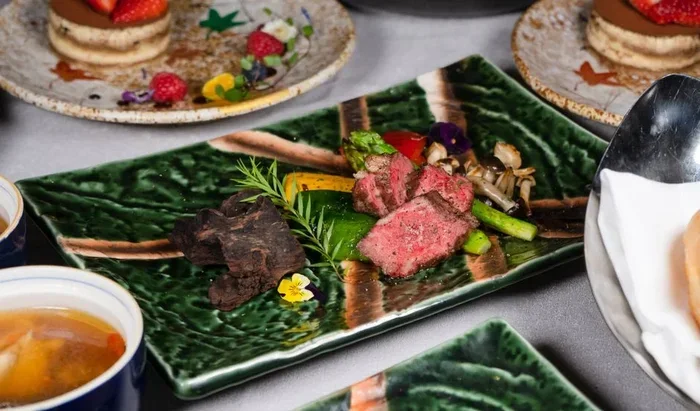
Learning how to cook chateaubriand in the oven is easier than you think. This guide walks you through every step, from choosing the right beef tenderloin to achieving a perfect medium-rare finish. You will discover the ideal oven temperature, cooking times, and pro tips that guarantee restaurant-quality results at home.
Cooking chateaubriand in the oven might sound intimidating, but it really is not that hard. This classic French dish has been a favorite for generations. It centers on a thick, juicy center-cut beef tenderloin that gets roasted to perfection. Whether you are a beginner or a seasoned home cook, this guide will help you nail it every single time.
The beauty of chateaubriand lies in its simplicity. You need a great piece of beef, a hot oven, and a little patience. That is it. No fancy equipment. No hard-to-find ingredients. Just good beef and solid technique. By the end of this article, you will feel confident enough to make this impressive roast for a dinner party or a special weeknight meal.
We will cover everything from picking the right cut of beef tenderloin to serving it with the perfect chateaubriand sauce. You will learn the exact oven temperature for beef, how long to cook it, and the mistakes most people make. Let us get started.
Key Takeaways
- Choose the right cut: A center-cut beef tenderloin is essential for the best chateaubriand.
- Sear first, then roast: Searing locks in juices before the oven does the work.
- Use a kitchen thermometer: This is the single most important tool for perfect doneness.
- Rest the meat: Letting chateaubriand rest after cooking keeps it juicy and tender.
- Pair wisely: Classic sides like roasted vegetables and red wine sauce elevate the dish.
- Adjust for thickness: Cooking time varies based on the size of your beef tenderloin roast.
📑 Table of Contents
- What Is Chateaubriand and Why Is It Special?
- Choosing the Right Beef Tenderloin
- Preparing Your Chateaubriand for the Oven
- How to Cook Chateaubriand in the Oven: Step by Step
- Making the Classic Chateaubriand Sauce
- Common Mistakes to Avoid
- Serving Suggestions and Pairings
- Expert Tips for the Perfect Chateaubriand
- Storing and Reheating Leftovers
- Conclusion
What Is Chateaubriand and Why Is It Special?
Chateaubriand is a classic French dish made from a thick center-cut slice of beef tenderloin. The name comes from a French writer, François-René de Chateaubriand, who popularized this way of preparing beef in the early 1800s. Traditionally, it was served with a rich chateaubriand sauce made from shallots, mushrooms, and red wine.
What makes this dish special is the cut of meat. Unlike a regular beef roast, chateaubriand comes from the thick, center portion of the tenderloin. This part is naturally tender and lean. It cooks evenly and stays juicy when handled correctly. The result is a melt-in-your-mouth oven-roasted beef experience that is hard to beat.
Why Cook Chateaubriand in the Oven?
You might wonder why oven roasting is the go-to method. The answer is control. An oven provides consistent, even heat around the entire roast. This means no hot spots and no uneven cooking. When you roast beef in oven, you can set the temperature and walk away. The oven does the work while you prepare sides and set the table.
Compared to grilling or pan-searing alone, oven roasting gives you more precision. You get a beautiful crust from searing, and then the oven gently finishes the cook. This two-step approach is the secret to perfect medium-rare chateaubriand every time.
Choosing the Right Beef Tenderloin
The success of your chateaubriand recipe starts at the butcher counter. Choosing the right piece of meat makes all the difference. Not all beef tenderloins are created equal, so here is what to look for.
What Cut to Buy
Always ask for a center-cut beef tenderloin. This is the thick, uniform portion from the middle of the tenderloin. It is the part that cooks evenly and looks beautiful when sliced. Avoid the thinner ends, as they can overcook quickly.
A good chateaubriand beef tenderloin should be at least 3 inches thick and about 1 to 2 pounds. The thicker the better, because it gives you more room for error. Look for bright red meat with a fine grain. The fat should be minimal but present.
Fresh vs. Pre-Cut
You have two options when buying. You can ask your butcher to cut a chateaubriand portion from a whole tenderloin. This is the best option because you get a custom cut. Alternatively, some grocery stores sell pre-cut chateaubriand steaks. These work fine too, but check the thickness. Anything under 2 inches will cook too fast and dry out easily.
Preparing Your Chateaubriand for the Oven
Proper preparation is the step most people skip. But trust me, taking a few extra minutes here makes a huge difference. This is where you build flavor and set up the meat for success.
Step 1: Bring the Meat to Room Temperature
Take your beef tenderloin out of the fridge about 1 hour before cooking. Let it sit on the counter. This is a crucial step for beef cooking because cold meat going into a hot oven cooks unevenly. The outside will burn before the inside is done. Room temperature meat roasts more evenly and reduces beef cooking time.
Step 2: Season Generously
Keep it simple. Salt and pepper work beautifully. Use coarse kosher salt and freshly cracked black pepper. Pat the meat dry with paper towels first. Dry meat sears better, which means a better crust. You can also add garlic powder or a touch of smoked paprika for extra depth.
Step 3: Sear the Outside
Searing is not optional. It is essential. Heat a cast-iron skillet over high heat with a little oil. Sear the beef on all sides until you get a deep brown crust. This should take about 2 to 3 minutes per side. Searing creates the Maillard reaction, which gives roasted beef its incredible flavor and aroma.
After searing, transfer the meat to a cutting board and let it rest for a few minutes. This is also a great time to preheat your oven.
How to Cook Chateaubriand in the Oven: Step by Step
Now for the main event. Here is exactly how to cook chateaubriand in the oven for perfect results every time.
Step 1: Preheat the Oven
Set your oven to 400°F (200°C). This is the sweet spot for oven-baked chateaubriand. It is hot enough to create a good crust but not so hot that the outside burns before the inside is done. If you have a convection setting, use it. It circulates hot air for more even cooking.
Step 2: Place the Beef on a Rack
Use a roasting pan with a wire rack. This is important. A rack allows hot air to flow around the meat, so the bottom does not steam and get soggy. If you do not have a rack, you can use a vegetable bed. Sliced onions, carrots, and celery work great. They lift the meat and add flavor.
Step 3: Insert a Kitchen Thermometer
This is the most important tool in the entire process. A kitchen thermometer takes the guesswork out of cooking beef. Insert it into the thickest part of the tenderloin, making sure it does not touch the bone or the pan. You want an accurate reading of the internal temperature.
Step 4: Roast Until Perfect
Place the pan in the oven and roast. The general beef cooking time for a chateaubriand at 400°F is about 20 to 25 minutes for medium-rare. However, this depends on the thickness of your cut. Use the thermometer to check the internal temperature.
Here is a quick reference for doneness:
- Rare: 120°F internal temperature
- Medium-Rare: 130°F to 135°F (the sweet spot for chateaubriand)
- Medium: 140°F to 145°F
- Well-Done: 155°F and above (not recommended for this cut)
Remember that the temperature will rise about 5 degrees after you pull the meat out. This is called carryover cooking. So pull it a few degrees early.
Step 5: Let the Meat Rest
Once your chateaubriand beef reaches the target temperature, pull it out of the oven. Tent it loosely with aluminum foil and let it rest for at least 10 minutes. This step is non-negotiable. Resting allows the juices to redistribute throughout the meat. Skip this, and you will end up with dry beef.
If you want to keep the meat warm while resting, you can place it in a low oven (around 200°F). This is a great trick for keeping ribs warm in the oven too, by the way. The low heat holds the temperature without overcooking.
Making the Classic Chateaubriand Sauce
A traditional chateaubriand is never served without its signature sauce. The sauce is rich, savory, and pairs beautifully with the tender beef. You can make it while the meat rests, so everything comes together at the same time.
Ingredients You Will Need
- 2 tablespoons butter
- 2 shallots, minced
- 1 cup sliced mushrooms
- 1/2 cup red wine
- 1 cup beef broth
- 1 tablespoon fresh thyme
- Salt and pepper to taste
How to Make It
- Melt butter in a saucepan over medium heat.
- Add shallots and cook until soft, about 3 minutes.
- Toss in the mushrooms and cook for another 4 minutes.
- Pour in the red wine and let it reduce by half.
- Add beef broth and thyme. Simmer for 10 minutes.
- Season with salt and pepper. Strain if you prefer a smooth sauce.
This chateaubriand sauce is rich enough to complement the beef without overpowering it. You can also serve a simple red wine jus on the side if you prefer something lighter.
Common Mistakes to Avoid
Even experienced cooks make mistakes with oven-baked chateaubriand. Here are the ones to watch out for.
Skipping the Sear
Some people go straight from seasoning to the oven. Do not do this. Searing adds flavor and creates a beautiful crust. Without it, your roast will taste flat. If you are short on time, you can sear the meat under a broiler, similar to how you would broil a hamburger in oven, but a skillet sear is always better.
Overcooking the Meat
This is the number one mistake. Beef tenderloin is lean and does not have much fat to protect it. Overcooking turns it dry and tough. Always use a kitchen thermometer. Do not rely on time alone. Every oven is different, and every cut of meat varies in thickness.
Not Letting the Meat Rest
Cutting into chateaubriand right after it comes out of the oven is tempting. Resist that urge. The juices need time to settle. Cutting too early releases all those flavorful juices onto the cutting board instead of staying in the meat.
Using the Wrong Oven Temperature
Too high and the outside burns. Too low and the inside stays raw. 400°F is the ideal beef oven temperature for this cut. If you are unsure, use an oven thermometer to verify your oven’s actual temperature. Many home ovens run hot or cold.
Choosing the Wrong Cut
Not all beef tenderloin is suitable for chateaubriand. The thin end pieces will overcook. Always go for the center-cut. It is thicker, more uniform, and cooks evenly. If you are buying from a butcher, just ask for the center portion of the tenderloin.
Serving Suggestions and Pairings
Chateaubriand is a showstopper dish. The way you serve it can make the experience even more memorable. Here are some great ideas.
Best Side Dishes
- Roasted root vegetables: Carrots, parsnips, and potatoes roasted at 400°F alongside the beef.
- Creamy mashed potatoes: A classic pairing that never disappoints.
- Garlic green beans: A light, fresh contrast to the rich beef.
- Crispy bread: If you have extra time, try how to crisp bread in oven for a perfect accompaniment.
Wine Pairings
A bold red wine is the traditional choice. Look for a Cabernet Sauvignon, Bordeaux, or Malbec. These wines have enough body to stand up to the rich flavor of the beef. If you prefer white, a full-bodied Chardonnay works well too.
Plating Tips
Slice the chateaubriand against the grain into thick medallions. Each slice should be about 1/2 inch thick. Fan the slices on a warm plate and spoon the sauce over the top or serve it on the side. Garnish with fresh thyme or a sprinkle of flaky salt for a restaurant-quality presentation.
Expert Tips for the Perfect Chateaubriand
Here are some extra tips from experienced cooks that will take your chateaubriand recipe to the next level.
- Dry brine the night before. Salt the beef and leave it uncovered in the fridge overnight. This draws out moisture, which gets reabsorbed, seasoning the meat deeply and creating a better crust.
- Use a meat probe thermometer. Wireless probe thermometers let you monitor the temperature without opening the oven door. This keeps the heat consistent.
- Let the skillet heat up. When searing, the pan needs to be ripping hot. Wait until the oil just starts to smoke before adding the meat.
- Do not crowd the pan. If you are searing multiple pieces, do it in batches. Crowding drops the pan temperature and leads to steaming instead of searing.
- Experiment with herbs. Rosemary, sage, and tarragon all pair wonderfully with beef tenderloin. Try adding them to your sear or to the sauce.
Storing and Reheating Leftovers
Got leftovers? Good news. Chateaubriand reheats well if you do it right. Store the sliced meat in an airtight container in the fridge for up to 3 days. To reheat, wrap the slices in foil and warm them in a low oven at 275°F for about 10 to 15 minutes. This gentle approach keeps the meat from drying out.
You can also reheat individual slices in a hot skillet with a little butter. This gives you a fresh sear on the outside while warming the inside evenly. Just like how to reheat rice in rice cooker, low and slow is the key to reheating beef without ruining the texture.
Conclusion
How to cook chateaubriand in the oven is a skill that will impress everyone at your table. From selecting the perfect center-cut beef tenderloin to nailing the sear and roast, this guide has given you everything you need. Remember to use a kitchen thermometer, let the meat rest, and pair it with a rich sauce and great sides.
The beauty of this dish is that it looks fancy but is actually quite simple. Once you make it a couple of times, the process becomes second nature. You will find yourself making oven-roasted beef chateaubriand for holidays, date nights, and celebrations. So go ahead, give it a try. Your kitchen will thank you, and your guests will be blown away.
Frequently Asked Questions
What temperature should I cook chateaubriand in the oven?
Preheat your oven to 400°F (200°C) for the best results. This temperature creates a perfect balance between a nice crust on the outside and a juicy, medium-rare center. Always use a kitchen thermometer to check the internal temperature, aiming for 130°F to 135°F for medium-rare.
How long does it take to cook chateaubriand in the oven?
A typical chateaubriand roast takes about 20 to 25 minutes at 400°F for medium-rare doneness. The exact time depends on the thickness of your cut. Always rely on internal temperature rather than time alone, as every oven and every piece of meat is different.
Can I use a different cut of beef for chateaubriand?
The traditional chateaubriand is made from the center-cut of the beef tenderloin. You can technically use other cuts, but the texture and cooking time will be different. For the best results, stick with beef tenderloin. It is naturally tender and cooks evenly in the oven.
Do I need to sear the chateaubriand before putting it in the oven?
Yes, searing is highly recommended. It adds flavor through the Maillard reaction and creates a beautiful brown crust. Heat a skillet with oil over high heat and sear each side for 2 to 3 minutes before transferring the meat to the oven.
What is the best way to rest chateaubriand after cooking?
Remove the meat from the oven and tent it loosely with aluminum foil. Let it rest for at least 10 minutes at room temperature. This allows the juices to redistribute throughout the meat, making every slice moist and flavorful. Do not skip this step.
Can I make chateaubriand sauce without red wine?
Yes, you can substitute red wine with beef broth or a mix of balsamic vinegar and broth. The wine adds depth and acidity, but the sauce will still be delicious without it. Simply adjust the seasoning and simmer until the liquid reduces and thickens.