Knowing the right pork tenderloin temperature is the single most important factor in cooking a moist, flavorful, and safe pork tenderloin. This guide covers the ideal internal temp, cooking times, and proven tips so you never overcook your pork again. We break down temperatures by method, share a handy temp chart, and highlight the most common mistakes home cooks make.
Pork tenderloin is one of the most popular cuts in the kitchen. It is lean, tender, and cooks fast. But it also has a big weakness. It dries out very easily. The key to nailing it every single time comes down to one thing. Pork tenderloin temperature. Whether you are roasting it in the oven, grilling it outside, or cooking it in a skillet, getting the internal temp right makes all the difference between a tough, dry piece of meat and a juicy, flavorful masterpiece.
In this guide, we walk you through everything you need to know about pork tenderloin temperature. You will learn the safe internal temp, how long to cook it, what tools to use, and how to avoid the mistakes that ruin a perfectly good cut of meat. We also share tips that even experienced home cooks use to get consistent results. Let us get into it.
Key Takeaways
- Safe Internal Temperature: Cook pork tenderloin to 145°F for safe, juicy results according to USDA guidelines.
- Resting Matters: Always let your pork tenderloin rest for 3-5 minutes after cooking to lock in juices.
- Use a Meat Thermometer: A digital instant-read thermometer is the best tool to check pork tenderloin temperature accurately.
- Overcooking Is the #1 Mistake: Pork tenderloin dries out fast, so pulling it off heat at 140-142°F gives you carryover cooking to 145°F.
- Method Affects Time: Oven, grill, and stovetop methods each have different temperature and timing profiles for perfect results.
- Brining Helps Juiciness: A simple salt brine keeps pork tenderloin moist even if you are still learning your timing.
📑 Table of Contents
- Why Pork Tenderloin Temperature Matters So Much
- The Ideal Pork Tenderloin Temperature for Every Method
- Pork Tenderloin Temperature Chart and Timing Guide
- Tools You Need to Check Pork Tenderloin Temperature
- Common Pork Tenderloin Mistakes and How to Avoid Them
- Pro Tips for Perfect Pork Tenderloin Every Time
- The Science Behind Pork Tenderloin Temperature
- How to Tell If Pork Tenderloin Is Done Without a Thermometer
- Conclusion
Why Pork Tenderloin Temperature Matters So Much
Pork tenderloin is a very lean cut of meat. It has very little fat compared to other pork cuts like ribs or shoulder. Fat keeps meat moist during cooking. Without much fat, pork tenderloin relies entirely on proper cooking technique. If you cook it too long or at too high a temperature, the moisture escapes fast. The result is a dry, chalky texture that nobody enjoys.
But temperature is not just about moisture. It is also about food safety. The USDA has specific guidelines for the safe internal temperature of pork. Cooking to the right temperature kills harmful bacteria without drying out the meat. Understanding this balance is the foundation of great pork cooking.
If you love experimenting with different pork recipes, you might also enjoy exploring boneless pork chop recipes that use similar temperature principles for juicy results.
The USDA Safe Temperature for Pork
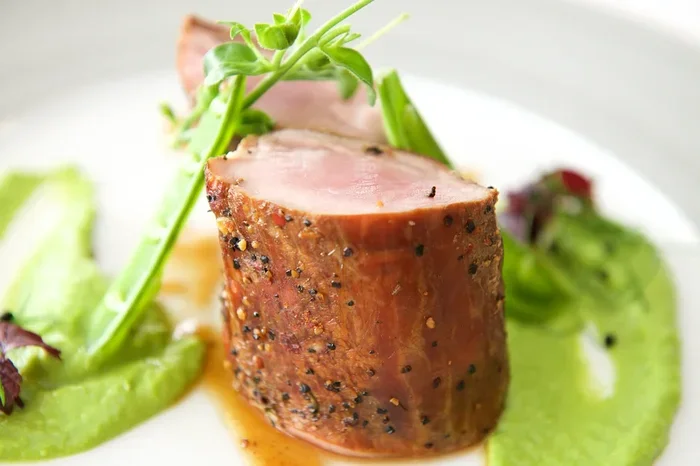
The USDA updated its pork cooking guidelines in 2011. The safe internal temperature for whole cuts of pork is now 145°F. This is a three-degree drop from the old recommendation of 160°F. The change was made because modern pork is much leaner than it used to be. At 145°F, pork is safe to eat and still has a slight pink center. That pink color is perfectly fine and actually a sign of a juicy, properly cooked tenderloin.
Here is a quick breakdown of what the temperatures mean:
- 145°F: Safe for consumption. Slight pink center. Juicy and tender.
- 150-155°F: Medium. Very slight pink. Still good but starting to lose moisture.
- 160°F and above: Well done. Very dry. Not recommended for tenderloin.
The sweet spot for pork tenderloin is right at 145°F. This is where you get the best balance of safety, juiciness, and flavor.
The Ideal Pork Tenderloin Temperature for Every Method
Different cooking methods require slightly different approaches to temperature. An oven roast, a grill session, and a stovetop sear all behave differently. Understanding how each method affects your pork tenderloin temperature helps you plan better and get consistent results.
Oven Roasted Pork Tenderloin
Roasting pork tenderloin in the oven is the most common method. It is simple and reliable. Here is what you need to know about oven temperatures.
- Preheat your oven to 400°F. This high heat creates a nice sear on the outside while cooking the inside evenly.
- Cook for 20-25 minutes. A typical tenderloin is about 1 to 1.5 pounds. This size cooks through in roughly 20 to 25 minutes.
- Target internal temp of 140°F before resting. Pull the tenderloin out at 140°F. The temperature will rise 5 degrees during resting, bringing it to the perfect 145°F.
- Use a meat thermometer. Insert it into the thickest part of the tenderloin. Avoid touching the bone or the pan.
If you want a deeper flavor, try searing the tenderloin in a hot skillet before transferring it to the oven. This adds a beautiful crust that locks in juices.
Grilled Pork Tenderloin
Grilling pork tenderloin adds a smoky char that is hard to beat. But grilling requires more attention to temperature because of the open flame.
- Preheat the grill to medium-high, around 400-450°F.
- Sear over direct heat for 2-3 minutes per side. This builds a flavorful crust.
- Move to indirect heat to finish cooking. Close the lid and cook until the internal temp reaches 140°F.
- Total grill time is usually 12-18 minutes.
- Always rest for 3-5 minutes before slicing.
Grilling can be tricky because hot spots cause uneven cooking. Rotate the tenderloin regularly and keep a close eye on the thermometer. If you enjoy grilled pork, you may also like trying fast fry pork chop recipes for weeknight dinners that are just as fast and flavorful.
Pan-Seared Pork Tenderloin
Pan-searing is the fastest method. It works great for smaller tenderloins or when you need dinner on the table quickly.
- Heat a skillet over medium-high heat with a little oil.
- Sear the tenderloin for 2-3 minutes per side.
- Reduce heat to medium and continue cooking for 5-8 minutes.
- Check the internal temp frequently. Pull at 140°F.
Pan-searing gives you great control. You can adjust the heat as needed and monitor the temperature closely. This method is perfect for beginners who want to build confidence with pork tenderloin.
Pork Tenderloin Temperature Chart and Timing Guide
A temperature chart takes the guesswork out of cooking pork tenderloin. Here is a simple reference you can use every time.
| Cooking Method | Oven/Heat Temp | Approx. Cook Time | Pull Temp | Final Temp After Rest |
|---|---|---|---|---|
| Oven Roast | 400°F | 20-25 min | 140°F | 145°F |
| Grill (Indirect) | 400-450°F | 12-18 min | 140°F | 145°F |
| Pan Sear | Medium-High | 10-15 min | 140°F | 145°F |
| Sous Vide | 135°F (water) | 1-2 hours | 135°F | 135°F (sear after) |
These times are for a tenderloin that is about 1 to 1.5 pounds thick. Larger tenderloins will need more time. Always rely on your thermometer rather than the clock. Every oven, grill, and stove is different. The thermometer is your best friend in the kitchen.
For high-protein meal ideas that work well with pork, check out high protein pork chop recipes for dinner to round out your weekly meal planning.
Tools You Need to Check Pork Tenderloin Temperature
You do not need fancy equipment to check pork tenderloin temperature. But you do need the right tools. Here is what works best.
Instant-Read Digital Thermometer
This is the single best tool for checking pork temperature. It gives you a reading in about 2-3 seconds. Insert the probe into the thickest part of the meat. Avoid the center if the tenderloin is still cooking. You want the reading from the area that takes the longest to heat through.
Dial Thermometer
A dial thermometer is slower but still effective. It takes about 15-20 seconds to give a reading. These are cheaper and work fine for roasting. They are not as fast as digital versions, but they get the job done.
Leave-In Probe Thermometer
Leave-in probes are great for oven roasting and grilling. You insert the probe before cooking and monitor the temperature as it rises. Some models connect to your phone and send alerts when the meat reaches your target temp. This takes the guesswork out completely.
No matter which tool you use, always calibrate it before cooking. Ice water should read 32°F. Boiling water should read 212°F. If your thermometer is off, your pork tenderloin temperature readings will be wrong too.
Common Pork Tenderloin Mistakes and How to Avoid Them
Even experienced cooks make mistakes with pork tenderloin. Here are the most common ones and how to fix them.
Cooking Without a Thermometer
This is the number one mistake people make. Relying on time alone is unreliable. Every cut of meat is different. The thickness, the starting temperature, and the cooking equipment all affect how long it takes. A thermometer removes all the guesswork and takes the stress out of cooking pork tenderloin.
Skipping the Rest
Resting is not optional. When you pull pork tenderloin off the heat, the juices are still moving around inside. If you cut into it right away, those juices run out onto the cutting board. The meat dries out. Let it rest for 3-5 minutes. The temperature will rise by 5 degrees, and the juices will redistribute evenly. The result is a much more tender and juicy pork tenderloin.
Overcooking by Just a Few Degrees
Pork tenderloin goes from perfect to dry very quickly. A difference of just 5-10 degrees matters a lot. This is why pulling at 140°F and letting carryover cooking bring it to 145°F is so important. If you wait until the thermometer reads 145°F while the meat is still on the heat, you have already overshot the mark.
Not Letting the Meat Come to Room Temperature
Take your pork tenderloin out of the fridge 20-30 minutes before cooking. A cold center cooks unevenly. The outside can be overdone while the inside is still too cold. Bringing the meat closer to room temperature helps it cook more evenly throughout.
For creative ways to use leftover pork, explore leftover pork chop recipe ideas that turn extra meat into delicious next-day meals.
Pro Tips for Perfect Pork Tenderloin Every Time
Here are some expert-level tips that separate good pork tenderloin from great pork tenderloin. These are simple adjustments that make a big difference.
- Brine it for extra juiciness. A simple saltwater brine of 1 tablespoon salt per cup of water works wonders. Soak the tenderloin for 30 minutes to 2 hours before cooking. This helps the meat retain moisture during cooking.
- Score the fat cap. If your tenderloin has a fat cap, score it with shallow cuts. This helps the fat render and adds flavor to the meat.
- Season generously. Pork tenderloin benefits from salt, pepper, garlic, and herbs. Do not be shy with your seasoning. The lean meat needs all the flavor it can get.
- Sear before roasting. A hot sear on all sides creates a flavorful crust. This crust helps trap moisture inside the meat during roasting.
- Let carryover cooking work for you. Remember that the temperature rises after you pull the meat off the heat. Plan your pull temp accordingly.
- Slice against the grain. When serving, cut across the muscle fibers. This makes each slice more tender and easier to chew.
If you like experimenting with different pork cuts and cooking techniques, you might enjoy exploring bone in pork chop recipes for flavorful meals to expand your pork cooking repertoire.
The Science Behind Pork Tenderloin Temperature
Understanding why pork tenderloin behaves the way it does helps you cook it better. Here is the science in simple terms.
When pork cooks, the proteins in the meat begin to denature. This means the protein molecules unwind and reorganize. As the temperature rises, the proteins squeeze out moisture. At lower temperatures around 140-145°F, the protein structure is still loose enough to retain most of the juices. But as you push past 155°F, the proteins tighten up and squeeze out more and more water. This is why well-done pork tenderloin is so dry.
Fat also plays a role. Pork tenderloin has very little fat compared to other cuts. The small amount of fat it does have melts at around 130-140°F. This melted fat adds flavor and lubrication to the meat. But because there is so little of it, you cannot rely on fat to keep the meat moist. Proper temperature control is the only reliable way to preserve juiciness.
Carryover cooking is another important concept. After you remove pork from the heat, the residual heat continues to cook the meat. The internal temperature can rise by 5-10 degrees during resting. This is why pulling the meat early is so critical. It is not a mistake. It is a technique.
How to Tell If Pork Tenderloin Is Done Without a Thermometer
While a thermometer is always the best tool, there are a few visual and tactile cues that can help you gauge doneness. These are not as reliable as a thermometer, but they work in a pinch.
- The Finger Test: Press the center of the tenderloin with your finger. If it feels firm but still has a little give, it is close to 145°F. If it feels very firm, it is probably over 155°F.
- The Juice Test: When you pierce the thickest part, the juices should run clear, not pink. Clear juices indicate the meat is close to the safe temperature.
- The Color Test: A slightly pink center at 145°F is perfectly safe and desirable. A gray or brown center means the meat is likely overcooked.
These methods are helpful backup skills. But nothing replaces the accuracy of a good digital thermometer. Invest in one if you do not already have it. Your pork tenderloin will thank you.
Conclusion
Mastering pork tenderloin temperature is the key to cooking pork that is juicy, safe, and full of flavor. The target is simple. Pull your tenderloin at 140°F and let carryover cooking bring it to the safe 145°F. Use a meat thermometer, rest your meat for 3-5 minutes, and avoid the common mistakes that dry out this lean cut.
With the right temperature, a little seasoning, and proper technique, pork tenderloin becomes one of the easiest and most impressive meals you can make. It cooks fast, it tastes great, and it works for weeknights and dinner parties alike. Keep this guide handy, refer to the temperature chart, and you will never serve a dry pork tenderloin again.
Now that you know the ins and outs of pork tenderloin temperature, it is time to put your knowledge to work. Fire up your oven, heat up your grill, or grab your skillet. You are ready to cook pork tenderloin like a pro.
Frequently Asked Questions
What is the safe internal temperature for pork tenderloin?
The USDA recommends cooking pork tenderloin to an internal temperature of 145°F. At this temperature, the meat is safe to eat and still has a slight pink center, which is perfectly normal and desirable for juiciness.
How long does it take to cook pork tenderloin at 400°F?
A 1 to 1.5 pound pork tenderloin typically takes 20 to 25 minutes in a 400°F oven. However, always use a meat thermometer to check the internal temperature rather than relying solely on time, as every oven and cut varies.
Can you eat pork tenderloin if it is slightly pink inside?
Yes. A slight pink center in pork tenderloin is safe as long as the internal temperature has reached 145°F. The pink color is not an indicator of doneness or safety. It is actually a sign that the meat has not been overcooked.
Why does my pork tenderloin keep coming out dry?
The most common reason is overcooking. Pork tenderloin is very lean and has little fat to protect it from drying out. Pulling the meat off the heat at 140°F and letting it rest for 3-5 minutes helps retain moisture and prevents dryness.
What is carryover cooking and how does it affect pork tenderloin temperature?
Carryover cooking means the internal temperature of the meat continues to rise after you remove it from the heat source. For pork tenderloin, this rise is typically 5 to 10 degrees. This is why you should pull the meat at 140°F instead of waiting until it reaches 145°F on the heat.
Should I brine pork tenderloin before cooking?
Brining is highly recommended for pork tenderloin because it is a lean cut that can dry out easily. A simple brine of salt and water for 30 minutes to 2 hours helps the meat retain moisture during cooking, resulting in a juicier and more flavorful final product.