Knowing how many ML in a cup is essential for cooking, baking, and meal prep. One US cup equals 236.588 milliliters, while a metric cup holds 250 ML. This guide breaks down every conversion you need, from liquid to dry ingredients, with simple charts and practical tips. Whether you are following a recipe from another country or scaling meals up or down, understanding ML to cup conversions saves time and prevents costly kitchen mistakes.
Have you ever been mid-recipe and realized you have no idea how many ML in a cup? You are not alone. Cooking and baking are all about precision, and getting your measurements wrong can change the texture, taste, and outcome of your dish. Whether you are a beginner in the kitchen or a seasoned home cook, understanding volume conversions is a skill that pays off every single time you prepare a meal.
This guide covers everything you need to know about ML to cup conversions. We will look at different cup sizes, share handy charts, and give you practical tips for everyday cooking. By the end, you will never second-guess a measurement again.
Key Takeaways
- 1 US Cup = 236.588 ML: This is the standard US measurement you will see in most American recipes.
- 1 Metric Cup = 250 ML: Used in Australia, New Zealand, Canada, and the UK. Slightly larger than a US cup.
- Conversion charts make life easy: Print or bookmark a chart so you never have to guess again.
- Liquid and dry cups differ: Always use the right type of measuring cup for the best results.
- Common kitchen tools help: A liquid measuring cup and a kitchen scale are your best friends for accurate measurements.
📑 Table of Contents
- What Is a Milliliter and Why Does It Matter?
- How Many ML in a Cup: The Full Breakdown
- ML to Cup Conversion Chart
- Liquid vs. Dry Measuring Cups
- Common Kitchen Measurements and Their ML Equivalents
- Practical Tips for Accurate ML to Cup Conversions
- Quick Tips for Everyday Cooking
- Common Mistakes to Avoid
- Expert Insights on Kitchen Measurements
- How to Convert ML to Cups for Specific Ingredients
- Final Thoughts on ML to Cup Conversions
What Is a Milliliter and Why Does It Matter?
A milliliter, or ML, is a unit of volume in the metric system. It is a tiny amount. In fact, 1 ML is about one-fifth of a teaspoon. Most countries around the world use the metric system for cooking and baking. The United States is one of the few countries that still relies heavily on cups, tablespoons, and teaspoons.
When you see a recipe written in milliliters, it is using the metric system. This is common with recipes from European countries, Australia, and many Asian cuisines. If you want to convert ML to cups accurately, you need to know which type of cup the recipe assumes.
The Metric System in the Kitchen
The metric system is based on units of ten. That makes it very easy to work with. Here are some quick facts:
- 1 liter = 1000 milliliters
- 1 cup (metric) = 250 milliliters
- 1 tablespoon = 15 milliliters
- 1 teaspoon = 5 milliliters
These numbers make the math simple. You can quickly scale recipes up or down without pulling out a calculator every time. Many digital kitchen scales also have a metric conversion mode, which makes the process even easier.
How Many ML in a Cup: The Full Breakdown
The answer to how many ML in a cup depends on which cup standard you are using. There are three main cup sizes you will run into in recipes. Let us break them all down.
US Standard Cup
The US standard cup is the one you will find in most American cookbooks and recipes. It holds 236.588 milliliters. For everyday cooking, many people round this to 237 ML or even 240 ML for simplicity.
If a recipe calls for 1 cup of milk, flour, or water, you are looking at just under 237 ML. This is the cup size used by the US customary measurement system. Most measuring cups sold in the United States are marked in both cups and milliliters, so you can double-check your pours.
Metric Cup
The metric cup is used in Australia, New Zealand, Canada, and the United Kingdom. It holds 250 milliliters. That is about 13 ML more than a US cup. Not a huge difference, but it can matter in baking, where precision is everything.
If you are following a recipe from these countries, always use 250 ML as your reference for 1 cup. Using a US cup instead could slightly change the texture of your baked goods, especially in recipes like cakes and bread where the ratio of wet to dry ingredients matters a lot.
Imperial Cup (UK Traditional)
The imperial cup is an older measurement from the United Kingdom. It holds about 284 milliliters. You will rarely see this in modern recipes, but older British cookbooks sometimes still use it. If you come across one, now you know what to look for.
ML to Cup Conversion Chart
Having a conversion chart on hand is one of the best things you can do for your kitchen. Here is a quick reference chart that covers the most common amounts.
| Cups | US ML | Metric ML |
|---|---|---|
| 1/4 cup | 59 ML | 62.5 ML |
| 1/3 cup | 79 ML | 83.3 ML |
| 1/2 cup | 118 ML | 125 ML |
| 2/3 cup | 158 ML | 166.7 ML |
| 3/4 cup | 177 ML | 187.5 ML |
| 1 cup | 236.6 ML | 250 ML |
| 1.5 cups | 355 ML | 375 ML |
| 2 cups | 473 ML | 500 ML |
Print this chart and stick it on your fridge or inside a kitchen cabinet door. It will save you time and keep your recipe conversions accurate every single time.
Liquid vs. Dry Measuring Cups
Not all measuring cups are created equal. This is one of the biggest mistakes home cooks make. Using the wrong type of cup can throw off your baking conversions and lead to disappointing results.
Liquid Measuring Cups
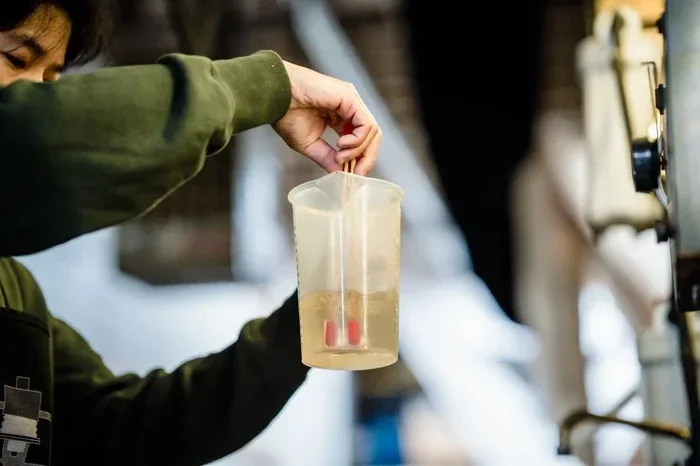
Liquid measuring cups are typically made of glass or plastic. They have a spout for pouring and measurement lines on the side. You fill them to the line and check at eye level for accuracy. These cups are designed for water, milk, oil, broth, and other liquids.
Most liquid measuring cups come in sizes of 1 cup, 2 cups, and 4 cups. They are clearly marked with both cup measurements and milliliter equivalents. When you need to measure 237 ML of water, a 1-cup liquid measuring cup is your best tool.
Dry Measuring Cups
Dry measuring cups are designed for ingredients like flour, sugar, rice, and oats. They are usually sold in sets of 1/4 cup, 1/3 cup, 1/2 cup, and 1 cup. You fill them to the top and level them off with a straight edge for accuracy.
For the most precise dry ingredient measurements, many professional bakers recommend using a kitchen scale. A scale measures weight, not volume, which eliminates a lot of guesswork. But when a scale is not available, knowing your ML to cup ratios is the next best thing.
Common Kitchen Measurements and Their ML Equivalents
Beyond just cups, there are several other common kitchen measurements you will want to know in milliliters. Here is a handy reference table for spoons and other volumes.
| Measurement | US ML | Metric ML |
|---|---|---|
| 1 teaspoon | 4.93 ML | 5 ML |
| 1 tablespoon | 14.79 ML | 15 ML |
| 1/4 cup | 59.15 ML | 62.5 ML |
| 1/3 cup | 78.86 ML | 83.3 ML |
| 1/2 cup | 118.29 ML | 125 ML |
| 1 cup | 236.59 ML | 250 ML |
These conversions are especially helpful when you are scaling a recipe. Say you are doubling a sauce that calls for 2 tablespoons of olive oil. You would need 30 ML of oil (using the metric standard) or about 29.6 ML (using the US standard). Small differences like this add up, and knowing them helps you cook with confidence.
Practical Tips for Accurate ML to Cup Conversions
Here are some tried-and-true tips that will help you nail your measurements every time. These are the kinds of kitchen hacks that experienced cooks and bakers rely on daily.
Always Measure at Eye Level
When using a liquid measuring cup, place it on a flat surface and bend down so your eyes are level with the measurement line. This prevents parallax error, which is when you read the line from above or below and get an inaccurate amount.
Use a Kitchen Scale for Dry Ingredients
A kitchen scale is the most accurate tool in your kitchen. It removes the variability of scooping and packing ingredients. For example, 1 cup of flour can weigh anywhere from 120 to 150 grams depending on how tightly you pack it. A scale takes the guesswork out completely.
Know Your Recipe Source
Before you start cooking, check where the recipe comes from. If it is from a British cookbook, it likely uses metric cups (250 ML). If it is from an American cookbook, it uses US cups (236.6 ML). This small detail can make a big difference in your final dish.
Keep a Conversion Chart Handy
Bookmark this guide or print out the conversion chart. When you are in the middle of cooking and need to convert ML to cups quickly, having the numbers at your fingertips saves precious time. You can also save this page for later reference.
Invest in Quality Measuring Tools
Not all measuring cups are the same quality. Look for cups with clear markings that are easy to read. A good liquid measuring cup with metric and US markings on the side is worth every penny. For dry ingredients, a simple set of nesting measuring cups works perfectly.
Quick Tips for Everyday Cooking
Here are some fast tips you can use right away in your kitchen:
- Round to the nearest 5 ML for everyday cooking. You do not need to be exact when making a soup or a stir-fry.
- Use 240 ML as a round number for 1 US cup when you are in a hurry. It is close enough for most recipes.
- Remember that 1 tablespoon equals 15 ML in the metric system. This is a quick mental math trick you can use anytime.
- When in doubt, use a scale. Weight measurements are always more accurate than volume measurements for dry ingredients.
Common Mistakes to Avoid
Even experienced cooks sometimes make measurement errors. Here are the most common mistakes and how to avoid them.
- Using a dry cup for liquids: Dry measuring cups are not designed for pouring liquids. You will spill and get an inaccurate measurement every time.
- Not leveling off dry ingredients: If you scoop flour with a measuring cup and do not level it, you could end up with up to 30% more flour than the recipe intended.
- Confusing US and metric cups: A 250 ML metric cup is not the same as a 236.6 ML US cup. Using the wrong one in a delicate recipe like a soufflé or a sponge cake can change the outcome.
- Guessing instead of measuring: “Eyeballing” ingredients might work for a casual pasta dinner, but it will fail you when baking precision matters.
Expert Insights on Kitchen Measurements
Professional chefs and bakers agree that accurate measurements are the foundation of great cooking. Many culinary schools teach students to always measure by weight rather than volume. This is because weight does not change based on how tightly you pack an ingredient or how much air is trapped inside it.
However, for home cooks, volume measurements like cups and milliliters are still the most practical option. The key is to be consistent. If a recipe gives you measurements in ML, stick with ML throughout. Do not mix US cups and metric ML in the same recipe unless you have done the proper conversion math.
One more thing worth noting: the size of your measuring tools matters. A “cup” from one manufacturer might hold slightly more or less than another. This is why it helps to use standardized tools and to check that your measuring cups have clear, accurate markings.
For those who love a good cup of coffee, measuring your grounds correctly can make or break your morning brew. If you want to learn more about proper coffee measurement, check out our guide on How To Measure Coffee In A Coffee Maker for expert tips and techniques.
How to Convert ML to Cups for Specific Ingredients
Different ingredients have different densities, which affects how they pack into a measuring cup. Here are some examples of common ingredients and their approximate ML equivalents per cup.
- Water: 1 cup = 236.6 ML (US) or 250 ML (metric). Water is the baseline for most liquid conversions.
- Milk: 1 cup = 236.6 ML (US) or 250 ML (metric). Milk is slightly denser than water but the volume remains the same.
- Flour: 1 cup of all-purpose flour weighs about 120 grams, which is roughly 237 ML by volume. But remember, how you scoop it changes the actual amount.
- Sugar: 1 cup of granulated sugar is about 200 grams. The volume is still 236.6 ML (US), but the weight is much higher than flour.
- Oil: 1 cup of oil equals 236.6 ML (US). Oil is lighter than water, so it takes up more space per gram.
These differences show why understanding volume vs. weight is so important in the kitchen. For the most consistent results, especially in baking, consider investing in a simple kitchen scale. It will transform the way you cook.
If you are measuring coffee for your morning brew, keep in mind that the ratio of coffee to water matters a lot. Our article on How Many Scoops Of Coffee Per Cup Of Water covers this topic in detail and can help you get the perfect cup every time.
Final Thoughts on ML to Cup Conversions
Understanding how many ML in a cup is one of those small kitchen skills that makes a huge difference. It takes a little bit of memorization, but once you know that a US cup is about 237 ML and a metric cup is 250 ML, you will never struggle with a recipe again.
Keep your conversion charts handy. Use the right tools for the job. And most importantly, practice makes perfect. The more you cook and bake, the more natural these conversions will feel.
Whether you are measuring water for pasta, flour for a cake, or broth for a soup, you now have the knowledge and tools to get it right. So go ahead, fire up the stove, and cook with confidence. And if you ever need to store leftovers properly, our guide on How To Store Food In Mylar Bags is a great resource for keeping ingredients fresh long after you have finished cooking.
The world of kitchen measurements is vast, but it does not have to be confusing. With the right information and a little practice, you will be converting ML to cups like a pro in no time. Happy cooking!
Frequently Asked Questions
How many ML are in 1 US cup?
One US standard cup equals 236.588 milliliters, which most people round to 237 ML for everyday cooking. This is the measurement you will see in the majority of American recipes and cookbooks.
Is a metric cup the same as a US cup?
No, a metric cup holds 250 ML, while a US cup holds 236.6 ML. The difference is about 13 ML, which can matter in baking where precision is important. Always check which standard your recipe uses before you start measuring.
How do I convert ML to cups quickly?
The easiest way is to divide the number of milliliters by 236.6 for US cups or by 250 for metric cups. For example, 500 ML divided by 236.6 equals about 2.1 US cups. Keep a conversion chart on your fridge for quick reference.
What measuring cup should I use for liquids?
Always use a liquid measuring cup for liquids like water, milk, and oil. These cups are made of glass or plastic with clear measurement lines and a spout for easy pouring. Dry measuring cups are not designed for liquids and will give you inaccurate results.
Can I use a kitchen scale instead of measuring cups?
Yes, a kitchen scale is actually more accurate than measuring cups for dry ingredients. It measures weight, which is not affected by how tightly you pack the ingredient. Many professional bakers prefer using a scale for this reason.
Why do some recipes use ML and others use cups?
Recipes from countries that use the metric system list ingredients in milliliters. Recipes from the United States typically use cups. Understanding both systems and how to convert between them helps you confidently cook recipes from any country in the world.