
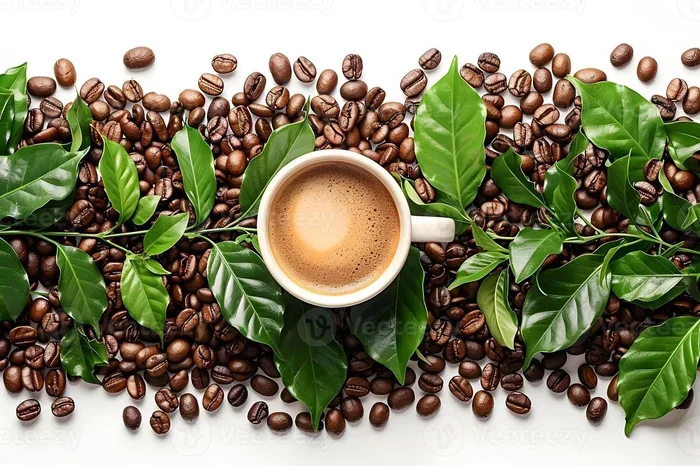
Coffee is far older than most people realize. Its story begins over a thousand years ago in Ethiopia, long before modern brewing methods existed. Understanding how old is coffee helps you appreciate every cup you drink. You will learn about its ancient roots, global spread, and timeless appeal. This guide breaks down coffee history into simple, fascinating facts.
Key Takeaways
- Ancient Origins: Coffee traces back to Ethiopia over a millennium ago, with early use rooted in local traditions.
- Global Spread: Trade routes and cultural exchange carried coffee from Africa to Arabia, Europe, and the Americas.
- Brewing Evolution: From simple boiled grounds to modern espresso, coffee preparation has changed dramatically over centuries.
- Bean Diversity: Arabica and Robusta dominate today, but countless regional varieties reflect coffee long history.
- Cultural Impact: Coffee houses, trade networks, and daily rituals shaped societies across continents.
- Modern Relevance: Knowing how old is coffee deepens your appreciation for sustainable sourcing and fresh brewing.
- Timeless Appeal: Despite new gadgets and trends, coffee remains a cherished daily companion worldwide.
📑 Table of Contents
How Old Is Coffee: Tracing the Ancient Roots
Many people wonder how old is coffee when they sip their morning brew. The answer might surprise you. Coffee did not start in modern cafes or commercial roasteries. Its story begins in ancient highlands, where local communities first noticed the energizing effects of certain berries. Early records suggest that people chewed the fruit or mixed it with animal fat for quick energy. These simple practices laid the groundwork for everything we know today.
The exact timeline remains fuzzy, but historians agree on one thing. Coffee culture grew slowly over centuries. Local tribes shared knowledge orally. Travelers carried seeds across borders. Each region added its own twist. This gradual spread explains why coffee feels both ancient and familiar. You drink something that connects you to generations of farmers, traders, and home brewers.
If you want to understand how old is coffee, you must look beyond dates. You need to see how people used the plant in daily life. Early users focused on stamina, focus, and social gathering. Those goals still drive coffee culture today. The plant itself has not changed much. Human habits around it have evolved in fascinating ways.
Early Ethiopian Traditions
Ethiopia stands at the center of coffee origin stories. High-altitude forests provided the perfect environment for wild coffee plants. Local communities noticed that certain berries helped them stay awake during long days. Some legends mention spiritual dancers who ate the fruit and gained remarkable energy. While stories vary, the core idea remains clear. People valued the plant long before they brewed it as a hot drink.
Early preparation methods were simple. People crushed the fruit and mixed it with water or fat. Others dried the cherries and stored them for later use. These techniques show practical thinking. Communities needed reliable energy sources. Coffee fit that need perfectly. Over time, people learned to separate the bean from the fruit. That step changed everything.
The Shift From Fruit To Bean
Using the whole cherry came first. Later, people discovered that roasting the seed created a richer flavor. Roasting also made storage easier. Beans traveled better than fresh fruit. This discovery encouraged trade. Merchants began moving coffee across regions. The drink slowly shifted from a local remedy to a shared beverage.
This transition matters when you ask how old is coffee. The plant is ancient, but the beverage we recognize today took shape over many generations. Each improvement built on earlier knowledge. Simple drying methods led to roasting. Roasting led to grinding. Grinding led to brewing. The chain of innovation never really stopped.
From Ethiopia To Arabia: The First Coffee Culture
Coffee left Ethiopia and found a welcoming home in the Arabian Peninsula. Traders carried seeds across the Red Sea. Local farmers learned to cultivate the plant in new soil. Yemen became a major center for early coffee growth. The region’s climate suited the crop well. Farmers developed careful harvesting methods. They protected the plants from harsh weather and pests.
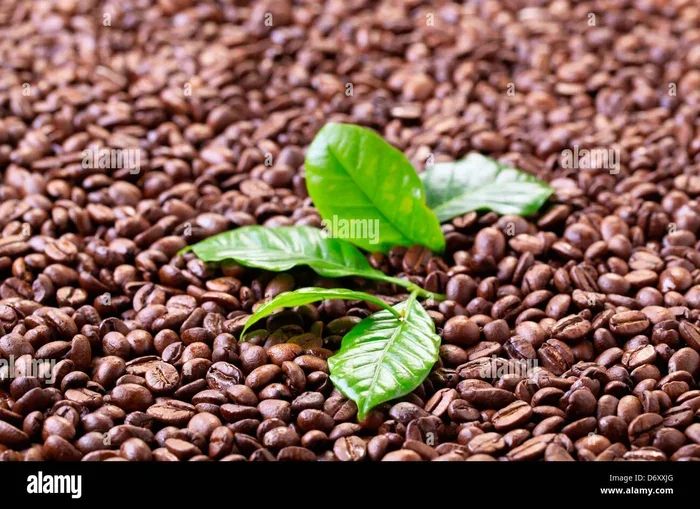
Visual guide about Fresh coffee beans and leaves
Image source: c8.alamy.com
The drink quickly gained social importance. People gathered in quiet spaces to sip hot beverages and talk. These early meeting spots resembled later coffee houses. They offered rest, conversation, and a break from daily work. The beverage became part of daily rhythm. Visitors noticed the custom and carried it home.
When people ask how old is coffee, they often think of modern cafes. Yet the first coffee culture appeared centuries ago in Arabia. The drink supported learning, trade, and community life. It also sparked curiosity. Travelers asked where the beans came from. They wanted to taste the drink themselves. That curiosity pushed coffee farther across the map.
Early Preparation Methods
Early Arabian brewers kept things simple. They roasted beans over open heat. They ground the beans by hand. They boiled water and steeped the grounds for a short time. The result was a strong, aromatic drink. People added spices sometimes. Cardamom and cinnamon appeared in some regions. These additions showed how flexible coffee could be.
Brewing tools were basic. Pots, strainers, and simple grinds dominated the process. People learned to control heat and timing through experience. They passed tips from one generation to the next. This hands-on knowledge created a strong brewing tradition. If you ever wonder how old is coffee, remember that early brewers perfected their craft without modern machines.
Coffee Houses And Social Life
Public drinking spaces grew in popularity. They became places for discussion, relaxation, and exchange. Merchants shared news. Students read together. Artists found inspiration. The atmosphere felt calm but lively. People returned daily because the drink offered comfort and focus. These spaces laid the social foundation for coffee culture worldwide.
The social side of coffee still matters today. Many people treat coffee as a pause in a busy day. Others use it to connect with friends. The habit started long ago. It survived empires, trade shifts, and technological changes. Coffee remained a social drink because it brought people together in simple, meaningful ways.
How Coffee Traveled The World
Coffee did not stay in one region for long. Traders, explorers, and settlers carried seeds to new lands. Each destination changed the crop in small ways. Soil, climate, and farming methods all shaped the final flavor. Coffee adapted as it moved. That adaptability helped it become a global staple.
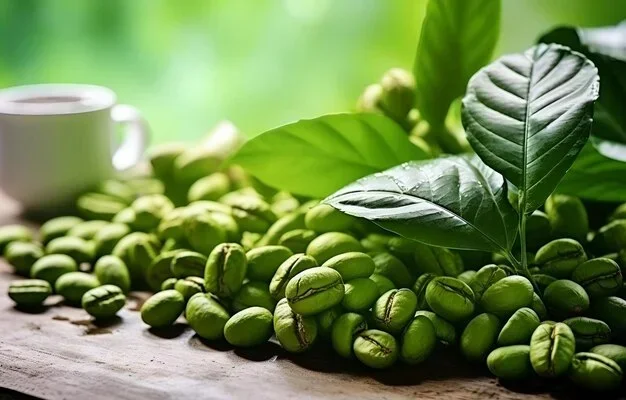
Visual guide about Fresh coffee beans and leaves
Image source: img.freepik.com
European travelers encountered coffee in the Middle East and brought it home. They described the drink with curiosity and excitement. Some welcomed the new flavor. Others questioned the habit. Eventually, coffee took root in European markets. Plantations followed in distant colonies. The crop spread through agriculture, trade, and daily demand.
This global journey answers another part of how old is coffee. The plant is ancient, but its worldwide presence grew over many centuries. Coffee reached different continents at different times. Each region developed its own preferences. Some liked bold, dark roasts. Others preferred lighter, brighter flavors. The variety shows how one plant can create many traditions.
Regional Growing Differences
Coffee grows best in specific conditions. Altitude, rainfall, and shade all matter. High-grown beans often taste cleaner and brighter. Lower-grown beans can taste bolder and heavier. Farmers learned to match varieties to local conditions. They also learned to protect crops from weather swings. These lessons came from years of trial and observation.
Regional differences also affect processing. Some areas dry the fruit on raised beds. Others wash the beans soon after harvest. Each method changes the final cup. Dry processing can add fruity notes. Washed processing often highlights cleaner flavors. These choices show how much care goes into coffee long after harvest.
Trade Routes And Cultural Exchange
Trade routes carried more than beans. They carried ideas, tools, and habits. Merchants learned which ports sold the best crops. Shipments had to stay dry and protected. Spoilage remained a constant concern. Careful packing and quick transport helped preserve quality. These logistical challenges shaped the coffee industry for generations.
Cultural exchange happened alongside trade. People compared brewing styles. They shared roasting tips. They adapted foreign methods to local tastes. This exchange kept coffee fresh and interesting. It also created a shared global language around the drink. You can taste that history in every region’s unique approach.
Brewing Through The Ages
Brewing changed as tools improved. Early cups came from simple pots and hand grinding. Later, people designed filters, presses, and specialized machines. Each invention aimed to make brewing easier or more consistent. Some methods faded. Others became classics. The history of brewing shows how people kept searching for better flavor.
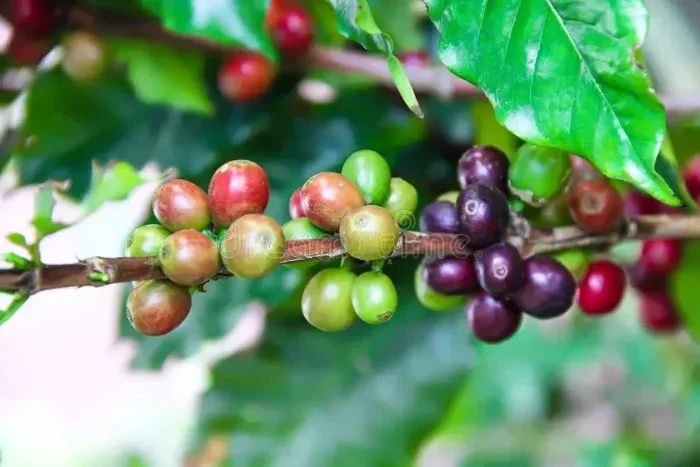
Visual guide about Fresh coffee beans and leaves
Image source: thumbs.dreamstime.com
If you study how old is coffee, you will notice that brewing evolution matters just as much as plant history. The bean stays the same, but the method shapes the experience. A boiled brew tastes different from a filtered cup. A pressed brew feels richer than a quick steep. These differences explain why coffee can feel so varied even though it comes from one plant.
Home brewers still use many old ideas. They heat water carefully. They measure grounds by feel or habit. They adjust steeping time based on taste. Modern gadgets help, but the core process remains familiar. That continuity connects today’s kitchen to centuries of practice.
Simple Tools That Changed Everything
A good grinder made a big difference. Freshly crushed beans release more aroma. A sturdy pot helped control heat. A clean cloth or mesh strainer improved clarity. These small tools may seem basic, but they shaped daily brewing. People learned that small changes in equipment could transform the cup.
Water quality also mattered. Clean, fresh water brought out better flavor. Hard water could mute subtle notes. Soft water could highlight brightness. Brewers noticed these effects and adjusted their routines. Many of those early observations still guide home brewing today.
Modern Methods And Old Wisdom
New machines offer speed and precision. They control temperature and pressure with ease. Yet many coffee lovers still value old wisdom. They know that patience often improves flavor. They understand that fresh grinding matters. They recognize that water timing changes the result. Modern tools work best when they respect traditional principles.
You can see this blend of old and new in everyday kitchens. Someone might use a simple pour-over setup. Another person might prefer a stovetop method. Both approaches rely on the same basic ideas. Heat, time, and proportion still rule the process. That is why coffee history feels so close to modern life.
Why Coffee History Still Matters Today
Coffee history is not just a list of dates. It explains why people care so much about their daily cup. The drink survived wars, trade shifts, and changing tastes. It also adapted to new expectations. People want better flavor, fairer sourcing, and more variety. Understanding the past helps you see why those goals matter.
When you ask how old is coffee, you also ask what coffee represents. It stands for patience, trade, craftsmanship, and routine. It connects farmers, roasters, brewers, and drinkers in a long chain. That connection gives the drink depth. It turns a simple beverage into something with story and meaning.
History also helps you make better choices. You can notice how origin affects flavor. You can see why fresh beans matter. You can understand why storage and grinding make a difference. These practical lessons come directly from centuries of trial and habit.
Learning From The Past
Old traditions offer useful tips. People stored beans carefully to keep them dry. They roasted in small batches to preserve freshness. They brewed soon after grinding to protect aroma. These habits still work well. They do not require fancy equipment. They just require attention.
You can apply these lessons at home. Keep beans away from heat and moisture. Grind only what you need. Use clean water. Taste and adjust. Small changes often improve the cup more than expensive gear. Coffee rewards simple care.
Appreciating Freshness And Flavor
Freshness remains one of the biggest flavor drivers. Beans lose aroma over time. Ground coffee fades faster than whole beans. Proper storage slows that decline. Many coffee lovers learn that timing matters as much as recipe. A good brew starts with good ingredients and careful handling.
If you want to deepen your appreciation, explore related topics like how to measure coffee in a coffee maker or how many scoops of coffee per cup of water. These small details help you connect history with daily practice. They also make your routine more consistent and enjoyable.
Sustainable Habits And Long Term Care
Coffee’s long history also reminds us to think ahead. Farmers need healthy soil. Drinkers benefit from responsible sourcing. Households can reduce waste by storing beans well and using grounds creatively. Some people even reuse grounds for simple household tasks. If you want a creative example, check how to burn coffee grounds to get rid of mosquitoes. It shows how coffee can stay useful even after brewing.
Long-term care matters because coffee is not just a trend. It is a lasting part of daily life for many people. Treating it well respects the work behind every bag. It also improves your own experience at home.
Common Mistakes And Quick Tips
Even experienced coffee lovers make small errors. These mistakes can flatten flavor or waste good beans. The good news is that most fixes are simple. A little attention goes a long way.
Common Mistakes
- Using stale beans: Old beans lose aroma and taste flat.
- Grinding too early: Ground coffee fades faster than whole beans.
- Ignoring water quality: Strong odors or heavy minerals can dull flavor.
- Wrong storage: Heat, light, and moisture shorten freshness.
- Inconsistent measures: Changing ratios make taste hard to predict.
Quick Tips
- Buy fresh: Choose beans with a clear roast date when possible.
- Store carefully: Keep beans in a cool, dry place with a tight seal.
- Grind close to brewing: Fresh grinding improves aroma and clarity.
- Use clean water: Fresh, filtered water usually gives a cleaner cup.
- Keep ratios steady: Consistent measurements make better taste easier to repeat.
Expert Insights And Practical Takeaways
Coffee experts often say that history and habit work together. The drink became popular because it was useful, pleasant, and shareable. Those qualities still matter. You do not need a complicated routine to enjoy coffee. You need good ingredients, simple tools, and a bit of care.
Experts also remind people that taste is personal. One person may love a bold cup. Another may prefer something lighter. Both choices fit within coffee long history. The drink has always adapted to local tastes. Your preference is part of that ongoing story.
If you want to keep learning, explore related kitchen topics that support better daily habits. You may find helpful ideas in how to dispose of old coffee maker when it is time to replace aging equipment. You can also read about how is coffee beans made to understand the journey from seed to cup. These guides add useful context to your coffee routine.
Conclusion
So, how old is coffee? Older than most people expect, and still evolving in front of us. The plant began in ancient highlands, traveled through trade routes, and found a place in daily life across many cultures. Brewing methods changed, but the core appeal stayed the same. Coffee offers energy, comfort, and a moment of pause.
Knowing the history makes each cup feel richer. You can taste the result of centuries of farming, sharing, and refining. You can also make better choices at home by storing beans well, grinding fresh, and keeping your routine simple. Coffee is old, but your enjoyment of it can feel fresh every day.
Frequently Asked Questions
How old is coffee as a plant?
Coffee plants have been known for centuries, with early use traced to Ethiopia long before modern brewing became popular. The exact start date is unclear, but the plant’s history stretches back well over a thousand years.
Where did coffee first become popular?
Coffee first gained strong cultural popularity in the Arabian Peninsula, especially in Yemen, where people began cultivating and brewing it more regularly. From there, it spread to other regions through trade and travel.
How old is coffee in terms of modern brewing?
Modern brewing methods are much newer than the plant itself, since tools like filters, presses, and machines came later in history. The basic drink is old, but many brewing styles we use today developed over the last few centuries.
Why does coffee history matter to drinkers?
Coffee history helps you understand why the drink tastes different across regions and why freshness, storage, and preparation matter. It also gives you a better appreciation for the work behind each bag of beans.
Does coffee taste different because of its age?
Coffee flavor depends more on freshness, roast, origin, and brewing method than on the age of the plant itself. Older beans can taste stale if they are not stored well, while fresh beans usually offer brighter aroma and clearer flavor.
What is the best way to keep coffee fresh at home?
Store whole beans in a cool, dry place with a sealed container, and grind them soon before brewing. Keeping coffee away from heat, light, and moisture helps preserve its flavor for longer.



