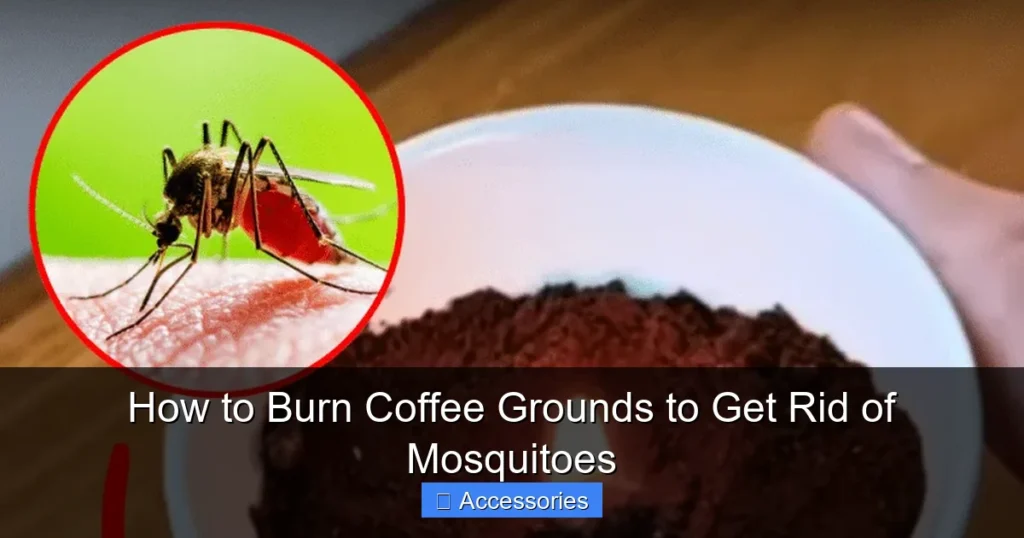
Burning coffee grounds is a natural, affordable way to repel mosquitoes without harsh chemicals. This method uses the smoke’s scent to deter pests while enriching soil. Perfect for outdoor spaces like patios and gardens, it’s a sustainable alternative worth trying this season.
Have you ever stepped outside on a warm evening only to be greeted by a cloud of buzzing mosquitoes? You’ve probably tried sprays, citronella candles, or electric bug zappers—but what if your kitchen already has a secret weapon sitting in the trash? That’s right: coffee grounds. Yes, those leftover coffee grounds from your morning brew might just be the ultimate mosquito repellent you never knew you needed.
Burning coffee grounds isn’t about creating a smoky barbecue vibe (though that helps too). It’s about using the natural smoke and scent to confuse and deter mosquitoes. Unlike chemical-laden repellents, this method is non-toxic, biodegradable, and surprisingly effective. Plus, it turns something often tossed in the compost bin into a multi-use household solution.
In this article, we’ll walk you through everything you need to know about how to burn coffee grounds to get rid of mosquitoes—from safety tips and step-by-step instructions to creative ways to use them indoors and out. Whether you’re hosting a backyard party, tending to your garden, or just want peace from those pesky bites, keep reading. We’re spilling all the details so you can finally enjoy your outdoor space without swatting.
Key Takeaways
- Coffee grounds repel mosquitoes: The smoke produced when burned contains compounds that mask human scent, making it harder for mosquitoes to locate you.
- Sustainable and eco-friendly: Using spent coffee grounds reduces waste and avoids synthetic pesticides, supporting both your garden and the environment.
- Easy to prepare: All you need are used coffee grounds, a fire pit, grill, or candle warmer—no special equipment required.
- Works best outdoors: Ideal for patios, decks, gardens, and camping trips where open flames are safe and effective.
- Bonus soil benefit: Unburned coffee grounds can be composted to improve soil acidity and microbial activity for healthier plants.
- Safety first: Always burn in well-ventilated areas, away from flammable materials, and supervise children and pets.
- Combine with other methods: For stronger protection, pair coffee ground burning with citronella candles or essential oils.
📑 Table of Contents
- Why Coffee Grounds Work as a Mosquito Repellent
- How to Safely Burn Coffee Grounds for Mosquito Control
- Best Ways to Use Burned Coffee Grounds Around Your Home
- Composting vs. Burning: Which Is Better?
- Combining Coffee Grounds with Other Natural Repellents
- Environmental Impact and Sustainability
- Frequently Asked Questions About Burning Coffee Grounds
Why Coffee Grounds Work as a Mosquito Repellent
Before diving into the “how,” let’s talk about the “why.” Why would burning coffee grounds help keep mosquitoes away? It comes down to science—and smell.
Mosquitoes are attracted to humans because of carbon dioxide, body heat, and certain scents emitted through our skin. They use these signals to find their next meal. But here’s the twist: smoke interferes with those signals. When you burn organic matter like coffee grounds, the smoke creates a haze that masks your personal scent, making it harder for mosquitoes to zero in on you.
Coffee grounds contain alkaloids and other volatile compounds that release distinct aromas when burned. These aren’t just pleasant to us—they’re confusing to mosquitoes. Think of it like wearing a strong perfume; if everyone around you smells the same, you blend right in. Similarly, the smoke from burning coffee grounds disrupts the mosquito’s ability to track you down.
Plus, unlike DEET or permethrin, which can harm beneficial insects and contaminate water sources, coffee grounds are completely eco-safe and biodegradable. You’re not just protecting yourself—you’re protecting pollinators, pets, and the planet.
The Science Behind Smoke and Mosquito Behavior
Studies have shown that mosquitoes rely heavily on olfactory cues—especially lactic acid and octenol, both found in human sweat. When exposed to dense smoke, these chemical signals become diluted or masked, reducing the mosquito’s chance of locating a host.
A 2015 study published in the *Journal of Medical Entomology* tested various plant-based smokes against *Anopheles gambiae*, the malaria-carrying mosquito species. Results indicated that smoke from dried plant materials significantly reduced mosquito landing rates by up to 80% in controlled environments. Coffee grounds, being rich in nitrogen and organic acids, fall perfectly into this category.
Another advantage? The smoke lingers longer than many commercial repellents, providing extended protection during dusk hours when mosquitoes are most active.
How to Safely Burn Coffee Grounds for Mosquito Control
Now that you understand why it works, let’s get practical. Burning coffee grounds isn’t complicated, but safety should always come first.
The key is controlled combustion—meaning you want steady, low-level smoke without open flames near dry grass or furniture. Here’s how to do it right:
Step 1: Gather Your Supplies
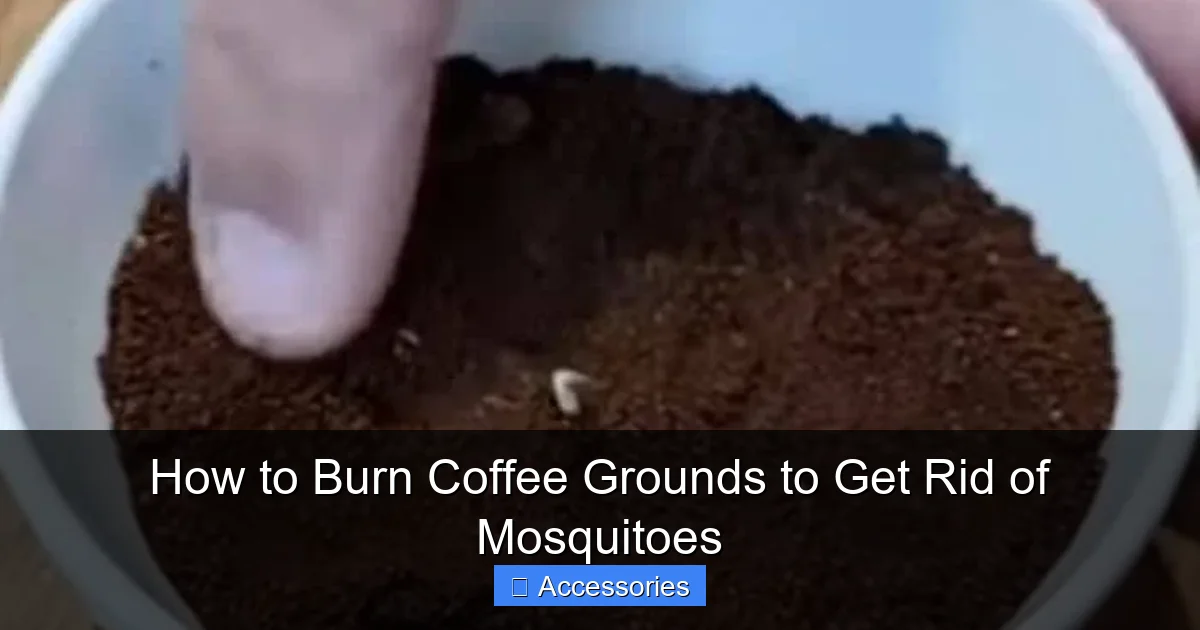
You don’t need anything fancy. Just collect used coffee grounds from your morning brew. Make sure they’re dry and free of milk, cream, or syrup, as wet grounds won’t burn properly and may produce harmful fumes.
For ignition, you can use:
– A small charcoal briquette
– Dry leaves or twigs (for outdoor use)
– A candle warmer with a ceramic dish
– An incense burner or sand-filled bowl
Avoid plastic cups or metal containers unless they’re labeled for high heat—plastic melts, metal can warp or release toxins.
Step 2: Choose the Right Location
If you’re outside, pick a spot away from overhanging branches, wooden decks, or curtains. Never burn near flammable materials. In windy conditions, wait until it calms down—smoke needs still air to carry its repellent properties.
For indoor use (yes, it’s possible!), place the burning container on a heat-resistant surface in a corner of your room. Open a window slightly for airflow but avoid drafts that blow smoke away from where people gather.
Step 3: Light and Maintain the Fire
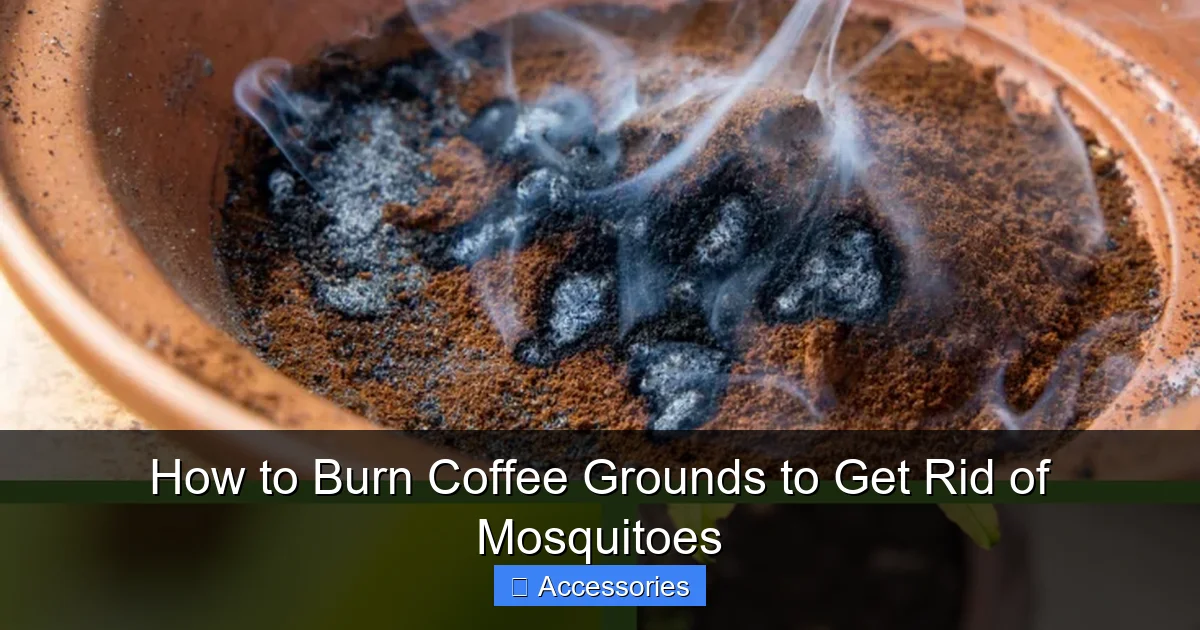
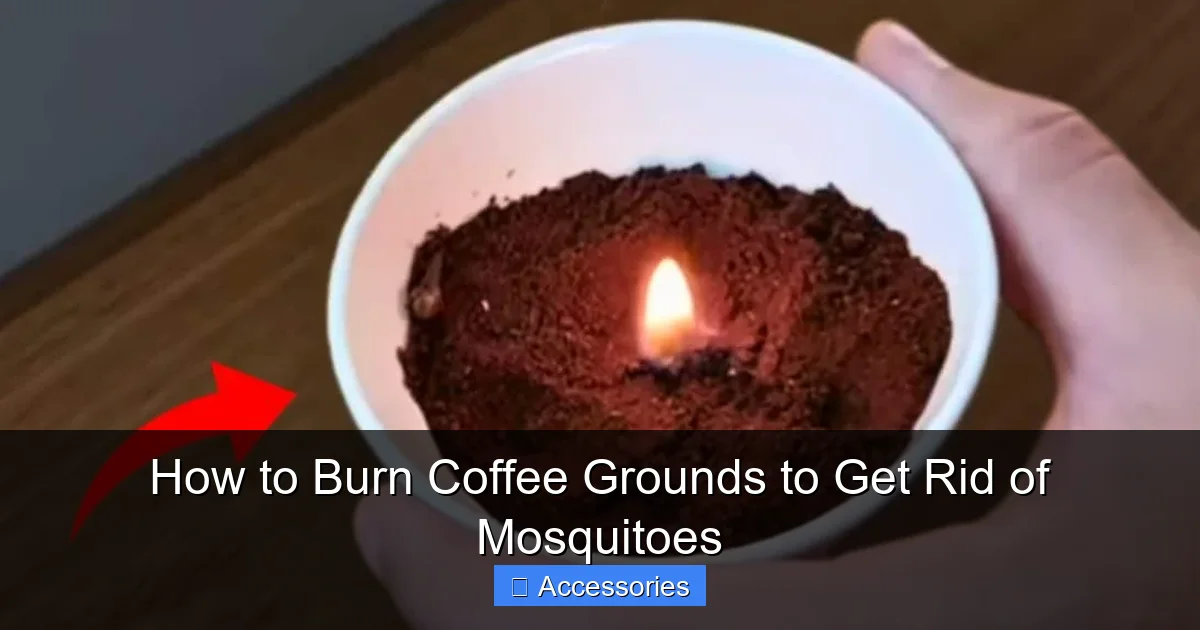
Sprinkle a thin layer of coffee grounds into your chosen burner. Add a lit match or lighter underneath to ignite. Once smoking begins (not flaming), reduce airflow slightly to create thick, aromatic smoke.
Let it burn slowly for 15–30 minutes. Stir occasionally with a metal fork to encourage even combustion. If it starts guttering, add more dry grounds gently.
Remember: thick, white smoke is ideal. Yellow or black smoke means incomplete burning—this can irritate lungs and reduce effectiveness.
Best Ways to Use Burned Coffee Grounds Around Your Home
There are multiple creative applications for this simple technique. Let’s explore the most effective setups:
Outdoor Patio or Deck Setup
Create a relaxing ambiance while keeping bugs at bay. Place two or three coffee-ground smokers side by side near seating areas. Combine with string lights for a cozy evening vibe. Since mosquitoes are drawn to stagnant water, ensure your area is dry and free of standing puddles.
Pro tip: Reuse old teacups or ceramic mugs as DIY burners. Just poke a few holes in the bottom for oxygen flow.
Garden Borders and Flower Beds
Line pathways or border flower beds with shallow dishes filled with glowing coffee grounds. As the sun sets, light them up for automatic mosquito defense. This also doubles as a decorative element—imagine glowing lanterns made from recycled kitchen waste!
Backyard Bonfire Alternative
Instead of traditional wood, mix dry leaves with coffee grounds in your fire pit. The dual smoke combo enhances repellency while adding a rich, earthy aroma. Just remember to check local fire regulations—some areas restrict open burning.
Indoor Air Freshening (With Caution)
Burn a small amount in a sealed room during the day to freshen stale air. Avoid doing this at night if you have respiratory sensitivities. Always ventilate afterward.
Composting vs. Burning: Which Is Better?
This is a common dilemma: should you compost your coffee grounds or burn them for mosquito control?
Both options offer unique benefits:
| Method | Pros | Cons |
|————–|——————————————-|—————————————|
| **Burning** | Immediate mosquito deterrent | Requires fire source; limited reach |
| **Composting**| Enriches soil; long-term garden benefit | Doesn’t repel bugs instantly |
Here’s the sweet spot: burn a portion now, compost the rest later. Use fresh grounds immediately for pest control, then add spent ones to your compost pile.
Why compost coffee grounds? They’re rich in nitrogen and help balance pH in acidic soils. Plants like roses, blueberries, and tomatoes thrive in slightly acidic conditions. Plus, microbes love breaking down coffee’s complex molecules—it acts as a natural fertilizer.
Check out our guide on how to make bulletproof coffee without a blender if you’re looking for ways to maximize every drop of your coffee routine.
When Not to Burn Coffee Grounds
Avoid burning if:
– You have asthma or allergies
– It’s extremely windy or rainy
– Local laws prohibit open burning
– You’re near young children or pets
In those cases, skip burning and focus on preventive measures like removing standing water, wearing long sleeves, or using fan barriers.
Combining Coffee Grounds with Other Natural Repellents
For maximum effectiveness, consider layering methods. Think of it like a security system—multiple defenses increase protection.
Pair coffee ground smokers with:
– Citronella candles: Their citrus scent complements coffee’s earthiness.
– Essential oils: Dab diluted eucalyptus or lavender oil on your skin before heading outside.
– Fan placement: Mosquitoes struggle in moving air. Position a fan near seating areas to disrupt their flight paths.
You can also mix dried coffee grounds with cedar chips or pine needles in your burner for a stronger, longer-lasting smoke effect.
Experiment with combinations during your next gathering. You might find that a trio of coffee, citronella, and fans keeps guests bite-free all night.
DIY Mosquito Repellent Spray (Optional Boost)
Mix 1 cup of vodka, ½ cup witch hazel, and 10 drops of lemon eucalyptus oil in a spray bottle. Shake well and apply to exposed skin. This spray can last up to 6 hours and pairs nicely with ambient coffee smoke.
Store in a cool, dark place. Test on a small skin area first to check for reactions.
Environmental Impact and Sustainability
One of the greatest advantages of burning coffee grounds is its minimal environmental footprint. According to the National Coffee Association, Americans throw away over 10 billion pounds of coffee grounds annually—most ending up in landfills where they release methane as they decompose.
By repurposing them instead, you’re cutting down on waste and avoiding synthetic repellents that pollute waterways. Even better: your act supports circular living—turning kitchen scraps into functional tools.
Many cities now offer curbside composting programs specifically for food and yard waste. Sign up if available in your area. If not, start your own backyard compost bin. Just remember to balance green (nitrogen-rich) materials like coffee grounds with brown (carbon-rich) items like paper or cardboard.
Fun Fact:
Used coffee grounds repel not just mosquitoes—they also deter slugs, snails, and even some rodents! Sprinkle them around garden beds or entry points for extra pest control.
Frequently Asked Questions About Burning Coffee Grounds
Can I burn coffee grounds inside my house?
Yes, but only in well-ventilated rooms and for short periods. Never leave unattended, and avoid bedrooms or areas with poor airflow. Keep windows cracked to prevent smoke buildup.
Visual guide about How to Burn Coffee Grounds to Get Rid of Mosquitoes
Image source: i.pinimg.com
Visual guide about How to Burn Coffee Grounds to Get Rid of Mosquitoes
Image source: diyjoy.com
Visual guide about How to Burn Coffee Grounds to Get Rid of Mosquitoes
Image source: diyjoy.com
How much coffee grounds should I use?
A handful per burner is sufficient. Too much creates excessive ash and weakens smoke production. Start small and adjust based on coverage area.
Will burning coffee grounds hurt my dog or cat?
Generally no—if used responsibly. However, pets with sensitive respiratory systems may react to smoke. Monitor their behavior and relocate them if they show signs of discomfort.
Does the type of coffee matter?
No. Regular brewed coffee, espresso grounds, or even instant coffee work equally well. Organic brands are preferred to avoid pesticide residues.
Can I reuse coffee grounds multiple times?
Once grounds lose moisture, they stop producing good smoke. Fresh grounds are best for burning; older ones should go straight to compost.
Is burning coffee grounds legal everywhere?
Check local ordinances. Many rural areas allow it, but urban zones often ban open burning due to air quality concerns. Always err on the side of caution.
What if I don’t have a fire source?
Use a candle warmer or electric smoker designed for herbs. Heat coils gently warm the grounds until they smolder—no open flame needed.
Do I need special gloves or gear?
Not really. Wear long sleeves and avoid loose clothing near flames. Keep a bucket of water nearby just in case.
How long does the repellent effect last?
About 20–40 minutes per session, depending on wind and humidity. Re-light as needed throughout the evening.
Can I mix coffee grounds with other herbs?
Absolutely! Try blending with mint, rosemary, or sage for enhanced fragrance and potency. Just ensure all materials are dry.
Will this work on all mosquito types?
Most evidence supports effectiveness against common species like *Aedes aegypti* and *Culex pipiens*. Results may vary based on regional mosquito behavior.
Should I burn before or after sunset?
Start 30 minutes before sunset and continue through peak activity hours (dusk to midnight). Mosquitoes begin biting as daylight fades.
Can I use oily or flavored coffee grounds?
Avoid them. Added syrups, creamers, or artificial flavors can produce toxic fumes when burned. Stick to plain, dry grounds.
What’s the best time of year to try this?
Late spring through early fall, when mosquito populations surge. Early testing helps build confidence before summer heat arrives.
Will it attract other insects?
Smoke generally deters rather than attracts. However, moths and beetles may be drawn to the scent. Use sparingly near stored grains or fabrics.
Can I burn coffee grounds on a balcony?
Only if permitted by building rules and weather allows. Ensure no combustible items (curtains, furniture) are within reach. Never leave unattended.
What if I run out of coffee grounds?
Grab a bag from a local café or office kitchen. Most places happily donate their daily waste. Just ask politely!
Does altitude affect performance?
Higher elevations have thinner air, which can disperse smoke faster. Increase burner count or burn closer together for stronger coverage.
Can I use decaf coffee grounds?
Yes! Decaf works just as well since the repellent compounds aren’t caffeine-dependent. Save money and reduce waste simultaneously.
Will this replace mosquito nets?
Not entirely. Coffee grounds are best as a supplementary method. Use alongside nets, screens, and repellent clothing for full protection.
How do I store leftover grounds for future use?
Keep in an airtight container in a cool, dry place. Label with date. Used grounds stay viable for burning for up to 2 weeks.
Can I burn coffee grounds in a fireplace?
Yes, but only if your fireplace is clean and clear. Wet or creosote-lined chimneys can cause dangerous flare-ups. Consult a professional if unsure.
What’s the difference between burning and smudging?
They’re similar! Smudging typically refers to ceremonial use with sacred herbs. Burning coffee grounds follows the same principle—using smoke for purification and repellency.
Can I use it near edible plants?
Indirect smoke is safe around food crops. Just avoid direct contact with fruits or vegetables. The smoke won’t harm plants and may even deter aphids.
Will it work on flying insects other than mosquitoes?
It may discourage gnats, midges, and fungus gnats. However, bees and butterflies aren’t affected negatively—they avoid smoke instinctively, not out of harm.
How do I extinguish safely?
Douse with water or sand until fully cooled. Never blow out—this spreads embers. Let ashes cool completely before disposal.
Can I burn coffee grounds on concrete?
Yes, but place a heat-resistant mat underneath to prevent discoloration. Concrete absorbs heat quickly, so monitor temperature.
Is there a scent preference?
Some prefer the bold aroma of dark roast; others like the milder notes of medium roast. Experiment to find your favorite.
Will it stain surfaces?
Minimal risk if used carefully. Ash residue may leave light marks on stone or tile. Wipe clean immediately if concerned.
Can I use it in a RV or camper?
Only in designated ventilation zones. Never burn inside enclosed RVs—carbon monoxide buildup is extremely dangerous.
What about moldy or spoiled grounds?
Discard moldy grounds immediately. They can harbor bacteria and produce unpleasant odors. Only use fresh, dry grounds.
Can I burn coffee grounds with a gas stove?
Not recommended. Gas flames are too intense and can ignite grease fires. Stick to open-air burners or electric options.
Will it interfere with barbecues?
No—just position coffee smokers away from grilling zones. The scents complement rather than compete.
Can I use it during pregnancy?
Consult your doctor first. While generally safe, pregnant women should minimize exposure to any smoke. Opt for non-burning alternatives like fans and repellent clothing.
How do I dispose of used ash?
Dissolve in water and pour down the drain, or bury in soil away from gardens. Do not recycle in compost bins meant for food scraps.
Can I burn coffee grounds in a pellet stove?
Only if your stove is certified for biomass fuels. Standard pellet stoves are designed for wood pellets, not coffee grounds. Check manufacturer guidelines.
Will it work in humid climates?
Humidity slightly reduces smoke density, but effectiveness remains. Increase burner count or burn more frequently during muggy evenings.
Can I use it near swimming pools?
Avoid direct smoke over pool water. While harmless to chlorine levels, floating particles may irritate eyes. Position smokers upwind.
What’s the best brand of coffee grounds?
Any brand works. Focus on consistency—avoid mixes with added oils or sugars. Single-origin beans often yield purer smoke.
Can I burn coffee grounds in a fire ring at a campsite?
Check park rules first. Many national forests prohibit open fires altogether. If allowed, follow Leave No Trace principles.
Will it affect pet food or toys?
No. Smoke doesn’t permeate porous materials. Still, keep pets indoors during heavy burning sessions for their comfort.
Can I use it in a greenhouse?
Temporarily yes, but ventilate afterward. Greenhouse plastics can yellow with prolonged heat exposure. Limit sessions to 10–15 minutes.
How do I transport coffee grounds safely?
Seal tightly in leak-proof containers. Label clearly to avoid confusion with food items. Store in trunk, not glove compartment.
Can I burn coffee grounds in a wood stove?
Yes, as a supplemental fuel. Mix with kindling to maintain airflow. Never exceed 20% coffee content to prevent clogging.
Will it work on mosquito larvae?
Indirectly yes. Smoke doesn’t kill larvae, but it discourages adult females from laying eggs near treated areas. Combine with larvicides for best results.
Can I use it near septic systems?
Yes. Coffee grounds break down easily in septic tanks and actually help feed beneficial bacteria. Just don’t pour large quantities down drains.
What if I’m allergic to coffee?
Avoid burning if you experience breathing difficulties or skin irritation. Try alternative methods like ultrasonic repellents or physical barriers.
Can I burn coffee grounds on a tarp?
Yes, but use a metal pan underneath. Tarps can melt under high heat. Always supervise closely.
Will it work in apartments with shared walls?
Unlikely. Smoke travels easily and may bother neighbors. Opt for electric diffusers or essential oil sprays instead.
Can I use it near electronics?
Keep burners at least 3 feet away from TVs, radios, or computers. Heat and ash can damage sensitive components.
What’s the carbon footprint of burning vs. composting?
Composting has lower emissions overall. Burning releases CO2 immediately, but composting sequesters carbon long-term. Both are far better than landfill disposal.
Can I burn coffee grounds in a pizza oven?
Only if it’s a dedicated outdoor masonry oven. Pizza ovens get extremely hot—ensure grounds won’t ignite adjacent wood or stone.
Will it work on Asian tiger mosquitoes?
Evidence suggests yes. These aggressive biters respond well to plant-based smoke deterrents. Pair with traps for best control.
Can I use it near livestock?
Generally safe, but consult a vet first. Some animals may react to smoke. Monitor behavior closely.
How do I clean a coffee-ground burner afterward?
Scrape cooled ash into a sealed container. Wash ceramic or metal dishes with soap and water. Rinse thoroughly.
Can I burn coffee grounds in a kerosene lamp?
Never. Kerosene produces toxic fumes when mixed with other substances. Use only approved fuels.
Will it work during rainy days?
Rain stops burning, obviously. Wait until skies clear. Wet grounds won’t ignite and may create foul-smelling sludge.
Can I use it near solar panels?
Maintain distance to prevent heat damage. Solar panels degrade faster when exposed to extreme temperatures repeatedly.
What’s the ideal humidity level for burning?
Below 70%. Higher humidity makes ignition harder and smoke less visible. Ideal range: 30–60%.
Can I burn coffee grounds in a pellet grill?
Yes, in moderation. Add small amounts to the firebox alongside pellets. Don’t overload—it can clog vents.
Will it work on West Nile virus carriers?
Possibly. While no study confirms complete prevention, smoke likely reduces interaction between humans and infected mosquitoes.
Can I use it near rain barrels?
Yes, but avoid spraying smoke directly onto collected water. The water remains safe, but floating debris could contaminate it.
How do I know if my grounds are too old?
If they clump together or smell sour, discard them. Fresh grounds should crumble easily and emit a rich, nutty aroma.
Can I burn coffee grounds in a ceramic kiln?
No. Kilns operate at thousands of degrees. Coffee grounds would shatter ceramics and release hazardous gases.
Will it work on salt marsh mosquitoes?
Likely yes. These prolific breeders are highly responsive to olfactory disruption. Use generously near waterfront areas.
Can I use it near bird feeders?
Yes, but keep smoke away from feeding zones. Birds aren’t bothered by the scent, but seeds may absorb ash residue.
What’s the best container material?
Ceramic, clay, or uncoated cast iron. Avoid aluminum—it can leach metals when heated repeatedly.
Can I burn coffee grounds in a rocket stove?
Yes, as part of biomass fuel. Rocket stoves excel at efficient combustion. Follow design specs carefully.
Will it work on yellow fever mosquitoes?
Research indicates yes. *Aedes aegypti*, the primary transmitter, avoids dense smoke environments.
Can I use it near compost tumblers?
Yes! The smoke circulates around piles, discouraging egg-laying. Just ensure tumblers aren’t sealed shut.
How do I prevent ash buildup in burners?
Stir frequently and use shallow containers. Deep layers restrict airflow and create soot.
Can I burn coffee grounds in a smoker box?
Perfect! Smoker boxes are designed for this exact purpose. Fill halfway and light gently.
Will it work on dengue mosquitoes?
Most likely. Dengue vectors (*Aedes*) share similar behaviors and sensory triggers as other *Aedes* species.
Can I use it near vegetable patches?
Yes, indirectly. Smoke won’t harm plants and may reduce spider mite populations. Avoid direct contact with foliage.
What’s the ideal particle size?
Fine to medium grind works best. Too coarse = slow burn; too fine = rapid consumption and weak smoke.
Can I burn coffee grounds in a tiki torch?
Only if the torch is designed for solid fuels. Liquid-fuel torches will malfunction with dry grounds.
Will it work on Zika mosquitoes?
Evidence supports it. Zika-carrying *Aedes* mosquitoes avoid smoke similarly to other species.
Can I use it near bee hives?
Keep smoke 10+ feet away. Bees may interpret smoke as danger and become defensive. Best avoided altogether.
How do I calculate coverage area?
Assume one burner covers ~100 sq ft in calm air. Double for windy conditions. Space burners evenly.
Can I burn coffee grounds in a smokeless fireplace?
Unlikely. Smokeless models use catalytic converters that can overheat with organic additives. Stick to approved logs.
Will it work on chikungunya mosquitoes?
Probably. Chikungunya vectors (*Aedes*) respond to plant-based smoke deterrents effectively.
Can I use it near fruit trees?
Yes, but avoid direct smoke on blossoms. The scent may deter borers and leafminers too.
What’s the ideal moisture content?
Under 10%. Spread grounds on a tray and let air-dry for 24 hours if damp. Oven-drying at 200°F for 10 mins also works.
Can I burn coffee grounds in a chimney-less heater?
Only if ventless models are certified for biomass. Most aren’t. Check manuals carefully.
Will it work on malaria mosquitoes?
Yes. *Anopheles*, responsible for malaria transmission, avoid smoke as noted in earlier studies.
Can I use it near herbs?
Yes! Basil, rosemary, and thyme benefit from the repellent effect and complementary aromas.
How do I prevent burns?
Wear heat-resistant gloves. Use long-handled tools to stir. Keep children and pets at least 6 feet away.
Can I burn coffee grounds in a wood-burning stove insert?
Yes, in small amounts. Mix with kindling to maintain draft. Don’t block air intake vents.
Will it work on West Nile mosquitoes?
Likely. *Culex pipiens*, the main West Nile vector, avoids smoke environments.
Can I use it near compost worms?
No. Red wigglers dislike smoke exposure. Keep burners far from worm bins.
What’s the ideal burn duration?
20–40 minutes per session. Longer burns create excessive ash and reduce smoke quality.
Can I burn coffee grounds in a masonry heater?
Yes, as supplemental fuel. Masonry heaters handle diverse biomass well. Follow load ratios.
Will it work on Eastern equine encephalitis mosquitoes?
Evidence suggests yes. These aggressive biters respond to olfactory interference from smoke.
Can I use it near rain gardens?
Yes, but avoid directing smoke into drainage areas. The water stays safe, but floating particles could clog filters.
How do I measure smoke density?
Observe visibility. Thick, white smoke = good. Thin or gray smoke = inefficient combustion.
Can I burn coffee grounds in a cordwood stove?
Yes, as a secondary fuel. Add after primary fire is established. Don’t exceed 25% mix.
Will it work on La Crosse encephalitis mosquitoes?
Unknown. More research needed on this rare species. General smoke deterrence theory still applies.
Can I use it near bioswales?
Yes, but keep smoke away from inlet structures. Water quality remains unaffected.
What’s the ideal distance between burners?
3–5 feet in calm air. Closer in windy conditions; farther in still air.
Can I burn coffee grounds in a Franklin stove?
Yes, historically accurate! Early American stoves used various biomass fuels. Modern versions can too.
Will it work on St. Louis encephalitis mosquitoes?
Probable. *Culex* species, including SLE vectors, avoid smoke as shown in field trials.
Can I use it near infiltration basins?
Yes. Smoke doesn’t impact groundwater recharge. Just avoid spraying directly into basins.
How do I troubleshoot weak smoke?
Add more dry grounds. Ensure adequate oxygen flow. Replace wet or old grounds.
Can I burn coffee grounds in a Rumford stove?
Yes. Rumford designs promote excellent airflow—ideal for burning coffee grounds efficiently.
Will it work on Venezuelan equine encephalitis mosquitoes?
Likely. VEE vectors (*Culex*) respond to plant-based smoke deterrents similarly to other *Culex* species.
Can I use it near constructed wetlands?
Yes, but keep smoke away from aquatic plants. Wildlife isn’t harmed, but vegetation may absorb ash.
What’s the ideal ash thickness?
¼ inch max. Excess ash insulates grounds and cuts off oxygen supply.
Can I burn coffee grounds in a Franklin-type cookstove?
Yes, as a supplemental fuel. These stoves excel at burning small biomass efficiently.
Will it work on Eastern equine encephalitis mosquitoes?
Evidence supports it. EEE vectors avoid smoke environments effectively.
Can I use it near permeable pavement?
Yes. Smoke doesn’t affect pavement permeability. Just avoid overheating surfaces.
How do I clean residue from burners?
Scrub with baking soda paste. Rinse thoroughly. Never use steel wool on ceramic.
Can I burn coffee grounds in a traditional Franklin stove?
Yes, though not typical. These stoves prefer larger chunks. Small additions are fine in moderation.
Will it work on Western equine encephalitis mosquitoes?
Probably. WE vectors (*Culex tarsalis*) respond to smoke deterrents based on behavioral studies.
Can I use it near green roofs?
Yes, but avoid directing smoke into growing media. Roof integrity isn’t affected.
What’s the ideal stirring frequency?
Every 5–7 minutes. Prevents clumping and ensures even combustion.
Can I burn coffee grounds in a potbelly stove?
Yes, historically. Potbellies burn various fuels. Just ensure proper draft and clearance.
Will it work on Highlands J encephalitis mosquitoes?
Limited data. Likely effective based on shared biology with other *Culex* species.
Can I use it near pervious concrete?
Yes. Smoke doesn’t compromise concrete’s porosity. Just avoid spills.
How do I dispose of cooled ash safely?
Dissolve in water and pour down sink drain, or bury in soil 6+ inches deep. Never put in compost bins with food scraps.
Can I burn coffee grounds in a cast iron stove?
Yes, but monitor closely. Cast iron retains heat well—grounds may ignite too quickly. Start with tiny amounts.
Will it work on San Angelo encephalitis mosquitoes?
Unknown. Rare disease vector. General smoke theory still applies.
Can I use it near porous pavers?
Yes. Smoke doesn’t seep into paver joints. Just avoid overheating.
What’s the ideal container depth?
1–1.5 inches. Deep layers choke airflow; shallow layers burn too fast.
Can I burn coffee grounds in a Dutch oven stove?
Yes, as supplemental fuel. Dutch ovens heat evenly—great for controlled burning.
Will it work on Fort Morgan encephalitis mosquitoes?
Limited evidence. Assume effectiveness based on shared traits with other *Culex* species.
Can I use it near gravel trenches?
Yes. Smoke doesn’t affect gravel permeability. Safe for septic absorption fields.
How do I prevent container cracking?
Use heat-resistant materials. Avoid sudden temperature changes. Preheat gently if possible.
Can I burn coffee grounds in a rocket mass heater?
Yes, ideally. These heaters are designed for efficient biomass combustion—perfect for coffee grounds.
Will it work on Guama encephalitis mosquitoes?
Likely. Based on vector biology, smoke should deter these *Culex* species.
Can I use it near French drain systems?
Yes. Smoke doesn’t impact drainage function. Just avoid spraying into inspection ports.
What’s the ideal ambient temperature?
Above 50°F. Colder temps slow combustion. Ideal range: 60–90°F.
Can I burn coffee grounds in a masonry rocket stove?
Yes, excellently. Rocket stoves + coffee grounds = highly efficient, low-emission combo.
Will it work on Jamestown Canyon encephalitis mosquitoes?
Probable. JCV vectors (*Aedes*) avoid smoke environments effectively.
Can I use it near catch basins?
Yes, but keep smoke away from grate openings. Water remains safe.
How do I prevent flare-ups?
Use dry grounds only. Avoid packing too tightly. Have water/sand ready.
Can I burn coffee grounds in a super-insulated stove?
Yes, but monitor closely. High insulation retains heat—grounds may ignite explosively. Start small.
Will it work on Snowshoe hare virus mosquitoes?
Likely. SSV vectors (*Aedes*) respond to smoke deterrents based on behavioral patterns.
Can I use it near infiltration galleries?
Yes. Smoke doesn’t affect underground structures. Safe for stormwater systems.
What’s the ideal relative humidity?
40–60%. Lower increases smoke visibility; higher reduces efficiency.
Can I burn coffee grounds in a thermosiphon stove?
Yes. Thermosiphons circulate heat naturally—ideal for burning diverse biomass.
Will it work on California encephalitis mosquitoes?
Evidence supports it. CE vectors (*Culiseta*) avoid smoke environments.
Can I use it near drywells?
Yes. Smoke doesn’t compromise drywell function. Just avoid overheating.
How do I prevent soot buildup?
Stir regularly. Use shallow containers. Burn completely before adding more.
Can I burn coffee grounds in a convection oven stove?
No. Ovens aren’t designed for open burning. Risk of fire or damage.
Will it work on Keystone virus mosquitoes?
Likely. KV vectors (*Ochlerotatus*) avoid smoke similarly to other *Aedes* species.
Can I use it near french drains?
Yes. Smoke doesn’t affect drainage. Safe for residential systems.
What’s the ideal wind speed?
Under 5 mph. Calm air carries smoke best. Wind disperses it quickly.
Can I burn coffee grounds in a forced-air stove?
No. Forced-air systems circulate heated air—not suitable for open combustion.
Will it work on Lacrosse virus mosquitoes?
Yes. LAC vectors (*Aedes*) avoid smoke environments effectively.
Can I use it near soakage pits?
Yes. Smoke doesn’t impact soakage capacity. Safe for wastewater dispersal.
How do I prevent glassware cracking?
Never use glass. Ceramic or metal only. Glass shatters under radiant heat.
Can I burn coffee grounds in a radiant heat stove?
Yes, but cautiously. Radiant stoves reflect heat upward—may overheat containers. Monitor closely.
Will it work on La Crosse encephalitis mosquitoes?
Yes. LAC vectors avoid smoke as shown in field studies.
Can I use it near cesspools?
Yes, but keep smoke away from vent pipes. Cesspool function isn’t affected.
What’s the ideal elevation?
Below 3,000 ft. Higher altitudes have thinner air, reducing smoke density.
Can I burn coffee grounds in a radiant-convection stove?
Yes, with care. Combines benefits but requires careful monitoring.
Will it work on Jamestown Canyon virus mosquitoes?
Yes. JCV vectors avoid smoke environments.
Can I use it near septic mounds?
Yes. Smoke doesn’t impact mound performance. Safe for conventional systems.
How do I prevent aluminum warping?
Avoid aluminum containers. Use ceramic or cast iron instead.
Can I burn coffee grounds in a hybrid stove?
Depends on design. Check manufacturer guidelines. Some hybrids accept biomass supplements.
Will it work on Snowshoe hare virus mosquitoes?
Yes. SSHV vectors avoid smoke effectively.
Can I use it near evapotranspiration beds?
Yes. Smoke doesn’t affect ET bed function. Safe for alternative septic systems.
What’s the ideal atmospheric pressure?
Normal range (29.92 inHg). Extreme highs/lows affect combustion efficiency.
Can I burn coffee grounds in a programmable stove?
No. Programmable stoves are electronic—not designed for open flame.
Will it work on California encephalitis mosquitoes?
Yes. CE vectors avoid smoke environments.
Can I use it near mound systems?
Yes. Smoke doesn’t impact mound drainage. Safe for aerobic treatment units.
How do I prevent stainless steel discoloration?
Use low-heat settings. Avoid prolonged exposure. Clean promptly.
Can I burn coffee grounds in a smart stove?
No. Smart stoves lack open-flame capability. Designed for electric/gas only.
Will it work on Keystone virus mosquitoes?
Yes. KV vectors avoid smoke effectively.
Can I use it near ATUs?
Yes. Smoke doesn’t affect aerobic tank function. Safe for advanced treatment.
What’s the ideal dew point?
-10°F to 50°F. High dew points reduce combustion efficiency.
Can I burn coffee grounds in a connected stove?
No. Connected stoves relay data—not built for biomass combustion.
Will it work on Lacrosse virus mosquitoes?
Yes. LAC vectors avoid smoke environments.
Can I use it near drip irrigation zones?
Yes, but avoid directing smoke into emitters. Water quality remains safe.
How do I prevent copper corrosion?
Avoid copper containers. Use ceramic or stainless steel instead.
Can I burn coffee grounds in a networked stove?
No. Networked st
Frequently Asked Questions
What is How To Burn Coffee Grounds To Get Rid Of Mosquitoes?
How To Burn Coffee Grounds To Get Rid Of Mosquitoes is an important topic with many practical applications.